REVIEW · BOGOTA
Ancestral Bag Workshop Bogotá Cultural Hands-On Tour
Book on Viator →Operated by Walking tour bogota by (The True Colombian Experience) · Bookable on Viator
There’s something special about learning a craft you can actually hold. This Ancestral Bag Workshop mixes a focused weaving lesson with a walk through Bogotá’s historic center tied to the Muisca peoples, so you’re not just buying a souvenir—you’re learning how it’s made.
Two things I like a lot: you create your own miniature mochila at the workshop, and you also receive a full-size mochila to take home. I also really appreciate that the experience keeps a small group size (max 10), which makes it easier to ask questions and get real help.
One possible drawback: you’ll spend part of the time walking in the historic center, and the weaving is hands-on and detail-heavy—so if you’re expecting a casual, watch-only activity, this one may feel more work than you want.
In This Review
- Key highlights you’ll care about
- Entering Bogotá’s historic center with Muisca context
- What to expect on the walk
- Price and value: what $85.08 really covers
- The 2:00 pm start: meeting point, timing, and pace
- A practical rhythm
- Stop at K.AN.KI.WAS: where you learn your mini mochila
- Your mini mochila lesson: what it feels like
- Photo help (yes, that matters)
- The full-size mochila you take home (and why it’s a big deal)
- Design, technique, and patience: how the workshop actually teaches you
- Indigenous fermented drink: a small included taste
- Small group size and an English-led tour
- Who this Bogotá mochila workshop is best for
- Tips to make your afternoon smoother
- Should you book the Ancestral Bag Workshop?
- FAQ
- How much does the Ancestral Bag Workshop Bogotá Cultural Hands-On Tour cost?
- How long is the tour?
- What time does the tour start?
- Where do we meet for the tour?
- What will I make during the workshop?
- Do I get anything to take home?
- What’s the cancellation policy?
Key highlights you’ll care about
- Make a miniature mochila yourself, not just look at one
- Take home a full-size mochila made by women from the tribe
- Sample an Indigenous fermented drink during the experience
- Go with a guide named Juan, who shares context on the walk and helps during the workshop
- Small group size (up to 10) keeps the lesson personal
Entering Bogotá’s historic center with Muisca context
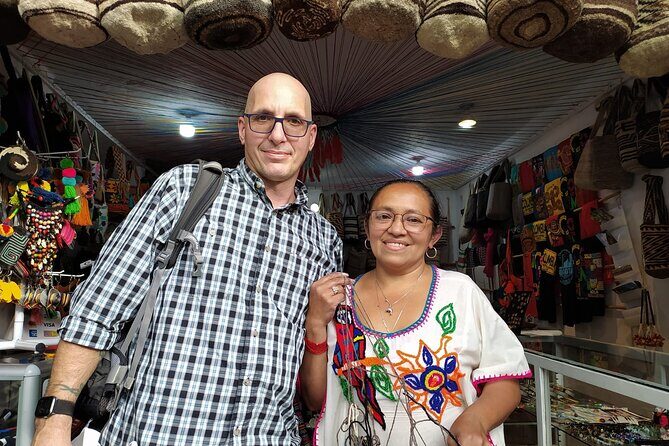
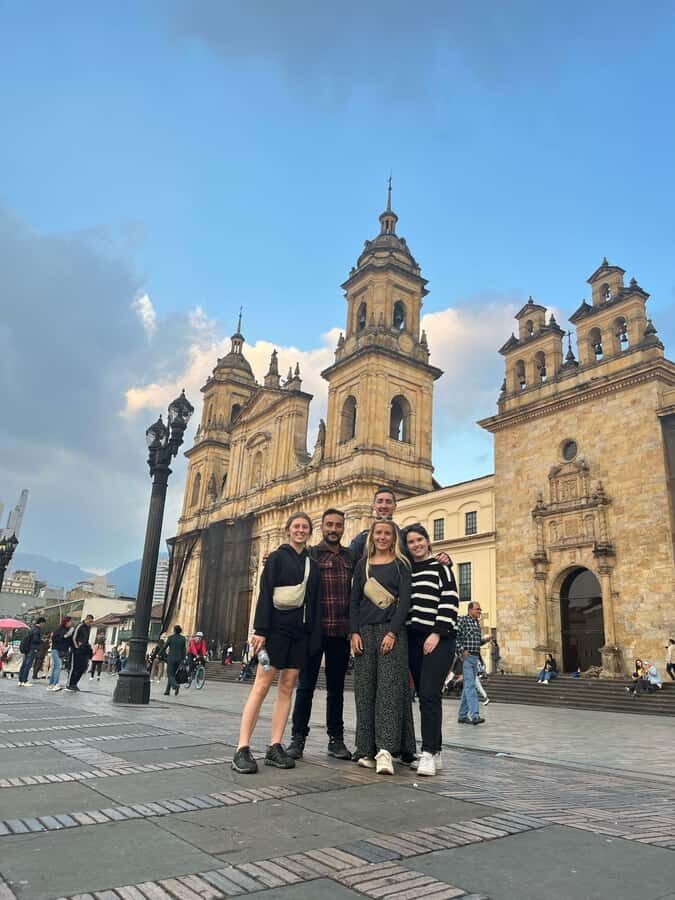
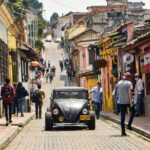
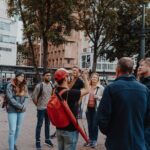
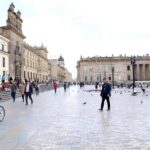
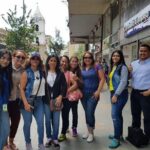
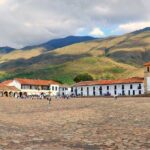
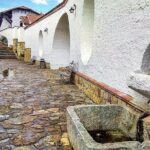
This starts with a simple meeting point and a walk that gives meaning to what you’re seeing. You meet at Cranky Croc Hostel (Cl. 12d #3-56, La Candelaria) and then head through Bogotá’s historic center with your guide. The walking route is framed around the sacred lands of the Muisca peoples—so even before you touch a loom or thread, you’re getting cultural context.
I like this approach because it helps you pay attention. You’re not rushing from one photo stop to the next. Instead, you’re learning how the area connects to Indigenous presence and memory. If you’ve ever felt weird buying a “cultural” item without understanding the background, this is a cleaner way to do it.
Other cooking classes and workshops in Bogota
What to expect on the walk
You’ll be moving on foot for part of the tour. The pace feels designed for a small group and real conversation, not a sprint. Also, since the meeting point is in La Candelaria, you can usually plan your day around it easily if you’re staying in that neighborhood or nearby.
Price and value: what $85.08 really covers
At $85.08 per person for about 3 to 4 hours, the big question is whether you’re getting more than “a short workshop and a small trinket.” In practice, you are.
Here’s the value logic:
- You learn hands-on weaving and design your own mini mochila (time and instruction are part of the price).
- You receive a large full-size mochila made by women of the tribe to take home.
- You get cultural context on the walk and an Indigenous fermented drink sample included as part of the experience.
If you’ve bought textiles in Colombia before, you’ll know prices can vary wildly based on who made the piece and how. This tour is essentially packaging a maker-led moment plus take-home work into one timed session. It’s still a paid experience, but it feels like you’re paying for skill-sharing and direct access to the craft process—not just for entry.
One small consideration: because the price includes a full-size mochila you take home, it’s not the cheapest activity in Bogotá. But it does “justify itself” if you like learning and if you actually want a mochila rather than just a photo.
The 2:00 pm start: meeting point, timing, and pace
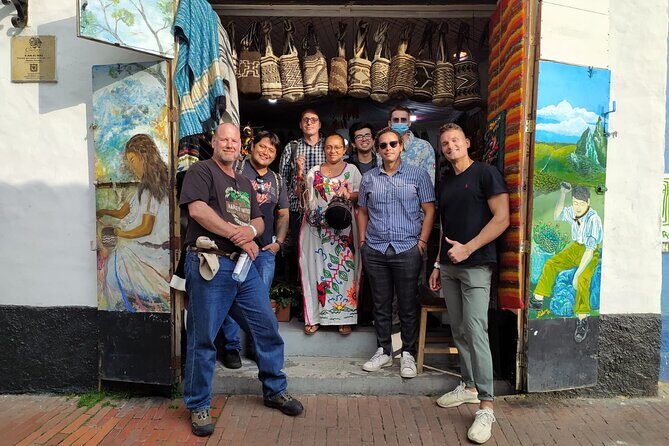
The tour begins at 2:00 pm and runs roughly 3 to 4 hours, ending back at the meeting point. That matters for planning. A start in the afternoon gives you the morning to visit museums, tour viewpoints, or just recover from travel.
I also like that it’s a walking-based start in a central neighborhood. If you’re already in La Candelaria, you’re not burning time on long transfers. The tour is also described as being near public transportation, which helps if your hotel isn’t in the exact area.
A practical rhythm
You’ll meet, walk through the historic center with context, then shift into the workshop portion for the main lesson. The weaving lesson is the core event and lasts about 2 hours. That structure keeps the day from feeling scattered.
A few more Bogota tours and experiences worth a look
Stop at K.AN.KI.WAS: where you learn your mini mochila
The main workshop stop is at K.AN.KI.WAS. This is where you get the weaving instruction and where the experience becomes truly hands-on.
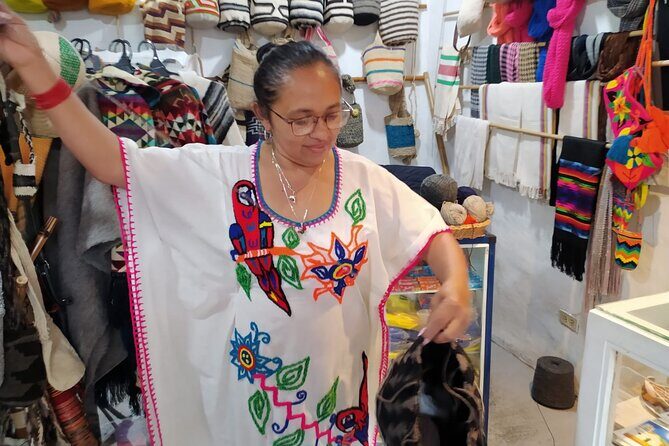
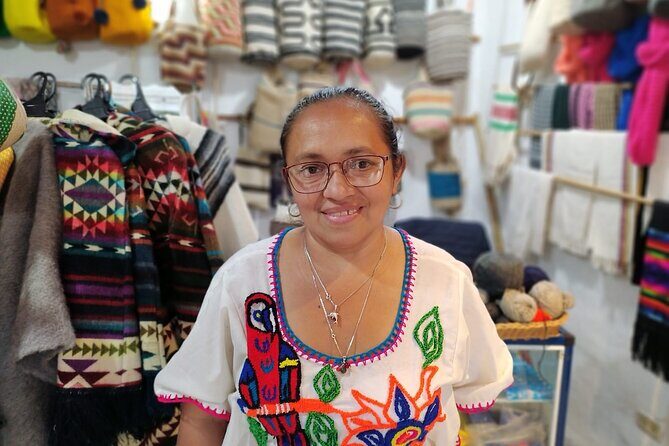
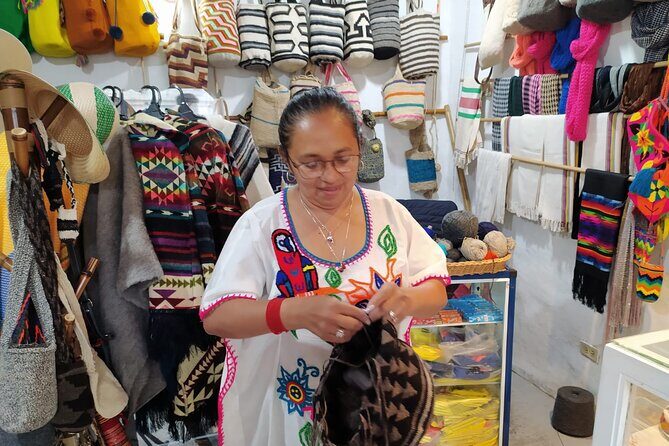
The teacher is a traditional artisan connected to the Sierra Nevada de Santa Marta region. She teaches the traditional patterns and techniques for weaving a mochila, and you design your own miniature mochila during the session.
I like that the lesson includes both technique and design choices. It means you’re not simply copying a pattern with no understanding. You’re making something small that still follows real methods.
Your mini mochila lesson: what it feels like
You’ll spend time working through the process while the artisan guides you. The best part is that you can ask questions and get real correction on your work. One review specifically highlighted the patience of the lady in the shop, and you’ll feel that during the lesson—especially if you’re new to weaving and your first attempts don’t look like you expected.
If you’re the type who likes crafts, you’ll appreciate the detail. If you’re the type who hates slow tasks, you might find the process takes focus. Either way, you leave with a piece you made, which is much more satisfying than watching someone else do the work.
Photo help (yes, that matters)
Your guide Juan helps with the experience, including taking pictures of you working on the mochila. That’s one of those small details that becomes a big deal later. It’s hard to get clear photos when your hands are busy, so having someone ready to document the moment makes the experience easier to remember.
The full-size mochila you take home (and why it’s a big deal)
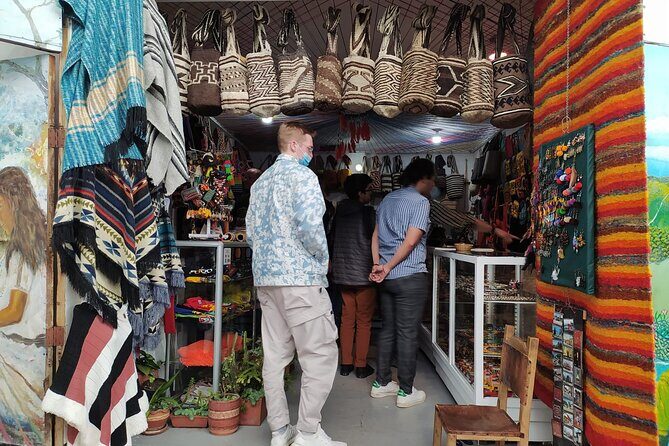
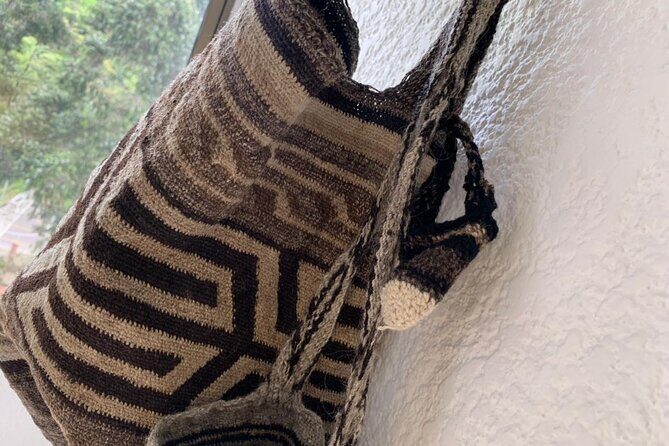
In addition to your mini mochila, you also receive a large mochila made by women of the tribe. This is a key part of the tour value and one of the reasons the experience feels complete.
Why this matters: weaving isn’t just “craft time.” It’s time, materials, skill, and cultural knowledge. A full-size mochila is likely to be more useful in daily life than a tiny souvenir. And it’s also a more meaningful keep-sake because it reflects a fully functional item, not just a practice sample.
I’d also think of it like this: you get the learning (mini mochila) and the “real thing” (full-size mochila). That gives you the best of both worlds—understanding the work and owning an item that represents it.
Design, technique, and patience: how the workshop actually teaches you
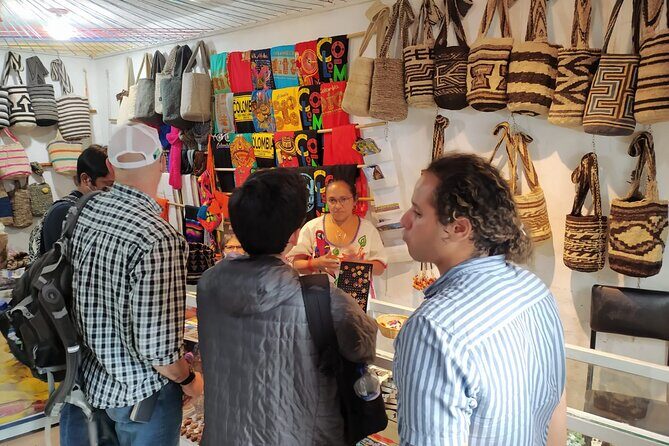
The workshop isn’t described as a quick demo. It’s structured for you to participate. That means the technique matters, and the guide/teacher support matters too.
From what you do during the session, you’ll probably notice three things:
- Patterns and repetition are part of the method, not just decoration.
- Your design choices matter, even at miniature size.
- Getting things right takes patience, not speed.
A few visitors called out the artisan’s patience directly, which is exactly what you want on a skill-based tour. When you’re working with fine details, you don’t need stress—you need guidance.
If you’ve ever started learning a craft and worried you’re “bad at it,” this is the kind of setting where you can relax a bit. The goal is to produce something you can be proud of, not to test your dexterity under pressure.
Indigenous fermented drink: a small included taste
Sampling an Indigenous fermented drink is part of the experience. That’s one of those “only on a local-style tour” inclusions that adds context to the craft day.
I’m glad it’s not a huge add-on. It’s a sample, which keeps it from turning into a separate meal-time event. Still, it’s worth noting: fermented drinks can have strong flavors, and this is not designed to be a delicate, sweet tasting menu.
If you’re sensitive to sour or unfamiliar tastes, you might want to go in with realistic expectations. If you enjoy food culture and you’re curious about Indigenous traditions, this becomes a memorable bonus.
Small group size and an English-led tour
This is limited to a maximum of 10 travelers, which is great for a hands-on workshop. Smaller groups typically mean:
- more personal attention,
- fewer people waiting for help,
- and a better chance that the guide can check in on your work.
The tour is offered in English, and confirmation is received at booking. It also uses a mobile ticket, which is convenient if you don’t want to print anything.
One more practical plus: the experience notes service animals allowed and says most travelers can participate. That’s about as much as the details go for physical comfort, so if you have specific mobility needs, it’s smart to check with the provider before booking.
Who this Bogotá mochila workshop is best for
This tour is a strong fit if you want an authentic craft experience with cultural framing—not just a transaction.
I’d especially recommend it for:
- People who like hands-on activities and learning practical skills
- Anyone who wants a meaningful textile to take home, not just a small souvenir
- Travelers who appreciate context (the Muisca historic center walk before the workshop)
- Small-group lovers who don’t want to fight the crowd in busy Bogotá areas
It might be less ideal for you if you’re after a quick, low-effort stop. The weaving portion is real work, and the workshop experience is meant for active participation.
Tips to make your afternoon smoother
A few practical pointers will help you enjoy the workshop more.
- Wear comfortable clothes and shoes for the historic center walking and the workshop time.
- If you’re someone who gets frustrated easily, give yourself permission to make a few imperfect moments. The process is about learning, not perfection.
- Since the tour includes photo help, don’t worry about trying to juggle your phone while working. Let Juan do the documentation part.
- If fermented flavors aren’t your thing, decide ahead of time how you’ll handle a sample. A small taste still counts as part of the cultural experience.
Should you book the Ancestral Bag Workshop?
I think this is a solid booking if you want a craft experience that feels grounded in real technique and comes with a take-home item that you’ll actually use or display. The mix of learning a mini mochila, receiving a full-size mochila, and including cultural context on the walk makes the price feel more justified than tours that only offer a short demo.
If you’re in Bogotá and you have a free afternoon, this is the kind of tour that makes your trip feel more human. You’ll leave with a piece of work you helped create—and a better sense of what goes into it.
FAQ
How much does the Ancestral Bag Workshop Bogotá Cultural Hands-On Tour cost?
It costs $85.08 per person.
How long is the tour?
The duration is approximately 3 to 4 hours.
What time does the tour start?
The start time is 2:00 pm.
Where do we meet for the tour?
You meet at Cranky Croc Hostel, Cl. 12d #3-56, La Candelaria, Bogotá, Colombia.
What will I make during the workshop?
You’ll learn to make a miniature mochila bag and also design it during the session.
Do I get anything to take home?
Yes. In addition to your miniature mochila, you receive a large full-size mochila made by women of the tribe.
What’s the cancellation policy?
Free cancellation is available. You can cancel up to 24 hours in advance of the experience for a full refund. If you cancel less than 24 hours before the start time, the amount paid is not refunded.