REVIEW · BOGOTA
Chocolate & Coffee Farm Experience
Book on Viator →Operated by Andes EcoTours · Bookable on Viator
Coffee and cacao tastings are one thing—doing the work is better. This long day from Bogotá turns you into a hands-on guest on rural farms, with coffee bean picking and cacao processing you can actually see and try. I like that it’s built around real steps of production, not just a short walkthrough.
Two parts I especially like are the Silvania coffee stop—where you collect beans, grind them, and brew a traditional tinto—and the Nilo cacao visit, where you crack open cacao fruit, then move through fermentation and drying. One consideration: it’s a 12 to 14 hour day with rural drives, so if you’re sensitive to long travel time, plan for fatigue (and skip any extra purchases unless you’re truly hungry).
In This Review
- Key highlights at a glance
- The real draw: picking beans, not just looking at them
- Price and what you’re actually buying for $144
- Stop 1: Silvania coffee farm and the work behind tinto
- Stop 2: Cerro de Quinini campesino lunch without the restaurant vibe
- Stop 3: Nilo cacao farm—fruit, fermentation, drying, and maybe cacao grinding
- Private transportation: worth it, but remember it’s a long road day
- The small-group pace: why max 9 travelers matters
- Coffee + cacao tasting: how to make the most of it
- Who this tour suits best (and who should think twice)
- Practical tips so the day feels easier
- Should you book Chocolate & Coffee Farm Experience?
- FAQ
- How long is the Chocolate & Coffee Farm Experience?
- Where do I meet, and where does the tour end?
- What’s included in the price?
- Is bottled water included?
- How many people are in the group?
- What happens on the coffee and cacao farm stops?
Key highlights at a glance
- Hands-on coffee picking and grinding with traditional, older-style tools
- Tinto sampling made for you right on the farm
- Vegetarian campesino lunch in a simple community home setting
- Cacao fruit tasting plus fermentation and drying room views
- Small group size (max 9) for a more personal pace
The real draw: picking beans, not just looking at them
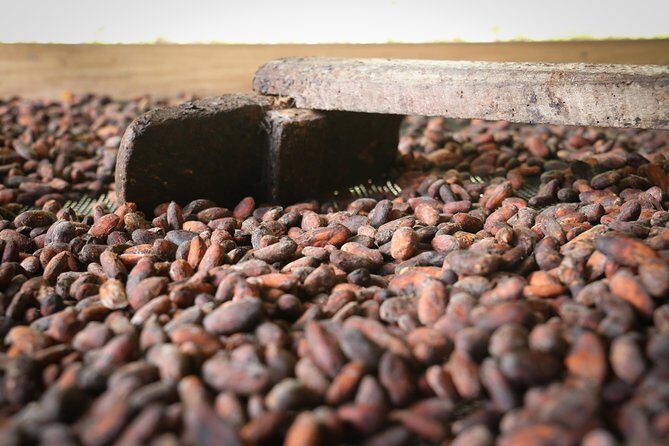
This tour is designed for one main payoff: you don’t only observe agriculture—you help do it. That changes the whole experience. When you pick coffee cherries from the field and later grind beans with manual equipment, you start to understand why coffee tastes the way it does. Same with cacao: tasting the fruit content and seeing how beans transform from raw material into a fermented, dried product makes chocolate feel less like candy and more like food science.
The day runs about 12 to 14 hours, and that length matters. You’ll be leaving Bogotá early (meeting at Ac. 26 #69B-53) and spending most of the time off the city map. It’s the kind of trip where comfort is less about fancy upgrades and more about going in with the right expectations: you’re here for rural work, rural flavors, and rural rhythm.
Group size is capped at 9 travelers, which keeps it calmer. In a small group, you get more time for questions, and hosts can explain things without rushing you out. If you like experiences where your guide can tailor the pace, this format helps.
Other coffee farm and tasting tours from Bogota

Price and what you’re actually buying for $144
At $144 per person for a full day (private transportation plus farm access), the value is in the combination of labor + meals + equipment time. You’re not paying only for transport and tasting. You also get:
- entry to the farms
- use of traditional coffee and cacao processing equipment
- coffee and/or tea plus cacao tasting
- a local vegetarian lunch
- coffee and cacao activities spread across two working farms
A big part of why this can feel worth it: both farms are built around process. The coffee stop includes picking beans and using manual tools for grinding and peeling. The cacao stop includes tasting the fruit content and walking through fermentation and drying rooms, with a possibility to grind cacao from hard shell toward liquid form if time allows.
The one clear mismatch for some budgets is that bottled water isn’t included. If you hate paying extra during tours, factor in the cost of drinks. Also, coffee bags and cacao bars are available for purchase at the farms, which can tempt you to go a little off-budget if you’re not careful.
Stop 1: Silvania coffee farm and the work behind tinto
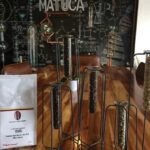
Silvania is your coffee anchor. You’ll spend about 1.5 hours visiting a traditional coffee farm, then doing the fun part: bean picking and hands-on processing.
Here’s what that looks like in practice:
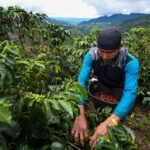
- You collect coffee beans from the field (year-round picking is available).
- You grind and peel using manual, old-fashioned tools.
- Your host makes a traditional tinto, a black coffee, and you get to sample it.
This is the part of the tour that tends to stick in memory because you can compare tastes with effort. Freshly ground coffee has a different smell than pre-ground coffee, and seeing the peeling and grinding steps helps explain why roast and processing matter.
What to know before you go: because this is an active farm segment, the process is hands-on and a bit physical. Even if it’s not described as difficult, you should be ready to stand, handle produce, and work at a farm pace.
Time note: the stop is timed for about 1 hour 30 minutes. That’s long enough to feel like you participated, not just watched.
Stop 2: Cerro de Quinini campesino lunch without the restaurant vibe
Cerro de Quinini is shorter—around 45 minutes—but it’s an important reset. You’ll eat a traditional campesino lunch in a simple setting described as a community home rather than a full-time restaurant.
Key details:
- Plates are vegetarian.
- The location is clean and simple, with no luxury layer.
- You’re surrounded by nature sounds rather than a dining room soundtrack.
This is the stop that often gives you the contrast you need after farm work. Coffee grinding and bean processing can be a lot of senses in motion. Then you sit down and eat, still in a rural environment.
Possible drawback: this meal stop is brief. If you’re the type who likes a long sit-down with slow courses, you might feel the pace. But if you prefer a “do, eat, move” flow for a day trip, the timing works.
Stop 3: Nilo cacao farm—fruit, fermentation, drying, and maybe cacao grinding
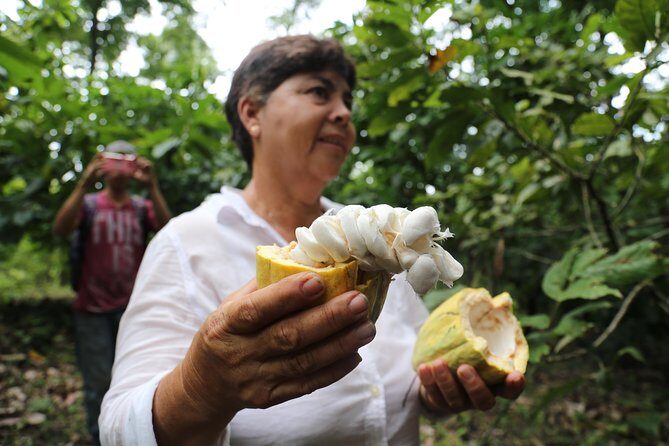
Nilo is where the tour shifts from coffee to chocolate’s raw starting point. Like Silvania, you’ll spend about 1.5 hours, but the focus is cacao processing.
What you can expect:
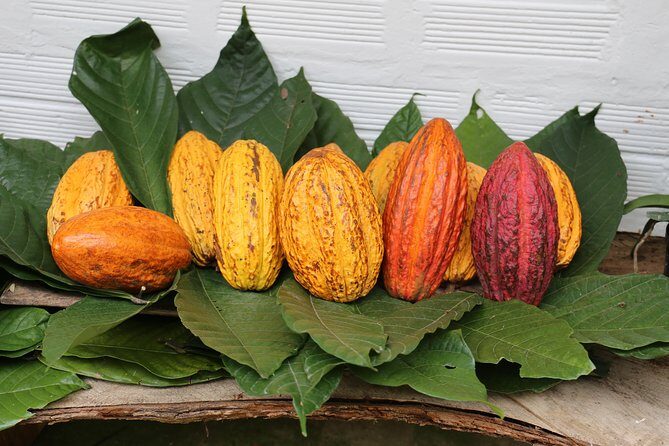
- You see cacao beans hanging from trees.
- Your host opens the bean so you can taste the fruit’s content.
- You visit the fermentation room.
- You visit the drying room.
- You see the final product of the cacao process.
- If time allows, you may also experience grinding cacao from hard shell toward liquid form, which becomes raw material for chocolate production.
This stop is valuable because cacao is not just beans. It’s fruit, enzymes, fermentation, drying, and careful transformation. Seeing fermentation and drying makes those words real. It also helps you understand why chocolate flavor depends on what happens after the harvest—fermentation is where a huge part of flavor develops.
What I think makes this stop special: it’s not limited to tasting chocolate. You’re guided through the steps that explain why chocolate tastes like chocolate. That’s a more complete story than any gift shop explanation.
One more practical point: since the day is long, cacao tasting and processing viewing can stack up quickly. Wear comfortable clothes and keep your energy steady. If you’re tired, you can still enjoy it—you just might move slower through the rooms.
A few more Bogota tours and experiences worth a look
Private transportation: worth it, but remember it’s a long road day
The tour uses private transportation, which is a real quality-of-life benefit on a 12 to 14 hour excursion. You’re not negotiating public buses, transfers, or confusing meeting points once you’re out of Bogotá.
That said, the route matters. When road construction was underway around the autopista, traffic could slow travel time. The good news is that construction was finishing in 2024 and, by 2025, travel was said to work without the same issues.
Still, I recommend you treat this as a full-day commitment. Bring patience for rural roads. If you’re prone to motion sickness, consider your usual coping strategy. And if you hate being away from water, remember bottled water is not included.
The small-group pace: why max 9 travelers matters
A maximum of 9 travelers may sound like a minor detail, but it changes how the day feels. On a tour like this, the hosts are doing hands-on work, and explanations take time. With fewer people:
- you’re less likely to feel like a crowd around the tools
- your questions have room to land
- the timing between coffee and cacao stops feels more human
In other words, you get a better chance to be involved, not just pass through.
Coffee + cacao tasting: how to make the most of it
Tasting is included—coffee and/or tea plus cacao tasting—but you’ll get more from it if you treat it like a mini lesson.
Try this approach:
- When you taste the tinto, notice aroma first, then bitterness and body. The grinding step you saw earlier can make those sensations easier to connect.
- When you taste cacao fruit content, expect flavors that aren’t like chocolate. The fruit tastes different from the final bar experience.
- If cacao grinding happens for you, watch your senses: the transformation from hard shell to liquid material is a reminder that chocolate is an end product of steps, not a magical ingredient.
You can also buy coffee bags and cacao bars at the farms if you want. Just know that these are purchases, not included items.
Who this tour suits best (and who should think twice)
This is a great fit if you:
- like hands-on experiences
- enjoy process-based learning (coffee and cacao production steps)
- prefer small groups with private transport
- want an experience that feels rural and authentic rather than city-based
It may be less ideal if you:
- hate long days away from Bogotá
- get impatient with traffic or road time
- want a lighter, purely tasting-focused activity
If your energy runs low late in the day, consider that the day is long and the cacao stop can come after earlier processing and travel. A little planning helps.
Practical tips so the day feels easier
A few things I’d do to make this go smoothly:
- Bring repellent if you’re sensitive to insects (especially in outdoor farm areas; one traveler noted it helped during the day).
- Wear comfortable shoes and clothes you don’t mind getting a bit farm-dusty.
- Plan to buy water if you need it—bottled water isn’t included.
- Decide ahead of time whether you’ll shop at the farms, so you don’t turn “one souvenir” into “a full checkout.”
Also, with confirmation and booking, you’ll receive details based on how close you book to travel. That’s normal for this kind of day trip, and it helps keep the schedule aligned with farm operations.
Should you book Chocolate & Coffee Farm Experience?
With a rating of 4.7 and a high recommendation rate of 90%, this isn’t a “maybe” experience—it’s a popular one, and for good reason. The strongest praised aspects are the personal visit to a rural, family-run coffee farm and the hands-on chance to pick and process beans, with the cacao side adding a clear step-by-step look at fermentation and drying.
If you’re the type who enjoys learning by doing, this is a smart use of a Bogotá day. If your ideal day trip is short, low-effort, and fully restaurant-style, you might find the long rural drive and active farm work tiring.
My take: book it if you want a real agricultural experience with tasting and meals included, and you’re okay with a big day on the road.
FAQ
How long is the Chocolate & Coffee Farm Experience?
It runs about 12 to 14 hours.
Where do I meet, and where does the tour end?
The tour starts at Ac. 26 #69B-53 in Bogotá, Colombia, and ends back at the same meeting point.
What’s included in the price?
Included items are coffee and/or tea plus cacao tasting, private transportation, entrances to the farms, use of traditional coffee and cacao processing equipment, and a local vegetarian lunch.
Is bottled water included?
No. Bottled water is not included.
How many people are in the group?
The maximum group size is 9 travelers.
What happens on the coffee and cacao farm stops?
You’ll visit a traditional coffee farm in Silvania for about 1.5 hours to pick beans and use manual equipment, then taste a traditional black coffee (tinto). Later, in Nilo you’ll visit a cacao farm for about 1.5 hours to taste cacao fruit content and see fermentation and drying rooms, with a chance to try grinding cacao if time allows.