REVIEW · BOGOTA
Guatavita Lake – Salt Cathedral
Book on Viator →Operated by Imagine your Bogota · Bookable on Viator
Some places feel like a story you can walk into.
This day trip strings together three very different stops, all tied to Muisca myths and local geology: Laguna de Guatavita, the Catedral de Sal carved by miners, and a quick visit to Guatavita town.
I love that it is not just sightseeing. You get real interpretation along the way, plus small touches like binoculars and raincoats, and the day keeps moving with good timing. Another big win is the private-transport setup with a max group size of 4, so you are not stuck in a loud herd for 10 to 11 hours.
The one thing to consider: the lake hike includes stairs and a climb of about 130 meters (426 feet), and the lake area does not work for wheelchairs or strollers. If mobility is tight for you, the Salt Cathedral is more flexible, but the lake portion may be the deal-maker or deal-breaker.
In This Review
- Key things you’ll like right away
- Why this trip works: myths, salt, and mountain air
- Morning plan from Bogotá: timing and comfort matter
- Stop 1: Laguna de Guatavita stairs, viewpoints, and frailejón
- The climb (and how not to dread it)
- What you’ll see at the viewpoints
- The páramo plant moment: frailejón
- A real food bonus: muisca-style snack
- The drawback to plan around
- Stop 2: Inside the Catedral de Sal with an audio guide
- What the route includes
- What you can buy inside
- Accessibility note
- Stop 3: Guatavita town in 20 minutes
- Food and what’s included (and what you need to budget)
- Price and value: $122 for a lot of moving parts
- The guide experience: when Javier makes the day feel easy
- How long is the walk, really? What to wear and bring
- Should you book Laguna de Guatavita and the Salt Cathedral tour?
- FAQ
- How much does this tour cost?
- What time does the tour start in Bogotá?
- How long does the tour take?
- What’s included in the price?
- Is lunch included?
- Is breakfast included?
- Does the Salt Cathedral have accessibility for wheelchairs and strollers?
- Is Laguna de Guatavita accessible for wheelchairs or strollers?
- What kind of walking is involved at Laguna de Guatavita?
- Are there audio guides inside the Salt Cathedral?
Key things you’ll like right away
- A small group (up to 4) with private transportation so the schedule feels human, not rushed.
- Binoculars and raincoats are loaned, which helps when Andean weather changes fast.
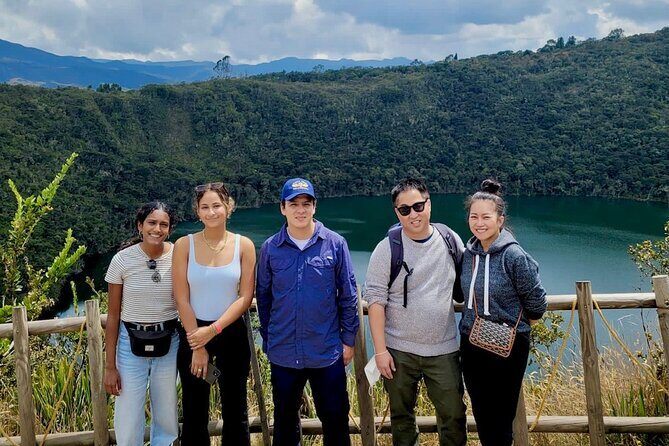
- Three lake viewpoints plus multiple rest breaks during the stair climb.
- Páramo plant spotting, including frailejón, as the vegetation shifts from Bogotá-like Andean cold weather.
- Audio guide inside the Salt Cathedral, with a guided route that explains the miners’ work and sacred scenes.
- Snack stops with regional Colombian candies and bottled water included.
Why this trip works: myths, salt, and mountain air
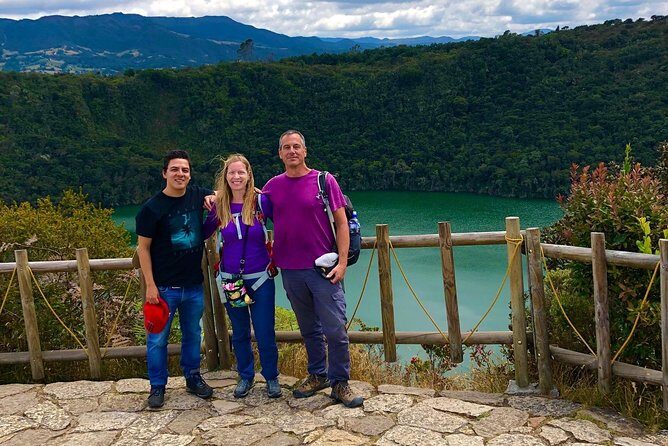
A day like this only works because the stops don’t compete with each other. You start with a lake that looks unreal, then you go underground to see salt turned into architecture, and you end in a town square where you can reset before the long ride back to Bogotá.
Laguna de Guatavita is tied to Muisca legends and native culture, and the guide-style narration (including translation) helps you connect what you see to what people believe and how the landscape shaped life there. Then comes the Salt Cathedral: a totally different mood—cool, dim, and carved—where the story is geology plus labor, built into religious scenes.
If you like travel that mixes meaning and views, this hits the mark. You get science-y reality (altitude, vegetation zones, salt) and also the human layer (culture, symbols, crafts, and food).
Other Salt Cathedral of Zipaquira tours from Bogota
Morning plan from Bogotá: timing and comfort matter
The tour starts at 8:00 am, and you’ll be out for about 10 to 11 hours. That’s a long day, but it’s the right length for three separate locations without turning everything into a sprint.
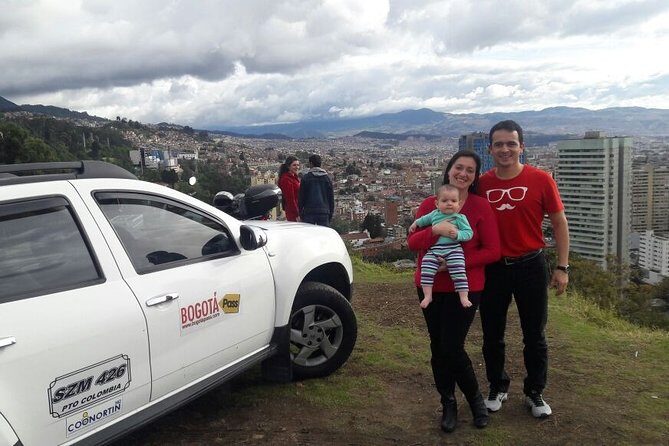
Private transportation is included, and based on real feedback, the ride is usually calm and well-run: clean car, good communication, and safe driving. I also like that the operator lends binoculars and raincoats. Even if you think you’re prepared, those two items solve common problems fast—foggy viewing moments, sudden drizzle, and that chilly damp air that can sneak up on you at elevation.
Group size is small (maximum 4), so the guide can slow down when someone wants more time for photos or questions. The day also tends to have good pacing: you aren’t just dropped off and forgotten.
Stop 1: Laguna de Guatavita stairs, viewpoints, and frailejón
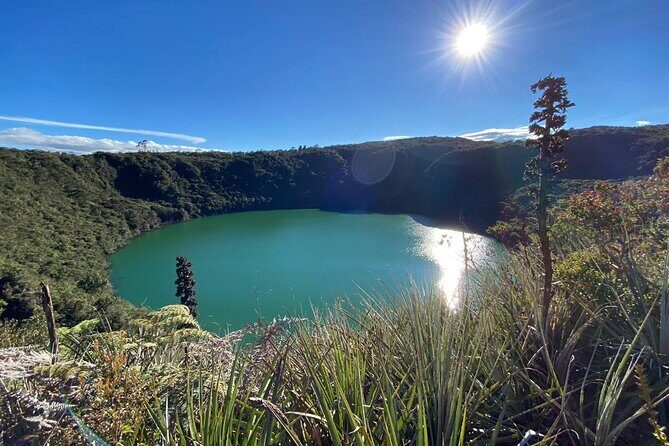
This is the heart of the trip. You walk into the natural reservation around Laguna de Guatavita with a guide who explains native culture and the meaning of the area, with translation when needed so you don’t miss the details.
The climb (and how not to dread it)
Right after you start, you begin a stair climb of about 130 meters (426 feet). The practical part: you don’t just suffer straight up the whole time. The route includes multiple stops for breaks, which makes a big difference if you’re not used to altitude walking.
Also, expect the weather feel to shift. The route moves from Andean cold weather (similar to Bogotá) toward páramo conditions with distinct plants. That shift is not just pretty—it’s your clue that you are changing ecosystems as you go higher.
What you’ll see at the viewpoints
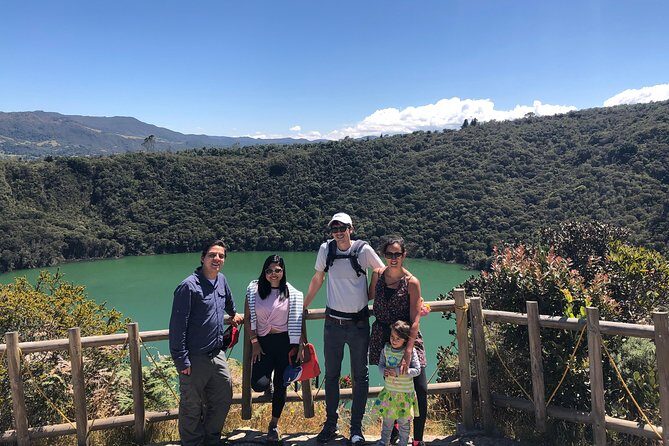
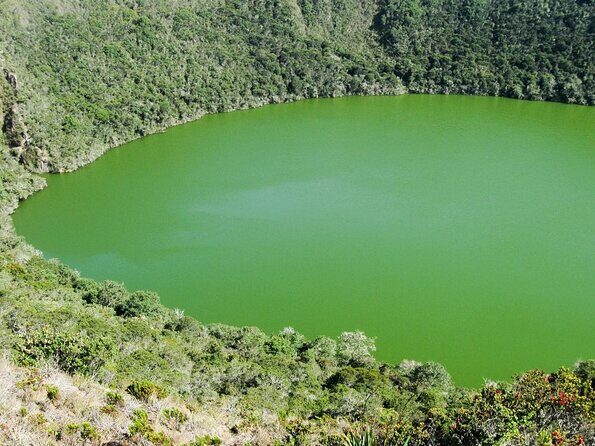
Once you finish the stairs, you reach the first of several scenic breaks. You’ll get lake views with striking water colors, plus opportunities to listen and spot birds.
The walk continues through changing vegetation, and after about 90 minutes you exit the lake area. Along the way, there are three viewpoints, which is key because it spreads out your best photo chances instead of forcing all the views into one crowded moment.
Other Guatavita Lagoon and El Dorado tours from Bogota


The páramo plant moment: frailejón
One of the most memorable details here is the frailejón (the thick, soft-leaved plant that looks almost like little ears). The tour describes it as a plant you find only in specific Andean countries such as Ecuador, Perú, and Venezuela, and that idea helps you frame why the páramo zone feels special and protected.
Even if you can’t identify every species, the guide’s explanation helps you “read” the environment instead of just walking through it.
A real food bonus: muisca-style snack
After you leave the lake area, you get the chance to eat muisca food like corn cob. It is not a full meal, but it adds context and flavor to the cultural side of the hike.
The drawback to plan around
The lake portion has no wheelchair or stroller access. If you’re with kids in a stroller, it’s likely going to be a hassle you can’t solve with “just take it slow.” The Salt Cathedral later is accessible, but the lake is not.
Stop 2: Inside the Catedral de Sal with an audio guide
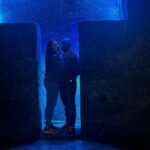
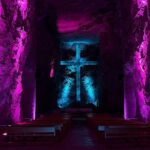
After the fresh mountain air, the Salt Cathedral feels like stepping into another world. This part is built underground by miners, and the route is designed like a walk-through experience: you enter via a tunnel, move through a sequence of religious representations, and reach the main cathedral area under a dome.
What the route includes
You’ll pick up an audio guide when you enter, and it guides you through the story in a way that’s actually useful. The visit includes:
- A tunnel entrance
- A representation of the way to the cross, explained as moments experienced by Jesus before the crucifixion
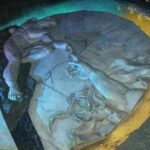
- The dome and main cathedral, where you’ll see the cross, holy Mary, and other works made by miners
- A water mirror feature inside the space
This is one of those places where the details matter. The audio makes it easier to understand what you’re looking at rather than just seeing salt walls and calling it done.
What you can buy inside
There’s also a shopping element, but it’s tied to the location: you can buy salt figures, emeralds, coffee, and other items. If you like small, tangible souvenirs, this is the stop to do it.
Accessibility note
Unlike the lake, the Salt Cathedral has access for wheelchairs and strollers. So if you’re traveling with mixed mobility needs, this stop is the one that you can count on for a more comfortable experience.
Stop 3: Guatavita town in 20 minutes
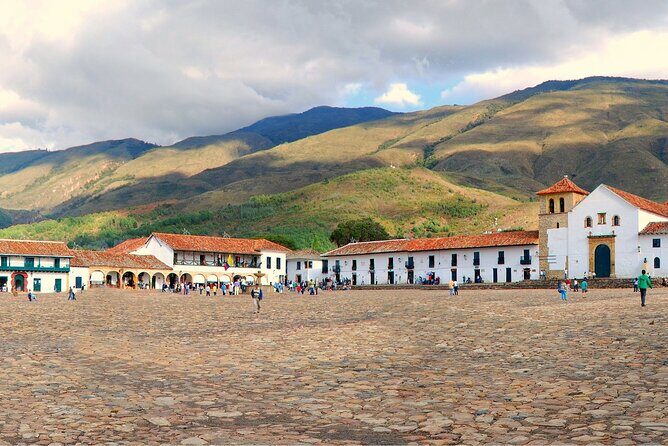
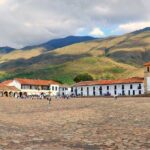
You finish with Guatavita town, a place with colonial architecture and big squares. You’ll have about 20 minutes there, and it’s enough time to orient yourself, walk a bit, and get a feel for local life.
The town is described as founded in 1967, and that modern-founding detail pairs interestingly with the colonial look you’ll see on the streets. You can also check out gastronomy and browse handicrafts.
Because the time here is short, treat this as a stroll-and-choose moment, not a full town visit.
Food and what’s included (and what you need to budget)
Food is the one part that you should plan around.
What’s included:
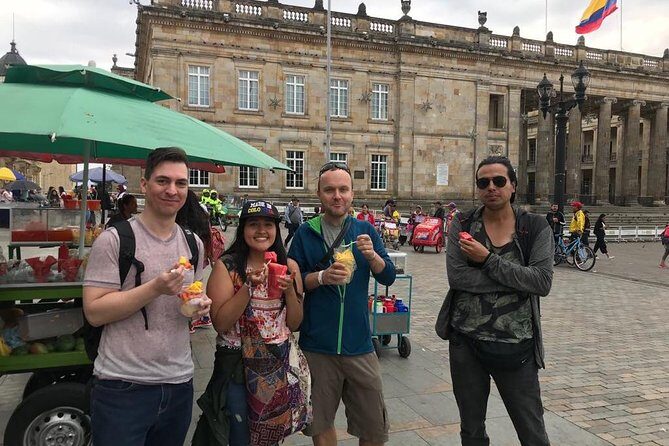
- Snacks of Colombian candies from different regions (the tour mentions types from Santander and Boyacá)
- Bottled water
- (At the lake) a chance to eat muisca-style food like corn cob
What’s not included:
- Lunch
- Breakfast
- Soda/pop
So you’ll want to come ready to find lunch on your own later. A practical tip: if you’re sensitive to timing, you may want to have breakfast light before the 8:00 am start and then let the snack stops tide you over until lunch.
In real-world experience with this operator, the guide has sometimes selected a busy lunch spot with fast service and even live music. You shouldn’t assume that will happen every day, but it does suggest the guide takes lunch seriously rather than handing you a random menu and leaving you.
Price and value: $122 for a lot of moving parts
At $122 per person, this is not a cheap day, but it also isn’t just paying for bus rides and entry tickets.
Your money is doing several jobs:
- Private transportation for the full day (10 to 11 hours)
- Entrance to Laguna de Guatavita
- Entrance to the Salt Cathedral
- Audio guide included for the Salt Cathedral
- Practical gear (binoculars and raincoats)
- Snacks and bottled water
- A guide who explains the culture and environment, including translation support
If you try to cobble this together yourself, you’d likely spend time solving transport, timing, and ticket entry issues, and you’d still need to plan your own way through a stair climb plus an underground site plus a town stop. The value here is the stitching: the day feels coordinated.
Also, small group size (up to 4) helps the value stretch. You’re paying for access to someone who can manage the flow, not just a ride.
The guide experience: when Javier makes the day feel easy
A big reason this tour gets such strong praise is the guide. Javier is repeatedly described as friendly, prepared, and easy to talk to, with a focus on safety and good driving.
Here are the practical guide skills I’d watch for in your experience:
- On-time pickup and clear communication
- Safe, cautious driving (especially important for mountain roads)
- Flexibility when timing shifts, including changing the order so you waste less time
- Willingness to answer questions and keep the mood relaxed
- Ability to adapt around road delays (for example, when flooding affects travel times)
One specific tip that came up: ticket logistics for the lake may not be as simple as you expect. In at least some cases, the guide has handled getting tickets for a later time because online purchasing wasn’t the option. That means the tour can save you from guesswork.
If you like travel days that run smoothly, this is exactly what the guide role is meant to deliver.
How long is the walk, really? What to wear and bring
You’re going to do a mix of walking types: paved town time, long sit-and-ride transfers, and the lake hike with stairs.
Wear:
- Comfortable clothes that handle cold air and wind
- Comfortable shoes with grip for the stair route
- A layer you can put on after the lake climb
Bring:
- If you’re sensitive to cold, plan for it. Even when it looks sunny, Andean air can bite.
- The tour provides raincoats, but you’ll still want to be comfortable if it drizzles.
Because the lake portion is not stroller-friendly and involves stairs, you should plan based on your personal mobility—not just on motivation.
Should you book Laguna de Guatavita and the Salt Cathedral tour?
I think this is a great pick if you want one day that connects culture and nature in a way that feels guided, not random.
Book it if:
- You want a private, small-group day with a calm pace
- You’re excited by the idea of páramo ecology and lake viewpoints
- You want the Salt Cathedral experience with an audio guide and a clear route
- You’re okay with a long day and a stair climb at the lake
Skip it or choose a different option if:
- You need wheelchair or stroller access at the lake (the lake area is not accessible)
- You dislike long walking days or you’re not ready for about 130 meters of stairs total
- You rely on an extremely tight schedule and can’t tolerate delays from weather or road conditions
If you’re traveling from Bogotá and you want a day with meaning plus real variety, this one earns its place. It’s a compact taste of Colombia’s altitude world: lake myths above, salt architecture below, and a town square to land the plane.
FAQ
How much does this tour cost?
It costs $122.00 per person.
What time does the tour start in Bogotá?
It starts at 8:00 am.
How long does the tour take?
Plan for about 10 to 11 hours.
What’s included in the price?
Private transportation is included, along with entrance to Laguna de Guatavita and entrance to the Salt Cathedral (with an audio guide for that attraction), plus binoculars and raincoats, snacks (Colombian candies), and bottled water.
Is lunch included?
No, lunch is not included.
Is breakfast included?
No, breakfast is not included.
Does the Salt Cathedral have accessibility for wheelchairs and strollers?
Yes, the Salt Cathedral has access for wheelchairs and strollers.
Is Laguna de Guatavita accessible for wheelchairs or strollers?
No, the lake does not have access for wheelchairs and strollers.
What kind of walking is involved at Laguna de Guatavita?
You climb stairs that are about 130 meters (426 feet), with stops along the way, and you reach multiple lake viewpoints.
Are there audio guides inside the Salt Cathedral?
Yes, you’ll pick up an audio guide when you enter the Salt Cathedral.