REVIEW · BOGOTA
Wonders of Salt: Colombia’s Underground Cathedral
Book on GetYourGuide →Operated by Neorama Tours · Bookable on GetYourGuide
Going underground changes your whole mood. This tour pairs the Salt Cathedral with the colonial charm of Zipaquirá in a single, well-paced day trip.
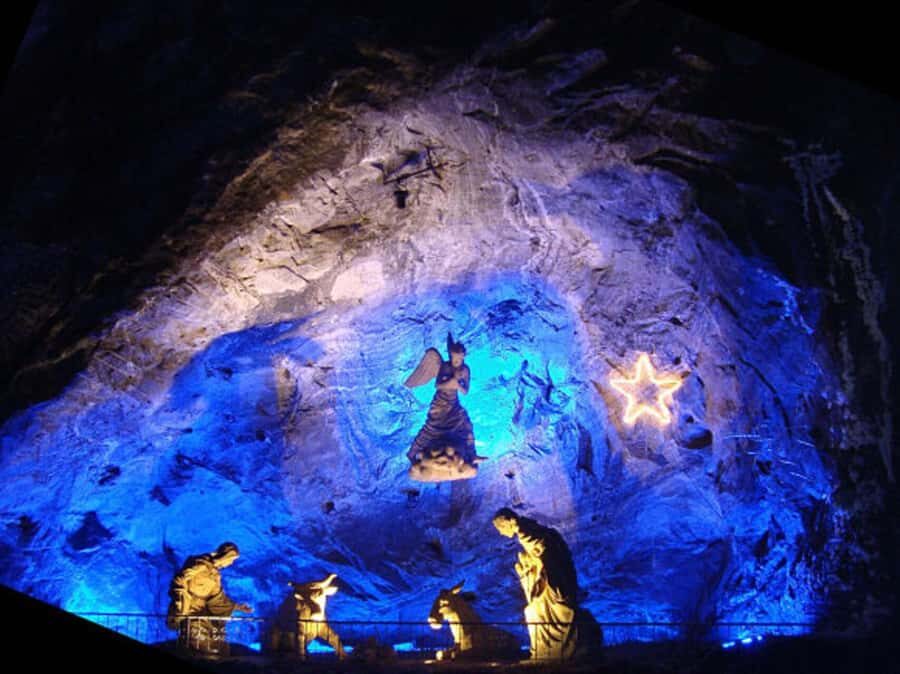
I especially love the spiritual-meets-art feeling down in the tunnels. You’ll see Stations of the Cross sculpted from salt, plus chapels and sculptures set under dim light, with an expert guide explaining how this place connects mining history to faith and modern artistry.
One clear caution: this is not for you if you’re claustrophobic. You’ll descend about 180 meters underground and spend time walking through enclosed passages.
In This Review
- Quick hits before you go
- Going 180 Meters Down: What the Salt Cathedral Experience Really Feels Like
- Stations of the Cross in Salt: Art, Faith, and “How Did They Do That?”
- Zipaquirá Afterward: Colonial Streets, Plaza de los Comuneros, and Time to Snack
- The 6-Hour Plan From Bogotá: How the Timing Works
- Price and Value: What $90 Covers (and What Costs Extra)
- What to Bring and How to Prepare (So You Enjoy It)
- Who This Tour Suits Best (and Who Should Rethink It)
- Should You Book the Salt Cathedral and Zipaquirá Tour?
- FAQ
- How long is the Salt Cathedral and Zipaquirá tour?
- Is the Salt Cathedral entrance ticket included in the price?
- Where do you get picked up?
- What’s included besides the cathedral visit?
- What languages does the guide speak?
- What should I bring?
- Is the tour wheelchair accessible?
Quick hits before you go
- 180 meters underground: see salt architecture in a setting that feels both huge and intimate
- Salt-carved Stations of the Cross: religious symbolism mixed with contemporary sculpture
- Colonial Zipaquirá streets: cobblestones, Plaza de los Comuneros, and historic churches
- Local food stops built in: you’ll have time to try classic Colombian options like chócolo arepas and ajiaco santafereño
- Private transportation from Bogotá: pickup at any point in the city keeps things stress-free
- Photo-friendly town time: viewpoints and sunset timing help you capture the day without rushing
Going 180 Meters Down: What the Salt Cathedral Experience Really Feels Like
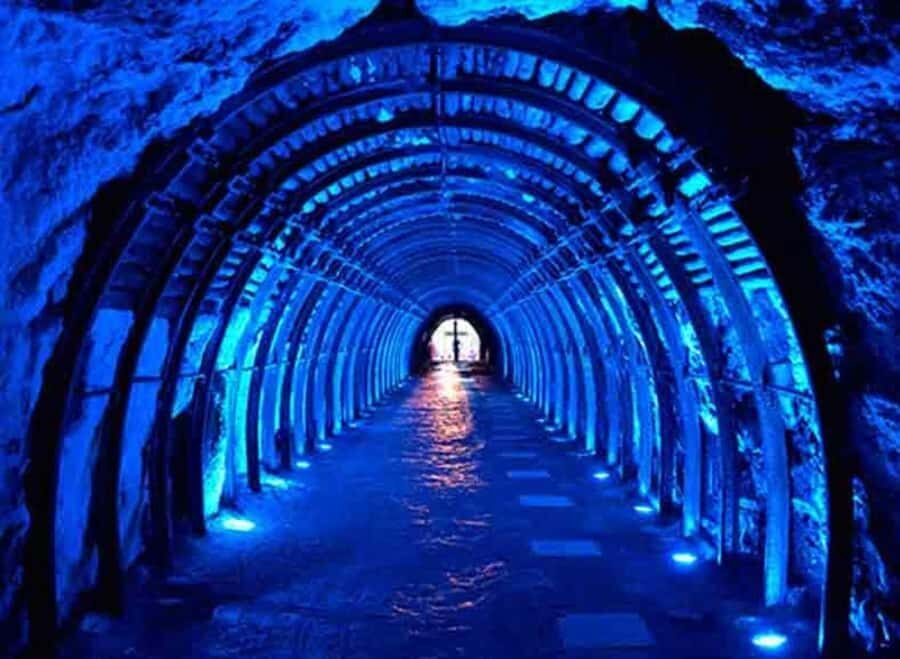
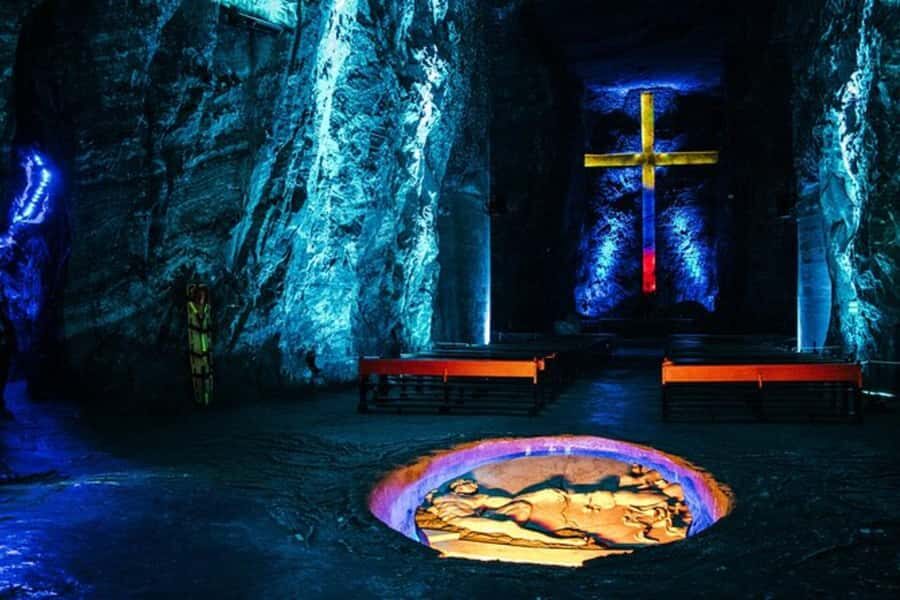
The headline here is the Zipaquirá Salt Cathedral, carved into an old salt mine. The key detail is the descent: you go down roughly 180 meters, which is part of why the place works so well. The air, the lighting, the echoes, the geometry of the tunnels all add weight to the experience, even if you’re not the most religious person in the room.
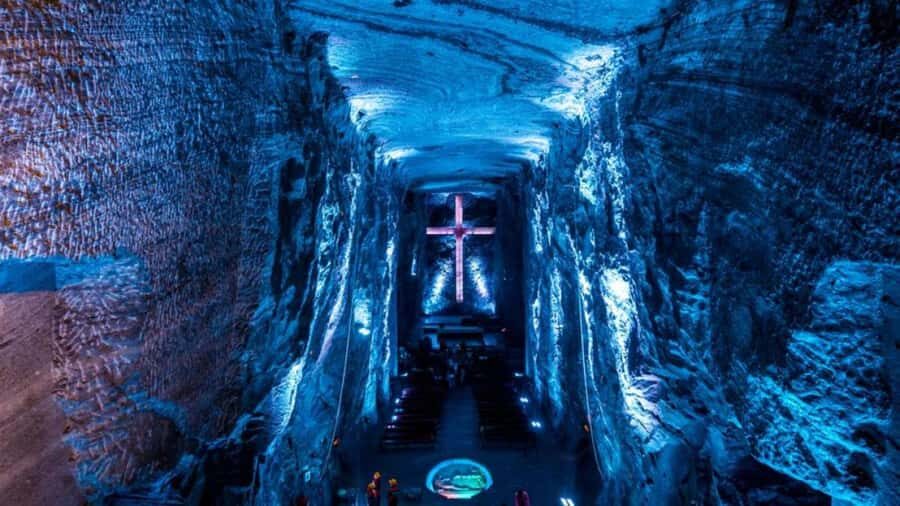
Inside, the cathedral is arranged as a guided journey through symbolic spaces. You’ll walk through passageways and see sculpted works that include Stations of the Cross made from salt, plus chapels and larger sculptures intended to evoke reflection. The lighting is intentionally dim, so your eyes slowly adjust as you move from one scene to the next. That change in visibility is a big part of the mood.
Your guide’s job isn’t just to point and translate. They also share the story behind how the cathedral fits into the region’s salt-mining timeline, including references that stretch back before the construction of the cathedral concept and then through its later renovation as a cathedral and tourist destination. If you like understanding why places were built the way they were, you’ll appreciate this.
A practical note: even though it’s a cathedral, you should still treat it like an active walking experience. Wear comfortable shoes you can trust on indoor walkways, and keep your phone charged so you can take photos during the darker scenes.
If you're still narrowing it down, here are other tours in Bogota we've reviewed.


Stations of the Cross in Salt: Art, Faith, and “How Did They Do That?”
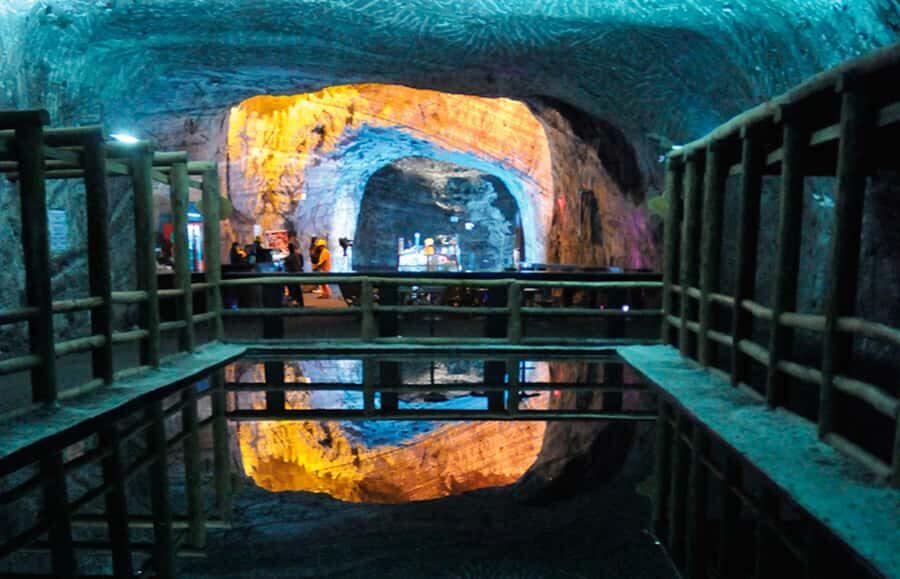
The most memorable portion for me is the way the cathedral uses salt as both material and symbol. Salt-carved Stations of the Cross aren’t just religious art; they also show how the mine’s substance becomes part of the storytelling. You’re not looking at a museum display behind glass. You’re standing among the forms, with the scale of the underground environment doing half the work.
What you’ll like most is how the spaces are staged. The cathedral’s route encourages you to slow down. You’ll see sculptural elements, then you’ll shift into another room or corridor where the lighting changes and your perspective adjusts. That rhythm is what makes it feel less like sightseeing and more like a spiritual walk-through, even if you stay neutral.
Your guide’s explanations matter here. They connect the site to the region’s mining history and help you understand how the cathedral became a pilgrimage and an art destination. Without that context, it’s still impressive. With it, it sticks in your head longer.
And yes, the atmosphere can feel magical. But it’s not made by theatrics alone. It’s the physical setting: underground tunnels, controlled light, and architecture carved from a resource that used to be extracted for everyday industry.
Zipaquirá Afterward: Colonial Streets, Plaza de los Comuneros, and Time to Snack
Once you leave the cathedral area, the pace shifts. The Zipaquirá village part of the day is about surface-level charm plus a little deeper context if you want it.
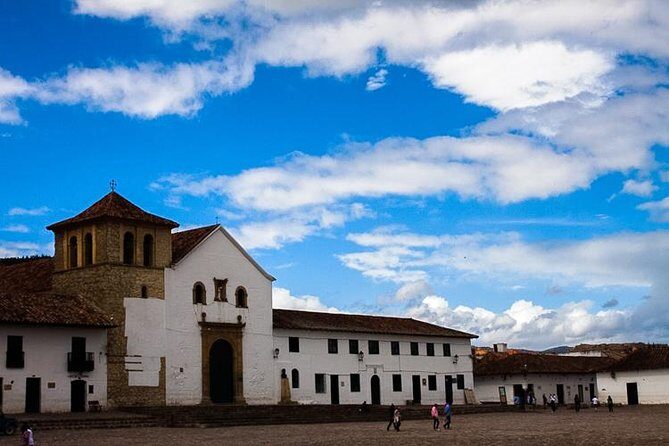
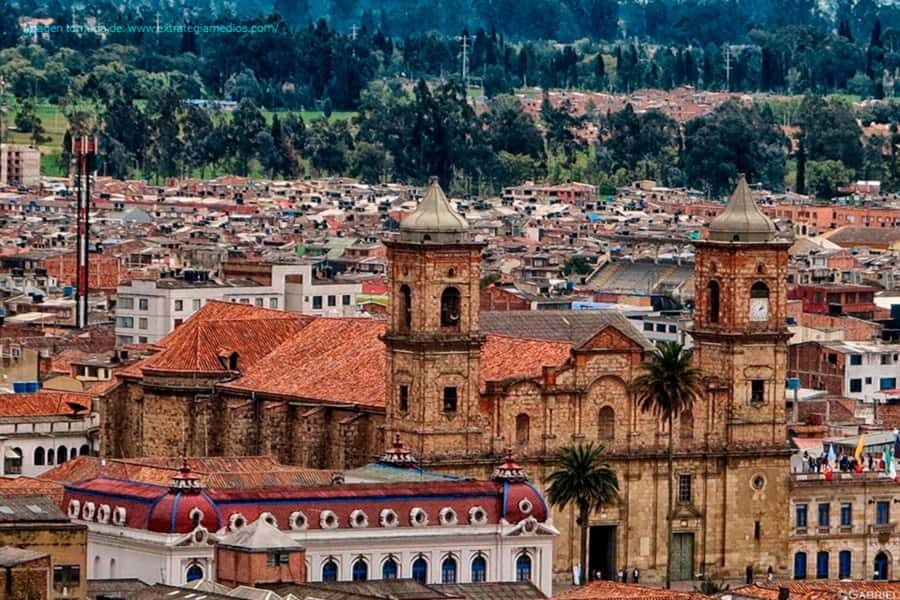
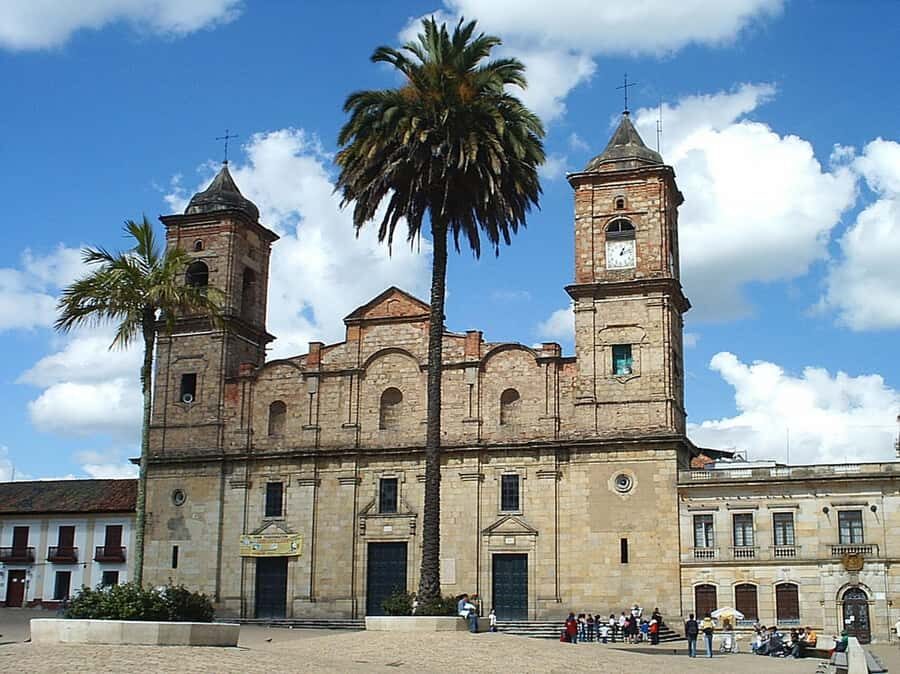
You’ll spend time walking around cobbled streets and around the Plaza de los Comuneros, where you’ll be surrounded by historic buildings tied to the colonial era. You also get a close-up look at the Church of San Antonio. If you like pairing “one big attraction” with small, real-town scenes, this stop is exactly that.
This is also where you might choose to explore on your own for a bit. There’s mention of the Salt Museum and colorful mansions with wooden balconies, plus opportunities to shop for local handicrafts. That’s a nice counterbalance to the cathedral’s heavy, underground feeling.
Food is part of the plan in a simple way: you’ll have time to try typical Colombian dishes such as chócolo arepas and ajiaco santafereño. I like that the tour doesn’t force you into a set lunch—if you’ve eaten light, you can pick what sounds good. If you’re hungry later, you’ll still have enough time to find something local in town.
One gentle heads-up: the time in Zipaquirá is shorter than the cathedral time. The cathedral is the main event. Treat the village as a rewarding add-on, not a full separate day.
The 6-Hour Plan From Bogotá: How the Timing Works
This tour is built around a simple idea: you only have one shot at the underground atmosphere, and it takes time to see it properly. The total day is about 6 hours, with pickup from Bogotá and private transportation.
The cathedral portion is set up to last around 3 hours, which is just enough time to do a guided walkthrough without feeling like you’re being herded at every step. You also get some free time during that window. That matters because underground lighting and angles can be tricky. You’ll want a few minutes to reposition for photos or simply sit with the scene for a moment.
After that, Zipaquirá time is shorter—think break time and photos, then visits and some free wandering. The schedule also mentions a sunset moment in town, which is great if the light is right. Even if you don’t chase the perfect photo, the change from indoor dark to outdoor light helps you decompress.
If you prefer day trips where you don’t spend your whole day in traffic, this works better than long, multi-stop tours. You get the core attraction plus a taste of town culture, then you head back to Bogotá.
Price and Value: What $90 Covers (and What Costs Extra)
At $90 per person, this isn’t a bargain-matinee price, but it’s also not inflated for what you’re getting. The real value is the combo of private transportation and a guide who can explain what you’re seeing. In practice, that usually costs more than people expect when you’re booking solo.
Included in the price are pickup service at any point in Bogotá, private transportation, an experienced guide, a typical Colombian light snack, the salt cathedral tour, and an optional viewpoint of Zipaquirá and its town. That “optional viewpoint” is worth it if the day is clear, because it gives you context for how the town sits beyond the mine.
What’s not included is the salt cathedral entrance ticket, listed at about $20 per person. So you should plan for roughly $110 total, depending on how pricing lands on the day you go.
Then there’s lunch, which isn’t included. The good part: because lunch isn’t packaged into the tour, you can choose where and what to eat in Zipaquirá. Just budget time and money accordingly.
Bottom line: this is good value if you want a guided, private day built around a major attraction. If you’re trying to keep every cost ultra-low and you’re comfortable organizing your own transport, you might spend less elsewhere. But if you want the day to run smoothly, $90 makes sense.






What to Bring and How to Prepare (So You Enjoy It)
You can make this day trip easier on yourself with a few basics.
Bring:
- Comfortable shoes for walking (you’ll be on your feet)
- An umbrella and comfortable clothes
- A daypack for water and essentials
- A charged smartphone for photos and reference
Also, note what’s not allowed: alcohol and drugs.
Weather can change fast in the region, and the cathedral experience is still mostly inside. The umbrella is mainly to keep you comfortable when you’re walking outside around town.
And if you’re thinking about clothing: layers are smart. The underground spaces can feel cooler than you expect.
Who This Tour Suits Best (and Who Should Rethink It)
This is a great fit if you want:
- A one-day experience that mixes history, art, and spirituality
- A guided explanation so you understand why the cathedral is built the way it is
- A taste of colonial town life in addition to the main attraction
It’s also especially good if you prefer private logistics. Pickup from wherever you’re staying in Bogotá and private transportation reduce friction, which matters when your whole day is scheduled around one specific site.
Who should skip it:
- People with claustrophobia. The underground descent and time spent walking through tunnels is a core part of the experience.
Who might be neutral:
- If you only want quick photos and don’t care about context, the cathedral’s guided format might feel slower. You’ll still likely find it impressive, but you may feel you’re spending more time in explanation than you expected.
Should You Book the Salt Cathedral and Zipaquirá Tour?
I’d book this if you want a memorable, guided underground attraction that also gives you real town time afterward. The tour’s biggest strengths are the Salt Cathedral’s atmosphere and structure, plus the way the guide connects it to local mining history and the cathedral’s spiritual meaning. Then you get enough Zipaquirá to feel like you left Bogotá for more than just a single photo stop.
I wouldn’t book it if you’re uncomfortable underground or if you need a long, full day in town instead. The cathedral is the center of the story, and Zipaquirá is the well-used sidebar.
FAQ
How long is the Salt Cathedral and Zipaquirá tour?
The tour lasts about 6 hours.
Is the Salt Cathedral entrance ticket included in the price?
No. The cathedral entrance ticket is not included and is listed at about $20 per person.
Where do you get picked up?
Pickup is available from any point in Bogotá.
What’s included besides the cathedral visit?
It includes private transportation, an experienced tour guide, a typical Colombian light snack, the salt cathedral tour, and an optional viewpoint of Zipaquirá.
What languages does the guide speak?
The tour guide is available in English and Spanish.
What should I bring?
Bring comfortable shoes, an umbrella, comfortable clothes, a daypack, and a charged smartphone. Alcohol and drugs are not allowed.
Is the tour wheelchair accessible?
Yes, it’s listed as wheelchair accessible.