REVIEW · BOGOTA
Anti-tour Bogotá
Book on GetYourGuide →Operated by Tripcol · Bookable on GetYourGuide
Bogotá has a rebellious side most tours miss. This 4-hour Anti-tour Bogotá tour mixes chicha hands-on making with real conversations at La Trocha Casa de la Paz, so you leave with more than photos. The tradeoff: it is a walk-and-taste style experience, so if you want only big-ticket viewpoints and zero interaction, this might feel too direct and too hands-on.
What makes it special is the way it threads together independence-era stories, indigenous tradition, and today’s peace-building work. You’ll also stop at the former home of Manu Chao in La Candelaria, then taste viche, an ancestral sugarcane spirit that puts the city’s traditions on your tongue, not just in a lecture.
You’re not doing this solo. It runs with an English live guide in a small group (10 people max), and multiple guides like Andrés and Michael have been praised for turning the route into something informative and fun without losing the seriousness of the topics.
In This Review
- Key points to know before you go
- Price and what you actually get for $42 in 4 hours
- Where you start: Parque de los Periodistas and the Bogotá sign
- La Pola on the map: Policarpa Salavarrieta at the Monument stop
- Chorro de Quevedo Plaza and the chicha workshop you can’t fake
- La Candelaria’s story behind Manu Chao’s former home
- Gold Museum area stop: why the modern city matters
- TransMilenio: seeing Bogotá through its busiest artery
- La Trocha Casa de la Paz: viche, crafts, and ex-FARC peace builders
- The role of the guide: Andrés, Michael, and Paula bring the tone into focus
- Walking, tastings, and the one reality check to plan for
- Who should book Anti-tour Bogotá (and who should skip)
- Should you book this tour?
- FAQ
- How long is the Anti-tour Bogotá?
- What’s the group size?
- What language is the tour guide?
- What’s included in the price?
- Does the tour use public transportation?
- Where do I meet the guide?
- What should I bring?
- Is free cancellation available?
Key points to know before you go
- Chicha workshop: hands-on corn brew making, then you taste what you helped create
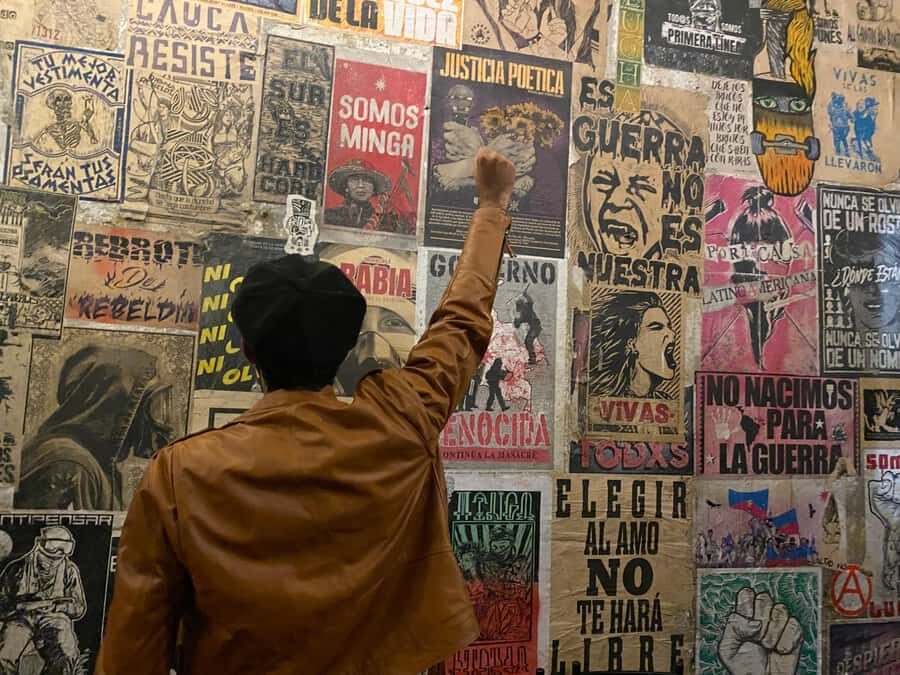
- Viche at La Trocha: meet ex-combatants building peace while you learn through conversation
- Manu Chao in La Candelaria: a stop tied to the musician’s Bogotá influence
- Policarpa Salavarrieta (La Pola): a quick, focused independence stop that sets the tone
- TransMilenio ride: you see the city move, not just the sights posed for cameras
Price and what you actually get for $42 in 4 hours
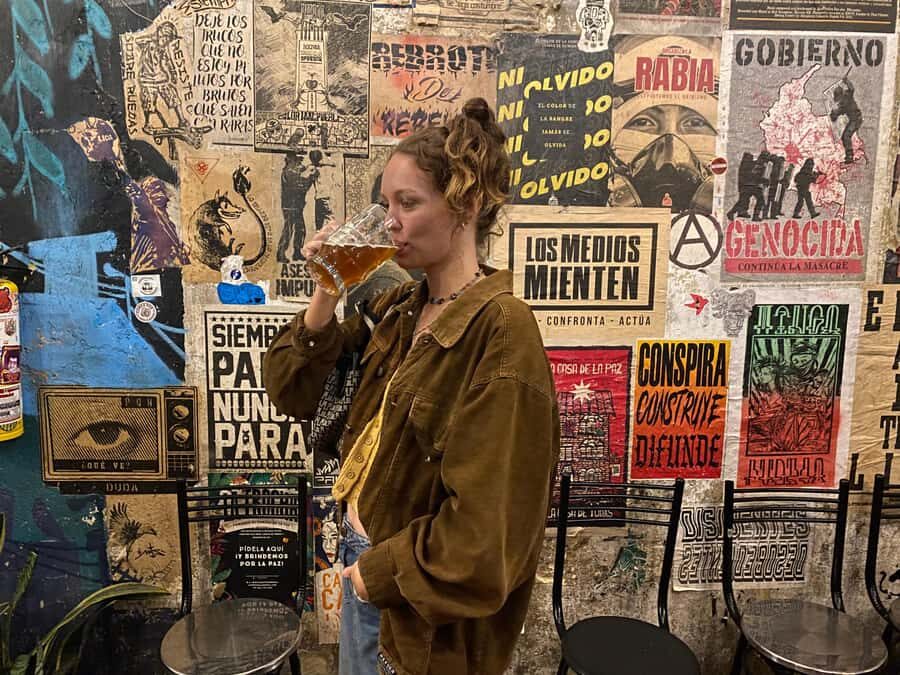
At about $42 per person for a 4-hour tour, the value comes from how much is included. You’re not just paying for a guide and a few streetscape photos. You’re getting a chicha workshop, a viche tasting, and an entry visit to Manu Chao’s former home, plus guided stops at historical sites.
That matters because Bogotá can be pricey when you start adding separate museum tickets, local workshops, and paid transport. Here, the structure is tight: you get multiple cultural moments in one afternoon, and most of the “cost” is bundled into the experience rather than added at the door.
The other part of the value is the group size. With a limit of 10 people, the guide can keep moving without turning it into a lecture for a crowd. You’ll still want to be comfortable speaking up with questions, since the tour relies on interaction, not passive watching.
If you're still narrowing it down, here are other tours in Bogota we've reviewed.
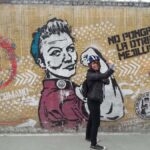
Where you start: Parque de los Periodistas and the Bogotá sign
The tour starts at Parque de los Periodistas Gabriel García Márquez, near the Bogotá sign. This is one of those details that sounds small until you’re standing in the wrong spot in a busy area. I’d treat the first meeting as your “warm-up”: arrive a bit early, get your bearings fast, and confirm you’re in front of the sign.
From the start, you’re moving through areas connected to resistance, independence, and everyday life. That also means the pacing is not the kind where you can linger for an hour at one viewpoint. If you’re the type who likes to slow down and chase extra photo angles, build in the reality that you’ll get some photo chances, but the schedule is doing its job.
What to bring is practical, not fancy: comfortable shoes, a hat, sunscreen, water, and your camera. The tour mixes walking with time in markets and plazas, so the wrong shoes turn 4 hours into a leg workout you didn’t plan for.
La Pola on the map: Policarpa Salavarrieta at the Monument stop
One of the smartest choices this tour makes is starting with a short but meaningful independence anchor: La Pola – Policarpa Salavarrieta Monument (about 15 minutes).
Policarpa Salavarrieta is a heroine tied to Colombia’s fight for independence, and the stop works like a theme-setting “chapter header.” You’re not spending a long time in a classroom. Instead, you get a quick guided framing that makes the rest of the tour click: resistance is not only a modern concept here. It’s a thread that runs through centuries.
The drawback is also simple: it’s only 15 minutes. So if you want deep, book-level context, you’ll need to do a little reading later. The tour gives you direction, not an encyclopedia.
Chorro de Quevedo Plaza and the chicha workshop you can’t fake
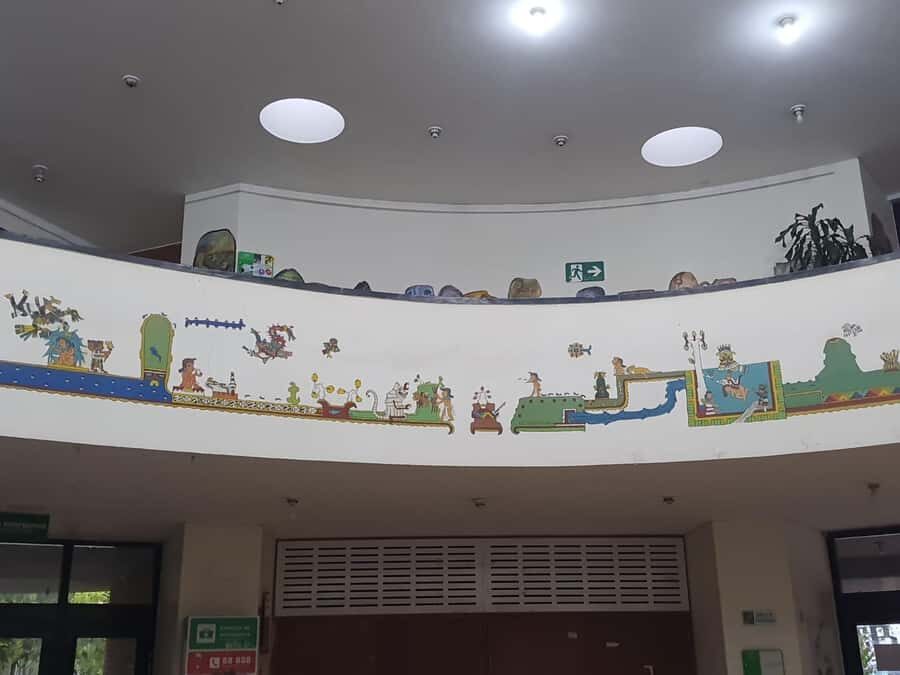
The heart of the experience starts in the Chorro de Quevedo Plaza area, then you move into the hands-on chicha workshop (about 1.5 hours total for this segment).
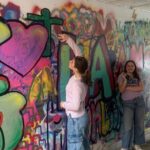
Chicha here is not treated like a quirky souvenir drink. You learn to make it as a traditional indigenous corn brew, and that hands-on part changes how you understand it. When you get involved in the process, it stops being a product and becomes part of a living culture.
You’ll also taste what you made. I recommend treating this as a full sensory moment: you’ll be thinking about ingredients and tradition, not just whether it tastes sweet or strong. Because it’s a workshop, expect a bit of mess and a bit of hands-on effort. Wear the comfortable shoes you packed.
Two practical tips:
- Go in with questions. The guide’s explanations matter most when you ask how the tradition survives alongside modern city life.
- Bring water and take breaks when you need them. You’re doing a walking tour that includes alcohol-like tastings, so pace yourself.
La Candelaria’s story behind Manu Chao’s former home
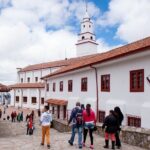
After the chicha workshop, the route heads to La Candelaria for the former home of Manu Chao. This is one of the stops I like in theory because it connects culture to place. The musician is known for reflecting on cities and social realities through music, and the visit focuses on how Bogotá’s streets shaped that inspiration—and how his time there left a mark on the city’s cultural scene.
Time here isn’t long compared with the other big segments, so it’s a “short stop with big meaning” kind of moment. You’re looking for atmosphere and context more than a long museum-style visit. If you enjoy places where art meets street life, you’ll likely enjoy this part a lot.
One thing to watch: La Candelaria can be busy. The tour helps by keeping you moving with a guide, but your comfort still matters. If you don’t like crowds, plan to keep your pace steady and let the guide handle the navigation.

Gold Museum area stop: why the modern city matters
Next comes a guided visit connected to the Gold Museum zone (around 30 minutes), labeled with the TransMilenio Gold Museum stop in the plan.
This part works best as a contrast piece. Earlier you’re dealing with independence and indigenous tradition. Then you hit a stop tied to how Bogotá presents national identity through museums and collections. Even without getting stuck in museum minutiae, you’ll be able to connect the idea: modern Colombia chooses how to remember the past, and museums are one of those choices.
The time is limited, so don’t expect a slow, personal museum day. If museums are your thing, you might want to come back later on your own with more time. If you’re just trying to understand the tour’s theme—tradition versus modernity—this stop is a useful mid-route checkpoint.
TransMilenio: seeing Bogotá through its busiest artery
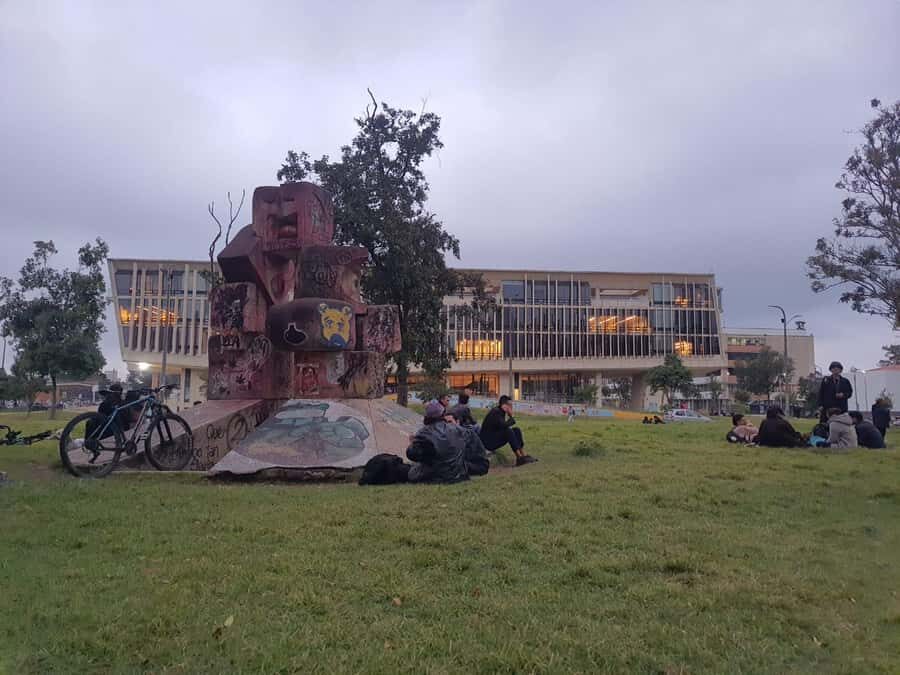
You’ll take public transport, including a TransMilenio segment (about 12 minutes) as you travel toward La Trocha Casa de la Paz.
This isn’t just transportation. It’s a real Bogotá experience. TransMilenio is part of daily life, and it shows you that the city doesn’t move like a postcard. It moves fast, crowded, practical. Taking it with the guide also reduces the stress of figuring out where to go next.
If you’re sensitive to crowded transit, keep that in mind. But if you want to understand Bogotá beyond the quiet streets, this ride makes the tour feel grounded.
La Trocha Casa de la Paz: viche, crafts, and ex-FARC peace builders
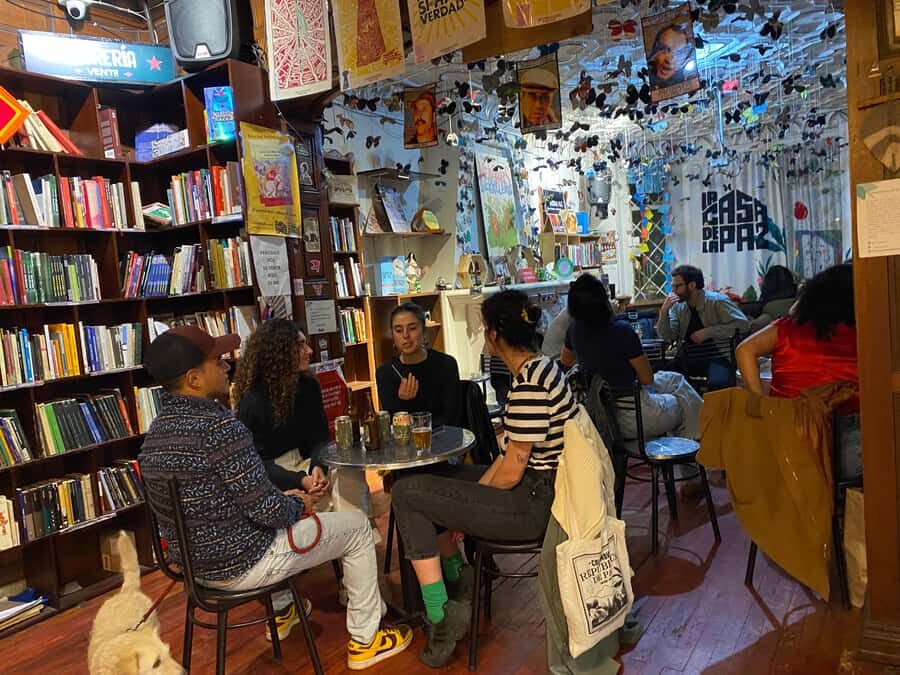
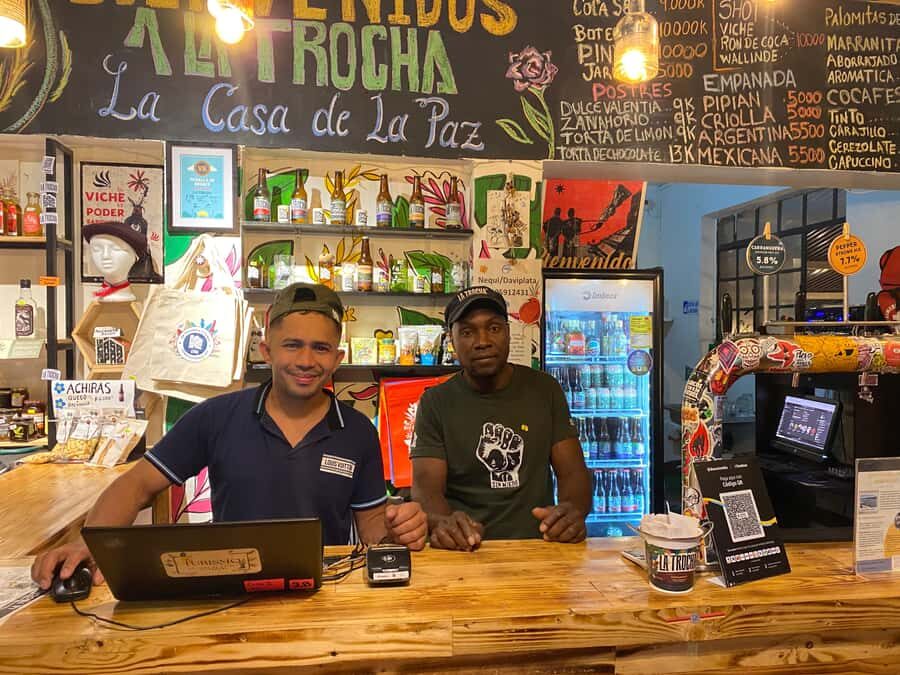
This is the tour’s emotional anchor: La Trocha, La Casa de la Paz (about 80 minutes). Here you meet former FARC combatants who are transforming their past into a mission for peace. The structure is part learning, part human exchange, and part market time.
You’ll visit an arts & crafts market, which is important because you’re not only hearing stories—you’re seeing work that supports a community. Then the tour includes a viche tasting, an ancestral sugarcane spirit. This is not positioned as a party drink. It’s presented as tradition, and it lands in a place where peace-building is the main topic.
The best way to get the most out of this segment is to treat it like a conversation, not a performance. You’ll probably want to ask how the work began, what changed in their daily lives, and what they think the rest of the country needs to understand. Guides here help you ask the right questions and keep the tone respectful.
The only drawback is straightforward: this stop is big and meaningful, so your attention has to be fully on it. If you’re tired, distracted, or expecting a purely lighthearted tour, you may not get the full value.
The role of the guide: Andrés, Michael, and Paula bring the tone into focus
A lot of what you’ll enjoy is about delivery. This tour’s guides have been praised for making the experience feel both informative and fun, especially during the workshop parts.
Names that come up in strong feedback include Andrés and Michael, with one highlight of Paula at La Casa de la Paz. The common thread is that the guide doesn’t treat the tour like a checklist. They connect the historical sites and the tastings to real stories of transformation.
If you’re the kind of traveler who likes clarity, ask questions at each stop. That’s when the tour’s tone clicks: resistance and resilience aren’t only explained; they’re shown.
Walking, tastings, and the one reality check to plan for
This is not a sit-down, low-effort tour. You’ll be on your feet across plazas and neighborhoods, and you’ll be tasting two traditional drinks (chicha and viche). If alcohol-based tastings or fermented flavors aren’t your thing, you can still go, but you should go with realistic expectations: part of the point is experiencing the culture, not only observing it.
Also, a small scheduling note: there’s been at least one comment that starting directly at La Trocha might feel smoother. Translation: the pace is mostly fixed, so don’t expect the route to be tailored to your personal preferences in the moment. You can still enjoy it, but go in ready for a structured 4-hour arc.
Who should book Anti-tour Bogotá (and who should skip)
Book this tour if you want:
- A Bogotá tour that prioritizes stories of resistance and resilience over only scenic overlooks
- Hands-on culture, not just a museum photo stop
- Real community interaction, including a place built around peace-building
- A small group experience in English
Skip it if:
- You dislike food-and-drink tastings as part of sightseeing
- You want a strictly classic “must-see landmarks” route
- You prefer zero conversation and minimal walking
Should you book this tour?
If your goal is to understand Bogotá as a living, complicated city—where independence-era courage, indigenous tradition, music, and peace-building all share the same streets—this is a strong choice. For $42, the inclusion of a chicha workshop, viche tasting, and entry to Manu Chao’s former home makes it feel like you’re buying time with context, not just tickets.
If you’re comfortable with interaction and you like learning through people and food, you’ll likely find the tour more memorable than a traditional checklist day.
FAQ
How long is the Anti-tour Bogotá?
The tour lasts 4 hours.
What’s the group size?
It’s a small group limited to 10 participants.
What language is the tour guide?
The guide speaks English.
What’s included in the price?
The tour includes a hands-on chicha workshop, viche tasting, personal stories of transformation, entrance to Manu Chao’s house, and guided visits to historical sites.
Does the tour use public transportation?
Yes. The itinerary includes travel using TransMilenio and public transport for a short segment (around 12 minutes).
Where do I meet the guide?
You meet at Parque de los Periodistas Gabriel García Márquez, in front of the Bogotá sign.
What should I bring?
Bring comfortable shoes, a hat, a camera, sunscreen, and water.
Is free cancellation available?
Yes. You can cancel up to 24 hours in advance for a full refund. There’s also a reserve now & pay later option.