REVIEW · BOGOTA
Rent a local friend in Bogota
Book on Viator →Operated by Zebra Fisgona Tours · Bookable on Viator
A local friend changes Bogotá fast. This experience is built around a private, adjustable day with a local who knows where to go and how to read the city on your behalf, and it often pairs Bogotá’s historic landmarks with food stops that you would skip if you were winging it. The only real catch: you’ll handle extra purchases on your own, like meals, snacks, drinks, museum entry, or shopping.
You can choose a 4-, 6-, or 8-hour plan, and some options include transportation while others are more walking-and-transit friendly. I also like the simple rhythm: it starts at a set meeting point in Bogotá and ends back there, so you’re not forced into a stressful scramble once you’re done.
In This Review
- Key things to know before you go
- Rent a local friend in Bogotá: what makes it different
- Price and time: how $65 fits 4 to 8 hours
- Walking, transport, and planning your energy level
- Historic district, landmarks, and the graffiti art angle
- Markets for Colombian fruit, juice, and real local food
- Shopping and nights out: from boutique finds to cocktails
- How guides make the day feel personal (not tour-machine)
- What to do before the tour starts so it goes smoothly
- Who should book this (and who should consider another option)
- Should you book Rent a local friend in Bogotá?
- FAQ
- How much does the Bogota rent a local friend tour cost?
- How long is the tour?
- Is transportation included?
- Is this a private tour?
- Do you include insurance?
- Can I bring a service animal?
Key things to know before you go
- Private, just your party: no mixed-group pacing, no awkward waiting around for stragglers.
- Food can lead the day: fruit tasting, local gastronomy, and foodie-focused stops are a major theme.
- History plus street art: you get the landmarks angle and the graffiti/art side, not just one or the other.
- Shopping and nightlife options: the day can shift toward restaurants, cocktails, and evening fun.
- Guides you can actually talk to: many plans start with questions and interest-matching (people mention WhatsApp planning).
- Optional transport: you can match the day to your energy level and comfort with walking.
Rent a local friend in Bogotá: what makes it different
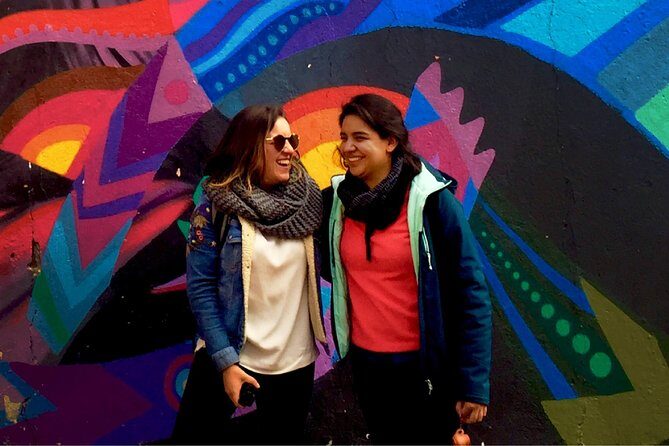
This is less about following a scripted route and more about getting a person who can act like your local translator, problem-solver, and itinerary editor in real time. That matters in Bogotá, where neighborhoods can feel like different worlds even when they’re relatively close.
The “rent a friend” idea isn’t just a slogan. Guides like Aleja and Juani show up as warm, chatty humans first, then turn into practical guides second. People describe the planning as personal: someone asks what you want to see, what you do not want, and then builds a day that fits how you like to travel. That’s why the experience works for solo travelers who want comfort and confidence, and also for couples who want a shared pace.
One detail I appreciate: the tour is set up as a private experience. You’re not negotiating your time with strangers or trying to herd anyone through a museum or market. If you want extra time at a fruit stall or you’d rather swap museums for street art, you’re usually not fighting the schedule.
If you're still narrowing it down, here are other tours in Bogota we've reviewed.
Price and time: how $65 fits 4 to 8 hours
At $65 per person, you’re paying for someone to handle navigation, local context, and the “what should we do next” decisions. It’s not a low-cost tour in the sense of group shuttles and budget schedules, but it can still be good value if you think about what you’re replacing.
You’re effectively buying three things:
- Local guidance so you don’t spend your limited vacation time figuring out where to go
- Time saved through smart stop selection (especially in areas where signage and context aren’t obvious)
- Comfort and confidence, which can be worth real money if you’d rather not wander on your own
Duration choices (4, 6, or 8 hours) also matter. Four hours is great if you want a tight hit of history plus one food or art block. Six hours is the sweet spot for most people who want to mix markets and landmarks without feeling rushed. Eight hours is where shopping, restaurants, and possibly evening energy can fit in without you feeling like you’re sprinting.
One practical note: the tour includes tour insurance and is private, but it does not include additional purchases. In practice, that means the final cost depends on how much you snack, drink, shop, or pay for tickets.
Walking, transport, and planning your energy level
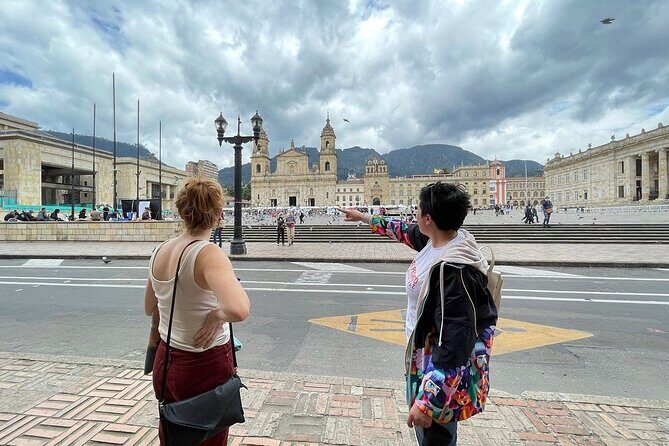
Bogotá has hills and big distances, so the “with or without transportation” choice is more than convenience. It’s about how you want to spend your attention.
If you pick the walking/transit-friendly version, you’ll likely be more flexible and spend more time “in between” neighborhoods as part of the experience. If you pick the option with transportation, you’re buying smoother logistics so your day stays focused on the stops you chose.
From the way guides describe their approach, the best outcomes often come when you tell your guide your comfort level up front. People mention guides being willing to adjust if you want more walking, less walking, or a specific focus like art or food. If you’re traveling for work or only have a day to reset, 6 hours with transport is an easy way to avoid the common problem: arriving tired and hungry, then missing the fun.
Also, since this ends back at the meeting point, you’ll want to pick a meeting area that’s convenient for the rest of your day. Being near public transportation helps too, so you’re not trapped if you need to switch plans.
Historic district, landmarks, and the graffiti art angle
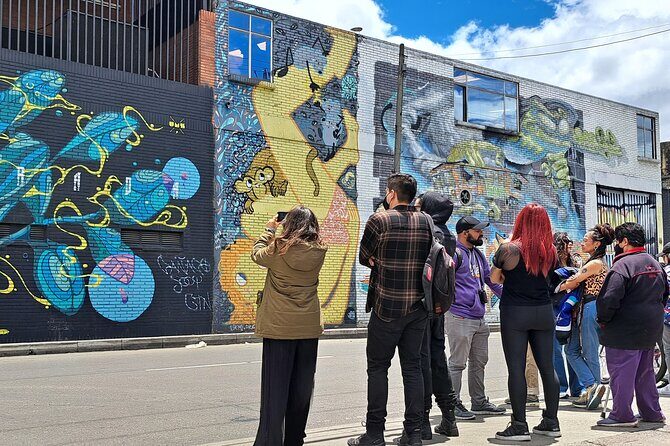
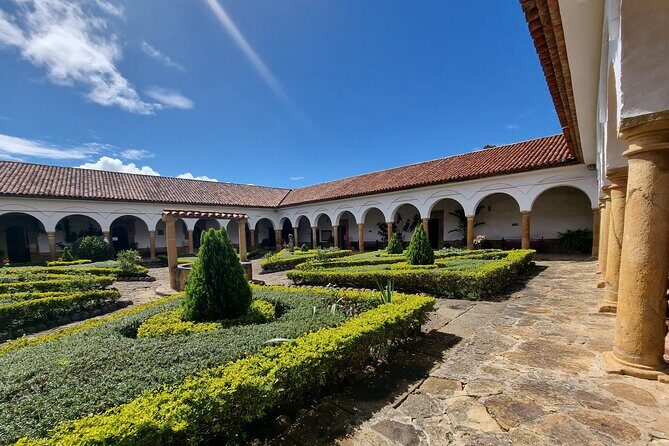
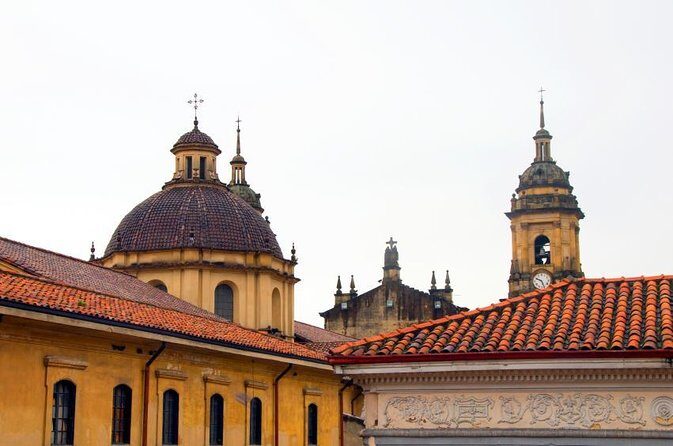
One of the core themes is Bogotá’s historic district: landmark sights, the older streetscape, and the city’s visual edge through graffiti and street art. This is a smart pairing, because history alone can feel like a museum lecture, while street art alone can feel like a scavenger hunt. Together, they explain the city’s layers.
Here’s what this block is typically good for:
- Orientation: you get your bearings faster, because landmarks give you a mental map
- Perspective: you see how old Bogotá and modern expression talk to each other
- Photos that make sense: you’re not just snapping corners; you’re capturing a story
A possible drawback is pacing. Historic areas can pull you into long stops—especially if you end up leaning into churches, museums, or viewpoints. If you’re short on time, choose the “landmarks first, then art” order, and tell your guide you want the art scene without getting stuck on the slowest option.
When guides share their knowledge, it tends to be practical, not a textbook dump. People describe tours with visits to important churches and museums, plus art areas that feel alive rather than staged. That’s where a local friend really earns their fee: they decide what’s worth your minutes.
Markets for Colombian fruit, juice, and real local food
If you love eating while you travel, this is where the day starts paying off fast.
The food focus isn’t just one restaurant meal. The idea is to taste Colombian fruits and local gastronomy, often with market stops where you can try multiple flavors in one go. Guides commonly steer you toward places where the choices are both abundant and approachable, so you don’t end up ordering the safest thing out of stress.
What makes these market moments special in Bogotá is variety. You might get introduced to fruits you didn’t recognize before and get guided through how they’re prepared or served. People also mention trying things like arepas, empanadas, juices, and other regional favorites, plus the kind of “just order this” guidance that saves you from guessing.
If you want a foodie day, tell your guide early. The more specifically you say what you like—sweet fruits, coffee, savory bites, desserts—the more likely your guide can map your day around it.
The main consideration here is hunger and budget. Come hungry, and expect you’ll want to keep sampling. Since additional purchases aren’t included, markets can quietly become the biggest line item of the day. Still, it’s a good use of money because food is the quickest way to learn a place.




Shopping and nights out: from boutique finds to cocktails
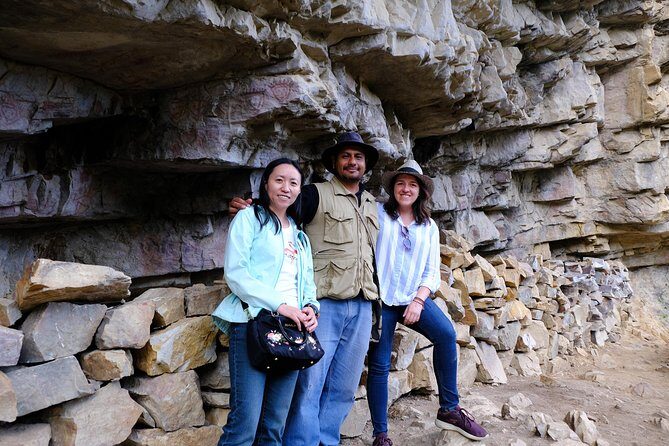
Another strength of this experience is flexibility. One part of the day can turn toward shopping or good restaurants, then shift again if you decide you’d rather end with cocktails or a nightlife vibe.
In practical terms, this is useful because shopping and evening plans are where most visitors run into friction:
- You don’t know which areas feel safe and worth the time
- You don’t know what to buy or where to browse
- You don’t know how to order what you’ll actually enjoy
A local friend helps with all three. People describe guides helping with fashion choices, translating, and even picking restaurants where the menu matches your tastes. There are also stories about experiencing Colombian culture through activities your average visitor might not find easily.
Nightlife and cocktails can be part of an 8-hour day, especially if you’ve chosen a route with enough breathing space. If you’re not into late nights, keep it daytime-focused: shopping and restaurant stops still give you a strong sense of the city without risking you losing energy.
Potential downside: nightlife can pull you into “one more place” mode. If you’re on a schedule—dinner reservation elsewhere, an early morning flight—set a time limit early with your guide.
How guides make the day feel personal (not tour-machine)
The best part of this whole concept is how guides manage your attention. People describe pre-planning through WhatsApp, where the guide asks about interests and then builds a personalized schedule. They also talk about being responsive if plans change mid-trip.
That matters because your first day in Bogotá is usually a mental flood: altitude, new neighborhoods, traffic patterns, language surprises, and the constant question of where you should go next. A friend-style guide cuts that noise down.
Some guides you may run into include:
- Aleja, mentioned for art, history, markets, and big “how would I even find this” moments (including churches tied to notable locations)
- Juani, mentioned for fashion/shopping support, food-focused days, and plans that feel tailor-made
- Felipe and others, described as guiding museum visits and pairing them with market and neighborhood stops
You’ll also see a recurring theme: options. Guides tend to give you a menu of choices instead of forcing one route. That’s why the tour can work for different styles—art lovers, foodies, shoppers, solo travelers, and couples.
What to do before the tour starts so it goes smoothly
This is one of those rare tours where preparation actually improves the experience a lot. Since you’re paying for a person’s time, you get more value when you help them help you.
Here’s how I’d approach it:
- Send a short list of what you care about: history, street art, market food, shopping, coffee, cocktails, museums.
- Add one thing you do not want. Guides seem to handle this well, and it keeps the day from becoming a “default itinerary.”
- Decide your pace. Tell them if you want walking, less walking, or a driver-backed day.
- Think about your spending comfort. Because additional purchases aren’t included, it helps to know what you’re okay paying for snacks, drinks, and shopping.
If you’re solo and want extra reassurance, say so. Multiple guides are described as making people feel safe and comfortable navigating markets and squares.
Finally, book earlier than you think you need. This type of experience is commonly booked around 22 days in advance, so grabbing your preferred time window sooner is smart.
Who should book this (and who should consider another option)
This works especially well if you:
- Want a private day and hate group-tour pacing
- Are visiting for the first time and need fast orientation
- Love food and want market tastings, not just one restaurant stop
- Want a mix of landmarks and street art, plus room for shopping or nightlife
- Prefer talking with a real person who can adjust your plan
You might choose something else if you:
- Want a fully guided experience with zero decision-making
- Prefer fixed museum timing and don’t want your day adapted to your mood
- Have a very tight budget for food and shopping, since the day naturally encourages extra spending
Still, even budget-conscious people can often control the spend. You’re in charge of what you buy, and your guide can steer you toward smaller tastings rather than expensive sit-down meals if you ask.
Should you book Rent a local friend in Bogotá?
Yes, if you want Bogotá to feel human, not mechanical. This is one of those rare experiences where the value is not just in the places you visit, but in how quickly you can understand the city once you’re there.
Book it if you’re coming for art, food, and neighborhoods, and you like the idea of a day that can bend with your interests. The private format and the option for transport make it practical for different mobility levels and time constraints.
Skip it only if you want a rigid checklist with no flexibility. Otherwise, this is a strong way to spend a first, second, or even last day in Bogotá—especially if you’d rather spend your time eating, looking, and chatting than figuring out logistics.
FAQ
How much does the Bogota rent a local friend tour cost?
The price is $65.00 per person. Extra purchases for food, drinks, shopping, or anything you choose to buy are not included.
How long is the tour?
You can choose a 4-, 6-, or 8-hour experience. Most plans fall within that range.
Is transportation included?
It depends on the package you select. There are options that include transportation and options without it.
Is this a private tour?
Yes. It is a private experience for just your group.
Do you include insurance?
Yes. Tour insurance is included, along with the private tour.
Can I bring a service animal?
Yes. Service animals are allowed, and the experience lists that most travelers can participate.