REVIEW · BOGOTA
Bogota: Coffee Tour, Filtration and Espresso Experience
Book on GetYourGuide →Operated by Jaguar Tours Agency · Bookable on GetYourGuide
Coffee and technique in one short session
If you like the idea of learning by tasting, this Bogotá coffee tour at Jaguar Coffee House is a fun mix of filtration and espresso in just 45 minutes. I like the clear focus on how different methods change the cup, and I also like that you try both pour-over style brewing (Chemex, V60) and espresso basics like extraction balance and crema. One thing to consider: at this price and time length, it can feel brief if you want deeper roasting or farm-level storytelling every minute.
You meet near Chorro de Quevedo Plaza, in a blue house with the Jaguar logo, and you can expect instruction in Spanish or English from a barista expert. In one review, Jorge (a guide mentioned by name) explained coffee production processes and was friendly, so you’ll likely get more than just technique talk. Still, if you’re caffeine-sensitive, this is not permitted, and if you want lots of food or a long hang-out, you may find the experience too focused on drinks only.
In This Review
- Key things to know before you book
- Coffee class vibes near Chorro de Quevedo Plaza
- What you actually do in 45 minutes: filtration first, then espresso
- Chemex and V60 filtration: how technique shows up as flavor
- Espresso extraction and crema: what balance feels like
- Tasting flight: picking your flavor lane (without overthinking it)
- Price and value: $32 for technique plus real tasting
- Who this is best for (and who should skip)
- Practical tips to get the most from the workshop
- Should you book this Bogotá coffee experience?
- FAQ
- How long is the coffee filtering and espresso experience?
- What does it cost and is food included?
- Where is the meeting point?
- What coffee methods are included?
- What should I bring?
- Is this tour suitable for kids?
- What languages do the instructors speak?
- Can I cancel and can I pay later?
Key things to know before you book
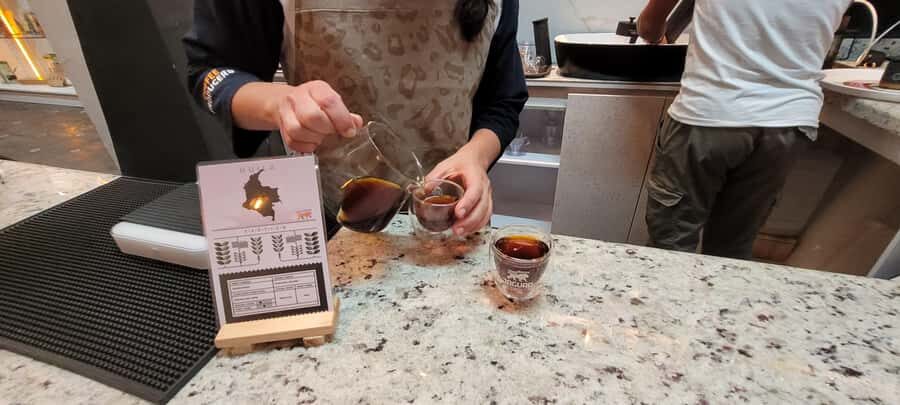
- Chemex and V60 get covered as two different filtration approaches with flavor consequences
- Espresso extraction and crema are taught as a balancing act, not just a machine demo
- A tasting flight helps you map flavors from fruity and floral to earthy and spicy
- Expert baristas guide the process, with at least one instructor (Jorge) called out for strong explanations
- 45 minutes keeps it efficient, which is great for time-crunched days but not for slow learners
- Private group means you should get more attention than in big group workshops
Coffee class vibes near Chorro de Quevedo Plaza
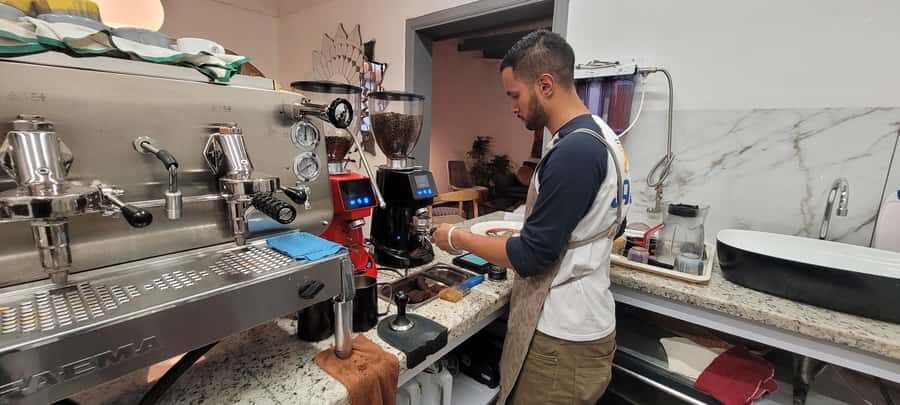
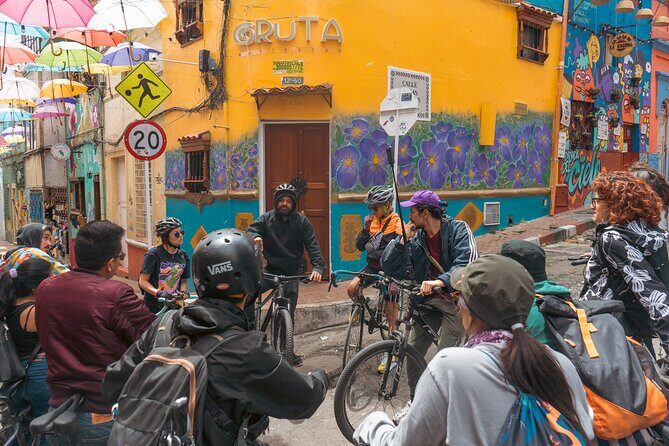
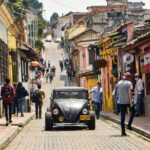
This workshop is easy to plug into a day around La Candelaria. Your meeting point is very near Chorro de Quevedo Plaza, inside a blue house marked with the Jaguar logo. That matters because you won’t waste your precious coffee time figuring out where the “secret” entrance is.
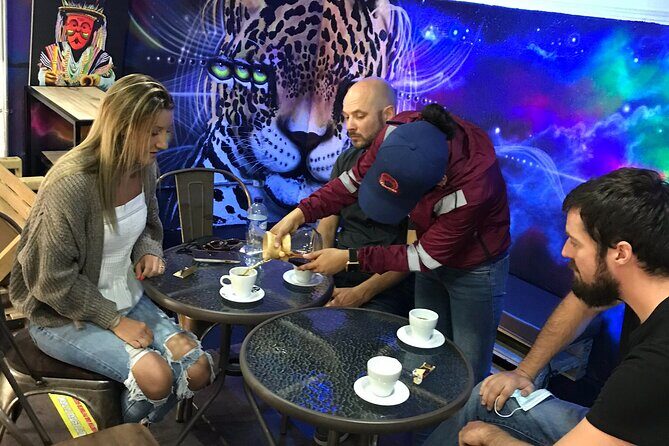
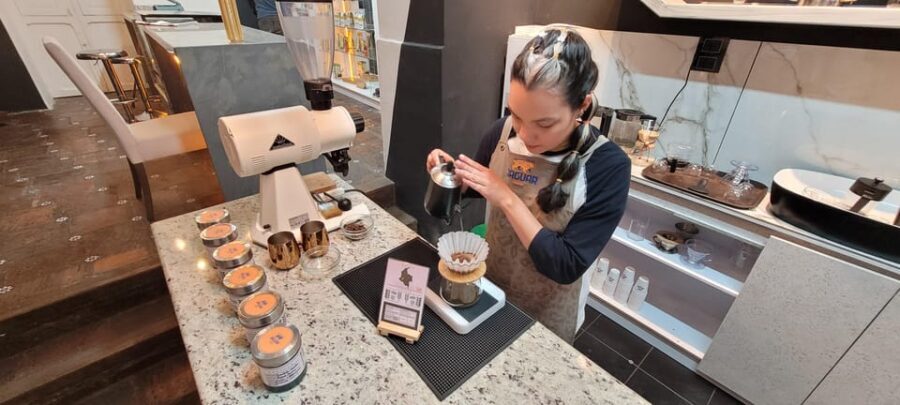
The setting is coffee-forward from the start: you’re not sent to a back room with a menu and a shrug. You’re there for a hands-on style of learning, with an instructor and an espresso machine involved, plus “resources” provided during both the filtration and espresso parts. In plain terms, you get guided time, not just passive watching.
Also, the workshop runs with instruction in Spanish and English, and it’s organized as a private group. Even if your group is small, that format typically makes it easier to ask questions about what you’re tasting and why the same coffee can land differently in different brews.
Other coffee farm and tasting tours from Bogota
What you actually do in 45 minutes: filtration first, then espresso
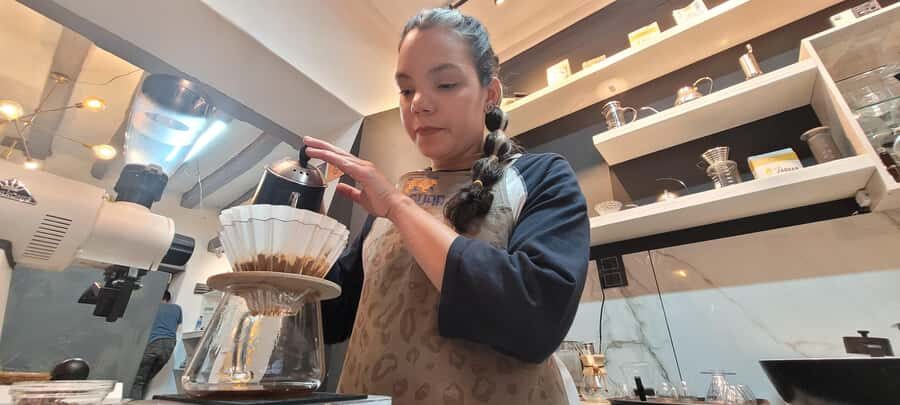
The whole experience is scheduled for 45 minutes, which tells you the tone: focused and practical, not a long lecture. You start with a filtration workshop that takes you from origin basics to what shows up in the cup, then you move into espresso preparation, focusing on extraction and how to get balance and crema.
Here’s the value of that order. Filtration methods usually make it easier to notice brightness, fruit, and floral notes because you’re controlling how hot water meets coffee through paper or style-specific flow. Once you understand that, espresso becomes easier to interpret. You’re not just learning a recipe, you’re learning how concentration and extraction time change flavor and body.
You’ll also taste a range of coffees during the session, with notes described as fruity and floral tones up through earthy and spicy flavors. That tasting element is the key to making the class stick. Even if the technical explanations are fast, your palate gets a reference set you can remember later when you order coffee in Bogotá.
Chemex and V60 filtration: how technique shows up as flavor
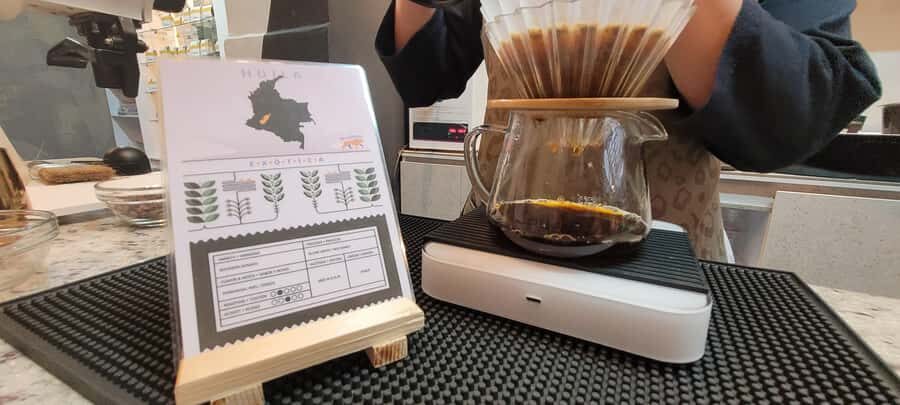
On the filtration side, you’ll specifically work with Chemex and V60. That’s important because these two popular methods can sound interchangeable until you actually pay attention to how they brew. With filtration, small changes can strongly affect perceived sweetness, clarity, and how long flavors linger.
In this workshop, the point isn’t that one method is always better. It’s that each method tends to highlight different parts of the same coffee. You’re learning a cause-and-effect skill: change the brew approach, and your cup can shift from lighter, delicate notes toward something that feels heavier and more structured.
A practical way to get the most out of this part is to track two things in your head while you taste:
- Aroma on first sip (does it lean floral, fruity, or more earthy?)
- Finish (does it feel clean and light, or thicker with more spice/earth?)
If you pay attention to those two signals, you’ll start to “read” the coffee instead of just ranking it. That’s the kind of takeaway you can use when you walk into a café later and see a menu with unfamiliar brewing words.
Espresso extraction and crema: what balance feels like
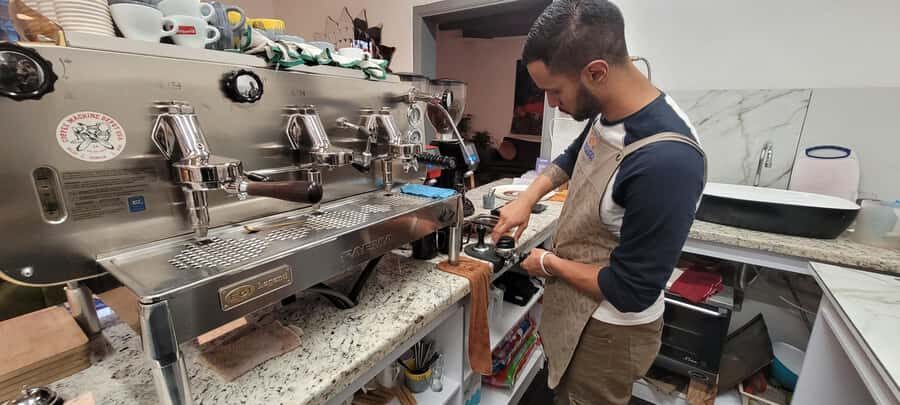
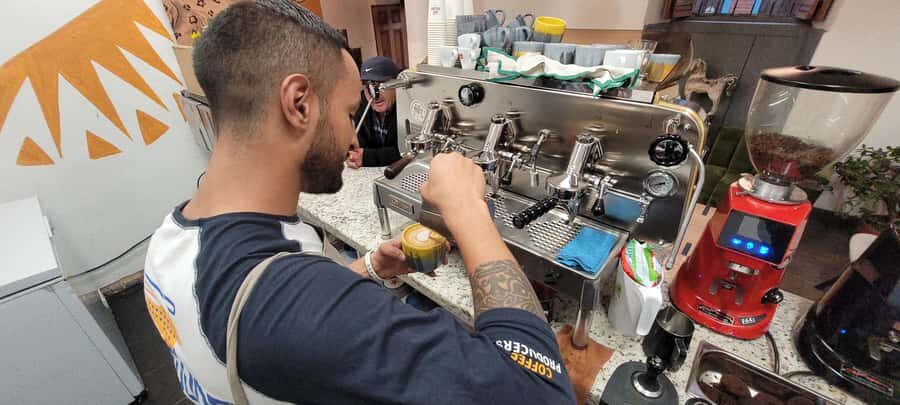
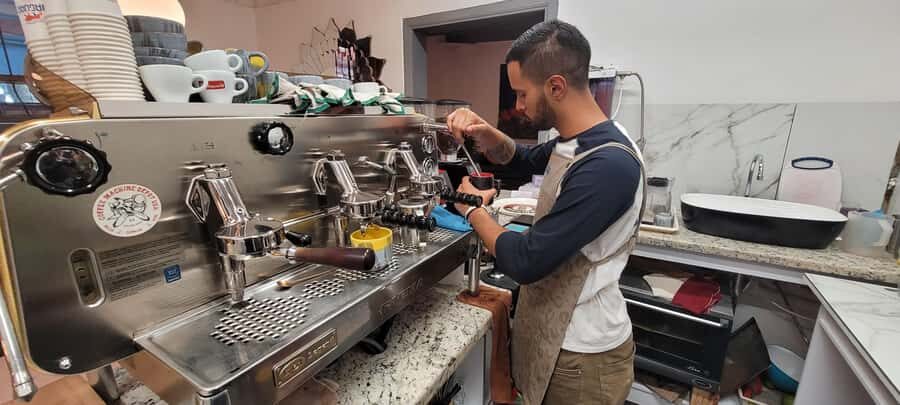
Then you move to espresso, where the class focus shifts from paper-filter clarity to intensity and body. The workshop teaches you how to extract a balanced espresso, with a rich aroma and silky crema as part of the goal.
If you’ve ever had espresso that tasted harsh or hollow, this is the section that helps you understand why. Espresso is less forgiving because everything happens fast: dose, grind size, and extraction time all affect the final cup. Even without getting lost in engineering terms, you’ll leave with a better sense of what “balance” tastes like.
Crema is part of that. It’s not magic, but it does correlate with how the shot is pulled. If you get a shot with a good crema and a stable flavor profile, you can often taste more sweetness and less bitterness. If you miss the balance, bitterness and dryness can show up quickly.
The “resources” and barista coaching during the espresso portion are a big deal here. Espresso is the easiest place to get overwhelmed, especially in a short 45-minute window. Guided help keeps you from just pressing buttons and hoping.
Tasting flight: picking your flavor lane (without overthinking it)
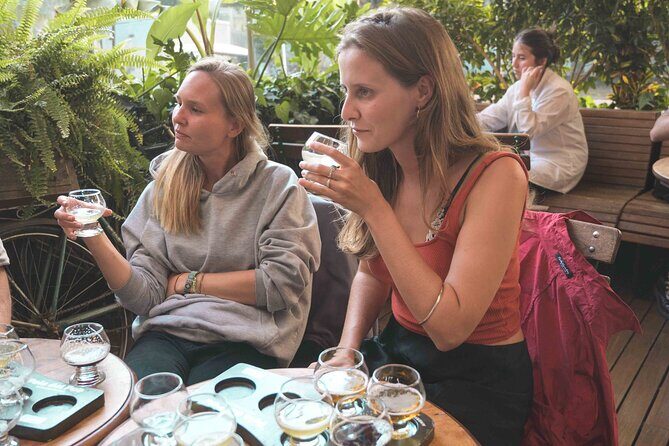
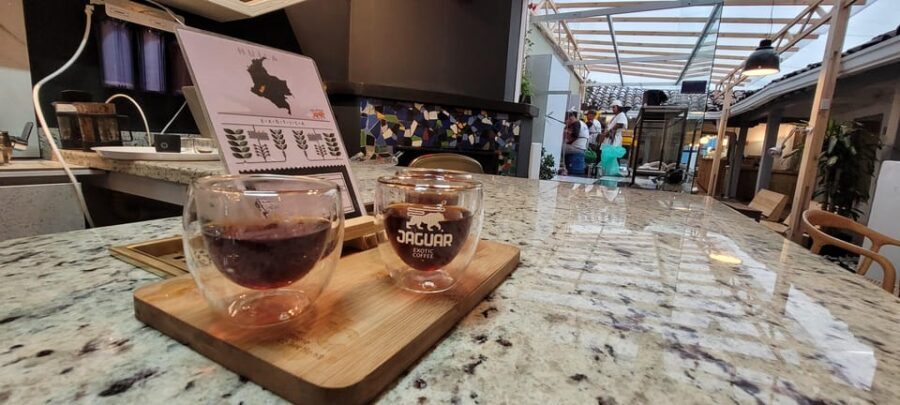
One of the strongest parts of this workshop is the chance to sample multiple coffees with different flavor directions. The tasting is described as ranging from fruity and floral characteristics to earthy and spicy ones. That’s a wide enough range to help you figure out what you actually like.
This matters because coffee advice online can be messy. If you don’t know whether you prefer brightness or depth, it’s hard to pick the right bag later. During this class, you’re essentially doing palate calibration. By the end, you should have a clearer favorite profile.
Here’s a simple way to use the tasting time well:
- Try to describe each coffee using just two words (like fruity-smooth or earthy-spicy)
- Note how the flavors change from first sip to aftertaste
- Don’t chase the most intense cup if it doesn’t feel good to drink
That approach keeps the tasting fun and not like an exam. And it aligns with what’s been praised most in reviews: the sensory experience and the variety of flavors and smells.
A few more Bogota tours and experiences worth a look


Price and value: $32 for technique plus real tasting
At $32 per person for 45 minutes, the value depends on what you want. If you’re looking for a quick, structured introduction to coffee brewing, this is priced in a way that can make sense. You get both filtration learning and an espresso portion, plus tasting variety, plus expert instruction.
What you don’t get is the kind of slow, long-form experience where every detail is unpacked for a long time. One review called out that the session felt not worth the price because explanation felt limited and it ran quickly. That doesn’t mean it’s always like that, but it’s a fair warning if you’re the type who wants deep storytelling over hands-on technique.
So here’s the bargain strategy:
- If you love coffee and want hands-on taste education, this is likely a good use of your time.
- If you want a long workshop with lots of chatting and farm history, you might feel rushed.
- If your priority is just caffeine and a nice spot, you may prefer buying a cup and staying longer instead of treating it like a lesson.
Given the format, I’d frame it as a “method sampler.” You’re paying for practical understanding, not a day-long immersion.
Who this is best for (and who should skip)
This workshop is best for adults and older kids who like learning through senses. It’s not permitted for caffeine-sensitive people, because you will be drinking coffee during the session.
It also has clear suitability limits:
- Not suitable for children under 10
- Not suitable for people with mobility impairments
- Not suitable for wheelchair users (and electric wheelchairs are not allowed)
- Not suitable for visually impaired people
- Not suitable for people with motion sickness
- Not suitable for hearing-impaired people
If you’re sensitive to sensory input, also note the “not allowed” rules: no smoking, no vaping, and no strong fragrances. That’s mainly about keeping the room comfortable while tasting aromas, which is the whole point of a coffee sensory class.
On the upside, the language support (Spanish and English) and the private group setup make it easier for you to follow along and ask questions. If you’re traveling with someone who’s curious but not a coffee nerd yet, this format often works well because tasting does a lot of the teaching.
Practical tips to get the most from the workshop
You’ll want to show up prepared, because this experience is short and focused. Bring a passport or ID card, a camera if you like photos, comfortable clothes, and a hair tie if you have long hair. Also, skip perfume and anything with a strong smell since strong fragrances are not allowed.
Wear something comfortable. You’ll be in a coffee-focused setting around the espresso machine and filtration setup, which can involve standing and close attention to aroma and texture. And if you’re worried about caffeine, this one is explicitly not for you.
One more smart move: during tasting, don’t over-police your preferences. The class is helping you notice differences. If you try a coffee you don’t love, that’s still useful information because you’re learning what to avoid when you order later.
Should you book this Bogotá coffee experience?
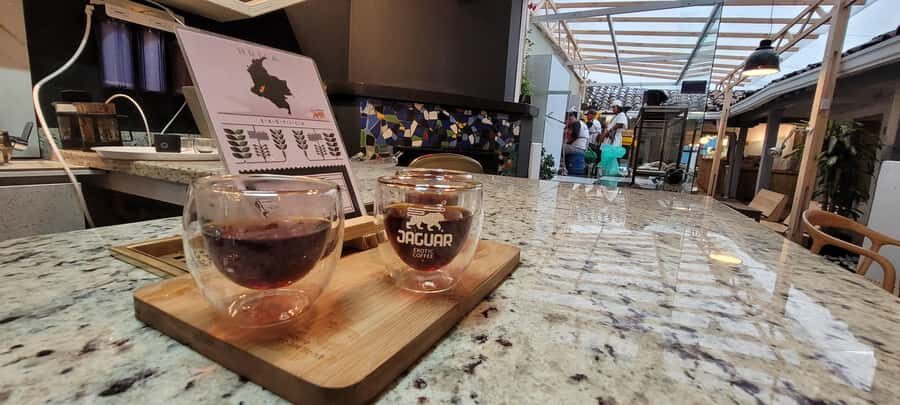
I’d book it if you want a fast, structured coffee lesson in Bogotá, with both filtration (Chemex, V60) and espresso extraction plus a guided tasting flight. It’s a solid value when your goal is practical skill and quick palate education, especially if you only have a small window in your itinerary.
I’d hesitate if you expect a long, story-heavy workshop or if you’re the type who needs lots of explanation time. At 45 minutes, the experience moves, and at least one review suggested the explanation didn’t feel like enough for the money. Also skip it if you’re caffeine-sensitive or fall into any of the listed unsuitability categories.
If your ideal trip day includes learning by tasting, this one is worth it.
FAQ
How long is the coffee filtering and espresso experience?
The experience lasts 45 minutes.
What does it cost and is food included?
It costs $32 per person, and food is not included.
Where is the meeting point?
You meet very near Chorro de Quevedo Plaza, at a blue house with the Jaguar logo.
What coffee methods are included?
You’ll have a filtration experience using methods such as Chemex and V60, and you’ll also do an espresso experience with an espresso machine.
What should I bring?
Bring your passport or ID card, a camera, comfortable clothes, and a hair tie if needed.
Is this tour suitable for kids?
It’s not suitable for children under 10 years.
What languages do the instructors speak?
Instruction is available in Spanish and English.
Can I cancel and can I pay later?
You can cancel up to 24 hours in advance for a full refund, and you can reserve now and pay later (pay nothing today).