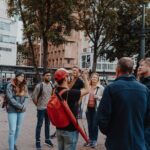
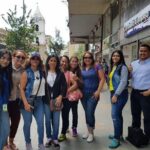
You can taste Bogotá’s culture in two hours. This coffee and chocolate tour pairs specialty roasters with a regional cacao tasting, taught by guide Lina, in a small group setting. I especially like the structured tastings that feel like a mini wine lesson, and the way you get both the coffee process story and the cacao taste story in one route. One thing to consider: it is not a long, sit-down meal tour, so if you want hours of wandering and full courses, this will feel focused rather than slow.
The pace is brisk in a good way. You’ll hop between three places—Libertario Coffee Roasters, Casa Café Cultor, and Chuculat—then wrap up with chocolate samples made from cacao grown across Colombia. It’s a handy way to get your bearings in the Chapinero/Zone G food zone while learning what you’re actually tasting.
Because the group is capped at 10 people and it’s commonly booked ahead (about 25 days), I recommend booking sooner rather than later if your dates are firm. Also, the tour includes pickup/drop-off, which is a big time-saver in a city where neighborhoods can feel far apart.
In This Review
- Key highlights worth centering on
- A small-group coffee and cacao walk in Bogotá’s Zone G
- Libertario Coffee Roasters: roasting, varieties, and your first tasting
- Casa Café Cultor: brewing methods that change the cup
- Chuculat: tasting regional cacao, not one generic bar
- What you learn about Colombian coffee and cacao (and how it changes your orders)
- Price and value: why $59 can make sense in Bogotá
- Timing, walking, and how to plan your day
- Who should book this tour, and who might skip it
- Should you book this Coffee and Chocolate tour in Bogotá?
- FAQ
- FAQ
- How long is the Coffee and Chocolate tour in Bogotá?
- What is included in the price?
- Where does the tour start and where does it end?
- Which places are visited during the tour?
- How big is the group?
- Is the tour near public transportation?
- Are service animals allowed?
- What is the cancellation policy?
Key highlights worth centering on
- Small group (max 10 people): more questions, less waiting, and tastings don’t feel rushed
- Lina’s teaching style: she uses a chart and walks you through roasting, varieties, smells, and tastes
- Coffee like a wine tasting: you’ll compare flavors and learn why brewing changes the cup
- Regional cacao in one stop: Chuculat spotlights how where cacao comes from affects chocolate
- Hotel pickup and drop-off: less logistics stress, more time for tasting and walking
A small-group coffee and cacao walk in Bogotá’s Zone G
This is a smart 2-hour plan if you want real flavor education without a full-day commitment. Instead of doing random café hopping, you get a guided route with stops designed around tasting. That matters because coffee and chocolate are slippery topics: if you just try a few cups and bars, you’ll remember what you liked, but you might not know why.
What you’ll do here is simple. You meet at Libertario Coffee Roasters on Calle 70a, then you move through two specialty coffee stops and finish at Chuculat for cacao samples. Along the way, Lina ties the tastings to Colombian growing regions and processing choices, so you start spotting patterns instead of guessing.
I also like that the tour is built for practical participation. It’s listed as suitable for most travelers, service animals are allowed, and the start/end areas are near public transportation. If you’re doing other Bogotá sightseeing that day, this fits well because it’s short and focused.
Other coffee farm and tasting tours from Bogota
Libertario Coffee Roasters: roasting, varieties, and your first tasting
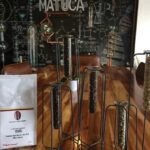
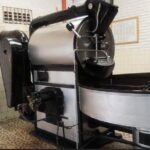
Your tour starts at Libertario Coffee Roasters (Calle 70a). This first stop is where you get your tasting foundation. You’re not just handed a cup; you’re shown how specialty coffee is built—starting with what happens before it even reaches the cafe.
Lina’s format here is especially useful. She’s known for using a chart that explains coffee varieties, roasting methods, and what flavors those choices can lead to. Think of it as setting up a tasting map in your brain. Once you understand the basic signals, every next coffee becomes easier to describe and compare.
You’ll also get your first coffee tasting at this stop. The experience is paced so you can notice differences in aroma and taste, not just swig and move on. That can be surprisingly helpful if you usually drink coffee by habit (sweet, milky, strong) rather than by flavor notes.
One practical note: if you’re sensitive to caffeine, plan your day accordingly. The tour includes two tastings across the coffee stops, and you’ll likely want time to really taste rather than rush.
Casa Café Cultor: brewing methods that change the cup
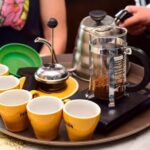
The second coffee stop is Casa Café Cultor. This is where the tour shifts from bean choices to brew choices. Same general idea—specialty coffee—but now you’re learning how preparation method changes the final taste.
This stop is short (about 35 minutes), and that’s part of the appeal. You get the key comparisons without the lesson turning into a textbook. Lina typically explains brewing differences and how they show up in the cup, and she’s praised for making the topic clear in great English.
Here’s the value for you: once you understand brewing methods, you stop treating coffee menus like mystery codes. You’ll start noticing patterns such as how a lighter roast can feel different in body than a darker roast, or how extraction changes brightness and smoothness. The tour doesn’t just hand you flavor; it gives you a way to read flavors on your next visit.
Also, the structure mirrors a wine tasting style—small samples, guided attention, then comparison. That’s a big reason so many people rate this tour so highly. If you’ve ever wished someone taught you how to taste instead of only telling you what you’re supposed to like, you’ll appreciate this.
Chuculat: tasting regional cacao, not one generic bar
The final stop is Chuculat, a Colombian chocolate shop focused on cacao from different regions. If coffee is about process and preparation, this part is about origin. You’ll taste chocolates made with cacao associated with multiple Colombian areas, and you’ll learn how regional differences can translate into distinct flavor profiles.
What I like here is the way the tasting is framed. People often think of chocolate as one thing: sweet, creamy, maybe bitter if it’s dark. This tour pushes you to think in layers: how cacao comes from a living plant, how growing conditions matter, and how that shows up in flavor.
Lina’s background here is part of why this stop lands. She’s known for explaining the cacao tree and the history of chocolate in a way that connects to what you’re tasting right now. You’ll finish with the kind of chocolate knowledge that actually changes what you buy next.
And yes, the tour includes chocolate tasting snacks here. So you’re not just learning in theory—you’re making comparisons with your palate.
What you learn about Colombian coffee and cacao (and how it changes your orders)
The best thing about this tour is that it turns tasting into skill. Even if you’re not a coffee nerd, you’ll leave knowing how to ask better questions at cafes and chocolate shops.
From the coffee side, the tour focuses on:
- Roasting choices and how they shape flavor
- Varieties and why not all coffees taste the same
- Brewing differences and why preparation can change sweetness, body, and brightness
From the cacao side, you get:
- Regional cacao inputs and how origin affects chocolate
- A stronger mental model for tasting chocolate, not just eating it
One detail from the tour’s feedback stands out: the tastings are described as similar to wine tastings. That comparison is practical. You’re not trying to memorize a list of notes. You’re learning how to notice aromas, identify impressions, and compare one sample against the next.
And because Lina is described as friendly and engaging, the teaching style matters. This doesn’t feel like a lecture. It feels like a guided conversation with structured tastings.
A few more Bogota tours and experiences worth a look


Price and value: why $59 can make sense in Bogotá
$59 for about 2 hours may sound steep if you’re only thinking about cups and bites. But look at what’s included.
You’re getting:
- A local guide (Lina)
- Two coffee/tea tastings at specialty roaster and specialty cafe stops
- Chocolate tasting snacks
- Hotel pickup and drop-off
- A route that’s built around learning, not just access
In Bogotá, you can find coffee and chocolate on nearly every corner. The question is: do you want to pay for ingredients, or do you want to pay for instruction? This tour is priced like an experience that compresses learning into a short time window. For many people, that’s the value: you get to avoid trial-and-error and start tasting with intention.
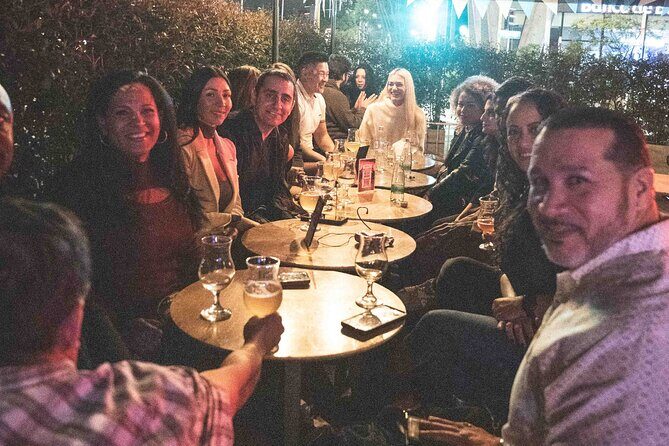
It also helps that the group is capped at 10 people. Smaller groups usually mean more attention during tastings, and that’s what people repeatedly praise here.
So my practical take: if you’re the type who likes to understand what you’re eating and drinking, this price has better justification than a basic food tour where you barely talk about flavor.
Timing, walking, and how to plan your day
Plan on about 2 hours total, give or take. The stops are short enough that you won’t feel stuck for half a day, but long enough to taste and ask questions.
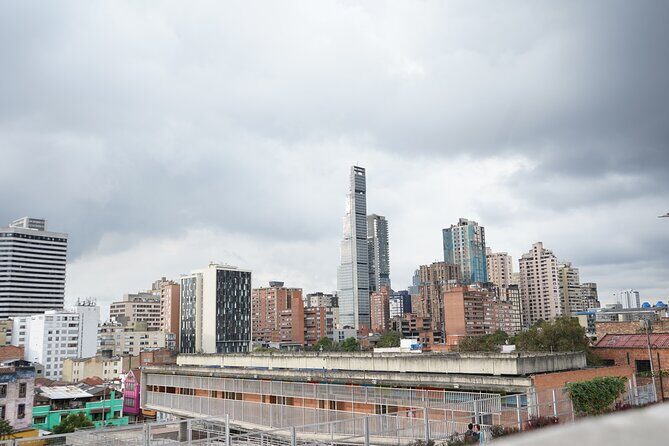
You’ll be moving between places in the Chapinero/Zone G area. Several reviews highlight the walk and the neighborhood vibe, which is a plus. If you wanted a tour that doubles as a quick neighborhood intro, this does that.
Pickup and drop-off are included, which helps a lot if you’re trying to keep your Bogotá schedule clean. If you prefer to walk on your own later, you can still do that, because the tour ends at Chuculat on Carrera 10A.
If you’re pairing this with other activities, I’d place it earlier rather than later. Not because the tour ends too quickly, but because you’ll likely want time afterward to buy a favorite coffee or chocolate and try it again with your new tasting lens.
Who should book this tour, and who might skip it
Book it if:
- You love coffee and/or chocolate and want to understand what you’re tasting
- You like guided tastings more than browsing menus on your own
- You want a small-group experience with time for questions
- You’re staying in or near Chapinero/Zone G and want a practical food-focused walk
You might skip it if:
- You want a long meal with multiple full courses served at restaurants
- You prefer purely sightseeing with minimal taste instruction
- You’re very sensitive to caffeine and don’t want two coffee/tea tastings in a short window
Overall, it’s best for people who enjoy learning through taste. The structure is built for attention, not just consumption.
Should you book this Coffee and Chocolate tour in Bogotá?
I’d book it if you only have a small window and you care about food culture that you can take home with you. The tour is short, the group is small, and Lina’s guided tastings are the real engine. You’re not just sampling; you’re learning how coffee roasting and brewing create flavor, then how cacao origin shapes chocolate taste.
It’s also a good fit if you’re overwhelmed by Bogotá options. Instead of guessing where to go for “good coffee” or “good chocolate,” you get a guided route that helps you buy intelligently afterward.
If you’re price-sensitive, do the quick math in your head: $59 is paying for a guide, guided tastings at specialty places, and pickup/drop-off. If that kind of structured experience sounds fun, this is a strong choice.
FAQ
FAQ
How long is the Coffee and Chocolate tour in Bogotá?
The tour runs about 2 hours (approx.).
What is included in the price?
The tour includes a local guide, two coffee/tea tastings (one at each coffee place), and a chocolate tasting with snacks. Hotel pickup and drop-off are also included.
Where does the tour start and where does it end?
It starts at Libertario Coffee Roasters – Calle 70a (Cl. 70a # 5 – 37, Bogotá, Colombia) and ends at Chuculat (Carrera 10A #69-23, Bogotá, Colombia).
Which places are visited during the tour?
You visit Libertario Coffee Roasters, Casa Café Cultor, and Chuculat.
How big is the group?
The tour has a maximum of 10 travelers.
Is the tour near public transportation?
Yes, it’s listed as near public transportation.
Are service animals allowed?
Yes, service animals are allowed.
What is the cancellation policy?
The experience is non-refundable and cannot be changed for any reason. If it’s canceled because the minimum number of travelers isn’t met, you’ll be offered a different date/experience or a full refund.