REVIEW · BOGOTA
Bogotá: Sumapaz National Park Hike Tour
Book on GetYourGuide →Operated by Gran Colombia Tours · Bookable on GetYourGuide
Bogotá’s highest hike starts with thin air. This 8-hour trip from the city leads into Sumapaz National Park and the Andean Páramo, where you trek between 3,500 and 4,000 meters and watch misty highland views form around water wells. I also really like how the guide weaves in Chibcha indigenous myths and the real stakes of páramo preservation, not just scenery.
One thing to plan for: the trail can be muddy and the area is remote, so you’ll want to come prepared for cold + wet conditions. Waterproof footwear isn’t included, and breakfast and lunch aren’t included either, so I’d handle both before you’re out there.
In This Review
- Key things worth your attention
- Why Sumapaz Páramo Feels So High and So Different
- Getting Out of Bogotá: Pickup, Drive, and Altitude Reality
- First Walk Up: Páramo Slopes, Flora, and Water Wells
- Chibcha Stories on the Trail: Myths, Before/After, and Preservation
- The Trek Itself: Mud, Mist, and What You Should Bring
- The Pace, the View Chances, and Group Format
- After the Hike: Recovery, Local Drinks, and Back to Bogotá
- Price and Value: What $136 Buys (and What You’ll Pay Extra)
- Who This Tour Fits Best (and Who Should Rethink It)
- Should You Book the Bogotá Sumapaz Hike Tour?
- FAQ
- How long is the Bogotá Sumapaz National Park hike tour?
- What altitude will we reach during the hike?
- Are breakfast and lunch included?
- Is waterproof footwear provided?
- What languages is the guide available in?
- Is pickup and drop-off included from Bogotá?
- Does the tour run in bad weather?
Key things worth your attention
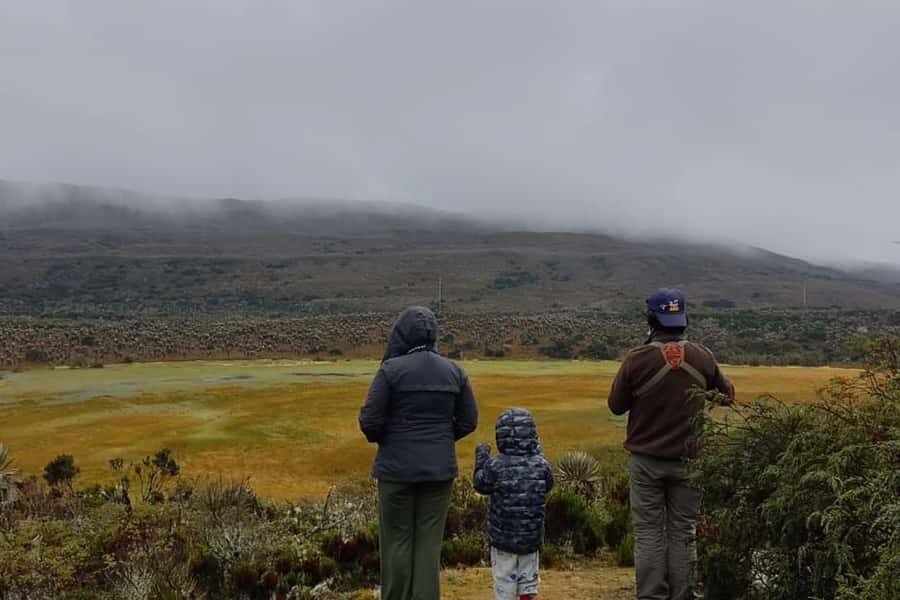
- Top-high-altitude trekking between 3,500 and 4,000 MSLA, near one of the world’s highest plateau settings
- A big Andean Páramo ecosystem inside a massive protected area (about 178,000 hectares)
- Chibcha stories on the trail tied to indigenous myths and how life has changed over time
- Water wells and mist views that make the páramo’s role feel immediate, not abstract
- Guides who bring the place to life in English or Spanish, with strong local storytelling
Why Sumapaz Páramo Feels So High and So Different
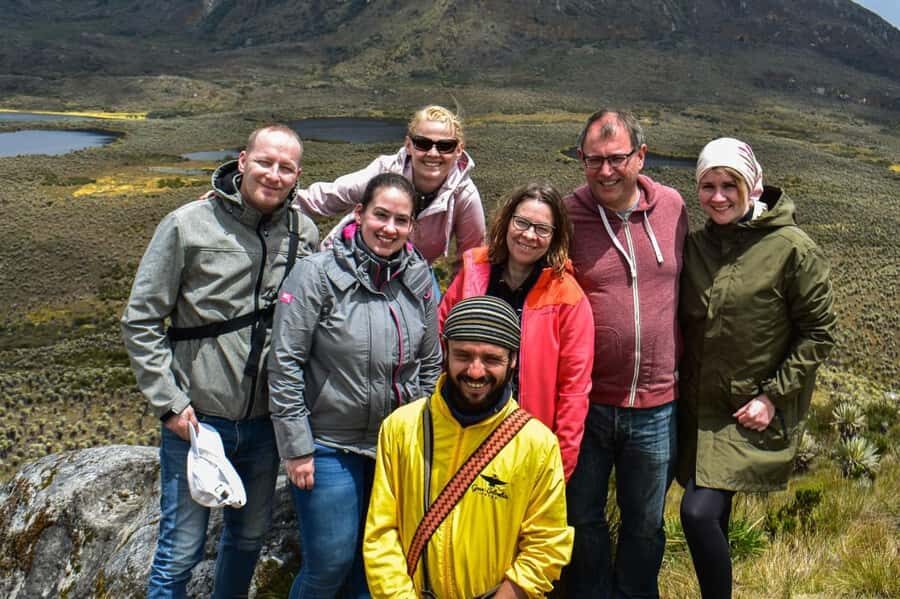
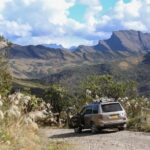
Sumapaz National Park sits in Cundinamarca, and the hike takes you up into the kind of altitude where you start paying attention to your breathing fast. You’ll be walking at 3,500–4,000 MSLA (around 13,000 feet), which changes the whole rhythm of the day. The air feels sharper, and the sky and cloud layers start behaving differently than they do down in Bogotá.
What makes this experience click is the combination of environment and meaning. This isn’t just a walk with a view. You’re trekking through the páramo ecosystem, the high Andean landscape type that acts like a giant water sponge and a living filter for the region. The guide’s explanation of why páramos matter for stability in the area isn’t some abstract lecture. You see mist, water features, and highland plants close up while someone connects the dots.
And then there’s the human layer. The tour includes stories about Chibcha indigenous myths and the history of the traditions practiced before colonization. That matters because it helps you understand the páramo as more than a protected area with rules. It’s tied to people’s lives, beliefs, and the pressures that came later.
Other Chingaza and paramo treks from Bogota

Getting Out of Bogotá: Pickup, Drive, and Altitude Reality
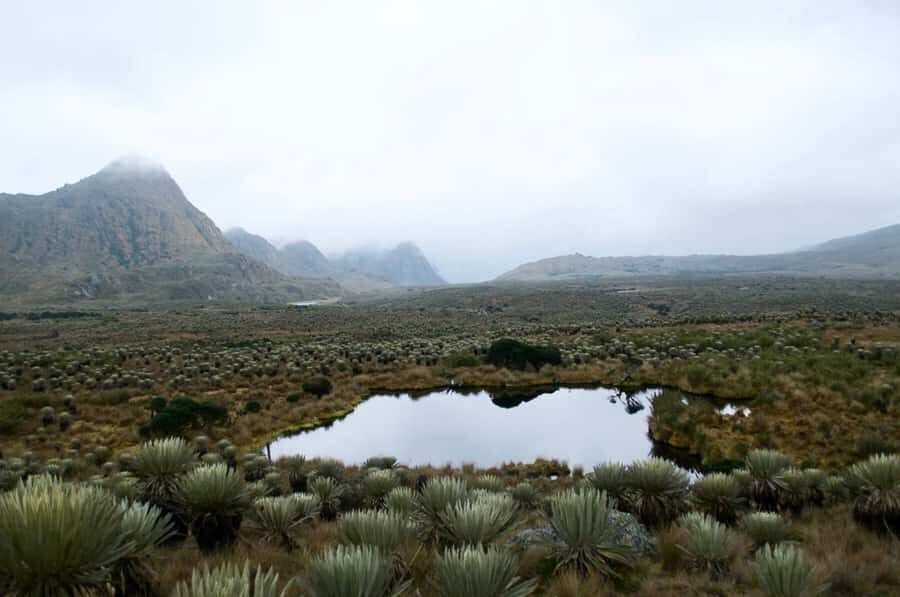
Your day starts with hotel pickup in Bogotá. You’ll be picked up from your hotel, hostel, Airbnb, vacation rental, or another point of interest, and you should be ready about 10 minutes before the scheduled time. That timing detail is small, but in Bogotá traffic it can save you stress.
Once you leave the city, you’re heading toward the Sumapaz region and the trekking elevations. The tour is built around an 8-hour format, so you’re not just “going for a quick look.” You’re committing to a full outing that includes travel time, the hike inside the natural park, time for learning along the way, and then the return to Bogotá.
Because you’ll be walking high, you’ll want to treat the first part of the hike like a warm-up. Even if you’re fit, altitude makes everything feel a little more like work. You’re also told to operate in all weather conditions, so the drive and start may include chilly air and shifting cloud cover.
First Walk Up: Páramo Slopes, Flora, and Water Wells
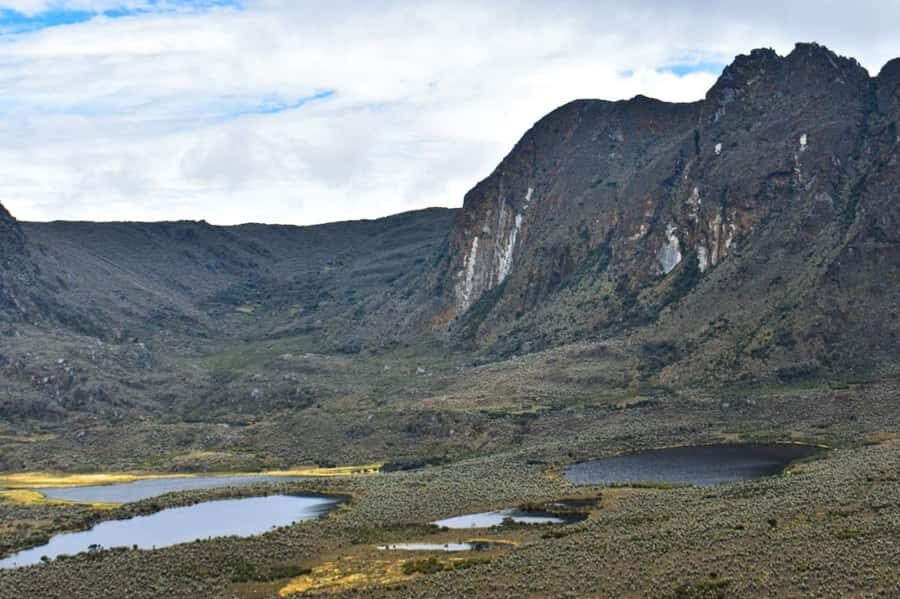
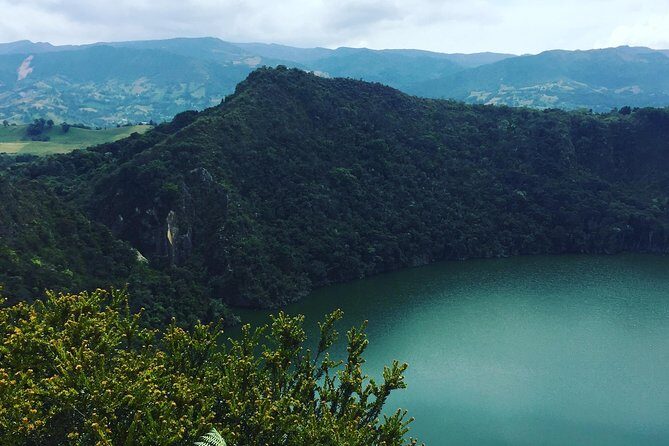
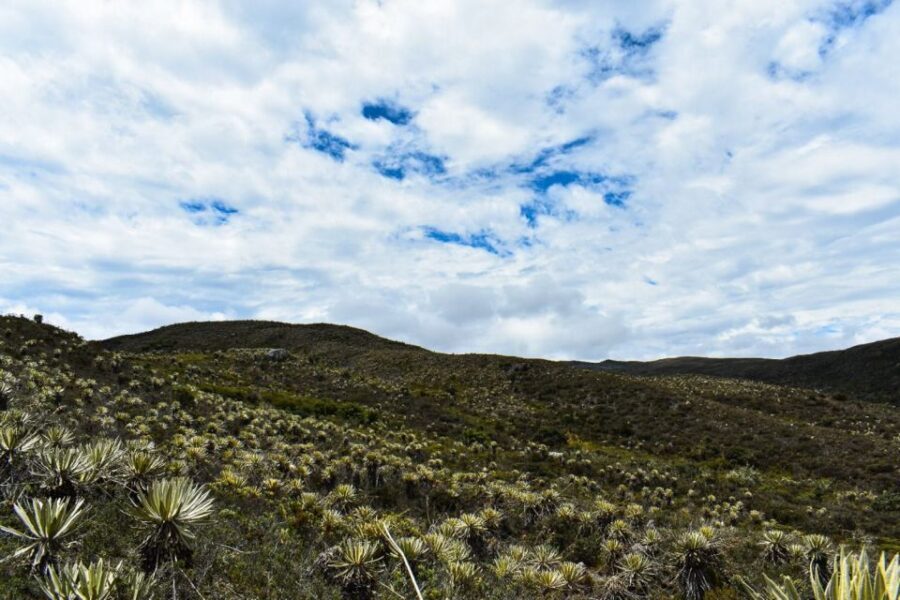
The tour begins with a hike up through the slopes of the 178,000-hectare protected haven. Right away, you start absorbing the textures of the páramo: cooler air, frequent mist, and that damp trail feeling that comes with highland environments.
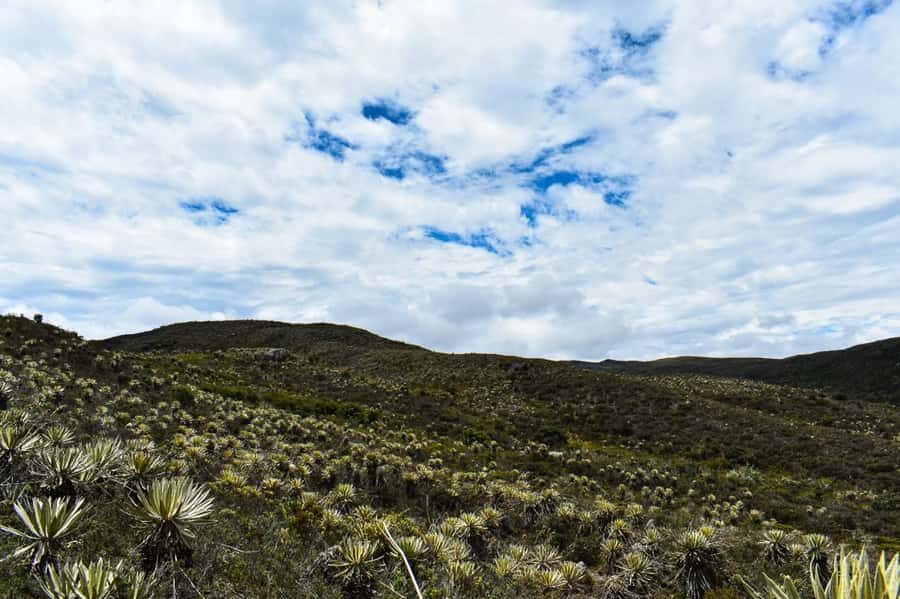
This is where the guide’s role becomes practical. You’re not just “watching nature.” You learn about the environmental importance of this rare ecosystem and you’ll be pointed toward flora you might otherwise miss. Based on guide-led observations shared on this outing, you may spot very tall frailejones, which are a signature páramo plant and a great visual anchor for photos.
Then comes the part that stays with people. You’re guided past water wells and through misty sections where the views can feel half real, half dream. If you like places where the weather is part of the show, this is the good kind of cold drama. The mist doesn’t hide everything—it changes it, and you get to experience that transition while you’re moving.
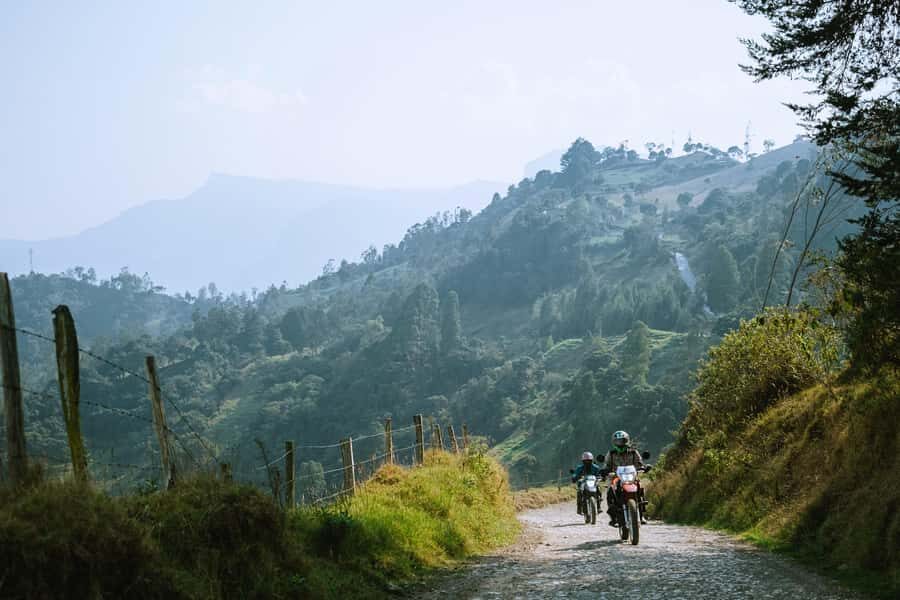
You should also expect the trail to be muddy. That’s not a complaint; it’s information you can plan around. When the ground is wet, foot placement matters and traction matters, so your comfort depends heavily on what you wear.
Chibcha Stories on the Trail: Myths, Before/After, and Preservation
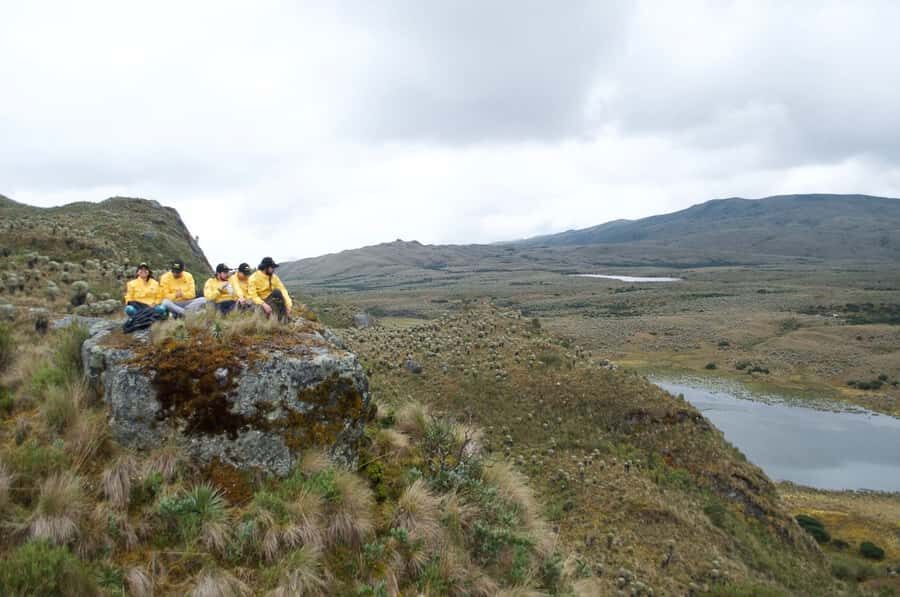
A lot of hikes stop at explanation of what you’re seeing. This one adds a story layer that’s tied to indigenous traditions and their history. The guide shares myths and context connected to the Chibcha people, including how those traditions existed before colonization.
That history angle matters because it gives you a framework for what you’re walking through. The páramo is a natural system, yes. But it’s also a region shaped by changing land use, political pressures, and the ongoing fight to protect fragile highland ecosystems. The tour specifically focuses on the importance of páramos preservation for the stability of the region and the social and political challenges they’ve faced.
If you’re someone who likes to travel with context—not just a camera—this is one of the strongest parts of the day. People often remember the exact plant or photo moment. Here, you’ll likely remember the way the guide connects myths and land, and the way those connections make preservation feel personal.
Also, different guides seem to have their own storytelling style. Names you may hear include Liz, Kata, Emilio, Steven, Alexander, Yelitza, Luis, and José. What stays consistent is that the guide is actively explaining what you’re observing, not just leading you down a line.
The Trek Itself: Mud, Mist, and What You Should Bring
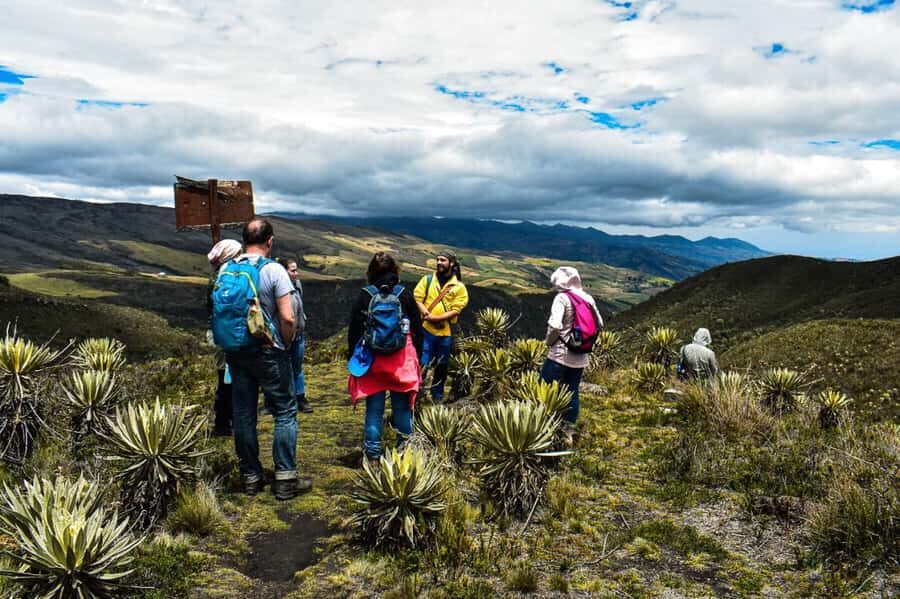
This tour runs in all weather conditions, so your packing matters. The basic list is simple—camera, sunscreen, water, and weather-appropriate clothing—but I’d treat it like a checklist for comfort and safety, not just compliance.
Here’s how I’d prioritize your “real world” needs:
- Footwear: waterproof footwear isn’t included. If you show up with shoes that hate wet conditions, you’ll pay for it the whole day.
- Water and hydration: you’re told it’s important to keep hydrated, even if it’s cold. High altitude can make you underestimate how thirsty you are.
- Sunscreen: yes, even in cloud and cold. The UV can still be strong up high.
- Layers: you’ll likely feel temperature swings between the city-to-highlands drive and the misty parts of the hike. Bring clothing you can add or strip.
And because it’s remote, the tour recommends having breakfast beforehand and bringing snacks. That’s smart. Even if the hike is guided and stops are planned, you don’t want to be the person running low on energy while everyone else is steady.
If you’re the type who likes photos, bring a camera you can operate with gloves or layered hands, because fine mist and quick weather changes can make you want to shoot often.
Other hiking tours in Bogota

The Pace, the View Chances, and Group Format
This is a private group tour, and that’s a big deal for a high-altitude hike. In a private setup, you’re more likely to get pacing that fits your crew, and you won’t be fighting someone else’s pace while you’re trying to get comfortable on muddy, uneven ground.
The itinerary is built around a single hike day: you travel out, hike inside the park, then head back to Bogotá. You won’t have to constantly switch transportation modes or build a self-made plan. That reduces decision fatigue, which matters when you’re cold, high, and focused on footing.
View chances depend on weather, and the tour specifically runs in all conditions. The good news: in the páramo, mist often adds drama rather than removing the experience. You’ll still get memorable scenery in shifts—clear stretches followed by foggy layers.
One small reminder from how people describe the day: you may go a long time without seeing other hikers. That quiet can feel special, but it also makes preparation more important. Be ready for the day to feel remote.
After the Hike: Recovery, Local Drinks, and Back to Bogotá
Once the trek part is over, your weary feet get a break and you head back to Bogotá. The tour includes hotel pickup and drop-off, so you’re not stuck organizing transport at the end of a long day.
There’s also a cultural finishing touch you might encounter through your guide. In examples tied to this experience, guides have offered locally made drinks and snacks upon return—like arepas and panela tea—and one guide shared a drink/snack moment with their cat, Coco. It’s not something you should count on as a guarantee for every exact departure, but it lines up with the way guides bring local flavor into the day.
Even if you don’t get that specific snack moment, the overall structure is built for recovery: the hike ends, then you return to the city.
Price and Value: What $136 Buys (and What You’ll Pay Extra)
At $136 per person for an 8-hour outing, you’re paying for more than “a guide and a walk.” This price includes the things that are hardest to piece together on your own:
- Guide (English/Spanish) with live interpretation on the ecosystem and Chibcha stories
- Hotel pickup and drop-off in Bogotá
- Entry to Sumapaz
- Hike inside the natural park
- All risk insurance
What’s not included is also important. Breakfast and lunch aren’t included, and waterproof footwear isn’t included. That means your real total cost depends on whether you already have good wet-weather shoes and whether you eat before you go (and whether you bring snacks).
For me, the value equation works if you want context and access. Getting up into a remote páramo area at altitude is not like walking around a city park. You’re buying guidance, timing, and the logistics of getting in and out. If you can’t handle muddy trails or you want a structured explanation of páramo preservation, this format is worth it.
If you’re on a tight budget and already have the right footwear plus the energy to plan transport and entry yourself, you could compare options. But based on what this day delivers—high altitude trekking, ecosystem learning, and indigenous myth context—$136 feels like a fair package.
Who This Tour Fits Best (and Who Should Rethink It)
This tour is a great match if you want:
- a full-day hike that goes beyond photos
- high-altitude trekking in the páramo ecosystem
- guided storytelling tied to Chibcha history and myths
- a real focus on why páramos need protection
It may be less ideal if you’re not comfortable with cold, damp conditions and muddy footing. The tour operates in all weather, and the trail description includes muddy trails. Also, if you don’t like hikes at higher elevations, you might find the 3,500–4,000 MSLA range challenging.
It’s suitable for people who like learning while walking, not people who only want a quick scenic stop. The day is designed to be educational and reflective.
Should You Book the Bogotá Sumapaz Hike Tour?
I’d book it if you’re the type who enjoys nature with context. This tour does two things well: it gets you into the high páramo environment where you can see and feel what you’re learning, and it layers in Chibcha myths plus the practical importance of páramo preservation for the region’s stability.
I’d think twice if you’re unprepared for wet weather or if you’re expecting a comfortable, dry, casual walk. Bring your layers, bring water, and strongly consider adding waterproof footwear to your packing plan since it isn’t included.
If you want one day outside Bogotá that feels different from the usual city itinerary, this is a solid choice—especially if you enjoy quiet places where the guide’s explanation helps you understand what you’re seeing.
FAQ
How long is the Bogotá Sumapaz National Park hike tour?
It’s listed as an 8-hour experience.
What altitude will we reach during the hike?
The tour mentions trekking at heights between 3,500 and 4,000 MSLA (about 13,000 feet).
Are breakfast and lunch included?
No. Breakfast and lunch are not included, and you’re advised to have breakfast beforehand and bring snacks.
Is waterproof footwear provided?
No. Waterproof footwear is not included, so you’ll need to bring or buy your own if you want proper traction and comfort on muddy trails.
What languages is the guide available in?
The live tour guide is available in English and Spanish.
Is pickup and drop-off included from Bogotá?
Yes. Hotel pickup and drop-off are included, and pickup can be from your hotel, hostel, Airbnb, vacation rental, or another point of interest in Bogotá.
Does the tour run in bad weather?
Yes. It operates in all weather conditions, so you should dress appropriately for cold and wet conditions.