REVIEW · BOGOTA
Hiking to the largest paramo on earth : Sumapaz
Book on Viator →Operated by Rolombia Trips · Bookable on Viator
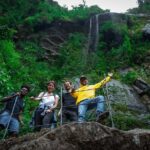
Sumapaz is a world-class hike that starts with a normal morning. You’ll head out from Bogotá for a day in Parque Nacional Natural Sumapaz, home to the largest páramo high plateau on Earth, where cold winds, thick clouds, and water-rich ecosystems make the views feel otherworldly. I love how the guides (often including Juan, Andrea, Gabi, Jacky, and Alejandro) explain what you’re seeing step by step, especially the plant life and the páramo’s role as a key water source for Bogotá. I also love the included food rhythm: breakfast before the climb and warm stops afterward like arepa and agua de panela. One thing to consider: the altitude climbs fast (around 3,500–4,000m), so you’ll want to pace yourself and dress for wet, windy weather.
This is also built for real small-group time, with a maximum of 4 travelers. That matters here because the trail can be muddy and slippery, and you’ll get more attention when you need to slow down, stop, or catch your breath.
In This Review
- Key things I’d circle before you go
- Why Sumapaz feels like a different planet near Bogotá
- Meeting point and timing: a 7:30 start with a full day payoff
- The drive out of Bogotá: where the day’s mood changes
- Breakfast before the climb: included, warm, and actually useful
- Parque Nacional Natural Sumapaz: what your hike includes
- Altitude and pacing: your legs will be fine, your breathing might not
- Weather reality: plan for rain, cold wind, and cloud cover
- Guides make this work: what Juan, Andrea, Gabi, Jacky, and Alejandro bring
- After the summit: warm comfort and a satisfying finish
- Price and value: what $130 buys you in the real world
- Who should book, and who should rethink it
- Should you book the Sumapaz hike from Bogotá?
- FAQ
- What time does the tour start?
- Where does the tour start and end?
- How long is the experience?
- Is the group small?
- Is park admission included?
- How fit do I need to be?
- What should I bring for the hike?
- How does altitude affect the hike?
- What happens if the weather is poor?
Key things I’d circle before you go
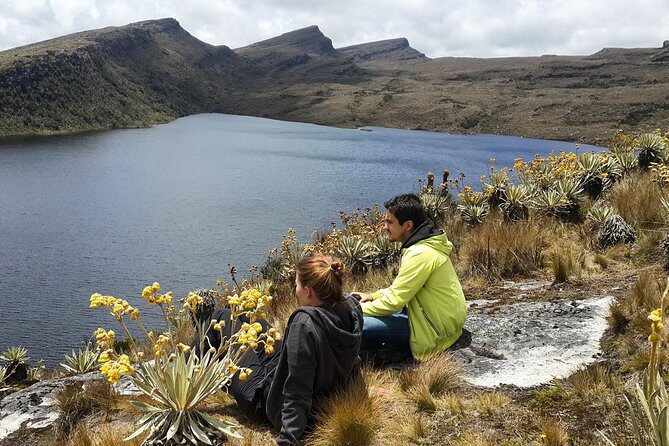
- The world’s largest páramo high plateau: Sumapaz is the big one, and you feel it as soon as the ecosystem changes.
- Short day, serious altitude gain: even a “short hike” can hit you hard once you’re up in the páramo.
- Admission is included: you’re not just walking; you’re visiting the protected area.
- Small group (max 4): easier pacing and more time to ask questions.
- Cold, wet, windy conditions are normal: plan for rain or cloud cover even when forecasts look fine.
- Warm food stops are part of the experience: breakfast up front, and panela with arepa after the hike.
Why Sumapaz feels like a different planet near Bogotá
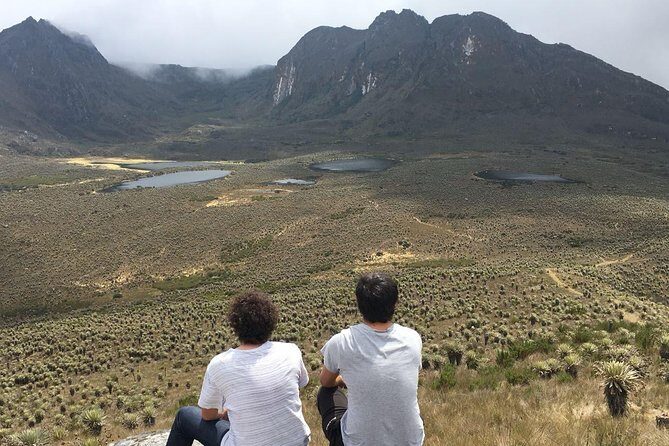
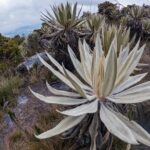
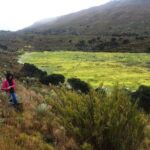
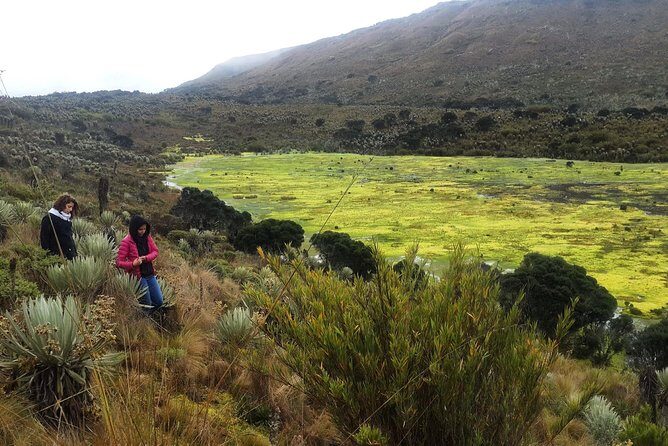
Sumapaz isn’t the kind of hike where you point and say, pretty. It’s more like you watch a new world form under your feet. One step you’re in the usual highland air; then the páramo ecosystem kicks in, and plants that can handle cold, humidity, and tough conditions start to dominate.
What makes this outing especially meaningful is that you’re seeing the place that helps feed Bogotá with water. The páramo collects and stores water for the region, so your hike turns into more than scenery. When a guide ties plant survival to water supply, the whole place clicks.
And yes, the “otherworldly” feeling shows up fast. Reviews describe thick clouds, on-and-off rain, and wind that turns the top into a cold checkout line you don’t want to rush. If you like nature with a bit of mystery and a lot of context, Sumapaz delivers.
Other Chingaza and paramo treks from Bogota

Meeting point and timing: a 7:30 start with a full day payoff
You meet at Panadería Nicolf, Cra. 35a #35-99, Bogotá, with pickup and drop-off at the same spot. Start time is 7:30 am, and the total experience runs about 6 to 8 hours door-to-door.
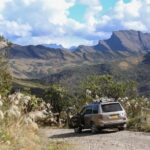
Most of the time cost is travel plus the climb. Expect a drive out of the city into rural areas, then a final stretch where the van drops you and you begin hiking for real. Some days start with clearer weather, and some days don’t. Either way, you’ll want to plan your day around a full morning and early afternoon, not a quick half-hour detour.
The drive out of Bogotá: where the day’s mood changes
The day typically begins with a ride that takes you from Bogotá’s streets into country roads. Several guides use the drive time to orient you fast: they explain what you’ll see up high and how the city relates to the páramo ecosystem.
Then you hit the first food stop area. On the way, the group usually pauses for breakfast at a local spot. People describe options like costilla de res soup with tinto (black coffee), which is a practical pairing for cold mountain air. This breakfast matters because your climb starts soon after you’re fueled, and you don’t want to scramble for energy once the altitude starts doing its thing.
Breakfast before the climb: included, warm, and actually useful
Food is not an afterthought on this tour. Breakfast is included, and it’s set up as a “fuel now, hike later” moment. You’ll likely order from the restaurant menu there, but the important part is timing: you eat, you get oriented, and then you head toward the hike area.
After the climb, you also get a warm end to the day. Reviews mention a stop at a farmer’s house for arepa and agua de panela. That kind of simple comfort food is part of why this works as a day trip, not just a hike.
If you care about value, this is one of the big reasons the price feels reasonable. You’re not paying extra for breakfast logistics, and the food matches the conditions you’re hiking in.
Parque Nacional Natural Sumapaz: what your hike includes
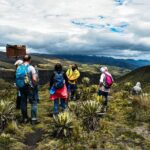
Your main stop is Parque Nacional Natural Sumapaz, with the hike block lasting about 4 hours. That includes time to climb, stop for views, and move through páramo terrain while the ecosystem changes at different elevations.
Here’s what to expect as you gain height:
- A fast altitude jump: even when the route isn’t super long, the air gets thin quickly.
- Cold and damp on top: wind can make it feel colder than you expect, and rain can show up without a lot of warning.
- Mud, wet ground, and careful footing: several people point out slippery sections, plus hard steps in parts.
- A shifting plant world: guides help you notice what survives at each elevation and what that means for the páramo’s water system.
Some descriptions include a meeting with a national park guide at the higher area, where the group can adjust gear and use the restroom before continuing. You might also have sections where the hike is challenging mainly due to conditions, not distance.
One review even notes that reaching the top can take around two hours for avid hikers, but you should ignore that as a challenge and instead treat it as a reminder: your timing will depend on altitude and weather.
Other hiking tours in Bogota

Altitude and pacing: your legs will be fine, your breathing might not
This is the part you don’t want to guess at.
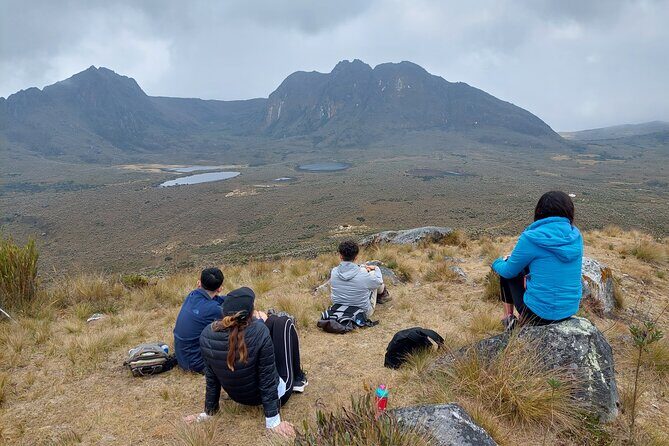
Sumapaz sits high. Reviews cite altitude around 3,500–4,000m, and the common experience is breathlessness that hits even fit people. The trick is to pace slower than you think you need to. Your lungs and legs both need a plan.
What helps in practice:
- Take breathing breaks that feel too often. If you think you’re “doing okay,” that may still be your body saying to slow down.
- Wear layers you can adjust. Cold wind is common, and rain makes it worse.
- Expect a workout in boots, not sneakers. Some footing is rough and wet.
Also, top weather can be rough. One person points out that it can be windy and cold at the top, even when the lower area feels manageable. Bring gear that handles that reality.
One optional note from a reviewer: one person used coca leaves to chew during the hike and found it helpful for coping with altitude. If you already use coca for altitude comfort, you’ll find it sold in parts of Bogotá (some people report health-food type stores). If you don’t, you don’t need to make this your first experiment on a high-altitude hike.
Weather reality: plan for rain, cold wind, and cloud cover
This trip depends on weather. The operator notes it requires good conditions, and if the experience is canceled because of poor weather, you’ll be offered another date or a full refund.
Even with that, many days still mean you’ll deal with clouds and mist. Reviews describe on-and-off rain, and hikers note that visibility can change quickly. When visibility is good, you get big views and mountain drama. When it’s not, you still get the páramo feel: the cold, humid air and the unique ecosystem close up.
Practical gear advice from what people wore and wished they had:
- Bring a hat and sunscreen. Cloudy days can still burn.
- Bring lots of water.
- Bring a waterproof jacket and something to keep your legs protected from wet and cold.
- Waterproof footwear helps. People recommend rain boots or waterproof hiking boots, especially because mud and slippery steps are part of the deal.
If you only pack for warmth, you’ll get caught by wind. If you only pack for rain, you might still feel cold after you stop moving. Pack for both.
Guides make this work: what Juan, Andrea, Gabi, Jacky, and Alejandro bring
This tour is praised for its guides, and the reason is simple: Sumapaz is not an “I’ll figure it out on my own” ecosystem. You’re walking through a protected zone where plants, water, and elevation change quickly.
Across different guide names in the experience, the consistent theme is clear explanation paired with pacing. People call out:
- Friendly, calm leadership that helps you stay steady when the climb gets tough.
- Clear English instruction when needed (for example, Andrea is described as fluent in English).
- Real care for the place, with guidance that goes beyond pointing at plants.
Small-group size helps too. With max 4 travelers, your guide can actually watch your pace. That matters on a trail with slippery mud because you may need adjustments: shorter steps, more stops, or extra caution on descents.
After the summit: warm comfort and a satisfying finish
The hike doesn’t end when your legs say stop. The best part of a day like this is what you do right after.
You’ll typically come back down and then get a warm finish at a local stop where you can refuel. The arepa and agua de panela combo shows up in multiple accounts, and it’s a good match for cold air. It’s also a chance to relax and talk with your small group instead of rushing off.
If you’ve ever done hikes where everyone bolts for the bus, you’ll likely appreciate this slower, more human ending.
Price and value: what $130 buys you in the real world
At $130 per person, this outing is priced like an all-in day trip rather than a bare hike. You’re paying for:
- A guided hike experience in Parque Nacional Natural Sumapaz
- Admission included
- A full day of transport from Bogotá
- Food coverage tied to the day: breakfast before the climb and warm stops after
For readers deciding between “pay for a guide” or “figure it out yourself,” this is the difference. In a high-altitude protected area, having someone who knows how to read conditions and explain the ecosystem can make the day feel safe and meaningful, not just adventurous.
The group size also adds value. With max 4 travelers, you’re not stuck in a crowd on a cold, muddy trail.
Who should book, and who should rethink it
This hike suits you if:
- You enjoy guided nature outings where you learn while you walk.
- You can handle a moderate fitness day with some steep effort.
- You’re okay with high-altitude effects like breathlessness and slower pacing.
- You can dress for cold, rain, and wind.
It might not suit you if:
- You hate wet, muddy footing or have limited experience with uneven trails.
- You want a totally gentle hike with minimal altitude pressure.
- You’re unwilling to slow down for altitude and weather.
For many people, the climb is described as challenging mainly because of altitude, not because the hike is impossibly long. Still, treat it as serious. Give yourself patience, and pack well.
Should you book the Sumapaz hike from Bogotá?
If you want one day that feels like it belongs to another planet, I’d book it. Sumapaz checks the boxes that matter most: a protected ecosystem, a real guide-led understanding of what you’re seeing, and included food that fits the cold.
Book this trip if you’re comfortable with high altitude and you can show up prepared for wet, windy conditions. If that part sounds intimidating, you might still enjoy it, but you’ll need the mindset of pacing and patience more than speed.
On balance, this is a strong value day trip for nature lovers who like small-group attention and who want a hike with real meaning behind it, not just a workout.
FAQ
What time does the tour start?
Pickup starts at 7:30 am.
Where does the tour start and end?
It starts and ends at Panadería Nicolf, Cra. 35a #35-99, Bogotá, Colombia.
How long is the experience?
Plan for about 6 to 8 hours total, with the Parque Nacional Natural Sumapaz hike block around 4 hours.
Is the group small?
Yes. The maximum group size is 4 travelers.
Is park admission included?
Yes. Admission to Parque Nacional Natural Sumapaz is included.
How fit do I need to be?
You should have a moderate physical fitness level. The climb can be strenuous mainly due to altitude and rough, wet ground.
What should I bring for the hike?
Bring sunscreen and a hat, plenty of water, warm layers, and rain-ready gear like a waterproof jacket. Waterproof hiking boots or rain boots are recommended by some hikers.
How does altitude affect the hike?
Altitude is high (around 3,500–4,000m). Expect breathlessness and plan to take it slow.
What happens if the weather is poor?
The experience requires good weather. If it’s canceled due to poor weather, you’ll be offered a different date or a full refund.