REVIEW · BOGOTA
Desierto de la Tatacoa: paisajes y observación de estrellas.
Book on Viator →Operated by Paraíso Travels · Bookable on Viator
A night sky this clear is rare. This Tatacoa experience pairs a long road trip out of Bogotá with desert walking plus a guided session at the La Tatacoa Municipal Astronomical Observatory, where you learn the stars from a professional astronomer. I especially love how the itinerary mixes active time (El Cuzco and the Xilópalos hike) with calm time under dark skies, and I also like that the guiding team shows up as real people like Ana, driver Caesar, and local guide Gladys in the moments that matter. One thing to plan for: you’ll be in transit for hours each day, and the schedule is built around long blocks out in Huila.
You’re not just seeing the desert. You’re getting a full taste of the region: Villavieja town time, a trip along the Magdalena River, and those memorable passes through the Xilópalos area that give you a sense of how the Tatacoa is shaped over time. The “star observation” portion is the headline, but the smaller details are what make it work for your day-to-day comfort. The main drawback for some people is that lunches and dinners aren’t included, so you’ll want to budget and stay flexible about meal timing.
In This Review
- Key Points to Know Before You Go
- Road Trip From Bogotá: Daytime vs Nighttime Departures
- Arrival in Villavieja: The Best Base for Desert Days
- El Cuzco in the Tatacoa: A Reddish, Arid First Act
- La Tatacoa Observatory Stars: Seeing 88 Constellations From Dark Skies
- The Long Villavieja Stretch: Free Time That Helps You Recharge
- Day Two in Villavieja: Town Walk Plus Magdalena River Time
- The Xilópalos Valley Hike: Paso de la Culebra and the Named Passes
- Day Three Return to Bogotá With a Break En Route
- Price and Value: Is $716 Worth It?
- Who This Tour Fits Best
- Should You Book Paraíso Travels’ Tatacoa Stars Tour?
- FAQ
- How long is the Desierto de la Tatacoa tour?
- Where does the tour start and end?
- What’s included in the price?
- Are lunch and dinner included?
- What desert and hike areas are visited?
- Is the star gazing session guided?
- What is the cancellation policy?
Key Points to Know Before You Go
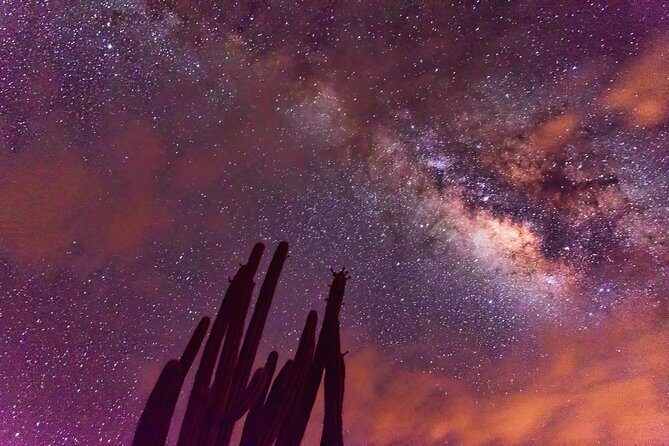
Dark-sky astronomy at the La Tatacoa Municipal Astronomical Observatory with a professional astronomer
Two desert sectors in one trip, starting with El Cuzco and then moving into the Xilópalos valleys
A hike built around named natural stops, including Paso de la Culebra and Valle de las Hermosas
Villavieja + the Magdalena River, so you’re not stuck in the desert the whole time
Private, bilingual guiding plus air-conditioned transport for a smoother ride out of Bogotá
Road Trip From Bogotá: Daytime vs Nighttime Departures
This tour is built around one big idea: you spend real time in the Tatacoa, not just a quick photo stop. You’re picked up at your hotel or accommodation in Bogotá, and the drive to Huila takes about 6 hours, with breaks along the way.
You’ll get different pick-up time options depending on whether you want a day road trip or a night road trip. That choice matters. A daytime departure makes it easier to settle in once you arrive, while a night departure can feel more like you’re cutting right to the “stars and desert” mood. Either way, the car is air-conditioned and the transport is private, which is a comfort boost when you’re traveling with jet lag, a family, or just want the ride to stay calm.
By the time you reach Villavieja, you check in and get time to rest. That buffer is more important than it sounds. The Tatacoa experience works best when you’re not already tired from a crowded, rushed schedule.
Other Cano Cristales and multi-day trips from Bogota

Arrival in Villavieja: The Best Base for Desert Days
Villavieja is your base for two nights, and it sets the tone for the whole trip. The tour brings you in, checks you into lodging, and gives you downtime before the desert activities start.
In practical terms, this base helps you do two things. First, you avoid the stress of changing areas every few hours. Second, you can reset between the hikes and the astronomy session. After a long drive, that’s huge.
Also, this isn’t a tour that only moves you like luggage. The guiding style is set up to explain the area and help you connect what you see with why it’s there. That can make the town time feel useful, not just waiting between highlights.
El Cuzco in the Tatacoa: A Reddish, Arid First Act
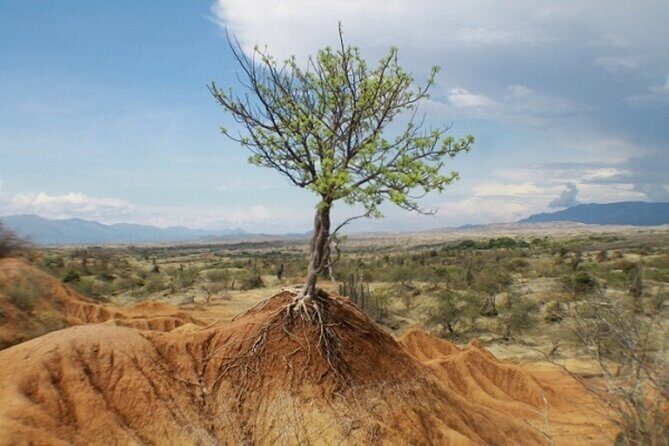
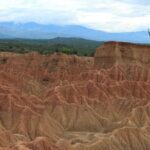
On day one, you start with El Cuzco, the first sector of the desert. You’ll have about two hours to explore this reddish, arid zone with time for photographs and landscape viewing.
El Cuzco is a great starting point because it gives you the color and texture of the Tatacoa early. When you’re early in the trip, everything feels sharper: the ground, the rock tones, and the shapes made by erosion. It also gives you a chance to get comfortable with the pace. You’re not jumping straight into a big hike before your body has had time to adjust.
The main thing to keep in mind is that desert time is not like city sightseeing. You’ll want to pace yourself and focus on what your guide points out. If you like photography, this is one of the clearer opportunities because you’re seeing the desert from a position where it photographs well and you’re not rushing to a different activity right after.
La Tatacoa Observatory Stars: Seeing 88 Constellations From Dark Skies
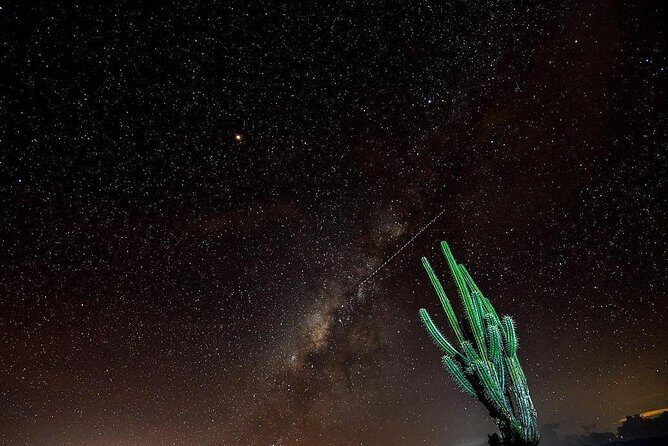
This is the part people talk about for a reason. The tour includes registration and entry to the La Tatacoa Municipal Astronomical Observatory. You then observe some 88 constellations, with a professional astronomer guiding you through what you’re looking at and explaining the secrets of the sky.
What makes this valuable isn’t just the stars. It’s the setting: the observatory is described as being geographically privileged, near the equator, and importantly, free from light pollution. In normal city skies, stars often look like pinpricks. In a darker environment, the sky has structure, and suddenly the constellations become real patterns you can actually follow.
You get about two hours here, which is a good length. Long enough to learn, not so long that you freeze through the whole night. If you’re traveling with kids, this portion can be a win because it turns the night sky into a lesson you can participate in, not just a long, silent waiting game.
Practical tip: treat the observatory time like a serious activity. Keep your phone brightness low, be ready to look up, and listen for the astronomer’s cues. When you do that, the difference between a pretty sky and a memorable one is huge.
The Long Villavieja Stretch: Free Time That Helps You Recharge
After the first desert sector and the observatory, the schedule brings you back to Villavieja. You’ll have a long block of free time.
This is one of those underrated pieces of good itinerary design. Astronomy and hikes take more out of you than you think. Your eyes get used to the dark. Your legs get used to uneven ground. Free time lets you eat on your own rhythm (since lunches and dinners aren’t included) and decide how you want to spend the evening.
Some visitors enjoy using this time to wander the plaza area and take a slower look at the town. Others just want a quiet reset. Either choice works because the day’s big moments are already done.



Day Two in Villavieja: Town Walk Plus Magdalena River Time
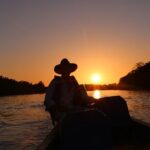
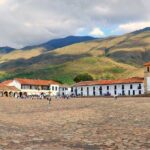
Day two starts with a town tour in Villavieja, built around history and local customs. The tour then continues with a trip along the Magdalena River, described as giving you a window into the local economy and the fauna of the area.
This day is important because it stops the trip from feeling one-note. Yes, Tatacoa is the headline. But the Magdalena River and Villavieja help you understand the region as a living place, not just a desert backdrop.
You’ll spend about two hours on this mix of town experience and river exploration. In the river portion, the tour format is about observation. You’re looking for birds and other wildlife signals from the water and listening for what your guide explains about the ecosystems around the river.
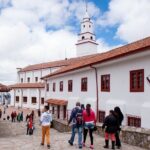
If you want extra context, you might find time for small local stops while you’re in the town center, like a paleontology-related visit or cultural stops that connect the desert to the story of the land. The exact mix can depend on how the day runs, but the overall intent is clear: connect the desert to the community that lives nearby.
The Xilópalos Valley Hike: Paso de la Culebra and the Named Passes
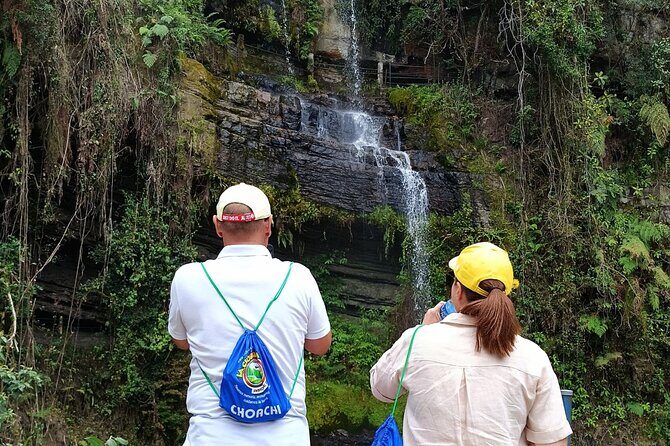
Day two’s main active moment is the Xilópalos Valley hike. It’s about three hours, and the route is paced around specific natural stops: Paso de la Culebra (Snake Pass), Valle de las Hermosas (Valley of the Beautiful Ones), and Paso de la Señorita (Miss Pass).
These names matter because they guide your attention. You’re not just walking; you’re moving through a desert-and-valley system with recognizable landmarks. For me, that’s what turns a hike into a story you can remember later.
This segment also benefits from having a local guide on hand. The experience is set up so you understand what you’re seeing rather than just following footprints. In particular, I’ve heard how local guides like Gladys make the hike feel like a living lesson, from how the terrain looks to why the passes form the way they do.
What to watch for: this is still desert hiking, so comfortable footwear and a steady pace make a big difference. Plan to stay hydrated and take short breaks when you feel the heat and sun intensity.
Also, the hike length (around three hours) is a good balance. It’s long enough to feel like you earned your views, but not so long that you’ll be completely wiped out before the end of the day.
Day Three Return to Bogotá With a Break En Route
On day three, you check out and head back to Bogotá. The drive takes about 8 hours, with a stop at a roadside restaurant for lunch or a break.
This day is straightforward. It’s the “wrap up” portion that gets you home after two nights in Villavieja and two desert days. The key is to use the drive time wisely: snack ahead if you want, keep water handy, and bring something to occupy time if you’re sensitive to long car rides.
Because lunches and drinks aren’t included, this is also when you’ll likely make meal decisions yourself. Having a planned mindset about that keeps the day stress-free.
Price and Value: Is $716 Worth It?
At $716 per person, this tour isn’t the cheapest weekend out of Bogotá. But it also isn’t just a single-day activity. You’re paying for a package that includes two nights lodging, air-conditioned private transport, insurance, a bilingual guide, and admission tickets.
Here’s where the value becomes clearer. You’re getting:
- Admissions included for the desert areas and the observatory
- Breakfast included (3)
- Private transportation out and back with timed pick-up options
- A real guiding team with bilingual support
If you were to piece this together yourself, the stargazing portion alone (with entry and a guided astronomer explanation) would be hard to recreate with the same ease. Plus, you avoid the hassle of coordinating desert access, local transport, and timing around the astronomy schedule.
The tradeoff is meal freedom. Since lunches and dinners aren’t included, you’ll spend a bit more on food than you might expect. For many travelers, that’s fine because it also lets you choose where and when to eat, especially during the free time evenings.
For families, this package tends to make sense because it reduces decision fatigue. For solo travelers, it’s a good use of your time because you don’t have to manage a multi-day plan on your own.
Who This Tour Fits Best
This works especially well if you want a mix: desert walking, a river experience, cultural time in Villavieja, and a guided astronomy session. It’s also a strong pick for families. One family shared how the trip clicked with an 8-year-old during Semana Santa, helped by the way the activities connect to learning.
You’ll also like it if you enjoy clear structure. The day flow makes sense: travel, desert sector, rest, hike, river/town time, then stargazing or return. You’re not left guessing what comes next.
If you’re the type who hates early mornings or long drives, then the 6-hour outbound and 8-hour return may feel like a lot. But if you’re okay with “we travel to do real things,” this itinerary is built for that.
Should You Book Paraíso Travels’ Tatacoa Stars Tour?
I’d book it if your priority is seeing the Tatacoa with guidance and doing the observatory right, not just a quick night look. The star session is the biggest differentiator, and the tour’s structure supports it with the right breaks and time blocks.
If you’re on a tight budget and you hate planning around meals you must pay for separately, then you might want to compare total spending rather than staring at the headline price alone. But if you value admissions, guided interpretation, and two nights of lodging with private transport, the math often works out in your favor.
Bottom line: this is a practical, well-paced way to experience the Tatacoa without turning it into a logistical puzzle.
FAQ
How long is the Desierto de la Tatacoa tour?
It’s a 3-day experience with approximate timing across the days.
Where does the tour start and end?
The tour starts with pickup at your hotel or accommodation in Bogotá. On the third day, you return to Bogotá.
What’s included in the price?
Included are air-conditioned vehicle, private transportation, two nights lodging, insurance policy, a bilingual tour guide/host, admission tickets, and breakfast (3).
Are lunch and dinner included?
No. Lunches, drinks, and dinners are not included.
What desert and hike areas are visited?
You visit El Cuzco in the desert, and on the second day you hike in the Xilópalos Valley, including Paso de la Culebra, Valle de las Hermosas, and Paso de la Señorita.
Is the star gazing session guided?
Yes. You visit the La Tatacoa Municipal Astronomical Observatory with a professional astronomer, and you can observe some 88 constellations.
What is the cancellation policy?
You can cancel for a full refund up to 24 hours before the experience’s start time. If you cancel less than 24 hours before, the amount paid is not refunded.