REVIEW · BOGOTA
La Candelaria with Monserrate in Bogota 5H
Book on Viator →Operated by COLOMBIA TOURS AND TRIPS · Bookable on Viator
Bogotá’s best views start upstairs. I like how this private half-day blends Monserrate’s sweeping city lookout with the lived-in streets of La Candelaria, plus you get practical food stops (fruit juice, coffee, and fritters) along the way. The trade-off: you’ll be walking on cobblestones and you’ll gain altitude, so go easy if you’re sensitive to heights.
What makes it work for real life is the setup. Private transportation and a bilingual guide mean you spend less time figuring out logistics and more time hearing why each place matters, from the monastery viewpoint to the culture stops around central Bogotá.
One more consideration: lunch isn’t included. If you run long on timing or arrive hungry, it’s smart to plan a snack buffer, especially with the mix of stairs, hills, and pavement.
In This Review
- Key things I’d circle on your map
- Monserrate by cable car or funicular: the 3,150-meter viewpoint you remember
- La Candelaria: cobblestones, coffee culture, and a church with national monument status
- Mercado La Concordia and Chorro de Quevedo: taste stops plus a founding story
- Luis Ángel Arango Library and the Gabriel García Márquez Cultural Center: culture stops in the city center
- Plaza de Bolívar: the political-religious heart of Bogotá
- Price and value: is $119 a fair deal for this mix?
- How long should you plan, and what about walking?
- Who should book this Bogotá pairing of Monserrate and La Candelaria?
- Should you book La Candelaria with Monserrate in Bogotá?
- FAQ
- How long is the La Candelaria with Monserrate tour?
- How much does it cost?
- What’s included in the price?
- Is Monserrate ticket admission included?
- How do you get up and down Monserrate?
- Where do the food and drink tastings happen?
- Is lunch included?
- Is the tour private?
- What if weather is bad or I need to cancel?
Key things I’d circle on your map
- Monserrate by cable car or funicular: your ticketed route to a 3,150-meter view plus the monastery visit
- La Candelaria on cobblestones: a guided walk through the neighborhood’s colonial cornerstones
- Tastings you can actually use: fruit/juice at La Concordia plus Colombian coffee and fritters
- Time with Bogotá’s big-center icons: Plaza de Bolívar and major cultural stops like Luis Ángel Arango Library
- A guide who manages pace and safety: English-speaking guides and patient pacing show up in real feedback
- Private transport for smoother transitions: less waiting between hills, squares, and indoor stops
Monserrate by cable car or funicular: the 3,150-meter viewpoint you remember
If you only do one “wow” stop in Bogotá, Monserrate is it. This tour takes you up to the eastern hills where the elevation sits around 3,150 meters above sea level. From that height, you get panoramic views across the city’s rooftops and layers, and it’s the kind of perspective that helps the rest of Bogotá make sense.
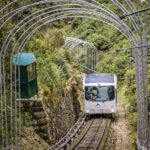
You’ll use one of two ticketed ascent systems: the cable car or the funicular. The key practical value here is not just the ride itself. It saves you from a steep hike day on steep terrain, which matters because the rest of your time is spent walking in older neighborhoods and around central squares.
A second perk: you’re not only there for the photo view. You also have time to visit the Monserrate monastery, which gives the stop more texture than a quick lookout. Even if you’re not especially religious, the calm setting and the history around the site help you slow down and actually take in what you’re seeing from above.
My one caution is altitude and pacing. Bogotá altitude is real, even if you feel fine at street level. The tour’s structure helps because it gives you a guided, timed visit rather than an all-day scramble, and a good guide will manage your pace. In actual experience, I’ve seen feedback highlighting that guides can be patient and supportive if you’re breathing a bit heavier.
Other La Candelaria walking tours we've reviewed in Bogota

La Candelaria: cobblestones, coffee culture, and a church with national monument status
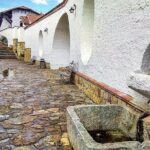
After the high-altitude viewpoint, you drop into La Candelaria, and that contrast is part of what makes the day feel balanced. Up top, Bogotá looks huge and patterned. Down in the neighborhood, you feel the scale up close: streets, storefronts, small squares, and colonial-era architecture that makes you slow down even when you’re trying to keep moving.
This area is where the tour turns from “sights” into a neighborhood walk with personality. One of the most enjoyable stops is the chance to sit and share time around coffee. You’ll learn why Colombian coffee gets celebrated, and you’ll also taste it alongside fritters. That coffee break isn’t just food; it’s a reset button. It gives your legs a pause and gives your head a chance to connect what you’re seeing to what Colombians actually do day to day.
Then there’s the Iglesia de Nuestra Señora de La Candelaria, declared a National Monument in 1975. The church’s plan is described as a central nave with two side naves, and it’s known for housing important colonial-origin religious art. Practically speaking, this is a great stop if you like architecture and want something more specific than a generic church photo. It’s also a nice change of pace from outdoor cobblestones.
If you have limited mobility, just know that La Candelaria streets include uneven ground and narrow passages (you’ll see the classic cobblestone roads). This tour can be a good match for many people, but you should be ready for steps and slow walking. In feedback, the pacing is repeatedly praised, which helps a lot.
Mercado La Concordia and Chorro de Quevedo: taste stops plus a founding story
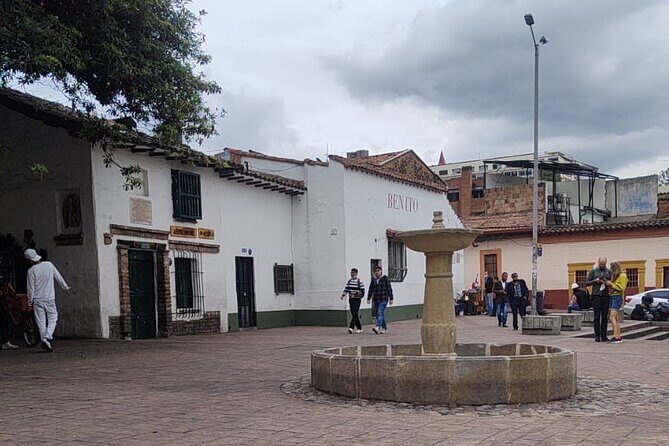
The tour squeezes in two “small but meaningful” breaks that make Bogotá feel personal instead of just monumental.
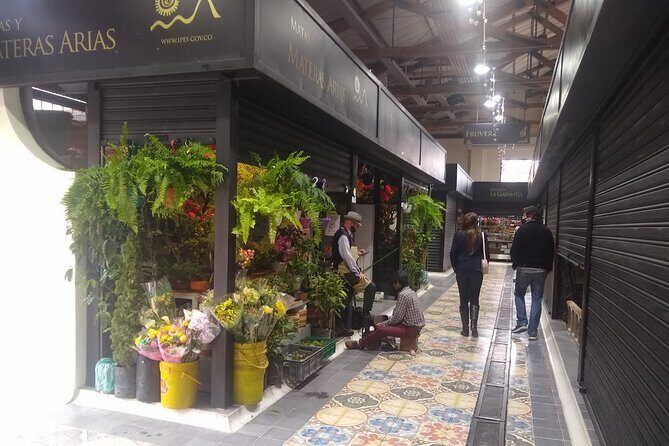
At Plaza de Mercado La Concordia, you’ll spend time with fruits and flavors, and you can choose the fruit juice you want. This is the kind of stop I love on short city tours because it gives you a sensory souvenir you can finish right away. Instead of memorizing a menu you’ll never remember, you taste the region’s produce and the flavor combinations that locals reach for.
Next comes Plaza del Chorro del Quevedo, in the La Candelaria sector. The square is tied to the belief that Bogotá was founded on August 6, 1538. There’s also a doctrinal chapel in the area, and the route to it includes a narrow, cobbled road known as Calle del Embudo. This is the kind of place where you feel the city’s layers: early-era claims, colonial-era lanes, and everyday street life close together.
These two stops also balance your day food-wise. You go from sweet and fresh fruit juice to coffee and fritters later, with enough time in between to keep it enjoyable instead of overwhelming.
One small planning tip: if you’re sensitive to strong smells in market areas, you might want to keep water handy and take your time at each stand. The stop is short, but markets can be intense in a good way.
Luis Ángel Arango Library and the Gabriel García Márquez Cultural Center: culture stops in the city center
Central Bogotá has a way of surprising you. It can feel like a big administrative hub until you realize how much creative energy is built into the middle of town.
This tour includes Luis Ángel Arango Library, described as one of Colombia’s most important and among the busiest in the world. Even with a short visit, it gives you a sense that Bogotá doesn’t treat learning as something separate from daily life. The building itself becomes a landmark, and it’s a smart inclusion if you want a city tour that’s not only about churches and plazas.
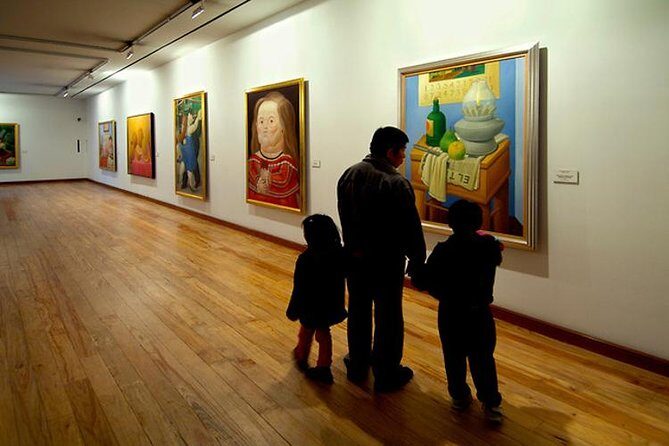
Then you’ll head to Centro Cultural Gabriel García Márquez, highlighted by its exposed brick and concrete structure and a central open-air plaza, designed by architect Rogelio Salmona. This stop matters because Salmona’s architecture tends to create spaces that feel both grounded and thoughtfully arranged. In other words, you’re not just walking past a building; you’re seeing how design shapes how people move through public space.
These cultural stops also help you keep momentum without burning all your energy. They’re not long museum marathons, so they fit well into a 4 to 5 hour (approx.) plan, even with some cobblestone walking.
Plaza de Bolívar: the political-religious heart of Bogotá
No Bogotá highlights loop is complete without Plaza de Bolívar, the city’s main square and a National Monument (declared in 1995). This is where you see Bogotá’s center of gravity: religious landmarks and the headquarters of key political institutions sit around the square.
What’s useful on this tour is the guided context. Instead of just looking at impressive buildings, you understand why they’re there and what roles they play. The highlights listed around the plaza include the Palace of Justice, the National Capitol, the Primate Cathedral of Colombia, the House of the Ecclesiastical Chapter, the Chapel of the Sagrario, the Archbishop’s Palace, and the Liévano Palace.
If you’re the kind of traveler who likes a “reason to care,” this is where the tour earns its keep. A square can look like a square unless someone puts it into focus. With a good guide, you start seeing the city’s structure rather than just its surface.
Other Monserrate tours and tickets we've reviewed in Bogota
Price and value: is $119 a fair deal for this mix?
At $119 per person, the value depends on what you’d otherwise spend time and money trying to coordinate.
Here’s what’s included:
- Private transportation (big deal in Bogotá, where distances and traffic can chew up a day)
- A bilingual guide
- Tickets to Monserrate
- Tastings: fruit and/or juices, 100% Colombian coffee, and fritters
- Insurance/medical assistance
- Admission where noted as free for key cultural and church/plaza stops
Not included: lunch.
For my money, the included Monserrate entry plus private transport plus guide time is what turns this into a “useful short day,” not just a list of names. If you’re traveling with a group and want to cut down on transfers and indecision, private logistics usually pay off fast.
The one place to be honest: without lunch included, you may need to plan a simple meal on your own before or after. If you’re someone who gets hungry easily, bring a light snack or plan to purchase something nearby after the tour. In one shared experience, a longer day version led to a helpful suggestion: pack snacks for extra coverage.
How long should you plan, and what about walking?
The tour runs about 4 to 5 hours, and that timing works well if you want a single organized day that still leaves you energy for dinner plans.
But the day includes several types of movement:
- A ride up and down Monserrate via cable car or funicular
- Walking through La Candelaria streets, including cobbled areas
- Stops around central Bogotá where you’ll move between plazas and landmarks
Altitude is the other variable. Since Monserrate sits high, I’d plan for slower breathing and more frequent rest breaks. A big positive from real feedback is how guides can adjust pace. One group of seniors specifically praised how the guide paced them and waited patiently as they caught their breath.
So my practical advice: wear comfortable shoes with grip, keep water with you, and don’t treat this as a “just quick photos” stroll. It’s short, but it’s active.
Who should book this Bogotá pairing of Monserrate and La Candelaria?
This tour is a strong match if you want:
- A first-time Bogotá introduction that hits viewpoint, neighborhood, and city center icons
- Food and culture in the same half-day: fruit juice tasting, Colombian coffee, and fritters
- A private experience with a bilingual guide who can explain what you’re seeing and keep the day organized
It may be less ideal if you:
- Want only indoor museum time (this mix is largely outdoor walking plus a couple of culture stops)
- Have very limited ability to handle cobblestones and stairs
- Expect lunch to be included automatically (it isn’t)
If you’re traveling as a couple, with friends, or as a family group, private transport and timed stops can make the day feel calm instead of chaotic.
Should you book La Candelaria with Monserrate in Bogotá?
If you’re looking for a short, high-impact Bogotá day, I’d book it. The combination of Monserrate’s altitude views, the character of La Candelaria, and the grounded tastings (fruit juice, coffee, fritters) gives you more than a checklist. Add in private transportation, Monserrate tickets, and a bilingual guide, and the $119 price starts to look like a pretty efficient way to spend your time.
Just go in with the right expectations: bring comfortable shoes, plan for altitude, and account for the fact that lunch isn’t included. If you want a guided day that feels organized but still leaves room to enjoy the city’s texture, this one makes a lot of sense.
FAQ
How long is the La Candelaria with Monserrate tour?
It runs about 4 to 5 hours on average.
How much does it cost?
The price is $119.00 per person.
What’s included in the price?
You get private transportation, a bilingual guide, Monserrate tickets, insurance/medical assistance, and tastings (fruit and/or juices, 100% Colombian coffee, and fritters).
Is Monserrate ticket admission included?
Yes, tickets to Monserrate are included, and you’ll have time at the summit viewpoint.
How do you get up and down Monserrate?
You use either the cable car or the funicular to ascend and descend.
Where do the food and drink tastings happen?
You’ll have tastings at Plaza de Mercado La Concordia (fruit and juice you choose) and at the Barrio La Candelaria coffee stop (100% Colombian coffee and fritters).
Is lunch included?
No, lunch is not included.
Is the tour private?
Yes. It’s private, and only your group participates.
What if weather is bad or I need to cancel?
The experience requires good weather. If it’s canceled due to poor weather, you’ll be offered a different date or a full refund. Cancellation is free up to 24 hours in advance for a full refund.