REVIEW · BOGOTA
Specialty Coffee Tasting in Bogotá, From coffee growers to your cup
Book on Viator →Operated by Café González · Bookable on Viator
Coffee gets way more interesting when you compare methods. This 2-hour specialty coffee tasting in Bogotá walks you through four brewing techniques and the choices behind flavor, all at Café González. I like the fact that you are not just drinking coffee; you are learning how to taste it with intention, using a flavor table to connect notes to real memories.
The second thing I really enjoyed is the hands-on feel: you taste, you compare, and you get taught how grind size, water, and pouring can change what hits your tongue. One thing to consider: communication at the meeting point can be a weak spot, so show up a little early and double-check you have the right contact on your confirmation.
In This Review
- Key things I’d highlight
- Specialty coffee tasting in Bogotá, where farm choices become cup choices
- Your coffee lineup: AeroPress, V60, French Press, and Japanese Siphon
- AeroPress
- V60
- French Press
- Japanese Siphon
- Washed, honey, natural, and another washed: what processing changes
- The empanada break, flavor table, and why snacks matter
- How to use the flavor table during the tasting
- How the host teaches control: grind, water, and pouring
- What you can do after
- Price and value in Bogotá: what $30 buys you
- Who this fits best (and who should skip it)
- Practical planning tips for Cra 19 #123-60
- Should you book this specialty coffee tasting?
- FAQ
- How long does the specialty coffee tasting last?
- How much does it cost?
- What brewing methods are included?
- Do you taste different coffee processing styles?
- Is there food during the session?
- Where does the tour start?
- How big is the group?
- Are service animals allowed?
- Will I get confirmation after booking?
- Is free cancellation available?
Key things I’d highlight
- Four brew methods, one flight: AeroPress, V60, French Press, and Japanese Siphon in a single tasting order.
- Process comparisons: you taste coffees from washed and honey processing first, then natural and another washed coffee.
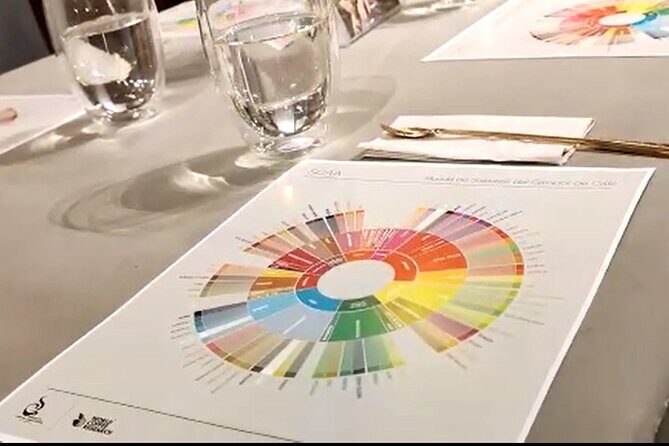
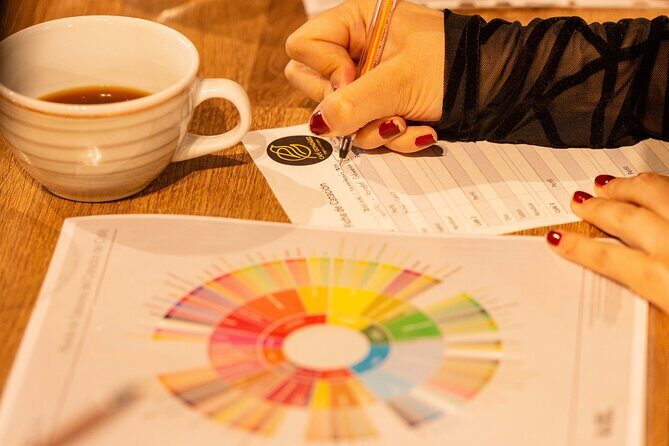
- A flavor table to train your palate: you match tasting impressions with specific flavor cues.
- Coffee + food pacing: you get a baked empanada before the later cups, which helps reset your palate.
- Small group size: capped at 15 people, which makes questions easier.
- A take-home touch: you may receive a certificate at the end, plus dessert.
Specialty coffee tasting in Bogotá, where farm choices become cup choices
If you have ever wondered why two coffees that both claim to be specialty can taste totally different, this tasting is built for you. Instead of treating coffee like a single thing, you experience it as a chain of decisions—from how the beans are processed to how they are brewed—then you taste the result cup by cup.
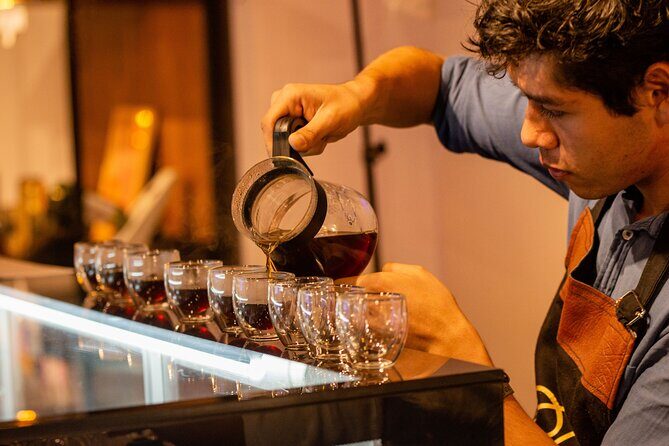
You start at Cra 19 #123-60 in Bogotá, and the session runs about 2 hours. The host leads you through four prepared cups using different methods: AeroPress, V60, French Press, and Japanese Siphon. That matters because brew method controls things like extraction and how the coffee texture feels in your mouth. When you try them back-to-back, you stop guessing and start noticing.
I also appreciate the teaching style: the goal is not to overwhelm you with jargon. It is to help you identify what you actually prefer—lighter or fuller, cleaner or heavier, and the kinds of flavors you keep picking up. In one session I saw hosts named Jorge and Andrea described as patient and engaging, which is exactly what you want for a tasting where you are asked to pay attention.
The only drawback to plan around is coordination. There are reports of the cafe being closed or staff not being present right on time at the meeting point. That is not something you should ignore. Give yourself a buffer, and if you are running late, make sure you communicate so you are not left waiting.
Other coffee farm and tasting tours from Bogota
Your coffee lineup: AeroPress, V60, French Press, and Japanese Siphon
You do not taste one random coffee at a time. You get a structured flight built around four methods, and that structure is the whole point.
Here is what this usually feels like in practice: each cup arrives prepared in its specific style, you smell first, then you taste, then the host guides you to compare. You are encouraged to notice how small changes affect flavor perception—especially grind, water, and pouring—because those are the levers you can actually control later if you make coffee yourself.
AeroPress
AeroPress is often a favorite for people who want a different kind of clarity than drip. In a tasting like this, it is useful because it highlights how a method can bring out certain flavors while smoothing others. Even if you cannot name every note yet, you can still tell when one brew feels cleaner or more direct.
V60
The V60 is a great contrast cup. If AeroPress tastes a bit more controlled, V60 often feels more expressive because of how the pour interacts with the coffee bed. You should pay attention here to how aroma develops as the coffee warms slightly.
French Press
French Press is the texture lesson. In a flight, it helps you feel the difference when extraction is heavier and body tends to be more pronounced. If you prefer coffee that feels rounded and substantial, this is usually the method that wins people over.
Other food & drink experiences in Bogota

Japanese Siphon
The siphon tends to be the showpiece. It is also a good “teaching moment” because it forces the host to explain the role of technique and timing. When done right, it can show you how aroma and flavor balance can shift with process.
By the end of the four-cup segment, you should be able to answer your own question: what brewing style fits your taste? Some people come in wanting “the best coffee.” You will likely leave with a more useful goal: the best coffee for how you like it.
Washed, honey, natural, and another washed: what processing changes
The tasting does not stop at brew method. It also tests how the beans were processed. That is huge in Colombia, where you hear about washed, honey, and natural lots all the time—and it is easy to talk about them without actually tasting the difference.
The session starts with two origins processed in different ways:
- one in the washed process
- one in the honey process
As you taste, the host also gives you some context about the coffee, including coffee history tied to how these methods shape flavor. After that, you try a baked empanada to prep your palate for what comes next.
Then the next two coffees focus on:
- a natural process coffee
- another wash coffee
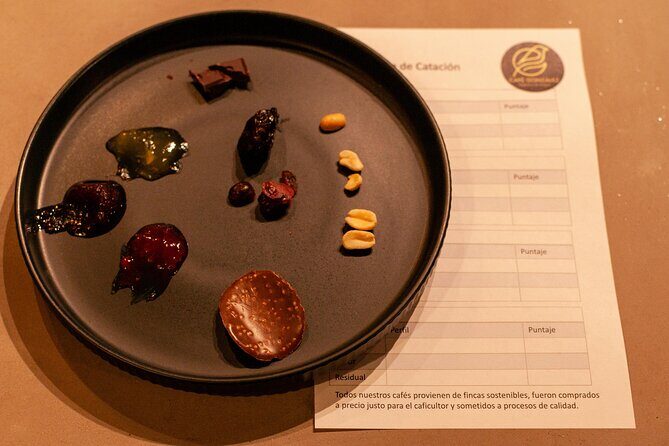
Even if you do not catch every term, you can still learn the practical outcome: processing affects sweetness, fruitiness, acidity, and how the coffee finishes on your tongue. Your tasting table helps here. Instead of only saying this one is better, you can start to connect impressions to categories like fruit notes, chocolatey tones, or more floral signals.
One useful skill you can take home is learning how to describe what you like without forcing it into a script. If you notice you keep reaching for coffees with a certain kind of finish—clean vs. lingering—that is a real preference you can use when you order again.
The empanada break, flavor table, and why snacks matter
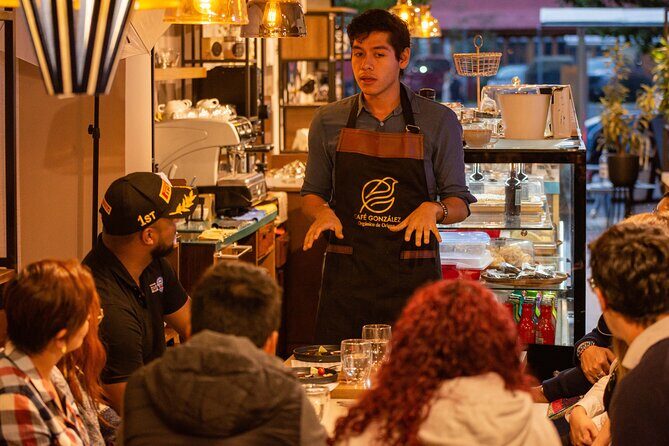
This is not a coffee tasting where everything happens in a blur. The session includes a baked empanada right after the first set of tastings. That is not a random extra. It is a palate reset. Coffee can coat your mouth, and if you keep going without a break, you end up tasting less accurately.
You also have a table of flavors available. This is one of the smartest parts of the experience because it gives you something to grab onto while tasting. When your brain goes blank—what was that note? what did I smell?—the table helps you connect impressions to words, which makes it easier to remember later.
And yes, there is often a finishing touch. One experience described a cute certificate and dessert at the end. Even if you do not care about certificates, that kind of closing moment signals that the session is meant to feel complete, not just transactional.
How to use the flavor table during the tasting
Use it like a tool, not like a test:
- smell first, then match one or two words
- compare to the last cup before adding new words
- do not try to get every note perfect
This keeps you from overthinking and helps you actually learn your taste.
How the host teaches control: grind, water, and pouring
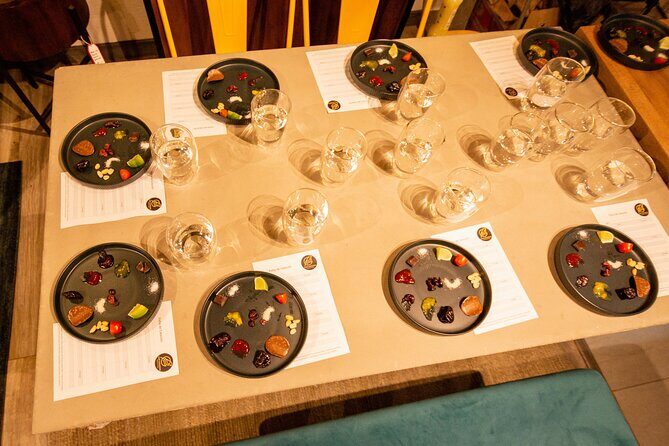
This tasting is built around cause and effect. The host explains how you can modify coffee attributes, specifically grinding, water, and pouring. That is what makes the session useful after the tasting ends—because you can recreate at least part of the results at home.
Even without exact numbers, you can learn the direction:
- grind affects how quickly coffee extracts
- water choices influence extraction and overall clarity
- pouring changes agitation, flow rate, and how evenly the coffee bed is treated
In a good session, you should feel your confidence grow. You are not memorizing a recipe. You are building an intuition for what matters.
This is where the best hosts shine. Jorge and Andrea are both described as patient, and the instruction style focuses on interacting with the group rather than rushing. That matters because coffee tasting is slow by nature. If the host is too fast, you never build the mental links between what you did and what you tasted.
What you can do after
If you want this tour to pay off long-term, do this after you buy or brew:
- pick your favorite method from the four
- make one change at a time (often grind first)
- taste again and use the flavor table as your language
That turns a one-time experience into a repeatable skill.
Price and value in Bogotá: what $30 buys you
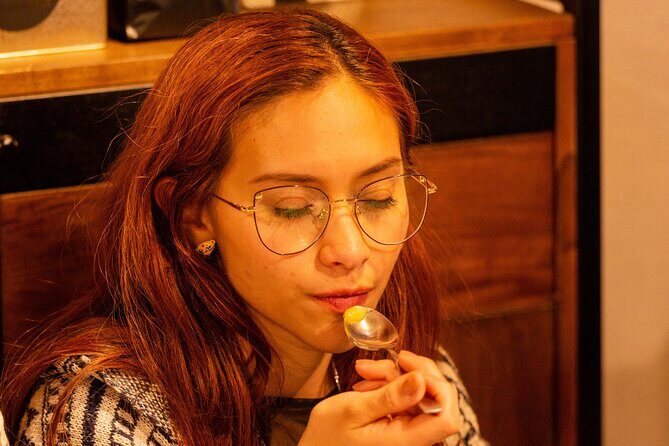
At $30 per person, this is priced like an experience, not a basic cafe tasting. The value comes from what you get in the time block: four method tastings, guided comparison, process discussions (washed, honey, natural, and wash), and food support with a baked empanada. Add in the possibility of dessert and a certificate, and the price starts to make sense.
Two hours also helps. You do not wander between multiple places. You concentrate on learning and tasting. For many visitors, that is the difference between spending money on coffee and spending money on learning.
If you are the kind of person who likes hands-on instruction, this feels like a good deal. If you only want caffeine and you are not interested in how coffee changes, you may feel like the session is more educational than indulgent. Still, the tasting format keeps it grounded in flavor, not lecture.
Who this fits best (and who should skip it)
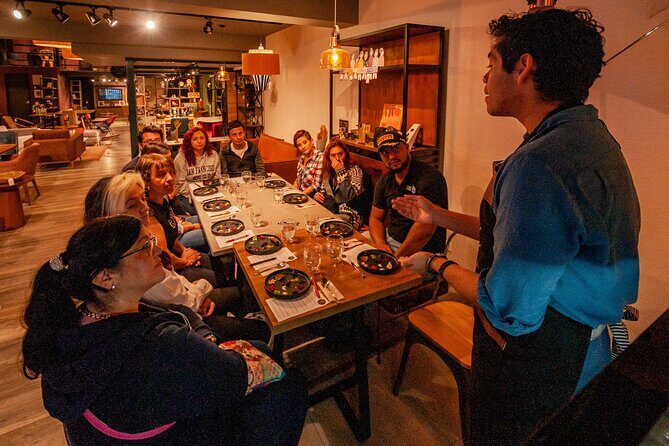
This tour is best for:
- coffee lovers who want to identify preferences, not just drink what is offered
- people who are curious about processing methods like washed vs honey vs natural
- anyone who likes small-group instruction and Q&A
- visitors who want a practical explanation of brewing choices they can use later
You might skip it if:
- you want a long sit-down cafe vibe instead of structured tastings
- you are extremely time-crunched and cannot arrive on schedule
- you dislike anything educational and prefer only casual sampling
Also, this activity is capped at 15 participants, so it is not crowded. That usually improves the quality of the interaction.
Practical planning tips for Cra 19 #123-60
The meeting point is Cra 19 #123-60 in Bogotá, and the activity ends back there. It is near public transportation, which helps if you are moving around the city.
Because timing coordination has been an issue for at least some bookings, I recommend:
- arrive a bit early
- confirm your start time from your booking message
- if you are late, communicate instead of assuming someone will track you down
Service animals are allowed, which is a plus if you travel with an animal.
Should you book this specialty coffee tasting?
Book it if you want a structured, tasting-first way to learn coffee. Four brewing methods in one session plus process comparisons (washed, honey, natural) is exactly how you build real understanding fast. The best part is the mix of tasting and explanation, with hosts like Jorge and Andrea described as patient and interactive, which makes the learning feel human.
Skip or approach cautiously if you are sensitive to schedule slip. The meeting point coordination is the only clear concern. If you plan with a buffer and follow your confirmation details, it should be a smart use of two hours—and a great way to leave Bogotá with more than just a souvenir coffee taste.
FAQ
How long does the specialty coffee tasting last?
The experience lasts about 2 hours.
How much does it cost?
It costs $30.00 per person.
What brewing methods are included?
You will taste four methods: AeroPress, V60, French Press, and Japanese Siphon.
Do you taste different coffee processing styles?
Yes. You start with washed and honey process coffees, and later you taste a natural process coffee and a wash.
Is there food during the session?
Yes. You try a baked empanada during the tasting, and dessert is mentioned as part of the end experience.
Where does the tour start?
The start point is Cra 19 #123-60, Bogotá, Colombia.
How big is the group?
The group is limited to a maximum of 15 participants.
Are service animals allowed?
Yes, service animals are allowed.
Will I get confirmation after booking?
Confirmation is received at the time of booking.
Is free cancellation available?
Yes. You can cancel for a full refund if you cancel at least 24 hours before the experience’s start time. Cancellation less than 24 hours before the start time is not refundable.