REVIEW · BOGOTA
Villa de Leyva Day Trip from Bogota
Book on Viator →Operated by Impulse Travel · Bookable on Viator
A long drive out of Bogotá, then suddenly you’re walking Villa de Leyva’s preserved colonial streets and staring at the blue ponds that look unreal. I especially love how the day mixes big-name sights (Plaza Mayor, a main cathedral) with slower, hands-on stops like El Infiernito, where you learn how the Muiscas planned their harvests. If you’re doing this in one day, the best part is the variety: independence-era history at the Boyacá Bridge, prehistoric storytelling by the Pozos Azules, and real shopping time in Raquira. One drawback to plan for: it’s a 12-hour-ish day, and the roads mean you’ll want comfy shoes and patience with travel time.
You start early, with a 7:00 am hotel pickup, and you’ll be back around 7:00 pm. It’s a private tour, so you’re not stuck with a mixed crowd deciding the pace. That also means the schedule can feel intense, because you’re seeing several different “Colombia worlds” back-to-back.
In This Review
- Key Points You’ll Really Care About
- Price and Logistics: Is $281 Per Person Actually Worth It?
- Leaving Bogotá at 7:00 am: The Drive That Sets the Tone
- Boyacá Bridge: A History Stop You Don’t Have to Overthink
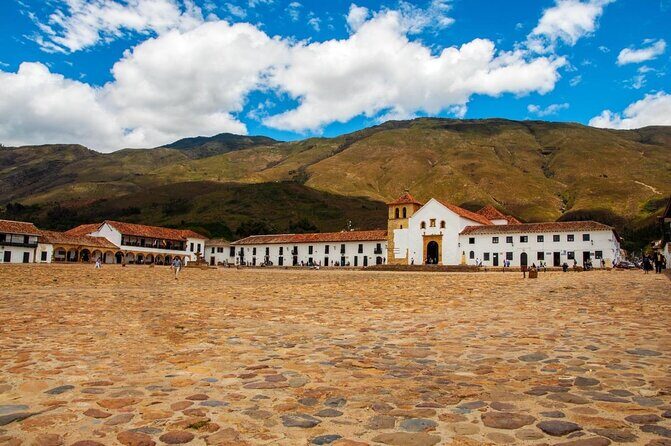
- Arriving in Villa de Leyva: Why This Town Feels Frozen in Time
- El Infiernito: Muisca Observatory and the Logic of Harvest Time
- Lunch on Your Own: Plan for Colombian Comfort Food Time
- Pozos Azules (Blue Ponds): The Stop That Looks Like a Photo Filter
- Raquira: Crafts, Pottery, and a Souvenir Stop That Feels Worth It
- How Long It Really Feels: A Day Trip With Two Worlds, Plus a Third
- Best For Who: Solo Travelers, Couples, and People Who Like Their Stops Connected
- A Note on Guides and Language: What to Expect From the Human Part
- Should You Book This Villa de Leyva Day Trip?
- FAQ
- FAQ
- How long is the Villa de Leyva day trip from Bogotá?
- What’s included in the tour price?
- What should I budget for lunch?
- Do I have time to shop in Raquira?
- Is El Infiernito and the Blue Ponds ticketed?
- Can I visit the Kronosaurus fossil?
- Can I cancel for a full refund?
Key Points You’ll Really Care About
- 7:00 am pickup and a full day (about 12 hours): early start, late return, so plan your energy accordingly.
- El Infiernito explains Muisca harvest planning: you’re not just looking—you’re learning the why behind the site.
- Pozos Azules are shockingly blue: contrast with the dry surroundings makes the photo results worth it.
- Boyacá Bridge connects to Colombian independence: history stop that adds context to the drive out of Bogotá.
- Raquira is great for crafts shopping: pottery and handmade goods with a more local feel than big malls.
- Optional dinosaur fossil stop near the Blue Ponds: a bonus for anyone who likes natural history.
Price and Logistics: Is $281 Per Person Actually Worth It?
At $281 per person, you’re paying for convenience and time. This isn’t a simple hop-on group bus. You’re getting private transportation from and to your Bogota-area hotel, plus an expert guide and entrance tickets for the listed stops. That matters because getting to Villa de Leyva on your own means extra hassle: timing the drive, figuring out where to park, and building a route that covers the main sights plus the outlying areas.
For me, the value question comes down to this: Are you doing one day only? If yes, this kind of packaged routing makes a lot of sense. If you have two or three days, you might choose a slower pace with more free time in town. But if your Colombia plan is tight and you want the “big overview” of the region, this tour is built for that.
One practical note: the itinerary is structured for a full sweep of highlights, so lunch is planned as an authentic Colombian meal you buy yourself, not included. Bring a bit of flexibility, especially if you’re picky about food timing.
Other Villa de Leyva day trips from Bogota
Leaving Bogotá at 7:00 am: The Drive That Sets the Tone
The day starts at 7:00 am with pickup from your hotel in the Bogota area. From there, you head north toward Villa de Leyva, with a key historical stop along the way. This is one of those rides where the travel time becomes part of the experience: you’re watching the region change as you go, and you’ll feel the shift from big-city pace to smaller-town rhythms.
Traffic can be a factor leaving Bogotá, depending on the day and time. The upside is that you’ll be going with a driver who knows how to manage the long route. You’re also not spending your brainpower on navigation, parking, or “where is the entrance?” moments.
Boyacá Bridge: A History Stop You Don’t Have to Overthink
You’ll stop at the Boyacá Bridge, tied to the Battle of Boyacá, a 19th-century event that helped secure Colombian independence from Spain. This isn’t just a marker on a map. It gives you context for why this part of Colombia matters historically, and it adds meaning to the rest of the day as you shift from colonial-era town life to pre-Columbian stories.
The key to enjoying this stop is to treat it as a quick “anchor.” You’re not trying to read every plaque. You’re using the guide’s explanation to connect the dots: independence-era history sits alongside Muisca culture and Spanish colonial preservation in the broader story of the country.
Arriving in Villa de Leyva: Why This Town Feels Frozen in Time
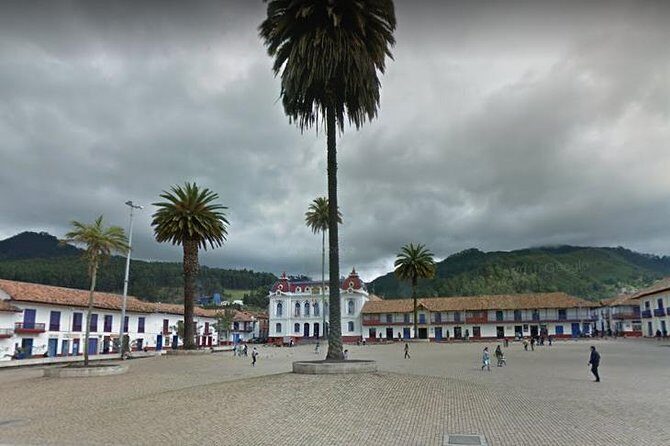
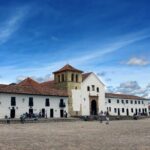
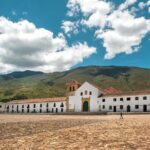
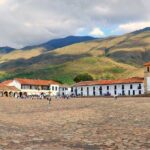
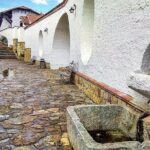
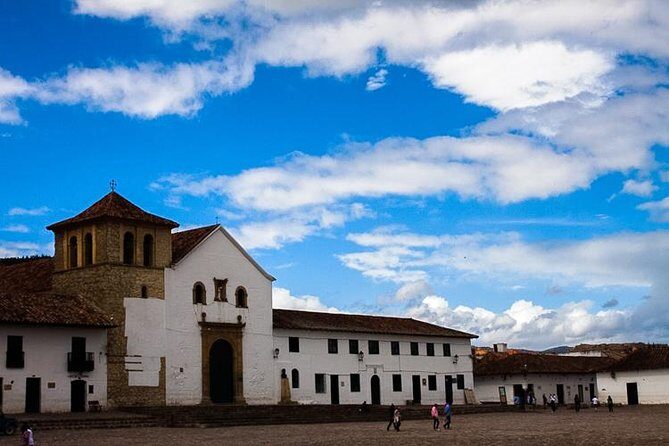
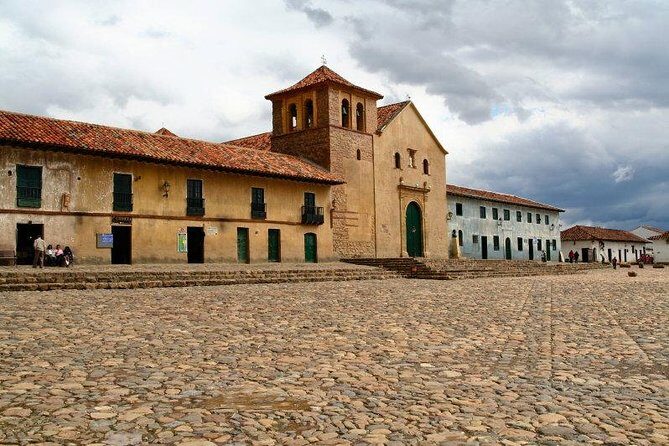
When you reach Villa de Leyva, the change hits fast. The town takes architectural preservation seriously, and that’s what gives it its special feel. The Spanish founded the settlement in 1572, and today it still carries that classic, old-world look.
You’ll have time to tour key sights with your guide, including the big public hub, Plaza Mayor, and Villa de Leyva’s Cathedral. The cathedral matters less for its interior details (those can vary by what’s open) and more for the way it signals the town’s colonial backbone. Plaza Mayor is where you get your bearings quickly: it’s open, dramatic, and it helps you understand why this place is such a popular stop.
What I like here is the pace: you’re not rushed straight into “shopping only.” You get time for the town’s core character first, which makes later craft stops feel like a continuation rather than a detour.
El Infiernito: Muisca Observatory and the Logic of Harvest Time
Next comes El Infiernito (Little Hell), an archaeological site linked to the Muisca. The name can sound dramatic, but the real payoff is what the site reveals. This place functioned as an ancient observatory, and the point wasn’t just astronomy for fun. It was about timing—how they calculated the right moments for harvests.
You’ll spend about an hour here, and you should expect the guide to explain the site’s purpose in plain language. If you like learning how people used their environment, you’ll enjoy this stop a lot more than a “look and leave” attraction.
Also keep in mind: El Infiernito is an archaeological area tied to interpretation. You’ll walk, you’ll look at structures in context, and you’ll rely on the guide’s explanation to connect the dots between calendar planning and the physical layout. It’s one of the best stops for turning a road trip into something meaningful.
A few more Bogota tours and experiences worth a look




Lunch on Your Own: Plan for Colombian Comfort Food Time
After El Infiernito, you’ll have time for lunch, but it’s not included. The tour frames it as an authentic Colombian meal, and that’s a good fit for the rhythm of the day. By this point, you’ve already done history and archaeology, so lunch becomes both a reset and a cultural moment.
My advice: don’t treat lunch like a grab-and-go chore. You’re on a heritage town schedule. Aim to eat at a place that looks busy and local, even if it’s not the flashiest menu. If you’re unsure what to order, ask your guide for a simple recommendation that matches what’s available in that area.
Pozos Azules (Blue Ponds): The Stop That Looks Like a Photo Filter
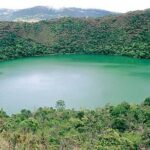
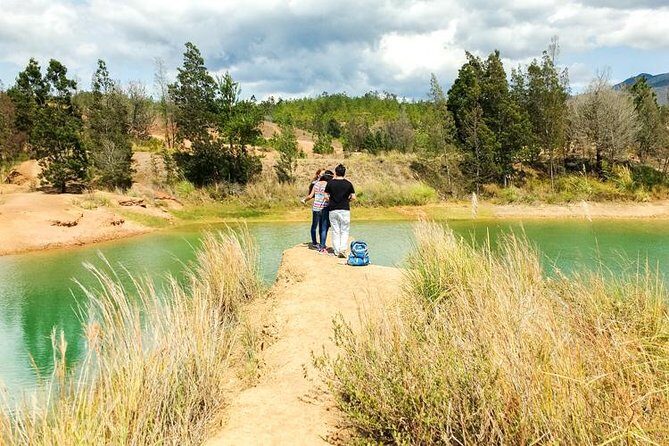
Then you hit the star attraction: Pozos Azules, the blue ponds. The contrast here is the whole story. The water is an intense cerulean-blue, and it shows up against the dry, arid soil around it. It’s one of those scenes where your brain says, no way is that real—until you’re standing there.
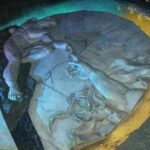
This stop is also where optional choices appear. There’s a possibility to visit the optional fossil stop tied to a Kronosaurus. The fossil is described as about 7 meters long, and it’s associated with the idea that this region was submerged under the ancient Atlantic Ocean about 120 million years ago.
If you’re into natural history, take the optional fossil time. If you’re more of a “walk, look, and move on” person, you can stick to the ponds and save energy for Raquira later. Either way, the ponds are the anchor.
Raquira: Crafts, Pottery, and a Souvenir Stop That Feels Worth It
On the way back, you’ll finish in Raquira, a colorful town known for handicrafts, especially pottery made from local red clay. This is your shopping window, and it’s timed so you’re not exhausted in a market maze. You’ll have the chance to browse craft stores for items like pottery, wood carvings, jewelry, and baskets.
What makes Raquira worth your time is the reason it exists as a destination: craft work is part of the town’s identity, not just a tourist add-on. If you’ve ever bought a souvenir that looked great in a photo but felt generic in your hand, this is the type of stop where you can slow down and choose something with actual character.
Practical tip: set a rough souvenir budget before you arrive. Craft shopping can turn into “just one more shop” fast.
How Long It Really Feels: A Day Trip With Two Worlds, Plus a Third
Even if the official timing says about 12 hours, the day moves in phases. Early morning drive out of Bogotá. Midday colonial-town focus. A history + archaeology block. A dramatic nature stop. A craft town finale. You’ll be back at your hotel around 7:00 pm.
This schedule works best if you treat it like a sampler platter rather than a relaxed day. You’ll see a lot, and you’ll have limited time to linger. But the trade-off is you get a sweeping view of the wider Bogotá region: Spanish colonial preservation, Muisca interpretation, independence-era history, natural history storytelling, and real local crafts.
If you want a slower pace with longer free time in Villa de Leyva, it’s worth considering a longer stay. That’s especially true if you enjoy hiking, museums, or doing more of the surrounding areas.
Best For Who: Solo Travelers, Couples, and People Who Like Their Stops Connected
This tour fits people who want structure and depth in one day. It’s particularly good if you:
- want an organized way to see Villa de Leyva without doing logistics yourself
- like connecting stories across time (Muisca → Spanish → independence history)
- enjoy shopping for crafts but don’t want to waste a whole day on it
- value a guide to explain what you’re seeing at El Infiernito and the Boyacá Bridge
Solo travelers should feel comfortable too. The tour is private to your group, and the guide and driver make the pace smoother than trying to coordinate multiple stops on your own.
A Note on Guides and Language: What to Expect From the Human Part
The tour includes an expert guide in your preferred language. That matters a lot on stops like El Infiernito, where explanation turns “ruins” into a calendar logic story. It also matters at the Boyacá Bridge, where context changes what you think you’re looking at.
I’ve also noticed that the best guides don’t just list facts. They connect the stops so the day feels like a single narrative. If your guide can clearly explain the harvest timing at El Infiernito and the meaning of the independence battle stop, you’ll likely walk away feeling like you got more than just photos.
Should You Book This Villa de Leyva Day Trip?
I’d book it if you’re short on time and you want a strong overview of the Bogotá region’s highlights in one organized package. The value is strongest when you count the convenience of private pickup/drop-off, guide interpretation, and entrance tickets—because those pieces add up fast if you build your own day.
I’d skip or reconsider if you want a slow, wander-every-street style visit to Villa de Leyva. This is a tight schedule, and you’ll trade lingering time for variety.
FAQ
FAQ
How long is the Villa de Leyva day trip from Bogotá?
It runs for about 12 hours (approx.), starting at 7:00 am and returning around 7:00 pm.
What’s included in the tour price?
The price includes private transportation from and to your Bogota-area hotel, an expert guide in your preferred language, and entrance tickets to the attractions mentioned.
What should I budget for lunch?
Lunch is at your own expense. The tour provides time to have lunch in Villa de Leyva.
Do I have time to shop in Raquira?
Yes. You’ll have time in Raquira to browse craft stores, with items like pottery, wood carvings, jewelry, and baskets.
Is El Infiernito and the Blue Ponds ticketed?
Yes. El Infiernito and the Pozos Azules (Blue Ponds) stops include entrance tickets.
Can I visit the Kronosaurus fossil?
The fossil visit is described as optional, tied to the Blue Ponds area. If it’s available on your day, you can choose to go or focus only on the ponds.
Can I cancel for a full refund?
Yes. You can cancel up to 24 hours in advance for a full refund.
If you want, tell me your travel dates and whether you’re more into history, nature photos, or craft shopping. I’ll help you decide if this “all-in-one” day hits the right balance for your style.