REVIEW · BOGOTA
Weaving Peace: Taste and understand what is happening in Colombia
Book on Viator →Operated by Impulse Travel · Bookable on Viator
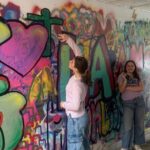
Colombia’s peace story starts on a sidewalk. I like how this tour links street-level history to real places you can stand in, and I love the art + conversation angle that makes the conflict’s emotional weight make sense. It also pays off fast for your time: you get food stops, clear context, and a chance to ask questions in the open air.
The main drawback is that this is not a sightseeing-only loop. Expect walking and reflective stops tied to heavy events, and on Mondays the Fragmentos gallery is closed, so the timing can shift.
In This Review
- Key highlights you should know
- Entering Bogotá Through Peace, Not Just Views
- Price and time: Why $72 can feel like a good deal
- Start at Arte y Pasión Café: the tour’s calm beginning
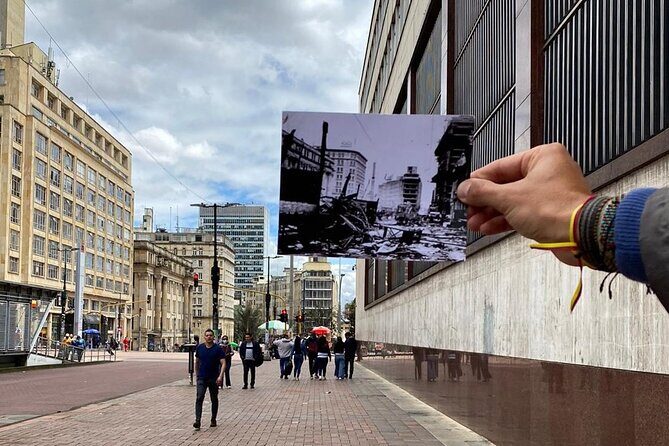
- Avenida Jimenez and 7th Avenue: placing the Bogotazo in real space
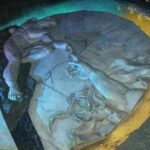
- Fragmentos: the counter-monument built from melted rifles
- Selva Nevada: ice cream with a side of fair trade farming
- Plaza de Bolívar: Q&A where history stays loud
- La Casa de la Paz and La Trocha beer (the 6-hour option)
- Chapinero lunch at Salvo Patria: peace work you can taste
- Walking, weather, and how to prepare
- Who this tour fits best
- Should you book Weaving Peace?
- FAQ
- FAQ
- How long is the Weaving Peace tour in Bogotá?
- Where do we meet for the tour?
- Is hotel pickup included?
- What’s included for food and drinks?
- Are admission tickets included?
- What happens at Plaza de Bolívar during the tour?
- Is Fragmentos always open?
- What extra stops are included in the 6-hour tour?
- Is the tour offered in English?
- Can I cancel, and what if the weather is bad?
Key highlights you should know
- Counter-monument Fragmentos uses melted rifles connected to the armed conflict, creating a monument made from aftermath, not victory
- Bogotazo-era streets on Avenida Jimenez and the 7th Avenue corridor help you place 1948 unrest in real geography
- Plaza de Bolívar Q&A connects big national moments to what people were arguing about in 2016 peace agreement demonstrations
- Selva Nevada ice cream ties taste to fair trade and biodiverse crop preservation with conflict-vulnerable farmers
- La Casa de la Paz + La Trocha beer gives you a dialogue space and a craft beer stop inside a peacebuilding workday
- Farm-to-table lunch in Chapinero supports community-minded food through Salvo Patria (with a Sunday fallback option)
Entering Bogotá Through Peace, Not Just Views
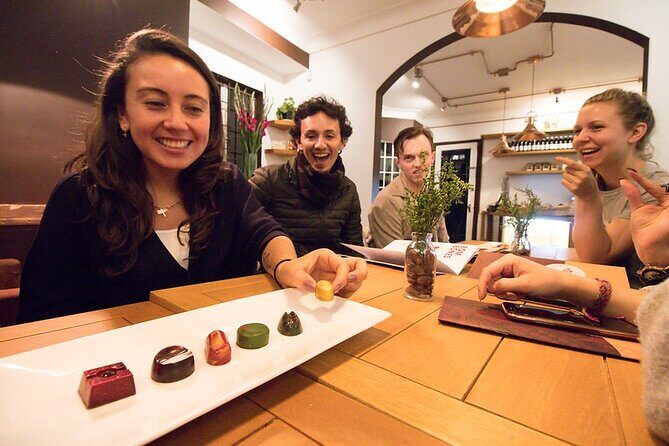
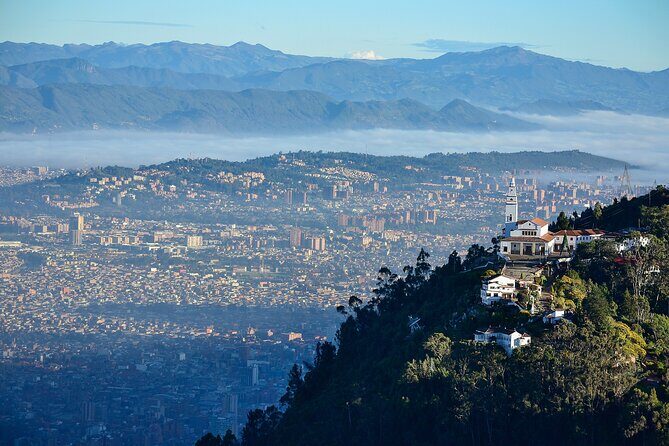
If you want Bogotá as a city you can feel, this tour is a smart way to do it. You start where locals gather, then you move through the center like a living timeline: riots, memorials, demonstrations, and today’s efforts at dialogue.
What makes it different is the pairing of emotion and explanation. You’re not only looking at plaques; you’re hearing how people connect events in 1948, 1985, and 2016 to what’s happening now. And you’ll keep food in the mix, because in Colombia, that’s part of how normal life returns.
If you're still narrowing it down, here are other tours in Bogota we've reviewed.
Price and time: Why $72 can feel like a good deal
The price is $72 per person for a tour that runs about 3 to 6 hours. For Bogotá, that’s not “cheap,” but the value is in the structure: multiple stops across central neighborhoods, guided context in English, and specific included meals/food tied to peacebuilding.
Here’s the practical part you should care about: this is a private experience for just your group. That means your questions get real answers, and the guide can pace things for your comfort—important on a topic this serious.
One more timing note: the plan is designed to last around 7 hours, but you can spend extra time at stops as long as you don’t exceed the total duration you booked. Wear shoes that can handle a few longer stretches.
Start at Arte y Pasión Café: the tour’s calm beginning
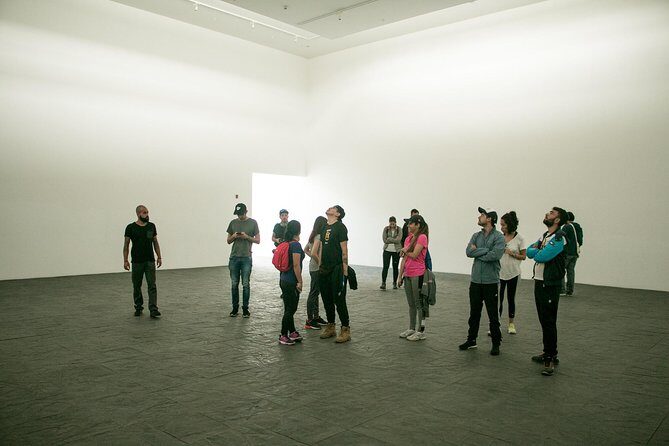
Your meeting point is Arte y Pasion Café on Cl. 10 #8 – 87. This is more than a convenient starting line. It sets the tone: you gather first, then you move out together with the guide’s context already in motion.
This first stop is also short—about 30 minutes—and it includes a free admission ticket. If you’re trying to get your bearings fast in Bogotá’s center, this kind of gentle start helps. You’re not plunged immediately into the heavy parts; you ease into the story with time to settle.
Avenida Jimenez and 7th Avenue: placing the Bogotazo in real space
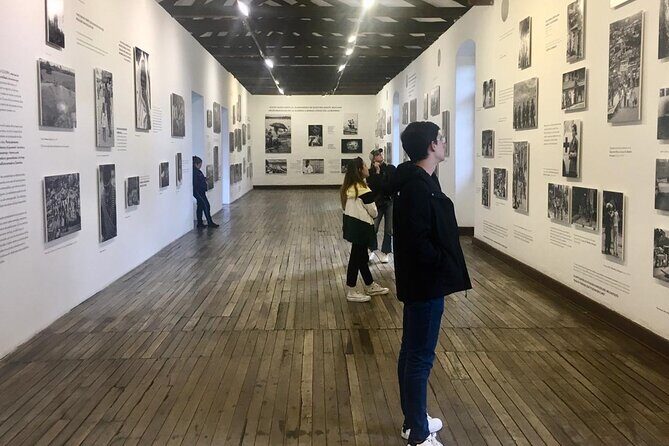
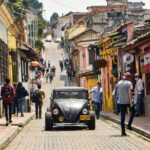
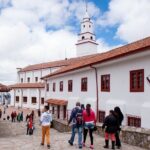
After that initial café stop, you walk toward Avenida Jimenez and the 7th Avenue corridor. This is one of the most useful parts of the day because it turns a historical headline into a set of streets you can picture.
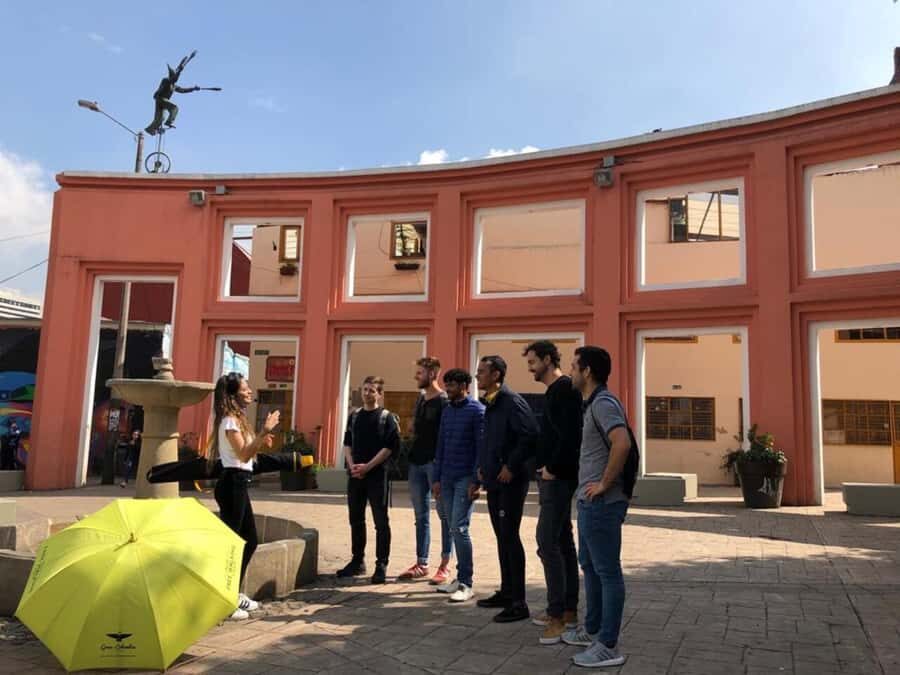
The guide explains the initiation of the political conflict and specifically what happened during the riots of Bogotazo in 1948. Then you continue through central landmarks along the way, including Santander Plaza, the San Francisco church, and Jorge Eliecer Gaitán’s memorial.
You’ll also see the eclectic architecture of the city center. That matters because architecture helps you understand why Bogotá feels layered: different decades, different intentions, different eras of public life.
This stop lasts about 30 minutes, with free admission tickets. It’s not long, so the guide’s job is to give you enough framing that you don’t feel lost. If you like to read a city, this is the section that helps everything click later.
Fragmentos: the counter-monument built from melted rifles
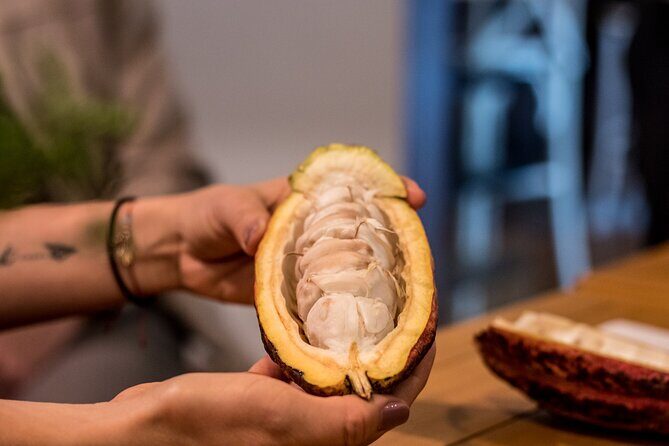
Next comes the emotional anchor: Fragmentos, a counter-monument created by artist Doris Salcedo and a group of women who were victims of Colombia’s armed conflict. The gallery itself is included when open, with about 1 hour allocated.
What makes Fragmentos powerful is the material choice: the artwork is built using melted rifles connected to FARC ex-members as raw material. And the idea behind its timeline is meant to mirror the length of the armed conflict. That turns “a monument” from a fixed statue into a living reminder of how long harm lasted.
The tour description also notes why this approach hits different: it’s a monument that doesn’t behave like the usual kind. It doesn’t feel like triumph; it feels like consequence.
A practical drawback to note: the gallery is closed on Mondays. If your schedule lands on a Monday, plan for the possibility that this part of the day changes. The tour operator says changes can happen due to external factors, and they’ll notify you in advance.
Selva Nevada: ice cream with a side of fair trade farming
After Fragmentos, you head back on a short walk and connect with Selva Nevada, a company working to preserve biodiverse crops across Colombia. The key angle here is that they’re working with conflict-vulnerable farmer communities through fair trade and association.
Then you get the reward: a sweet break with included ice cream. The menu includes both exotic options and more traditional flavors. This is one of those stops that feels small on paper, but it helps you reset your emotional gear without ignoring the theme of the day.
Why I like this as a tour design choice: it reminds you that peace is not only political. It’s also agriculture, income stability, and keeping local knowledge alive. Food becomes a bridge.
This segment is short—about 15 minutes—and it’s included.
Plaza de Bolívar: Q&A where history stays loud
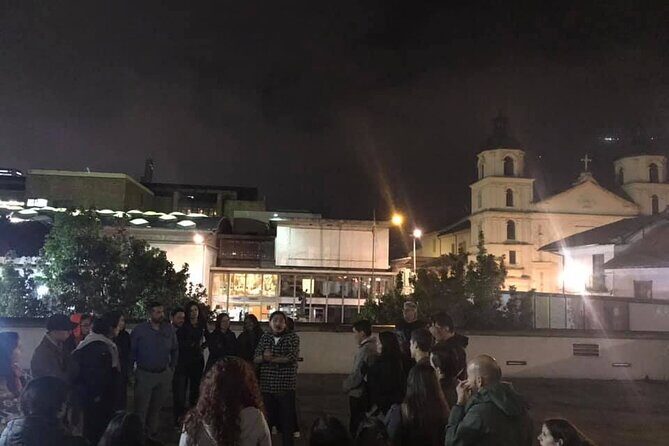
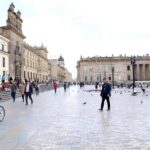
Now you arrive at Plaza de Bolivar, Bogotá’s main square. The tour shifts into a Q&A session here, which is exactly how you should experience a place like this. Big public squares aren’t museum spaces; they’re debate spaces.
Your guide connects multiple major events to this location, including:
- the siege of the Palacio de Justicia in 1985, described as one of the most remembered and bloody episodes
- demonstrations in favor of and against the 2016 Peace Agreement signing
- other events that have shaped the country’s current situation
This stop is about 30 minutes with free admission. Since it’s the end of the central “historical corridor,” the Q&A is the moment where you can ask the practical questions that stick in your mind: how to understand the competing narratives, what “peace” has meant in everyday life, and what you should keep reading or watching after the tour ends.
If you’re the type who likes to leave a place with clarity rather than just impressions, you’ll probably get a lot from this.
La Casa de la Paz and La Trocha beer (the 6-hour option)

If you book the longer version, you get a stop that feels less like a history lesson and more like a living workshop.
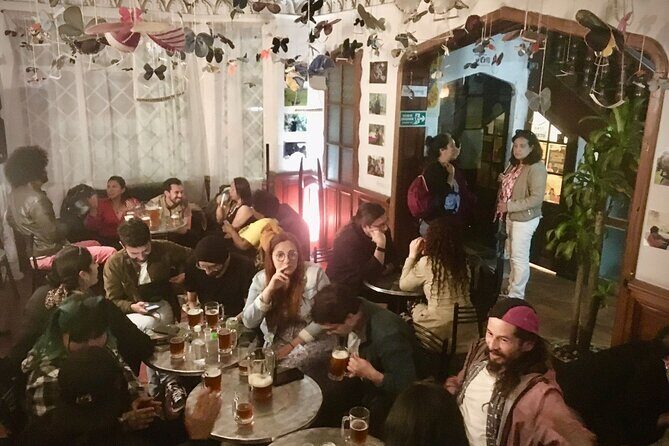
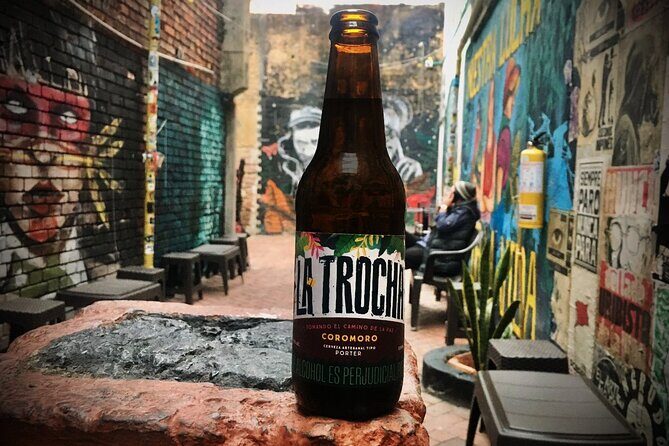
La Trocha – La Casa de la Paz is a dialogue space owned by former FARC militants who are now part of society. This is where you can meet people from different parts of the country who were directly affected by conflict and who today are leading projects as artists and entrepreneurs.
You’ll have time to contribute in a simple, grounded way: by visiting their craft shop. You can also buy souvenirs, and the tour includes a chance to walk around the brewery area.
And yes, there’s beer. You’ll taste La Trocha ale porter, described as among the best craft beers in Colombia. The tour notes that you can meet people in the space as you drink—so the beer isn’t just a random refreshment. It’s part of the social environment that supports conversation.
This stop runs about 1 hour 15 minutes and is included only on the 6-hour tour, with the tasting included.
Chapinero lunch at Salvo Patria: peace work you can taste
The last stop on the 6-hour route finishes in Chapinero. You’ll have lunch at Salvo Patria, a farm-to-table restaurant that contributes to peacebuilding communities through its food work.
The practical win here is timing: you’ve taken in intense material all day, and then you get a full meal so you’re not scrambling afterward. The tour length makes sense because lunch is the natural landing point.
If you’re traveling on a Sunday, the plan notes that lunch goes to Canasto if Salvo Patria isn’t available. That’s a helpful detail because it removes a common uncertainty.
This final lunch section is about 1 hour. It also helps you understand that peacebuilding isn’t only meetings and memorials—it shows up in how communities run businesses day to day.
Walking, weather, and how to prepare
This tour includes multiple walking segments through central Bogotá. It’s designed for most people to participate, but you’ll want comfortable clothes and good shoes.
Good weather is required for this experience. If conditions aren’t favorable, you’ll be offered a different date or a full refund. That matters because some of the day takes place outdoors, especially around the city center landmarks and public square time.
A useful tip: bring a mindset shift. You’re not going for light entertainment. You’re going for understanding—one stop at a time.
Who this tour fits best
This is a great match if you want:
- a guided way to understand Colombia’s conflict and peace process through real places
- a mix of art, memorial sites, and public squares rather than only lectures
- a day that includes food that supports local initiatives
You might want to choose something else if you prefer purely scenic walks or you’re sensitive to discussion tied to violent events. This tour doesn’t ignore that reality, and that honesty is part of why it works.
Also, because it’s private, it’s a good option for couples and small groups who want to ask questions without feeling rushed.
Should you book Weaving Peace?
I’d book it if you’re in Bogotá and you want your time to mean more than checking boxes. The strongest parts are the ones tied to understanding: Fragmentos and the Q&A at Plaza de Bolívar. They give you a framework for how people interpret the past and argue about the present.
The included food stops help keep the day humane: café at the beginning, ice cream tied to farming communities, craft beer and dialogue in the 6-hour version, then lunch that links food to community support. That combination makes the tour feel like a pathway, not a checklist.
If you’re choosing between the 3–6 hour options, think about what you want most. If you want dialogue and beer inside La Casa de la Paz, go for the longer format. If you want a tighter focus on the central landmarks and the key art stop, the shorter option still delivers a clear story arc.
FAQ
FAQ
How long is the Weaving Peace tour in Bogotá?
It runs for about 3 to 6 hours, depending on the option you choose and how long you spend at each stop.
Where do we meet for the tour?
The meeting point is Arte y Pasion Café at Cl. 10 #8 – 87, Bogotá, Colombia.
Is hotel pickup included?
Hotel pickup and drop-off are included for the 6-hour tour. Pickup is offered from Bogotá hotels, and you’ll need to provide your pick-up details.
What’s included for food and drinks?
Ice cream at Selva Nevada is included, and on the 6-hour tour you’ll also get a craft beer tasting at La Trocha. Lunch at Salvo Patria is included on the 6-hour tour.
Are admission tickets included?
Yes. Admission tickets for the stops listed are included, and the tour includes entry tickets for the activities and food mentioned.
What happens at Plaza de Bolívar during the tour?
You arrive at Plaza de Bolivar for a Q&A session, with the guide discussing major events that happened there, including the siege of the Palacio de Justicia in 1985 and demonstrations related to the 2016 Peace Agreement.
Is Fragmentos always open?
No. The Fragmentos gallery is closed on Mondays, so the tour flow may change on that day.
What extra stops are included in the 6-hour tour?
The 6-hour option includes La Trocha – La Casa de la Paz, plus a lunch stop in Chapinero at Salvo Patria.
Is the tour offered in English?
Yes. The tour offers a knowledgeable guide in the language of your preference, and English is listed as an offered language.
Can I cancel, and what if the weather is bad?
You can cancel for free up to 24 hours in advance for a full refund. The experience requires good weather; if it’s canceled due to poor weather, you’ll be offered a different date or a full refund.