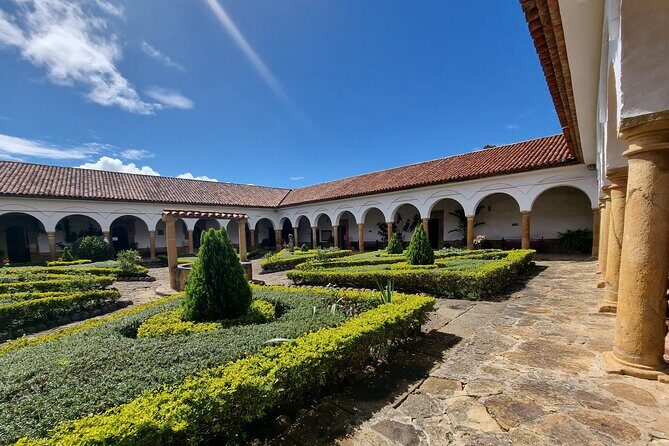
La Candelaria has a story in every step. This private 3.5-hour tour with Zebra Fisgona Tours connects Bogotá’s best-known landmarks to the lesser-seen stories behind them, guided by local context rather than a script. I love that the guide asks what you care about first, then shapes the route to match your pace and curiosity.
You’ll also get two standout moments that make the history feel personal: a coffee-and-cacao stop and a visit to Fragmentos, a powerful memorial tied to Doris Salcedo and women affected by Colombia’s conflict. The one thing to consider is timing: Fragmentos is closed on Tuesdays, so your itinerary may not include that interior stop on that day.
In This Review
- Key things to know before you go
- A First-Day Walk Through La Candelaria’s Big Themes
- Price and What You Actually Get for $70
- Starting at Plazoleta del Rosario: A University That Was Once a Jail
- Carrera 7: The Murder Mystery Corner and the Creative Side of Street Life
- Plaza de Bolivar: The Square Where Modern Colombia Was Tested
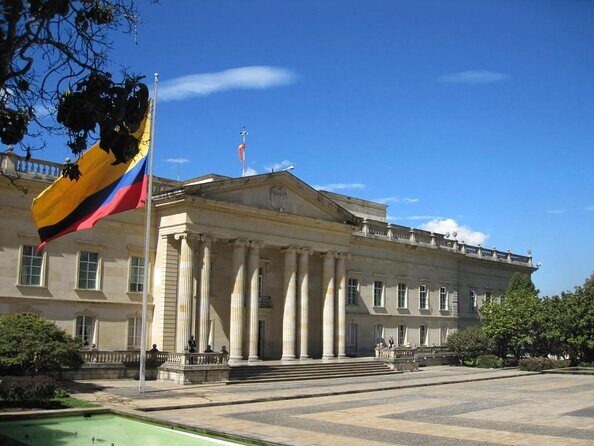
- The Presidential House Stop: Presidents, Power, and a Long Timeline
- San Agustin’s Baroque Church and the Gothic Sanctuary of Nuestra Señora del Carmen
- Fragmentos at the Museo Nacional: Doris Salcedo and the Cost of Conflict
- Chorro del Quevedo Finish: Graffiti, Local Social Life, and What to Do Next
- Why I Think the Tour’s Storytelling Works So Well
- Who Should Book This Private Candelaria Tour
- Should You Book This Candelaria Hotspots-and-Stories Tour?
- FAQ
- How long is the Candelaria tour?
- How much does the tour cost?
- Is this tour private?
- What’s included in the price?
- Are tickets required for the stops?
- Is Fragmentos open every day?
- Where does the tour start and end?
Key things to know before you go
- Private, interest-led route: your guide tailors the walk based on what you want to focus on
- Coffee and cacao pause: a local café stop built into the experience, with coffee history in the mix
- Carrera 7 storytelling: you’ll hear about a major murder mystery corner and then see how street commerce works
- Plaza de Bolivar context: the Justice Palace Siege is explained as part of how modern Colombia remembers
- Fragmentos memorial stop: Doris Salcedo’s work and the role of female victims of the conflict
- Finish at Chorro del Quevedo: end in a square known for local social life and graffiti
A First-Day Walk Through La Candelaria’s Big Themes
If you only have a little time in Bogotá, La Candelaria is the place to start. This tour is built to help you connect the dots between colonial-era buildings, the political weight of central plazas, and the realities of more recent Colombian history.
I like that the guide’s style is practical: you’re not just told what a site is. You’re told why it matters, then you move on before the story turns into lecture mode. You’ll leave with a clearer mental map and a better sense of what shaped the city.
Other La Candelaria walking tours we've reviewed in Bogota

Price and What You Actually Get for $70
At $70 per person for about 3 hours 30 minutes, the value comes from what’s included, not just the time on the street. Your tour includes tour insurance, a Zebra Fisgona tour guide, and coffee and/or tea as part of the experience.
Most importantly, the tour plan lists free admission for the scheduled stops. That helps keep your budget predictable. Tips and any extra purchases are on you, but the main structure is handled.
Starting at Plazoleta del Rosario: A University That Was Once a Jail
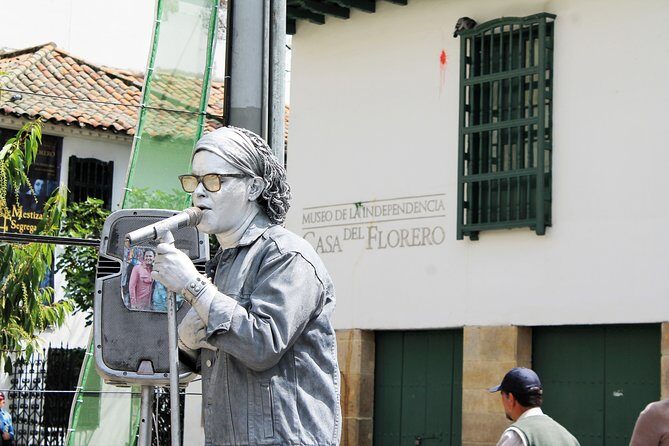
You begin at Plazoleta del Rosario in La Candelaria. The first stop looks at one of the country’s early universities, with an unsettling twist: it was known for being used as a jail during the colonial period.
This is a strong opener because it reframes what you see right away. You’re not just collecting pretty architecture—you’re learning that the same walls can hold very different lives across centuries. Even if you’ve visited similar districts elsewhere, this kind of “same place, different power” story helps you read Bogotá more carefully for the rest of the walk.
Carrera 7: The Murder Mystery Corner and the Creative Side of Street Life
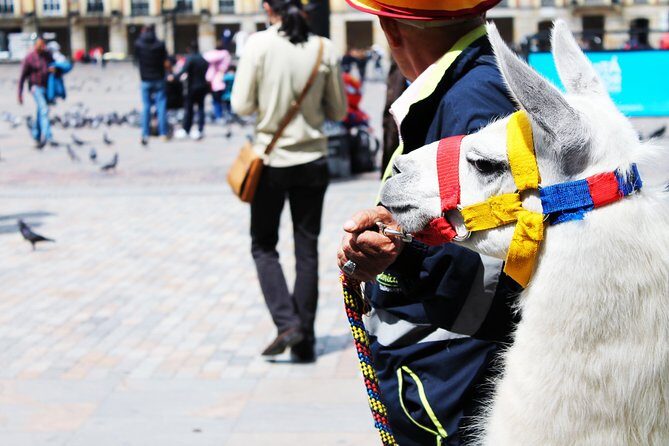
Next up is Carrera 7, with two different stops along the same main corridor. First, you’re shown the corner tied to Colombia’s biggest murder mystery. The guide explains the story and, crucially, how it shaped future events and marked the beginning of a new era.
Then you head back along Carrera 7 for a totally different angle: this is described as the most important commercial street in Bogotá since colonial times. Here the focus shifts from national mystery to everyday creativity—crafts, street vendors, and the kind of small-scale entrepreneurship you can only really notice by walking slowly.
If you like travel moments that feel human—small interactions, real street commerce—this section delivers. If you prefer only large monuments, you might want to pay attention to the guide’s pacing so you don’t miss the street-level details.
Plaza de Bolivar: The Square Where Modern Colombia Was Tested
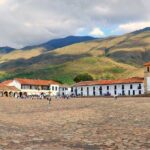
The tour spends about 35 minutes around Plaza de Bolivar de Bogotá, the major central square you’ve likely seen on photos. What makes this stop more than a postcard is the way the guide places recent history next to the monumental buildings.
You’ll learn about the Justice Palace Siege in the 90s, which is tied directly to this location. That kind of context changes how you view the space: you start looking for what survived, what symbolized authority, and what the country did afterward to move forward.
One consideration: this stop is longer than most others. It’s a good thing if you like atmosphere and history. It can feel like a lot if you’re short on stamina, so comfortable shoes aren’t optional.
The Presidential House Stop: Presidents, Power, and a Long Timeline
From the central square, you get a look at the presidential house of Colombia. The tour frames it as the residence and office of every Colombian president since the early 1900s.
I like this stop because it gives you a long timeline in a short moment. You see how a location becomes an institution, not just a building. And because the tour keeps connecting stories across eras, this fits naturally after the plaza’s modern political trauma.
You won’t be here for long, but you’ll likely feel that you’re standing in a place that carries weight beyond today’s headlines.
San Agustin’s Baroque Church and the Gothic Sanctuary of Nuestra Señora del Carmen
Two church stops bring a visual and emotional reset to the itinerary.
First is the Church of San Agustin, where you can go inside a baroque church described as a keeper of colonial secrets and hidden details. Even with just a short visit (about 15 minutes), entering a church this style helps you slow down. The guide’s stories make it more than sightseeing.
Then you reach Santuario Nuestra Señora del Carmen, noted as the only Gothic sanctuary of La Candelaria. You’ll have around 5 minutes here and a chance to take a picture with the Virgen del Carmen.
A quick heads-up for planning: both of these are spiritual sites with visual power. If you’re sensitive to heavy themes (like conflict memorials later), think about whether you want a calm break here—or prefer to stay in the political storytelling mode. The itinerary gives you a choice of tone.
Fragmentos at the Museo Nacional: Doris Salcedo and the Cost of Conflict
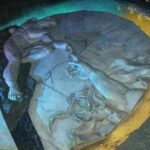
About 45 minutes is set aside for Museo Nacional de Colombia Fragmentos. This is one of the most serious stops on the tour, focused on how Colombia’s conflict is remembered and interpreted through art.
The tour describes Fragmentos as designed by Colombian artist Doris Salcedo and built by female victims of the conflict. That matters because it shifts the message from abstract politics to lived experience.
There’s one major practical consideration: Fragmentos is closed on Tuesdays. If you’re visiting on a Tuesday, you should treat this stop as the one most likely to be swapped or skipped, depending on the day’s routing.
If you prefer your history light and quick, this is the stop that will likely feel like the heaviest ask. If you want meaning and not just landmarks, this is the point where the tour earns its reputation.
Chorro del Quevedo Finish: Graffiti, Local Social Life, and What to Do Next
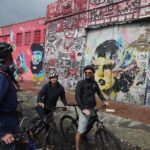
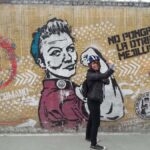
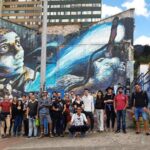
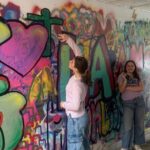
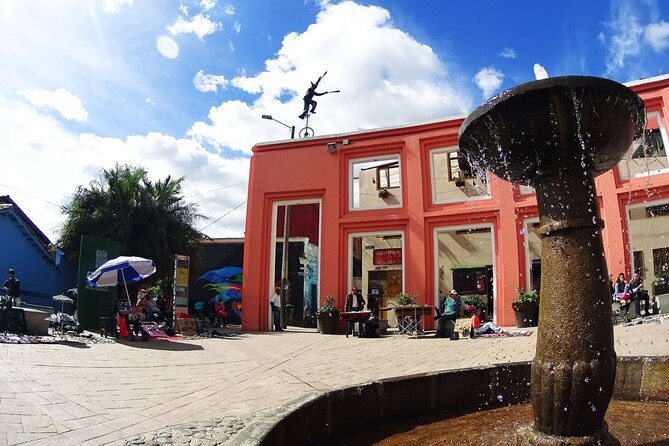
You end at Plaza Del Chorro Del Quevedo, with about 15 minutes to enjoy the area. This is described as one of the most lively local squares in the city, with a strong social atmosphere and graffiti art you’ll notice even if you’re not seeking it out.
The finish is smart: you’re not dumped at a random roadside. This square is positioned as a place where your next meal or drink can happen naturally, and your host can share recommendations for what to do next.
It’s a nice way to close a tour that starts with colonial foundations and ends with street-level creativity. By this point, you’ll probably feel like you understand the district’s rhythm—not just its major sights.
Why I Think the Tour’s Storytelling Works So Well
The best part of this experience is how the guide connects moments that could easily feel separate.
- Colonial power becomes visible in the university-turned-jail story.
- National shocks connect to specific spots like the Plaza de Bolivar and the Justice Palace Siege.
- Conflict isn’t treated as a distant concept; it’s tied to Fragmentos and the role of women affected by it.
- Everyday life shows up where you’d least expect it: in street commerce along Carrera 7.
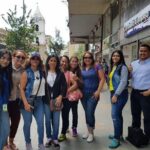
In the strongest example from my experience, the guide (Juani) started by asking what I was into and then tailored the walk around those interests. That made the tour feel personal, not generic. You’ll also get a pause at a local café for Colombian coffee and cacao, with the guide sharing coffee history as part of the stop.
And the practical payoff? Juani also recommended places for drinks and dinner afterward, and the suggestions matched the vibe of the area.
Who Should Book This Private Candelaria Tour
This is a great choice if you:
- want a private walk in La Candelaria where the route can match your interests
- like your history explained through real locations and real stories
- want both major sites (like Plaza de Bolivar) and more human street-level moments (Carrera 7 and the finish at Chorro del Quevedo)
It may be less ideal if you:
- hate walking in city streets for a few hours
- are visiting on a Tuesday and specifically want to include the Fragmentos interior stop
Should You Book This Candelaria Hotspots-and-Stories Tour?
Yes, if you want a focused first look at Bogotá’s core and you like guides who connect the dots instead of just naming landmarks. For $70, you’re getting a thoughtfully structured 3.5-hour route with coffee/tea, tour insurance, and stops that are listed as free admission—so you’re paying mainly for the guide’s time and the storytelling.
Book it especially if you like a mix of politics, art, and street life. Just keep Tuesdays in mind because Fragmentos is closed.
FAQ
How long is the Candelaria tour?
It’s approximately 3 hours 30 minutes.
How much does the tour cost?
The price is $70.00 per person.
Is this tour private?
Yes. It’s a private tour/activity, so only your group participates.
What’s included in the price?
The tour includes tour insurance, coffee and/or tea, and a Zebra Fisgona tour guide.
Are tickets required for the stops?
Admission tickets for the scheduled stops are listed as free in the tour plan.
Is Fragmentos open every day?
No. Fragmentos is closed on Tuesdays.
Where does the tour start and end?
It starts at Plazoleta del Rosario, La Candelaria and ends at Plazoleta Chorro del Quevedo, at Calle 13 con #carrera 2.