REVIEW · BOGOTA
Birding & Nature to Chicaque Cloud Forest Nature Reserve
Book on Viator →Operated by BOGOTA BIRDING & COLOMBIA WILDLIFE TOURS · Bookable on Viator
Cloud forest birding starts before Bogotá wakes up. This day trip to Parque Natural Chicaque is timed for active mornings and run as a private outing, so your guide can focus on your targets instead of herding people. I love that you’re given breakfast and lunch with the tour, so you can stay in the field longer without juggling your own meals. I also love the feeder-and-trail approach: you’re not just hoping a bird shows up, you’re working hummingbird feeders and listening for specific species like the Golden-bellied Starfrontlet.
The one possible drawback is the early start and the walking. You’ll want moderate fitness, grippy shoes for damp, mossy trails, and you should plan for cool, foggy cloud-forest conditions. Also note that admission tickets aren’t included in the tour price.
In This Review
- Key Points to Know Before You Go
- Why the 5:30 am start matters for birding in Chicaque
- Getting to the reserve: altitude, habitat, and what you’ll actually see
- The birding game plan: feeder stops and call-driven searching
- Hummingbird feeders: where chances improve fast
- Golden-bellied Starfrontlet and other targets
- Walking trails at cloud-forest speed: what to expect on the ground
- The meals are part of the plan, not an afterthought
- Your guide makes the difference: IDs, calls, and photo setups
- Weather and cloud-forest conditions: how to be ready
- Private transportation and pickup: smooth logistics for an intense day
- Price and value: what $600 buys you in reality
- Who this tour is best for
- Should you book Birding & Nature to Chicaque Cloud Forest?
- FAQ
- What time does the Chicaque birding tour start?
- Is pickup from my Bogotá hotel included?
- What’s included in the price?
- Are admission tickets included?
- Is the tour private or shared?
- How fit do I need to be?
Key Points to Know Before You Go
- 5:30 am departure keeps you in the best window for bird activity in Chicaque’s cloud forest
- Breakfast and lunch included means less stress and more time watching
- Private guiding gives flexibility if a target bird is missing or suddenly shows up
- Hummingbird feeders increase your chances of seeing multiple species in a short time
- Golden-bellied Starfrontlet and other endemics are realistic targets here
- Admittance is separate (admission ticket not included), so check what you’ll pay on site
Why the 5:30 am start matters for birding in Chicaque
This trip begins while Bogotá is still quiet. A 5:30 am departure isn’t just “early for fun.” In cloud forests, light and bird movement can make the difference between hearing a bird and actually seeing it well.
Chicaque sits at an altitude of roughly 2100–2700 meters, where mornings often feel cooler and conditions can be damp. Birds tend to be active, vocal, and visible when the light starts to build and the air settles. By the time you’re moving through the reserve, you’re already in that good rhythm.
You also avoid the most common problem with day trips: arriving late, getting a short hike, and then leaving before the best sightings happen. Here, the schedule is built around watching, not rushing.
Other Chicaque Cloud Forest tours from Bogota
Getting to the reserve: altitude, habitat, and what you’ll actually see
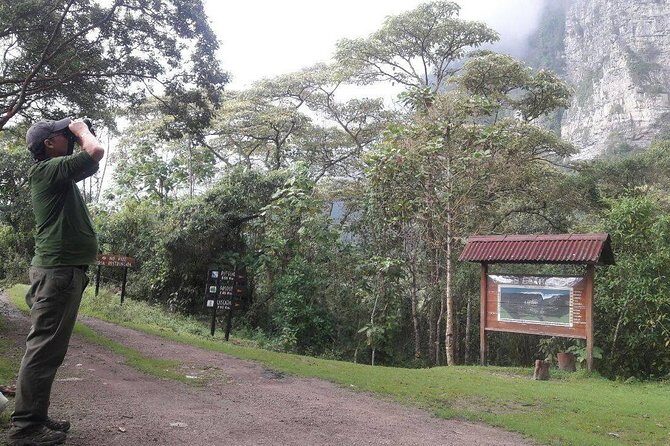
The reserve is about 1.5 hours from Bogotá, which makes it doable as a long day without needing an overnight. Once you reach Chicaque, the habitat does the hard work for you.
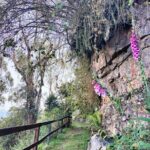
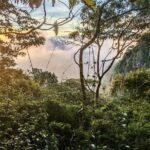
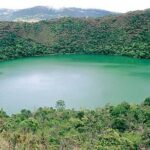
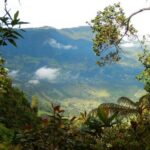
At this elevation, you’ll be in a subandino and Andean forest mix, shaped by constant humidity. Expect moss on surfaces, ferns and orchids in the understory, and a thick tangle of bushes. Oaks and palms show up too, depending on the micro-area.
That matters for birding because different birds use different layers: some stay higher, some cruise the mid-level shrubs, and others move in gaps where insects are active. Chicaque’s combination of forest structure and moisture is one reason guides can rack up long bird lists in a compact area.
Chicaque is also big on protection. It has more than 300 hectares, and the forest includes areas described as never logged. That kind of habitat stability supports a consistent bird community, not just a temporary burst of migrants.
The birding game plan: feeder stops and call-driven searching
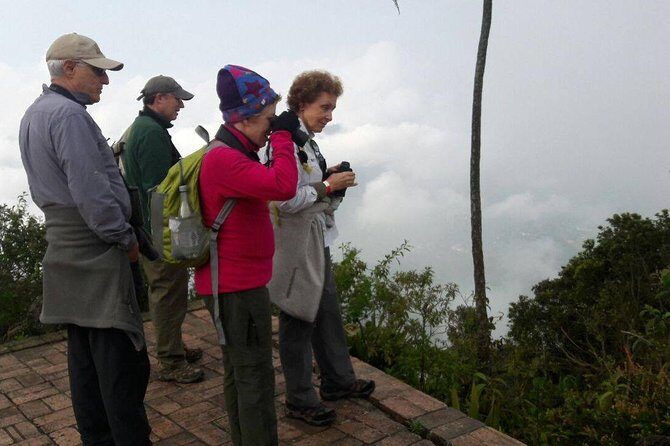
Your day is organized around two bird-finding tools that work especially well in cloud forests: hummingbird feeders and guide-led listening.
Hummingbird feeders: where chances improve fast
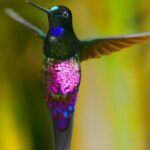
One of the practical perks of Chicaque is that you’re working feeders, not just wandering blindly. The feeder list tied to this reserve includes birds like:
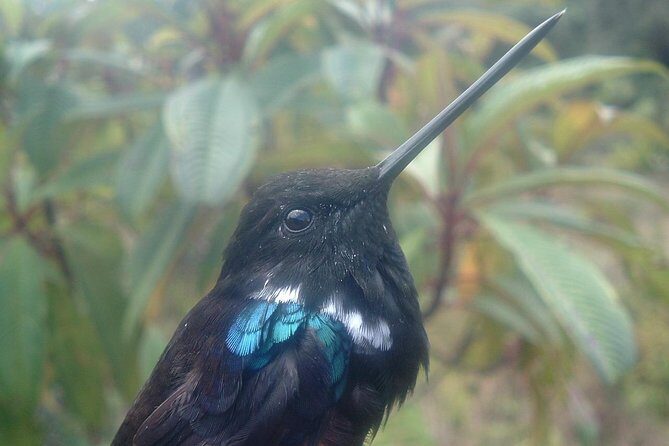
- Tourmaline Sunangel
- White-bellied Woodstar
- Sparkling Violetear
- Lesser Violetear
- White-collared Inca
- Mountain Velvetbreast
When these birds are active, your viewing can go from frustrating to suddenly exciting. Feeders compress time. You get repeated looks, better angles, and more time to learn what you’re seeing.
You may also hear about other hummingbirds in the same day, including species names like Sword-billed Hummingbird popping up in past experiences. The exact lineup can vary with weather and season, but feeder presence keeps your odds from depending on pure luck.
Golden-bellied Starfrontlet and other targets
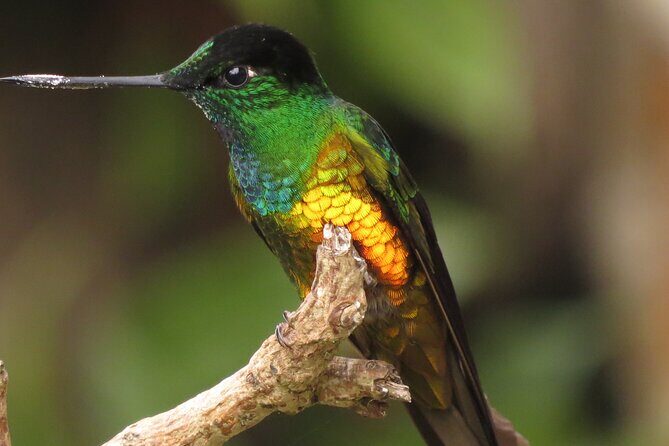
The star target here is the Golden-bellied Starfrontlet. This is the kind of bird that birders remember because it’s not just common; it’s special. Your guide’s job is to help you locate it and interpret what you’re hearing and seeing.
In similar outings, guides have used call playback to bring birds into view, and they’ve also managed to spot birds like Black Inca more than once on the same day. If you care about endemics and high-value species, Chicaque is the reason people plan early departures.
Other birdwatching tours in Bogota
Walking trails at cloud-forest speed: what to expect on the ground
Plan on hiking, mostly for bird access rather than big “scenic” hikes. You’re moving through forest and down trails where birds feed and move between patches.
Because Chicaque is humid, trails can be slick, especially with moss and wet stone. I’d treat your footwear like it’s for river rocks, not a city sidewalk. If it rained or if fog hangs around, surfaces stay damp longer than you’d expect.
The good part: you’re not alone with the terrain. A private guide can pace you and adjust the route based on what’s happening in front of you. If a bird is calling from a spot that’s reachable now, the guide can make a quick decision while keeping the walk comfortable.
Some outings also include driving assistance to save time, so you might not always need to walk every section the hard way. Still, don’t rely on the day being effortless. Bring a daypack and be ready to work for the sightings.
The meals are part of the plan, not an afterthought
This is a rare bird tour where food actually helps you succeed.
Breakfast and lunch are included, plus soda/pop. That sounds simple until you’ve done birding tours that try to solve hunger with vending-machine logistics. Here, the meals let you stay focused. You’re not cutting your hike short because you need to find food, and you’re not paying for snacks every time you get delayed by weather or bird activity.
There’s another practical benefit: cloud forests can blur time. Meals give you a clean break so you can come back to the trail awake and ready.
In past experiences on this route, breakfast and lunch have been described as clean and modern with authentic cuisine, and coffee has shown up as a memorable bonus while watching hummingbirds. Even if your exact meal order varies, the takeaway is consistent: you’re fed well enough to keep birding until the afternoon return.
Your guide makes the difference: IDs, calls, and photo setups
This is a private tour, so the guide can tailor the plan. That’s where the birding gets real.
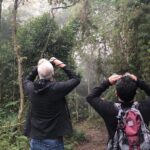
You might meet guides such as Leon, who’s known for rapid identification (including scientific names) and for using bird call recordings to draw birds into view. Another guide, Camilo Orjuela, has been described as patient with lots of questions and excellent at using vocal cues and positioning so photography is actually possible. Raul has also been mentioned for strong understanding of the cloud-forest ecosystem and hummingbird behavior.
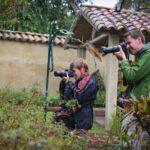
A few guides go beyond “point and say.” In some days, guides have used camera gear and shared images later via WhatsApp. One example mentioned a guide using digital SLR gear and a telephoto setup adapted for phones to record hummingbirds feeding. Whether you’re bringing a DSLR or just a smartphone, the key value is this: the guide helps you get to the bird first, then helps you record it well.
Also pay attention to how guides talk about endemics. You’re not just learning names; you’re learning what kind of bird it is, and how to recognize it in the field. That turns your day into a birding lesson you can reuse on future trips.
Weather and cloud-forest conditions: how to be ready
Fog and light drizzle can happen in a cloud forest. The good news is that birding doesn’t always shut down when the clouds roll in. The bad news is that damp conditions change footing and reduce visibility.
Here’s what you can control:
- Wear layers you can remove as the day warms up.
- Bring a rain layer even if skies look clear at the start.
- Use shoes with real traction.
Also, if you’re a photographer, remember that cloud mist affects contrast and shutter speed. A good guide can help you set priorities: take video when birds feed, take stills when birds pause, and don’t burn time chasing only one angle.
In short: expect the forest to do its own weather stuff. Your job is to show up prepared.
Private transportation and pickup: smooth logistics for an intense day
The tour includes transfers from your Bogotá hotel. Pickup is offered on the day of birding, and pickup details vary by party size. That matters because birding days start early, and late pickups can wreck the whole plan.
You’ll also be working with a mobile ticket, which usually means less paper hassle in the morning. The reserve entry itself is handled with the schedule in mind, but admission tickets are not included in the tour price.
Vehicles used for these trips have been described as clean and professional in past outings, and driving is part of the overall pacing. You’ll likely spend a decent chunk of the day on the move. That’s normal, because Chicaque is close enough to do in one day, but far enough that you don’t treat it like a neighborhood walk.
Price and value: what $600 buys you in reality
$600 per person sounds steep until you break down what’s included and why birding guides cost what they cost.
Included:
- Private transportation
- Breakfast
- Lunch
- Soda/pop
Not included:
- Admission tickets
- Propinas (tips)
So you’re paying for a full-day, private guide, plus dedicated transport, plus meals. In a place where the goal is specific species and good viewing, the guide’s skill is the product. When a guide knows calls, understands where to stand, and can get you on target without wasting time, the day becomes worth it fast.
Also, private guiding isn’t just comfort. It’s flexibility. If you want to focus on hummingbirds, you can. If you hear a target bird call, you can adjust quickly. This is one of those experiences where group tours can feel like a conveyor belt. Here, you’re not forced into a single pace or a fixed checklist.
If you’re traveling with a partner or a small group, private logistics often become even better value because the transport cost is spread and the guide still tailors the day.
Who this tour is best for
This is ideal if you:
- Care about birds and want a realistic shot at high-value species like Golden-bellied Starfrontlet
- Like structured birding (feeders plus trail searching), not random wandering
- Want a private guide who can answer questions and adjust the plan
- Have at least moderate comfort with early mornings and some walking
It’s also a great fit for people who want an English-speaking guide. The tour is offered in English, which helps you learn quickly instead of guessing what to listen for.
If you’re very mobility-limited, the walking and damp footing may feel like too much. But if you’re “fine with trails” and you bring the right shoes, you’ll likely find this very manageable.
Should you book Birding & Nature to Chicaque Cloud Forest?
Book it if you want a birding day that feels intentional: early start, feeder focus, and a guide who helps you locate and understand species in real time. The combination of included meals, private transportation, and specialized targets like starfrontlets makes it feel like more than a scenic outing. It’s a working birding plan in a reserve that supports high diversity.
Skip it or think twice if:
- You hate early mornings and damp, foggy conditions
- You don’t want to walk on potentially slick trails
- You’re expecting everything to be fully hands-off (the guide helps, but you still need to move)
If you’re on a short Bogotá visit, this is one of those day trips that can deliver memorable sightings without requiring hotel hopping or a multi-day setup. It’s a long day, yes. But for bird lovers, it’s the kind of morning-driven schedule that actually pays off.
FAQ
What time does the Chicaque birding tour start?
The tour starts at 5:30 am. Pickup is arranged for your hotel or airport on the day of the birding tour.
Is pickup from my Bogotá hotel included?
Yes. Transfers from your Bogotá hotel are included, and the guide will pick you up on the day of the tour. Pickup details can vary depending on the number of people in your group.
What’s included in the price?
The tour includes private transportation, breakfast, lunch, and soda/pop. It also includes a private tour format, meaning only your group participates.
Are admission tickets included?
No. Admission Ticket Not Included means you’ll need to pay the reserve entry separately.
Is the tour private or shared?
It’s a private tour/activity. Only your group will participate.
How fit do I need to be?
The tour asks for moderate physical fitness. Expect some walking in a cloud-forest environment, and trails can be damp due to humidity. Grippy shoes help.