REVIEW · BOGOTA
Birdwatching, Nature & photography in Sumapaz National Park
Book on Viator →Operated by BOGOTA BIRDING & COLOMBIA WILDLIFE TOURS · Bookable on Viator
A world of birds waits above Bogotá. In Sumapaz National Park, you start early, ride up to páramo heights, and spend the day searching for hard-to-find endemics like Apolinar’s Wren while learning how lagoons, forests, and frailejones support Colombia’s water. I love the way the guides work the birds—calling, spotting, and helping you actually see what you came for—and I love the photo-friendly pacing. The trade-off: it can be cold, breezy, and wet, so you’ll want serious layers.
This tour also keeps things practical for real birders and photographers. Birding is often done from the road, which means less grinding uphill and more time watching the action and composing shots. You’re not tackling extreme hiking, but you are dealing with altitude and changeable weather.
Finally, the day is built around comfort and food, not just species lists. You get breakfast, coffee and/or tea, lunch, bottled water, and soda/pop, plus round-trip transfers from many Bogotá hotels. With a maximum group size of 6, it feels personal without feeling precious or slow.
In This Review
- Key Things That Make Sumapaz Birding Worth Your Day
- First Light at 5:00 am: How the Timing Actually Feels
- Where You’ll Spend the Day: Páramo, Andean Forest Bands, and Lagoons
- Stop in Parque Nacional Natural Sumapaz: The Birding Sweet Spot
- Birds you can realistically target
- Photography and Cold Weather: What to Bring (So You Don’t Fuss)
- Food, Drinks, and a Likely Lunch Break Pattern
- Private Transfers and Small Groups: The Practical Part That Matters
- What About the Difficulty Level?
- Is the $370 Price a Good Deal?
- Should You Book This Sumapaz Birdwatching Day?
- FAQ
- What time does the birding tour start?
- How long is the Sumapaz birdwatching experience?
- Is pickup included from Bogotá hotels?
- What’s included besides the guide?
- Is the tour offered in English?
- How many people are in the group?
- What altitude and environment should I expect?
- Is there free cancellation?
Key Things That Make Sumapaz Birding Worth Your Day
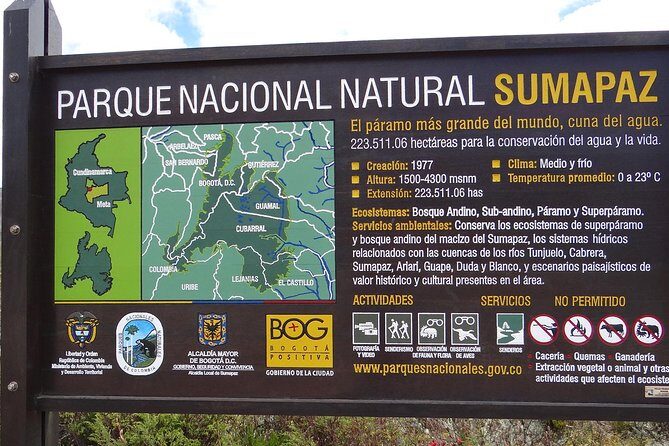
- World’s largest páramo: Sumapaz is the big one, and it’s a rare ecosystem to experience near Bogotá.
- Endemic birds within reach: You’re in range for birds tied to this region’s high-altitude habitat.
- Guides that find the tough ones: Calling and careful spotting can turn a distant sighting into an actual photograph.
- Photo-friendly conditions in the field: Chilly air often means good visibility, and road-based birding saves your legs.
- Real value in the package: Transportation, entry, and full meals show up in the price.
First Light at 5:00 am: How the Timing Actually Feels
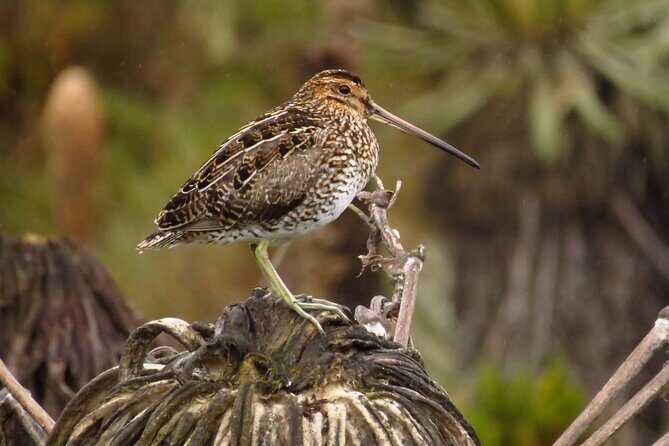
This is an early start tour, with pickup and departure around 5:00 am. It’s not random. Leaving before dawn helps you reach the park while temperatures are steadier and birds are more active, especially in cool, windy páramo conditions.
Once you’re in the vehicle, expect a ride of about 1.5 hours from Bogotá to the Sumapaz National Park area. Then the day shifts into birding mode: you’ll have time to scan open páramo areas and also the forest bands that sit in the broader mountain mix—páramo plus Andean forest types.
The upside of this schedule is clear: you get a full day with meaningful time in habitat, not just a quick roadside stop and a photo with the sign. The downside is equally real: if you hate waking up early, this tour will test your character.
Other Chingaza and paramo treks from Bogota
Where You’ll Spend the Day: Páramo, Andean Forest Bands, and Lagoons
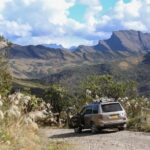
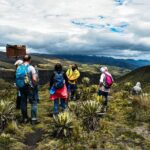
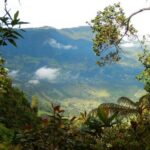
Sumapaz National Park sits roughly between 2,800–3,200 meters, so altitude is part of the experience, not a side note. You’ll be above tree line much of the time, in páramo country where the ground can feel soggy and the weather can flip fast.
Inside the park, you’ll encounter two major tropical mountain ecosystems: the páramo and Andean forests. The forest zones are described in bands, including high Andean forest, Andean, and subandino. That mix matters because birds respond to habitat edges—open ground species are different from forest-edge species.
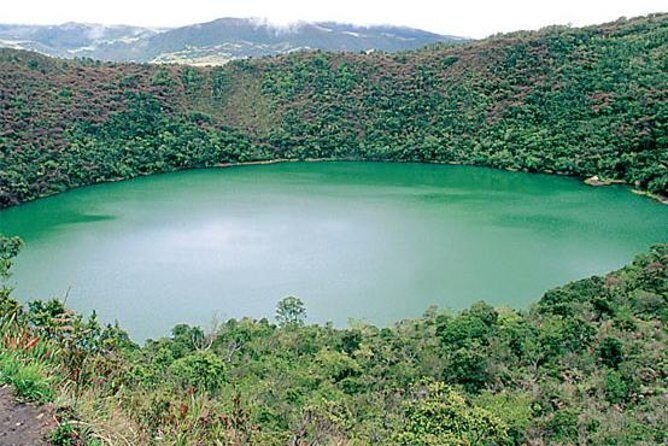
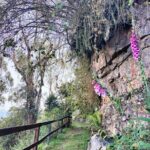
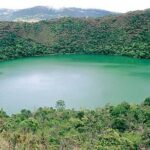
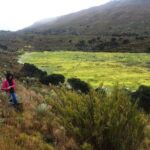
The páramo itself is the main draw. It’s famous for glacial-origin lagoons and for being one of Colombia’s key water sources. You may also hear guides talk about spectacled bears and deer living in this region. Even when mammal sightings don’t happen, you still get that sense of an ecosystem doing serious work.
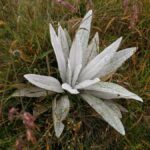
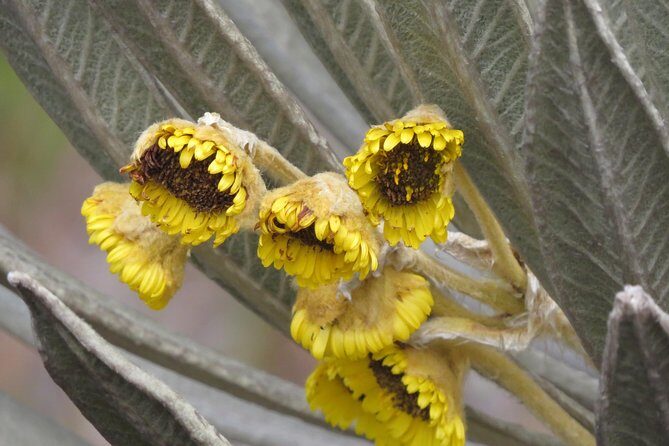
One plant you’ll likely notice quickly is espeletia, often called frailejones. These look odd in the best way—stout stems, dense heads of leaves—and they’re tied strongly to high Andean páramo landscapes. If you care about photography beyond birds, this is where your lens gets a second job.
Stop in Parque Nacional Natural Sumapaz: The Birding Sweet Spot
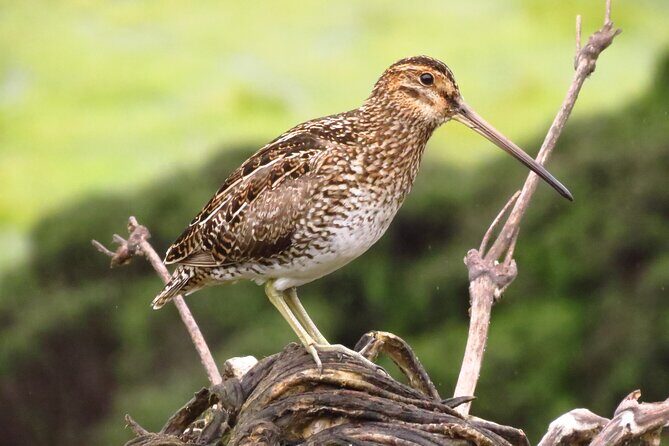
This is the core stop: Parque Nacional Natural Sumapaz. It’s where your species targets live, and where the day’s birding effort is concentrated.
Because birding is often done from the road (and the terrain isn’t set up for long hikes), you’ll spend your energy scanning, not climbing. That’s a big deal if you want great birds but don’t want your day to be a struggle with footing and elevation. It also makes it more workable for people who are fit enough to stand and walk, but don’t want steep trail time.
Birds you can realistically target
Your guide’s job is to put you where the birds are. In this habitat, the list can get impressive fast. Some of the species mentioned for this area include:
- Tawny Antpitta
- Pale-bellied Tapaculo
- Silvery-throated Spinetail
- Red-rumped Bush-Tyrant
- Red-crested Cotinga
- Black-chested Buzzard-Eagle
- Many-striped Canastero
- Andean Titi Spinetail
- Chestnut-winged Cinclodes
- Plain-capped Ground-Tyrant
- Andean Ruddy Duck
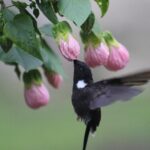
And there are strong chances for endemics tied to this high zone, including Apolinar’s Wren and the Green-bearded Helmetcrest hummingbird (often called an endemic highlight in Sumapaz outings).
One useful reality check: some species may be heard more than seen. In páramo, birds can be vocal and hard to locate at first. This is where the best guides earn their pay. Calling and patient scanning can turn a “maybe” into an actual view—and even into a photograph you’ll be proud of.
Photography and Cold Weather: What to Bring (So You Don’t Fuss)
The park is at high altitude and the conditions can be cold, breezy, wet, foggy, and rainy. You’re not just dressing for temperature; you’re dressing for damp wind and changing cloud cover. Plan for layers and rain protection.
Here’s what you should prioritize:
- Layering: something warm close to your skin plus a jacket you can zip and vent.
- Water protection: a rain shell and water-resistant gloves if you run cold.
- Fog and moisture readiness: keep lens cloths handy, because damp air shows up quickly.
- Staying steady: if you’re photographing small birds, you’ll want to be comfortable standing and scanning for long minutes.
From a bird-photography point of view, Sumapaz has one big advantage: when visibility is good, you can get strong images, and the road-based approach keeps you from rushing your shots. One review experience also pointed out the difficulty of photographing birds like antpittas—small, low-light, and shy—but it improved with calling skills and careful spotting.
Other birdwatching tours in Bogota
Food, Drinks, and a Likely Lunch Break Pattern
This tour includes breakfast and lunch, plus coffee and/or tea, bottled water, and soda/pop. That’s a real plus at 5:00 am start time. When you’re cold and oxygen gets a little thinner, you don’t want to spend the day hungry or hunting snacks.
A common rhythm in these outings is:
- Get breakfast early, then start birding by late morning.
- Spend around half the day in the Sumapaz area.
- Take a lunch stop, sometimes at a nearby private reserve area where additional birding can happen afterward.
- Finish with the return trip to Bogotá in the afternoon.
In one detailed day, lunch happened at a place called Reserva Chiguaza, run by hosts Daniel and Luis. Whether your lunch stop matches that exact spot, the key point is the same: you’re not stuck eating a sad sandwich alone in a parking lot.
Private Transfers and Small Groups: The Practical Part That Matters
You get private transportation and round-trip transfers from many Bogotá hotels. That reduces the usual headache of meeting schedules, sharing rides, and losing time to logistics.
The small group size—maximum 6 travelers—is where the birding experience improves. In a group that size, your guide can slow down for you when a bird pops up, rather than keeping an assembly-line pace. If you’re trying to photograph, it helps when fewer people are blocking the same spot at once.
English is offered, and you’ll have a guide leading the day. Some guides associated with these trips include Camilo Orjuela, Leon Sanchez, and Oswaldo Cortez. Having a guide who can explain the ecology and then switch into hands-on bird-finding mode makes a noticeable difference.
What About the Difficulty Level?
This isn’t presented as a hiking tour. In fact, the terrain isn’t appropriate for long trail effort, and birding is typically done from the road. That means your biggest challenge is the altitude and the weather, not steep climbs.
So you’ll likely be fine if you can:
- stand for long periods,
- handle cold and damp conditions,
- and walk short distances from road pull-offs.
If you’re dealing with serious mobility issues or you get sick at altitude easily, you’ll want to think carefully and ask the operator what the day’s walking looks like for your situation. The tour does say most travelers can participate, but it doesn’t spell out accessibility details beyond that.
Is the $370 Price a Good Deal?
At $370 per person, you’re not buying a quick bus ride with a basic checklist. You’re paying for:
- private transport,
- park admission,
- a full guide-led birding day,
- breakfast,
- lunch,
- coffee/tea,
- and drinks (water and soda/pop).
For birding around Bogotá, that package can make sense because transportation and time are the expensive parts. Also, the small group size helps justify the per-person cost. If you’re the kind of traveler who values actual sightings and photos—not just being out in nature—you’ll feel this value quickly.
If you only want an easy nature stroll or you’re not chasing specific high-altitude birds, you might decide differently. Sumapaz is best when you show up ready to watch, listen, and wait.
Should You Book This Sumapaz Birdwatching Day?
Book it if you want:
- a serious shot at high-altitude endemic birds like Apolinar’s Wren and the Green-bearded Helmetcrest hummingbird,
- a guided day focused on birds and photography,
- a small-group experience that doesn’t waste your energy on hiking.
Consider skipping or asking questions first if:
- cold, wet weather will shut you down,
- early mornings feel impossible,
- or you need a trip that avoids altitude discomfort.
If you can handle layers, patient scanning, and the idea that some birds are heard more than seen, this is one of the more focused and rewarding day trips from Bogotá.
FAQ
What time does the birding tour start?
The start time is 5:00 am.
How long is the Sumapaz birdwatching experience?
It runs about 8 to 10 hours.
Is pickup included from Bogotá hotels?
Round-trip transfers are included from many Bogotá hotels, and the guide will pick you up at your hotel or airport.
What’s included besides the guide?
You get private transportation, breakfast, lunch, coffee and/or tea, bottled water, soda/pop, and an admission ticket.
Is the tour offered in English?
Yes, the experience is offered in English.
How many people are in the group?
The maximum group size is 6 travelers.
What altitude and environment should I expect?
You’ll be in the Sumapaz National Park area at approximately 2,800–3,200 meters. Expect high-altitude páramo conditions that can be cold and wet.
Is there free cancellation?
Yes. You can cancel up to 24 hours in advance for a full refund, and changes made less than 24 hours before the start time aren’t accepted.