REVIEW · BOGOTA
BOGOTA: City Tour, Monserrate, Gold Museum, Botero Museum, Plaza Bolívar
Book on GetYourGuide →Operated by Neorama Tours · Bookable on GetYourGuide
Bogotá hits you in the best way. I love how the Gold Museum gives you Colombia before Columbus, and I love the humor and craft in the Botero Museum. The one catch: Monserrate entry and the funicular ride are not included, so plan for a small add-on and a bit more time.
This is a private, guided Bogotá city tour that runs about six hours, with transportation handled for you. You also skip the ticket line for the two big museums, which matters a lot in a city where minutes can disappear fast.
Most of the day is walk-and-look, especially around La Candelaria and the square. Bogotá stays cool and temperate year-round, so dress in layers and bring an umbrella, and keep an eye on your belongings in busy areas.
In This Review
- Key points I’d plan around
- La Candelaria and Chorro de Quevedo: your day starts in the oldest streets
- Plaza Bolívar: the city’s stage, framed by landmark buildings
- Gold Museum: pre-Hispanic treasures you’ll remember long after
- Botero Museum: art that works at big scale and small humor
- Simón Bolívar Park: the built-in breathing space
- Monserrate: panoramic views and the sanctuary above the city
- Optional viewpoint: if you’re up for an extra climb to Cerro Guadalupe
- Street art in the historic area: color on the stone
- Private guide + transport: why the logistics matter in Bogotá
- Price and value: what $81 covers, and what to budget for
- Safety and comfort tips that keep the day enjoyable
- Who this tour suits best (and who should tweak expectations)
- Should you book this Bogotá city tour?
- FAQ
- How long is the Bogotá city tour?
- What’s included in the price?
- Is lunch included?
- Do I need to pay for Monserrate separately?
- Does the tour include the museums and skip the ticket line?
- What languages are the guides?
Key points I’d plan around
- Gold Museum without the guesswork: guided entry into pre-Hispanic artifacts and meaning
- Botero Museum for art fans and casual visitors: Fernando Botero plus other international masters
- Plaza Bolívar is the real center: big civic landmarks in one walkable footprint
- Monserrate views, plus a pilgrimage site: panoramic perspective from the hilltop sanctuary
- La Candelaria + Chorro de Quevedo: cobblestones, colonial charm, and street art sightings
- Private logistics: transport, an active guide, and museum ticket-line savings
La Candelaria and Chorro de Quevedo: your day starts in the oldest streets
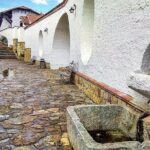
I like this part because it sets the tone fast. La Candelaria is where Bogotá shows its colonial bones: cobblestones underfoot, old-world architecture around you, and that sense that the city has been reinventing itself in the same streets for centuries.
You’ll get a guided walk through the historic core, with time for photos and some free time to wander. One stop that helps you feel the neighborhood’s origin story is Chorro de Quevedo, known as one of the points of origin for the area. The place has a compact, lived-in feel, and it’s exactly the kind of spot where street art and old Bogotá coexist.
If you want an easy way to “read” the city, this is it. Your guide’s job isn’t just to point out sights, but to connect why these streets matter—so you don’t just collect photos, you collect context.
Other Monserrate tours and tickets we've reviewed in Bogota



Plaza Bolívar: the city’s stage, framed by landmark buildings
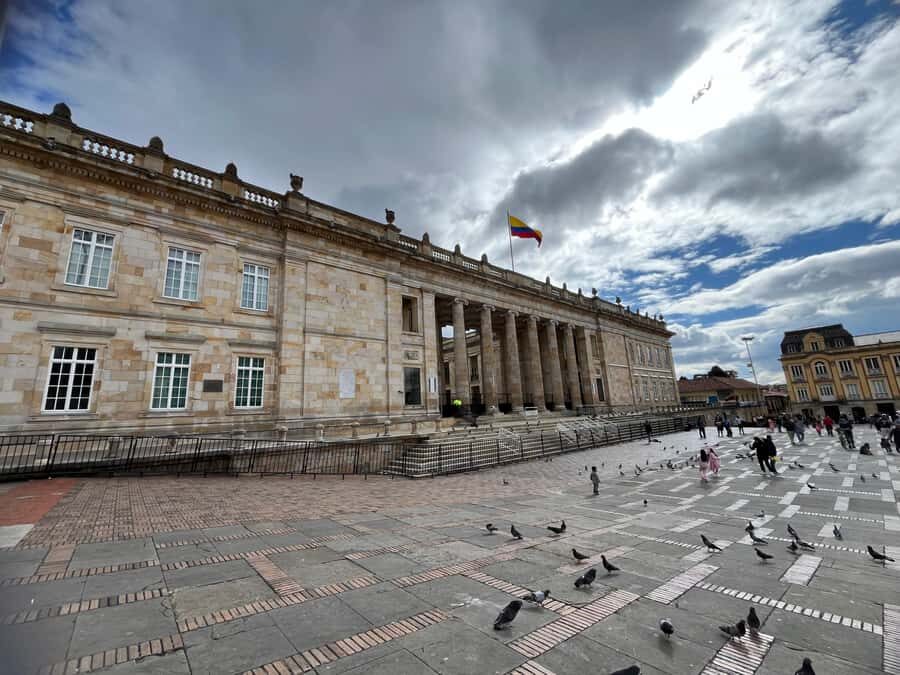
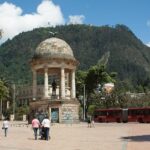
Then you move to Plaza Bolívar, Bogotá’s historic heart. This is one of those squares where the buildings around it do most of the talking, and you don’t need to be an architecture expert to notice the difference in scale and style.
The most useful thing here is how the major landmarks line up in front of you: the Primada Cathedral, the National Capitol, and the Palace of Justice. A good guided moment is when you realize the square isn’t just a scenic stop. It’s a civic hub, tied to national identity, government, and public life.
You’ll likely have time for photos and guided explanation, plus short stretches to take in the vibe on your own. Keep it practical: the square is busy, so watch your phone and wallet, especially during peak hours.
Gold Museum: pre-Hispanic treasures you’ll remember long after
The Gold Museum is the anchor of this tour for a reason. Even if you usually skip museums, this one tends to pull people in, because the collection isn’t random. It’s about pre-Hispanic artistry and craftsmanship, and you can feel the care behind it.
What makes the guided element so valuable is that it helps you look beyond the shine. You learn what you’re seeing and why it mattered, which turns a wall of objects into a story with meaning. If you’re the type who likes to understand what a museum is trying to teach, this part will feel satisfying rather than tiring.
Also, the tour includes entry to the Gold Museum and is set up to help you skip the ticket line. That small detail matters here, because it protects your time for the rest of the day, including the hilltop viewpoint.
Tip for comfort: give yourself mental room to slow down. This isn’t a quick “look and go” museum. You’ll get more from it if you let the guide pace the visit and then follow your curiosity for a few extra minutes when something catches your eye.
Botero Museum: art that works at big scale and small humor
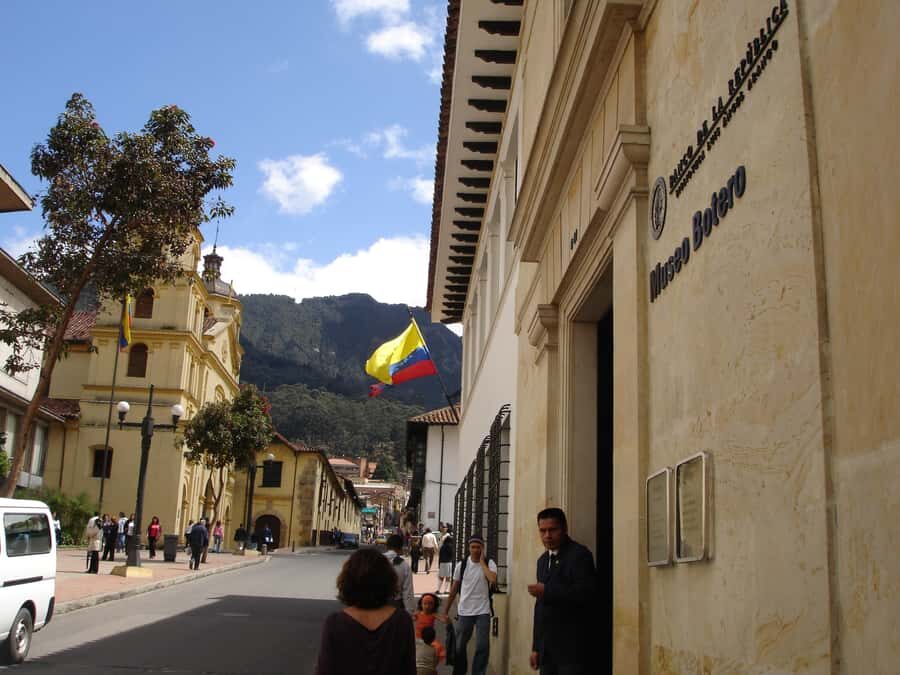
Next up is the Botero Museum, and this is where Bogotá brings a different kind of energy. The star is Fernando Botero, and the collection doesn’t just rely on famous names. You’ll also see works by other international masters, which gives you a more rounded view of the art world Botero connects with.
I like Botero museums because they’re readable. You don’t need to know art history jargon to notice form, personality, and the way the works make you think about human presence. The guided portion helps you spot themes and understand why Botero’s style became so recognizable.
This stop is a big value driver in the tour price: it includes museum entry, it’s guided, and it fits neatly into a six-hour day without turning into a half-day slog. For first-timers to Bogotá, it’s also one of the best ways to see the city’s cultural side without hunting for directions on your own.
Simón Bolívar Park: the built-in breathing space
After museums, your brain needs a reset. That’s why Simón Bolívar Park is a smart inclusion. It’s described as a huge green lung for the city, and it gives you a break from indoor time and stone streets.
You’ll have time to relax and walk around. You could treat it like a mini recharge zone: sit for a few minutes, stretch your legs, and get ready for the hilltop part of the day.
I also appreciate that this stop adds variety. A day made only of museums and monuments can get heavy. Park time keeps the tour from feeling like a checklist.
Other Gold Museum and Botero Museum tours in Bogota



Monserrate: panoramic views and the sanctuary above the city
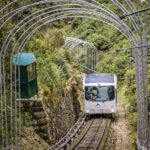
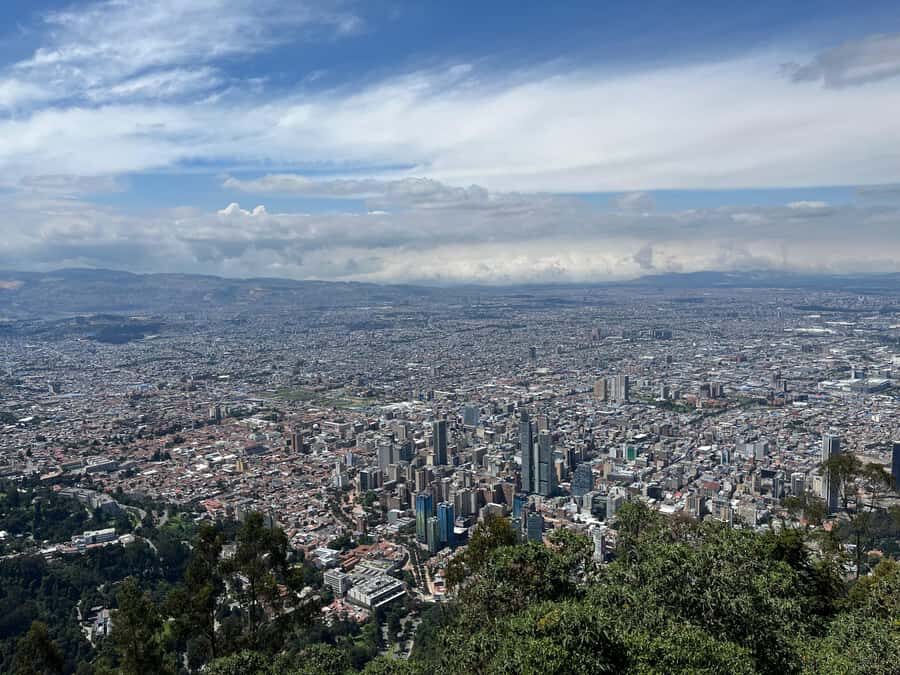
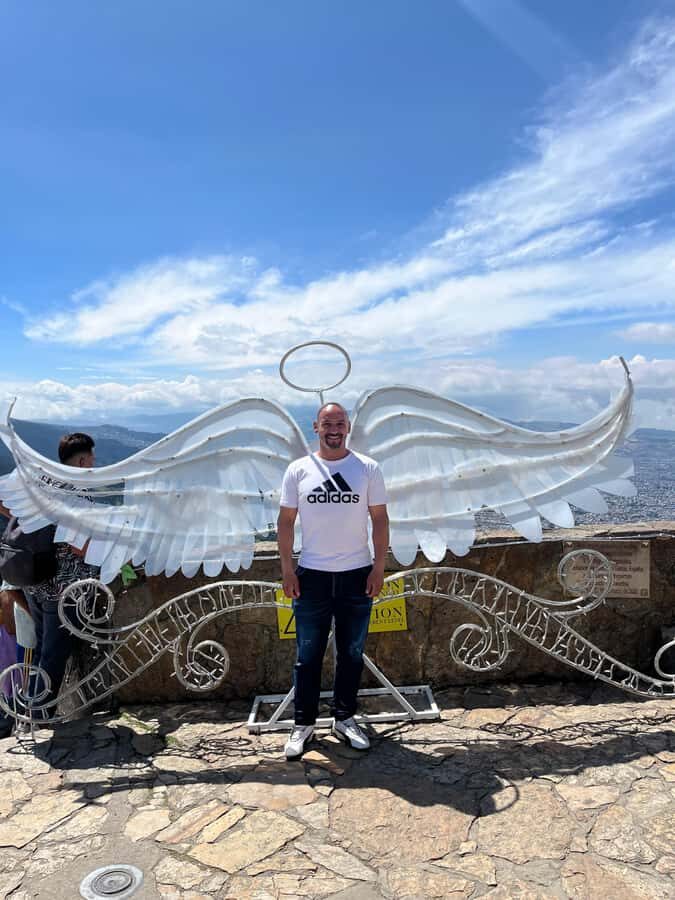
Now for the payoff: Monserrate. You’ll head up Cerro de Monserrate by cable car, funicular, or on foot, and then enjoy the panoramic views over Bogotá.
On top of the scenery, Monserrate is also an important pilgrimage site: the Sanctuary of the Fallen Lord of Monserrate. That mix is what makes the hill feel more than just a photo viewpoint. You’re going for the view, but you’re also stepping into a place with religious meaning for many people.
Here’s the practical consideration: Monserrate entry and the funicular ride are not included in the tour price. The tour notes the funicular cost as US $6, so budget for it if you plan to go that route. Weather matters too—Bogotá can stay cool, but conditions can shift, and a cloudy day can soften the skyline view. Bring your umbrella and follow your guide’s timing.
Optional viewpoint: if you’re up for an extra climb to Cerro Guadalupe
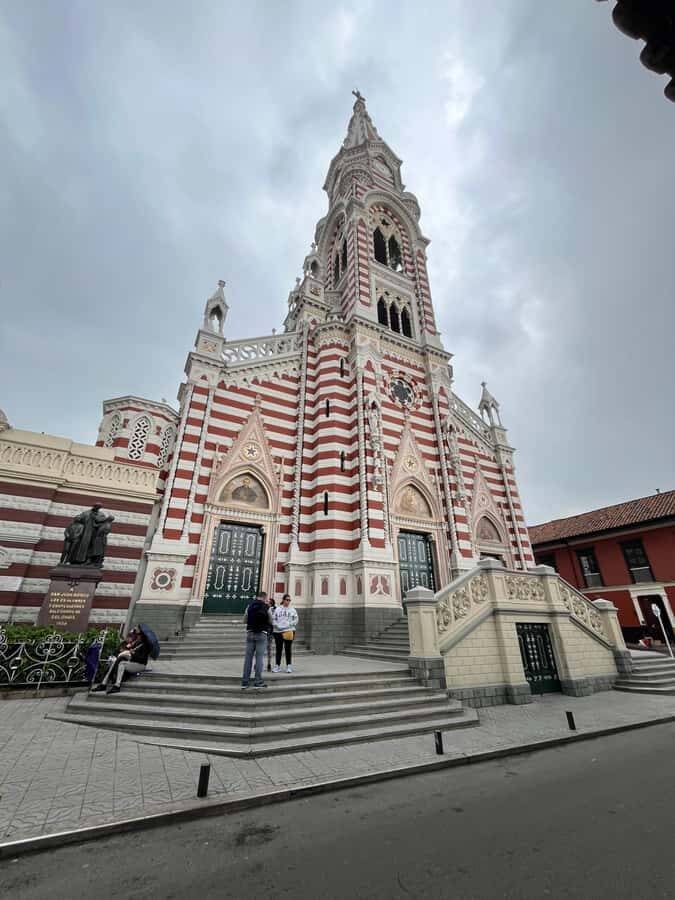
Included in the tour details is an optional climb to Cerro Guadalupe. That’s the kind of add-on I like only if you’re feeling strong on your feet and you don’t mind a bit of extra time outdoors.
It can be a nice way to expand your viewpoint experience beyond Monserrate, especially if you enjoy walking and you want more than one angle of the city. If you’re traveling with limited mobility or just prefer to avoid extra steps, you can usually choose based on how you feel that day.
Street art in the historic area: color on the stone
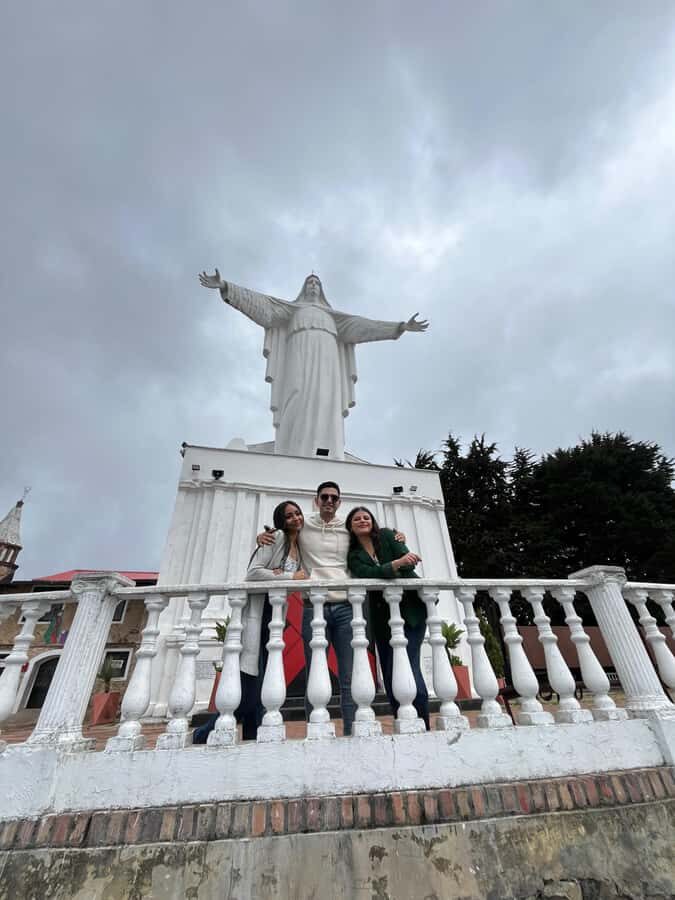
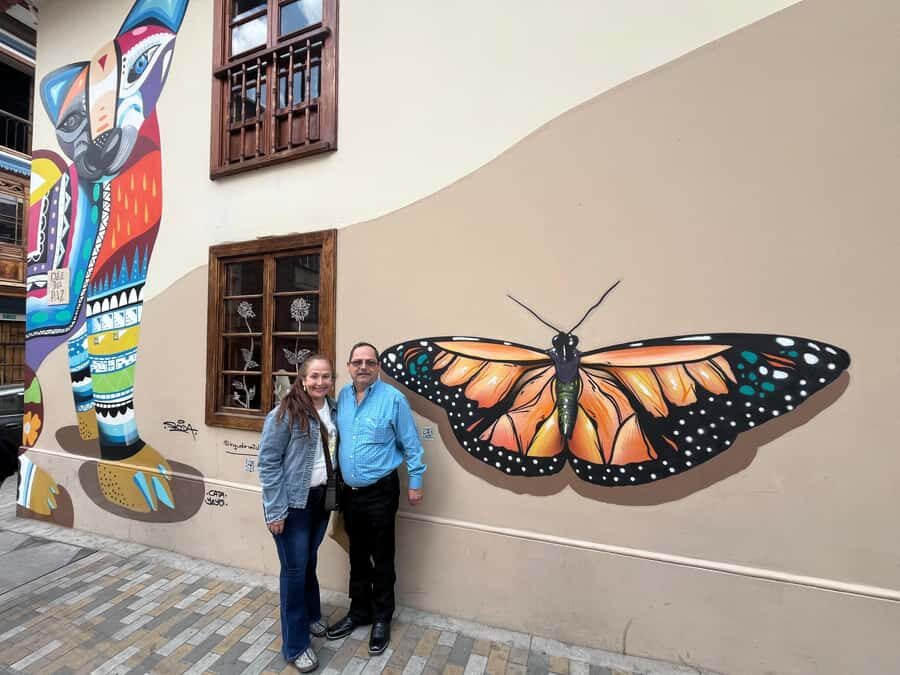
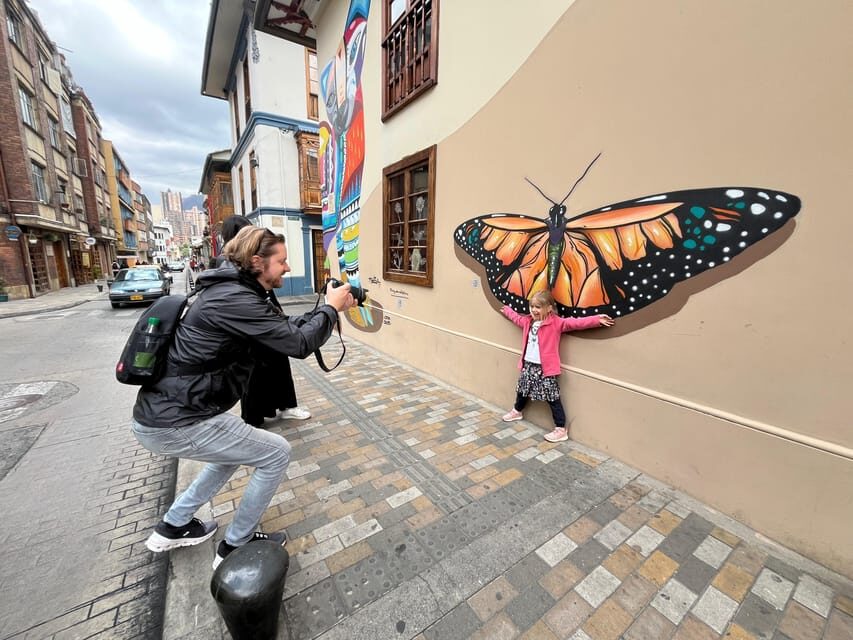
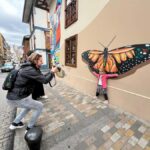
Bogotá’s street art shows up when you least expect it—on walls in the historic neighborhood, along walkways, and around small corners where the city feels personal rather than staged.
This tour includes time in areas associated with La Candelaria and Chorro de Quevedo, which are exactly where murals and expressive art tend to appear in a way that feels connected to the community. It’s not street-art tourism as a separate hobby. It’s part of the city texture, and it helps you remember that Bogotá isn’t only museums and monuments.
The best approach is simple: pause when something stops you. With a guide, you can ask what the mural is referencing, or you can just let it be part of your visual memory.
Private guide + transport: why the logistics matter in Bogotá
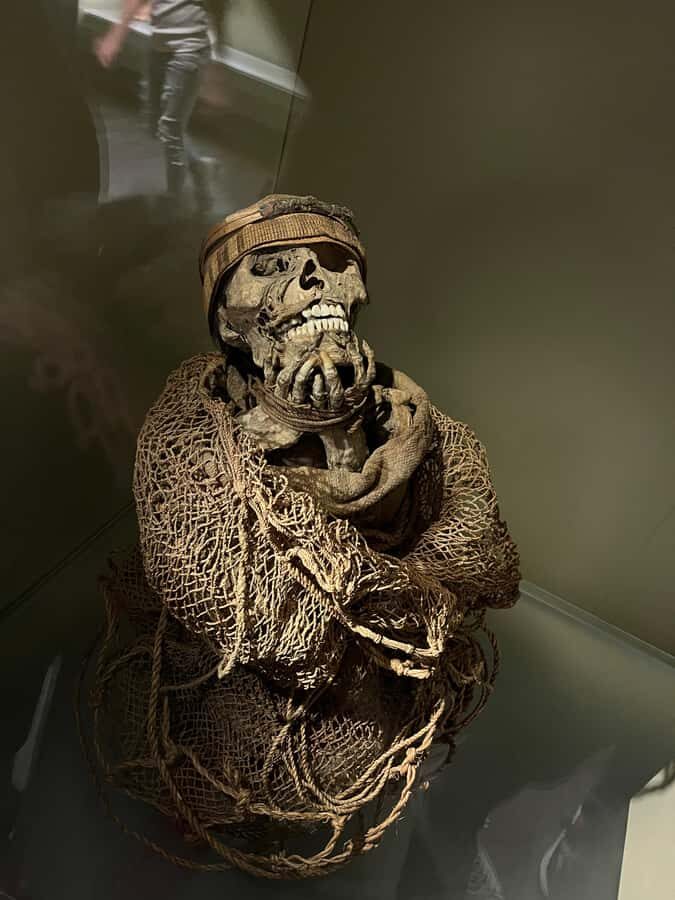
A private group changes the tone of the day. Instead of being dragged by a large crowd, you move with a guide who can keep the flow sensible: museum entry, short breaks, photo stops, and guided context without long waits.
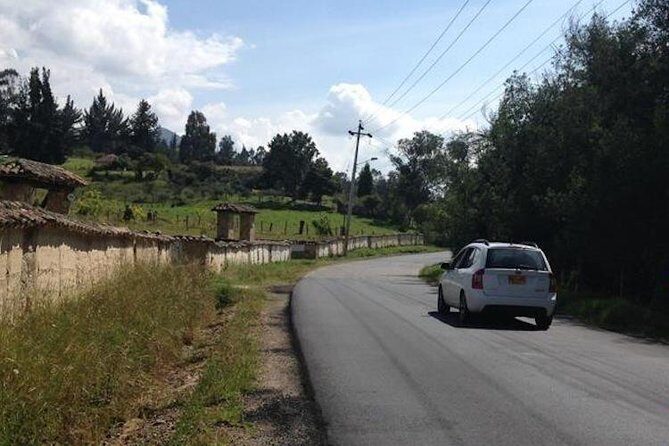
You also get private transportation, which is a big deal in Bogotá. Distances can add up, and traffic can reshape your schedule. With transport handled, your day stays anchored around the key stops rather than on the problem of getting from A to B.
You’ll also have light snack included, which is a small thing that can save you from feeling hungry at the wrong time. And because the guide works in Spanish and English, you won’t lose the story you’re paying for.
One note: shopping is included as a time block, but it’s not the point of the tour. Use that slot for browsing if you want it, then get back to the sights.
Price and value: what $81 covers, and what to budget for
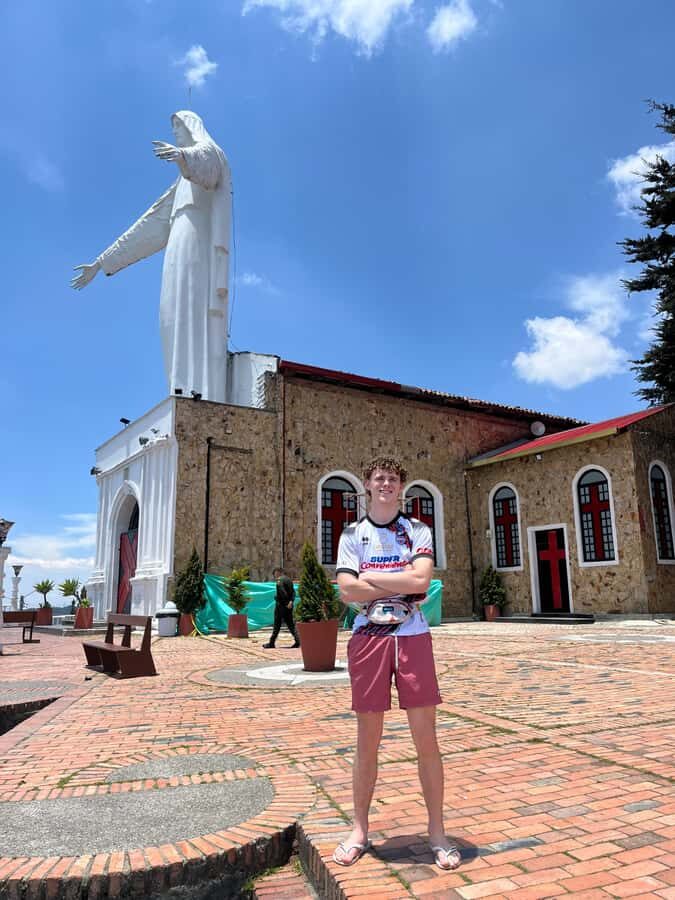
At $81 per person for a six-hour private experience, the value comes from the mix of guided content and paid entrances. You’re not just paying for a walk around town. You’re paying for private transport, a tour guide, entry to both the Gold Museum and the Botero Museum, a light snack, and specific guided-area stops like Chorro de Quevedo.
Where you should plan for extra costs is also clear:
- Lunch is not included
- Monserrate entry and the funicular ride are not included
So the real budgeting question is simple: do you want to eat out during the day, and do you want the easiest up-and-down option for Monserrate? If you’re fine with handling a separate lunch stop and budgeting the funicular cost, the base price feels reasonable for the number of paid items and the time saved by skipping ticket lines.
Also, the tour offers free cancellation up to 24 hours in advance and a reserve now, pay later option. That’s useful if your Bogotá weather plans are uncertain or if you’re building a multi-day route.
Safety and comfort tips that keep the day enjoyable
This kind of day works best when you don’t spend it thinking about discomfort. Here’s what I’d do based on the tour guidance:
- Wear comfortable shoes. Cobblestones and museum floors add up.
- Dress in layers and bring an umbrella. Bogotá’s climate is cool and temperate year-round, but conditions can still shift.
- Watch your surroundings in busy areas and avoid openly displaying valuables.
- The tour notes that alcohol and drugs are not allowed.
If you keep those basics covered, you’ll spend your energy on the fun parts: the museums, the square, and the hill views.
Who this tour suits best (and who should tweak expectations)
This tour is a great fit if you want:
- A guided introduction to Bogotá’s most important sights in about six hours
- Museum time that’s explained, not just self-guided
- A mix of history, art, and viewpoint time in one coordinated plan
It’s also good for art lovers who want both cultural institutions: pre-Hispanic treasures at the Gold Museum and modern artistic personality at the Botero Museum.
If you’re the type who hates walking or wants a slow, sit-down pace, you might feel rushed. The day includes multiple stops and some free time, but it still expects you to move between areas.
Should you book this Bogotá city tour?
I’d book it if you want a smart first-day Bogotá plan with strong museum picks and a real sense of place in La Candelaria and Plaza Bolívar. The Gold Museum and Botero Museum are worth building your schedule around, and the private transport plus ticket-line savings make the day feel efficient.
I’d hesitate only if you already know you won’t go to Monserrate, or if you’re not comfortable managing a separate lunch and the additional Monserrate-related costs. If that’s you, you could consider adjusting your plan to match your priorities.
If you’re flexible and ready for a guided, structured six-hour tour, this is the kind of experience that gives you Bogotá’s contrasts in a way that’s easy to understand and fun to remember.
FAQ
How long is the Bogotá city tour?
The duration is 6 hours.
What’s included in the price?
Included are private transportation, a tour guide, entry to the Gold Museum and Botero Museum, an optional climb to Cerro Guadalupe, a light snack, and Chorro de Quevedo.
Is lunch included?
No, lunch is not included.
Do I need to pay for Monserrate separately?
Yes. Entry to Monserrate and the funicular ride are not included.
Does the tour include the museums and skip the ticket line?
Yes. It includes Gold Museum entry and Botero Museum entry, and the tour indicates you skip the ticket line.
What languages are the guides?
The guide is available in Spanish and English.