REVIEW · BOGOTA
Bogotá City Tour with Monserrate, Gold and Botero Museums
Book on GetYourGuide →Operated by Gran Colombia Tours · Bookable on GetYourGuide
Monserrate steals the show in Bogotá. I love the Monserrate views earned by the cable car ride, and I also love the way the guide ties what you see in downtown to Colombia’s recent history and the peace conversation. The main drawback is simple: it’s a walking-heavy day, and it’s not built for mobility limitations.
You’ll get your bearings fast in La Candelaria and around Chorro de Quevedo, then you slow down for tastings like chicha, fruit, and natural juices. If you pick the longer option, the Botero Museum and the Gold Museum turn the walking into a full “why it matters” tour, capped off with a local coffee stop.
In This Review
- Key highlights you’ll feel the moment you start
- Starting in Bogotá’s oldest streets: La Candelaria and Chorro de Quevedo
- Plaza Bolívar: where politics, conflict, and peace become visible
- Museo Botero: art with a sense of humor, and a way in
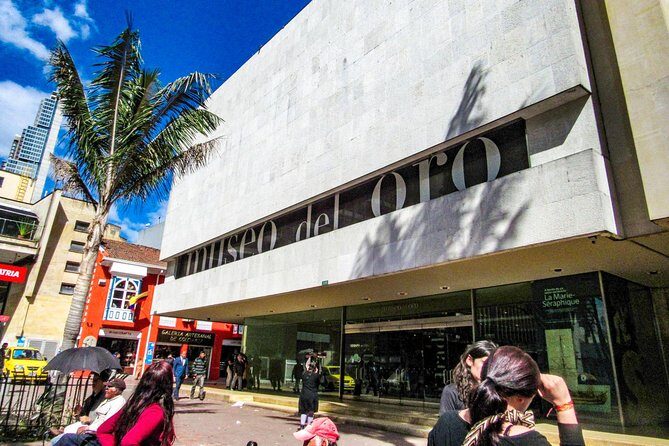
- Museo del Oro: beyond artifacts, into meaning
- Monserrate by cable car: big views, basilica importance, and altitude reality
- Food tastings and coffee: the Colombian flavor stops that make it feel real
- Timing, walking pace, and what to bring so the day stays fun
- Price and value: what $65 buys you in Bogotá
- Who should book this tour (and who might skip it)
- Should you book this Bogotá City Tour with Monserrate, Gold, and Botero?
- FAQ
- How long is the Bogotá tour?
- Do I get tickets for Monserrate included?
- Which museums are included?
- Are any museums closed on certain days?
- Will there be food and coffee tastings?
- Is lunch included?
- How does pickup work?
- What should I bring, and what’s not allowed?
Key highlights you’ll feel the moment you start
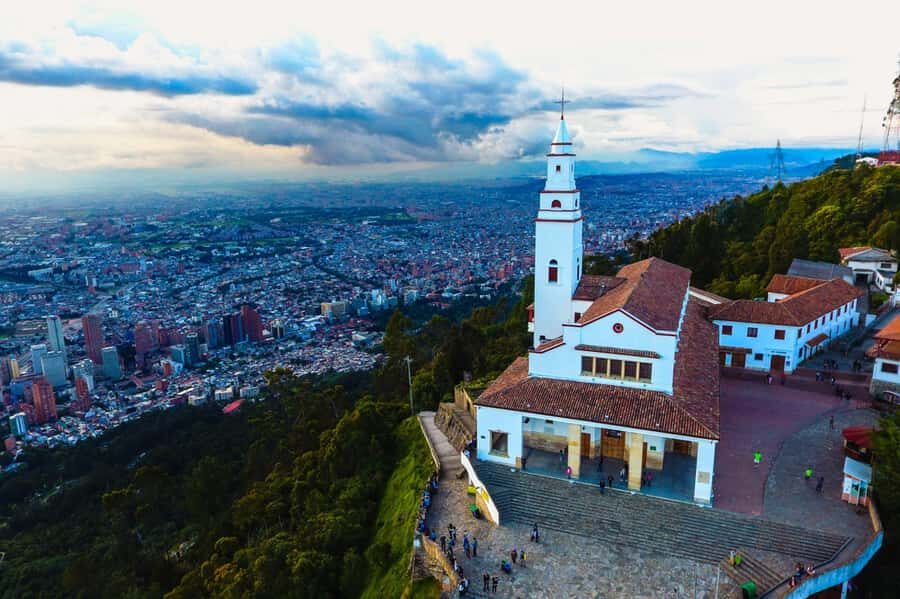
- Cable car round-trip to Monserrate for wide valley views and a basilica stop locals care about
- Chorro de Quevedo + La Candelaria walking that connects colonial streets to Indigenous and Spanish roots
- Plaza Bolívar explained through conflict and peace so the landmarks don’t feel like empty photo stops
- Museo Botero for art that’s easy to read, even when you’re short on time
- Museo del Oro metalwork context that helps the collection make sense beyond the objects
- Fruit, natural juices, chicha, and coffee tastings that give the day a distinctly Colombian flavor
Starting in Bogotá’s oldest streets: La Candelaria and Chorro de Quevedo
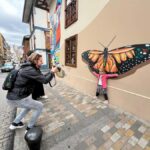
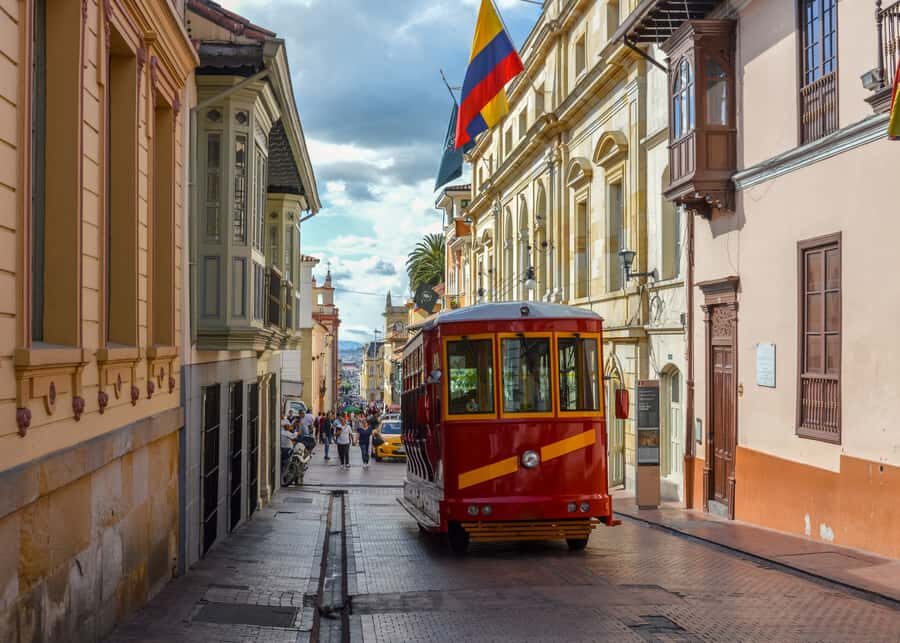
This tour begins where Bogotá feels most like a city you can walk inside—cobblestones, colonial facades, and small squares where history isn’t locked behind glass. You’ll spend time in La Candelaria, the neighborhood that anchors a lot of the city’s identity. Expect guided storytelling as you move, not a lecture where you stand still and suffer.
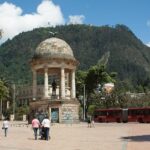
Then you hit Chorro de Quevedo Plaza, a foundational stop that frames the city’s early layers: Indigenous presence first, then Spanish colonization and the ripple effects that followed. It’s the kind of context that makes later stops click. Instead of just seeing architecture, you start noticing what changed, what survived, and why politics still show up in public space.
One thing I appreciate here is the pace. It’s not “rush, rush, rush.” It’s more like walk, look, listen, taste. And taste is literal: you’ll try chicha, an ancestral corn-based fermented drink. It’s not a tiny sip for show either. It’s part of the lesson.
Practical note: the tour is rain or shine, so if the weather turns, plan to stay comfortable in your shoes and layers. Bring comfortable shoes—this is not a sneakers-for-one-hour stroll situation.
Other Monserrate tours and tickets we've reviewed in Bogota
Plaza Bolívar: where politics, conflict, and peace become visible
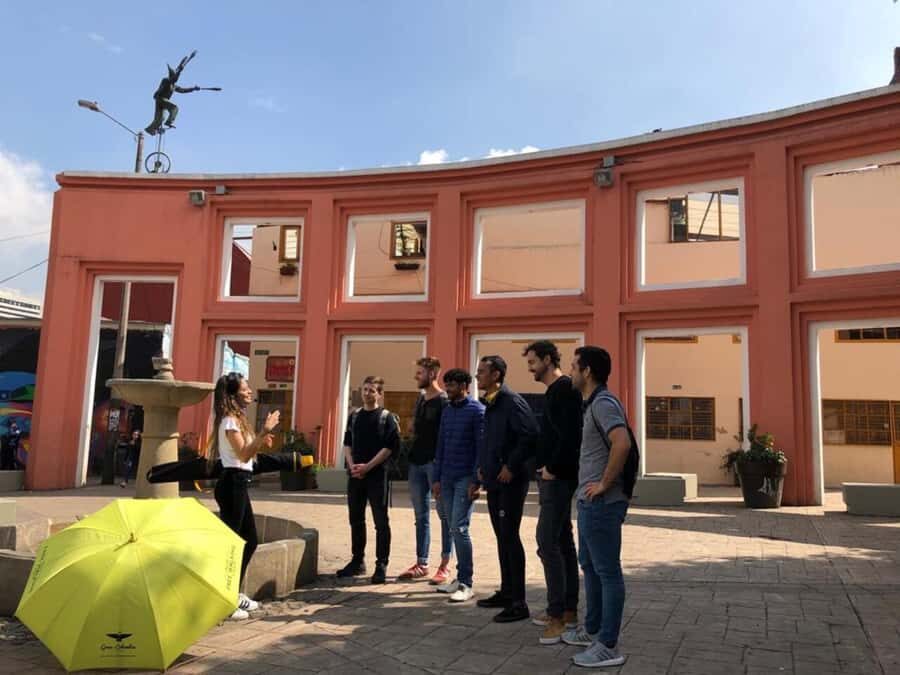
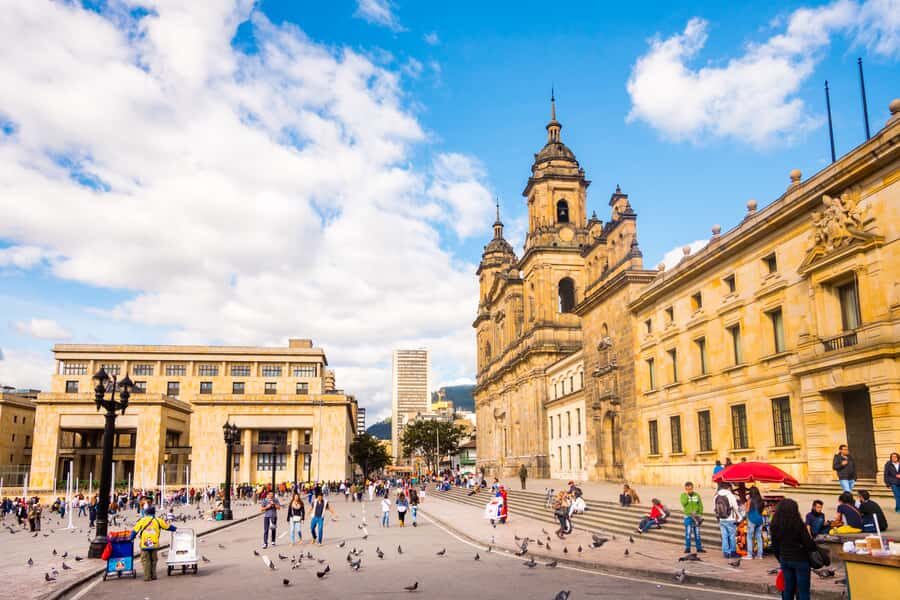
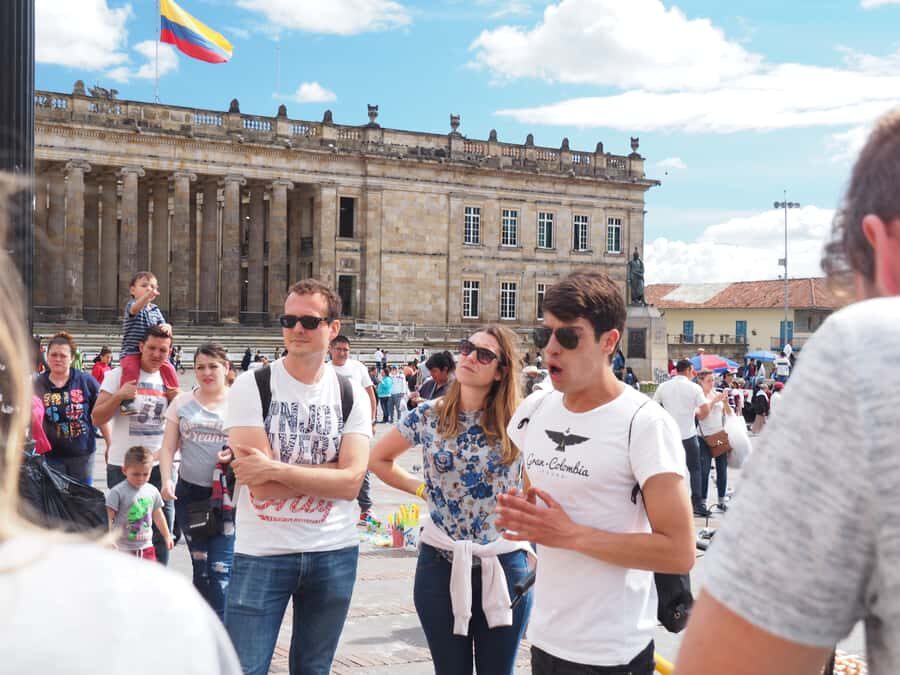
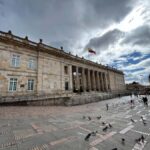
Bolívar Square is a classic Bogotá must-see. But here’s why it’s worth doing with a guide: it’s not just a pretty central plaza. You learn how power works, and why conflict and peace agreements aren’t abstract ideas when the buildings are right in front of you.
Around the square, you’ll see major government and civic landmarks: the Palace of Justice, the National Capitol, and the Town Hall, plus the Presidential Palace and the Primary Cathedral. The guide connects the dots between the physical layout of power and the modern challenges Colombia has faced after the armed conflict era.
This is also where the tour’s “serious learning” side shows up. You’ll get a thorough lesson on Colombian recent history, including the armed conflict and the state-to-peace story that continues to shape daily life. If you like your history straight, not slow and dusty, this part works well.
Because this area is dense with symbolism, you’ll get more out of it if you keep a curious mindset. Look up at facades, not just at your phone. Notice how the city organizes itself around institutions. Then the Monserrate views later feel like more than scenery.
Museo Botero: art with a sense of humor, and a way in
After downtown storytelling, the tour heads toward Museo Botero. This is one of those stops that feels friendly even if you don’t call yourself an art person. Botero’s works are recognizable fast—big forms, strong characters, and a style that doesn’t hide behind complicated technical jargon.
With a guided visit, you don’t just move from room to room. You learn what to notice: themes, choices, and why this collection matters in Bogotá’s cultural life. It’s also a good breather. The day already includes a lot of walking, and the museum lets you sit with the ideas for a while.
There’s a timing wrinkle to know: the Botero Museum is closed on Tuesdays. If your date falls on Tuesday, your guide will swap in an alternative museum option rather than leaving you stuck outside.
Also, don’t expect a short “hit and exit” museum stop. You’ll have enough time to see highlights without turning it into a marathon. One of the best values of doing Botero in a guided format is that you get explanations that shorten the learning curve.
Museo del Oro: beyond artifacts, into meaning
Next up is Museo del Oro (Gold Museum), and this is where the tour sharpens into deeper cultural context. The collection is famous for its craftsmanship, but the value here comes from what the guide tells you while you look.
You’ll focus on metalwork made before Spaniards arrived, which helps you understand the artistry as more than decoration. You learn how objects relate to belief systems, social life, and what Indigenous cultures valued. When someone walks you through the timeline and the meaning, those small details suddenly matter.
This museum also has a known closure day: it is closed on Mondays. Your guide will provide options for another museum if you’re traveling on a Monday. It’s a relief to know there’s a backup plan built into the day rather than a last-minute scramble.
If you’re wondering whether a gold collection can be interesting without being flashy, I’ll put it this way: it’s interesting here because you’re not left alone with labels. You get guided interpretation that makes you look longer. And once you start seeing patterns—motifs, techniques, repeated themes—the museum feels less like a storehouse and more like a story.
Monserrate by cable car: big views, basilica importance, and altitude reality
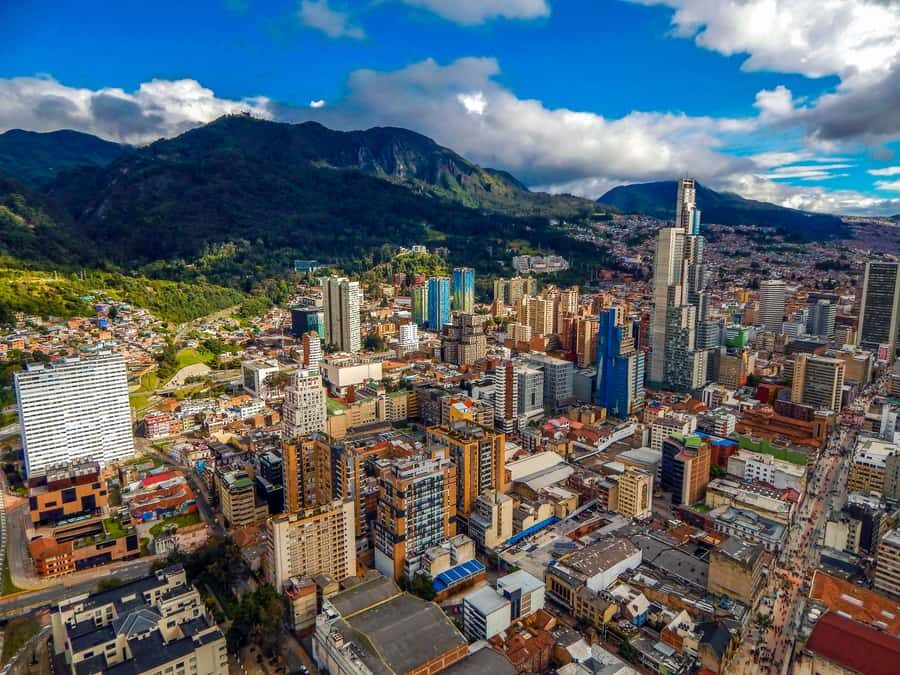
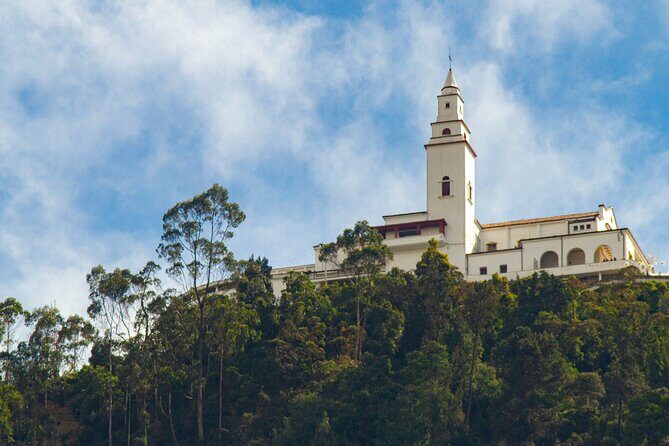
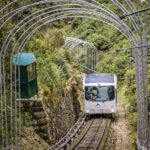
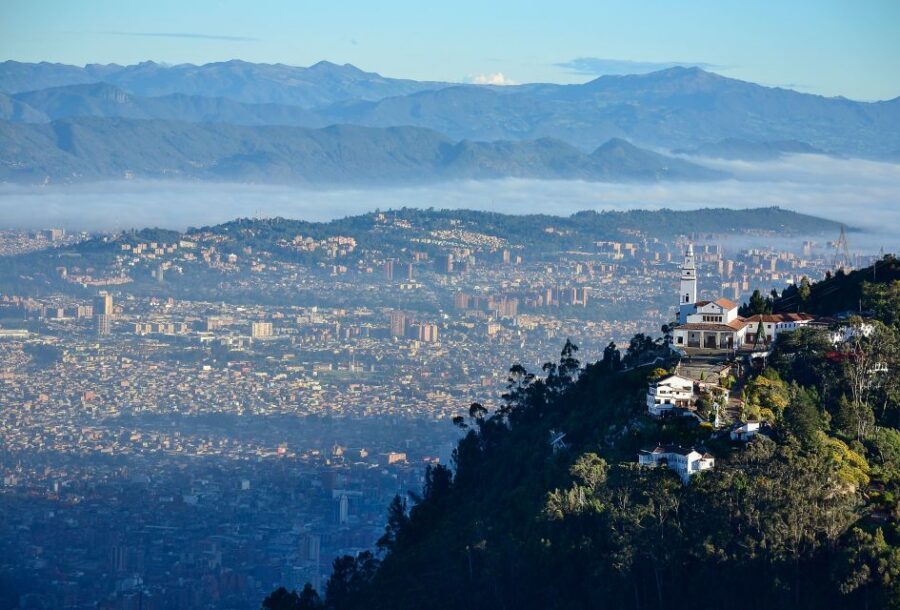
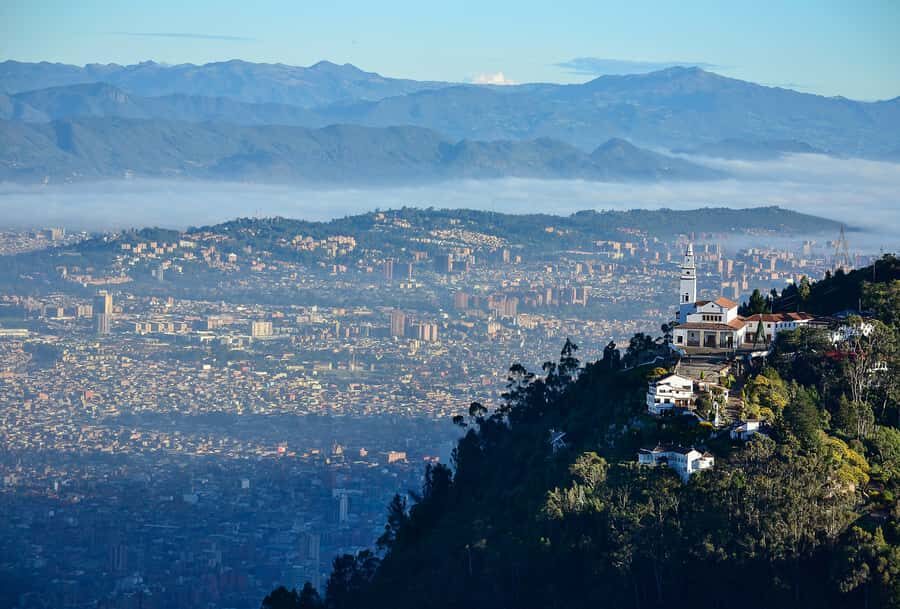
Now for the part that most people remember. Monserrate is the main hill of the city, and the tour gets you up with a two-way cable car ticket included. The ride is quick, but the payoff is huge: you gain the kind of perspective that helps Bogotá stop looking like blocks and start looking like a valley shaped by mountains and elevation.
From the top, you get breathtaking views stretching across the valley and city. This is also where the guide explains why Monserrate is important to locals, not just a tourist viewpoint. You’ll visit the area and stop at the Basilica of Monserrate, tied to religious devotion in the city.
A practical reality: Bogotá is at altitude, and some people feel it more than others. In past experiences, guides have helped visitors dealing with altitude discomfort—so if you’re sensitive, take it slow, drink water, and don’t rush your breath just because you want the perfect photo.
There’s also a possible hiccup: on some days, the church/basilica may have limited access. In at least one case, the guide adapted and pointed out key religious features and statues nearby, so the experience didn’t collapse into a disappointment.
This stop also works nicely as an emotional reset. Downtown teaches you the city’s structure and politics. Monserrate gives you scale and perspective.
Other Gold Museum and Botero Museum tours in Bogota


Food tastings and coffee: the Colombian flavor stops that make it feel real
One of the easiest ways to tell a good Bogotá day tour is whether it includes food that feels like it belongs. Here, the tastings aren’t random snacks. They’re part of the cultural introduction.
You’ll try chicha earlier in the walk, plus fruit and natural juices. Expect the guide to talk through what you’re eating and drinking, including which fruits are most common and how to interpret local tastes. If you like food as a shortcut to understanding a place, this is a strong point of the tour.
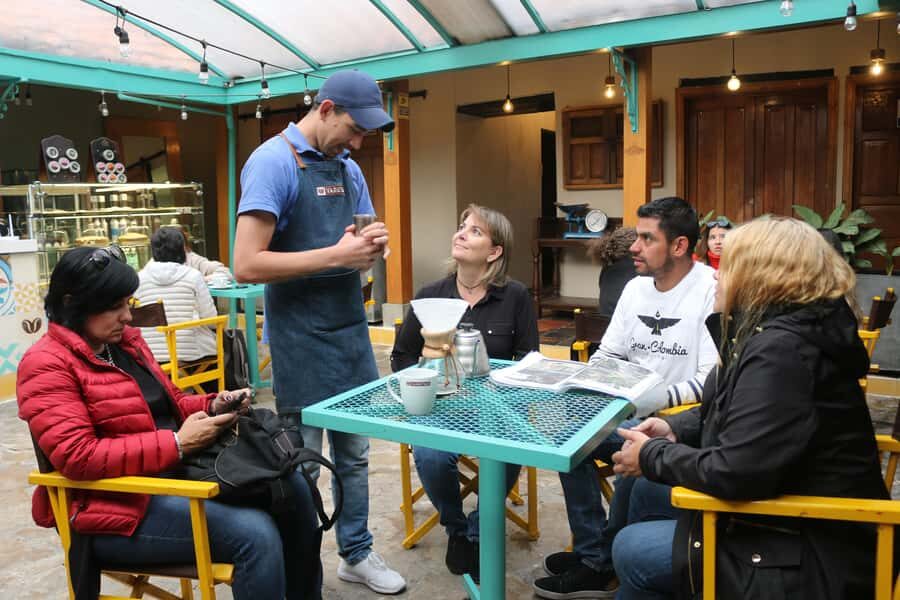
Later, there’s a coffee stop. You’ll taste a cup of Colombian coffee at a place where baristas explain basics about the drink. It’s a simple ending to the day, but that’s the point: after museums and viewpoints, a warm coffee and a few explanations help you carry the experience home in a more personal way.
And yes, you’ll also have time for lunch, but it’s on you (not included). The guide will recommend restaurant options in the area, which is useful when you’re tired and don’t want to waste time hunting online.
Timing, walking pace, and what to bring so the day stays fun
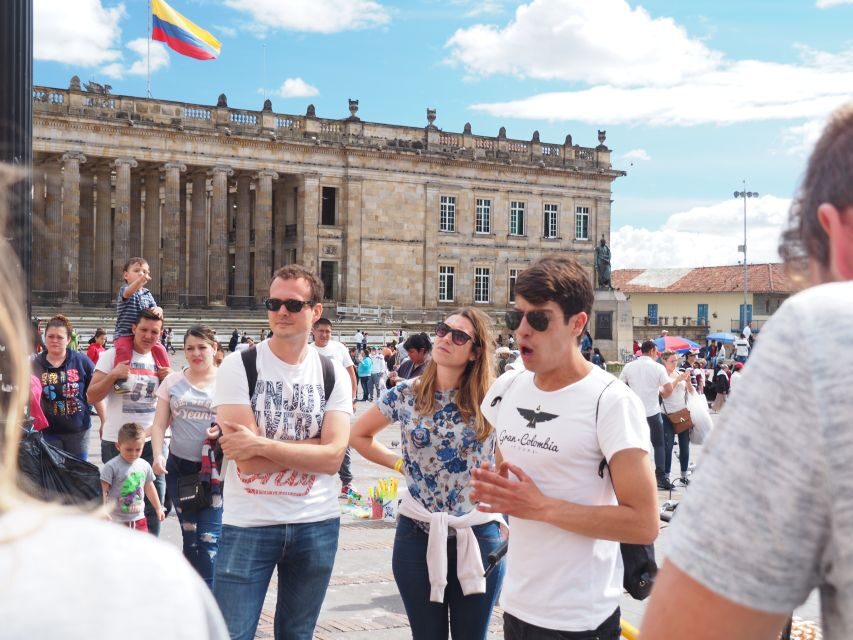
This is a walking tour. You’ll spend meaningful time on your feet across historic streets and through museum entrances. One solo traveler logged nearly 14 km on a long version of the day, so plan it like an all-day activity, not an “easy sightseeing loop.”
You can choose the duration:
- A longer day (up to about 7 hours) that includes Monserrate, plus the Gold Museum and Botero Museum
- A shorter day (about 5 hours) that focuses on Monserrate
If you have limited time—like a layover or a tight schedule—this flexibility is the biggest practical win. If you’re energy-limited, the 5-hour option can feel like a smart tradeoff: you still get Monserrate’s views and the guided context, without trying to add two museums on top.
What to bring is straightforward: comfortable shoes. And keep bags minimal. The tour doesn’t allow luggage or large bags, so if you’re coming from a hotel with multiple items, plan a lighter daypack.
Also, it’s private group, so you’re not stuck with a giant crowd that forces awkward pacing. Many guides have been praised for adjusting the day to visitors’ interests, which matters when you want the history to match what you actually care about.
Price and value: what $65 buys you in Bogotá
At about $65 per person, this tour prices like a well-structured half to full day with real included costs. You get:
- Hotel pickup and drop-off anywhere in Bogotá city
- A guided day with context (the big value-add)
- Two-way cable car access to Monserrate
- Entry to Museo del Oro and Museo Botero (when chosen)
- Chicha, fruit/juice, and coffee tastings
- All-risks insurance
When you compare that to trying to DIY Bogotá highlights, the math usually improves for you fast. Museums, transport, and guided interpretation all cost time and money—plus DIY doesn’t solve the “what am I looking at and why does it matter” problem. This tour aims to solve that with a tight route and narration.
The only true extra cost you should expect is lunch. Everything else is folded into the day.
If you’re the type who likes to understand what you’re seeing, this is good value. If you just want pretty photos with minimal conversation, you might find the price more than you need. Luckily, the “choose 5 hours vs 7 hours” option helps you tune your spend to your energy.
Who should book this tour (and who might skip it)
This is a great fit for:
- First-time visitors who want a connected overview: history, landmarks, museums, and viewpoints
- People who enjoy food tastings as part of sightseeing
- Travelers who prefer a guide to explain politics and conflict in plain language while you stand in front of the institutions
In the not-for-me category:
- Anyone with mobility impairments or wheelchair users. The tour is explicitly not suitable because it’s a walking route with stairs and hill-area terrain.
- Anyone who struggles with long walking days without frequent breaks.
Also, if you have very strong preferences for a specific museum, check the weekday closures in your planning. Gold Museum is closed Mondays and Botero Museum is closed Tuesdays, and the guide will swap options, but you might want to align your schedule if those are top priority.
Should you book this Bogotá City Tour with Monserrate, Gold, and Botero?
If you want a Bogotá day that feels like more than postcards, I think you should book it. Monserrate is the centerpiece, and the route is built to give it meaning: downtown history first, then museums, then the valley views.
Choose the 7-hour version if you want the full combo of Museo del Oro + Museo Botero, plus all tastings and Monserrate. Choose the 5-hour version if your schedule or legs are limited but you still want guided context and the big viewpoint.
One more helpful tip: pay attention to the guide. Past guests have praised guides such as Nataly, Sara, Camilo, Rodrigo, Luis, Sergio, Emilio, Leslie, and Cindy for clear explanations, good pacing, and adapting when plans get affected. That human factor matters a lot on a tour like this, because the story is the product.
FAQ
How long is the Bogotá tour?
It runs about 5 to 7 hours. You can choose a shorter option (Monserrate only) or a longer option that also includes the Gold and Botero museums.
Do I get tickets for Monserrate included?
Yes. You get a two-way cable car ticket to Monserrate included.
Which museums are included?
The tour can include entry to Museo del Oro and Museo Botero (depending on the option you choose).
Are any museums closed on certain days?
Yes. The Gold Museum is closed on Mondays, and the Botero Museum is closed on Tuesdays. Your guide will provide options for another museum on those days.
Will there be food and coffee tastings?
Yes. The tour includes chicha and coffee tastings, plus fruit and natural juice tastings.
Is lunch included?
Lunch is not included. You’ll have time to eat and get restaurant recommendations from your guide.
How does pickup work?
Hotel pickup is included, with pickup available from anywhere within Bogotá city (hotels, hostels, Airbnb, or vacation rentals).
What should I bring, and what’s not allowed?
Bring comfortable shoes. Luggage or large bags are not allowed. The tour is rain or shine and is not suitable for wheelchair users.