REVIEW · BOGOTA
Bogota Kickstart Tour: Candelaria + Cacao & Coffee Experience •4h
Book on Viator →Operated by Zebra Fisgona Tours · Bookable on Viator
One street corner can teach you a whole country. This La Candelaria walking tour pairs big political landmarks with a hands-on cacao & coffee workshop.
I really like how the route is short enough to finish in one morning or afternoon, yet packed with meaning: power, faith, and the story of Colombia’s modern conflicts. The tour also includes a guided tasting that turns coffee and chocolate into something you can actually remember and order later.
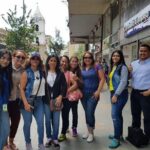
My second favorite part is the personal feel. In practice, guides such as Aleja, Juani, or Vivi have a way of adjusting to your group, keeping teens interested, and still moving at a steady pace through the neighborhood.
One drawback to flag: it’s not a fit if you’re very sensitive to caffeine. The workshop is coffee-forward, and the experience is designed for tasting multiple coffee-based products.
In This Review
- Key highlights to look for
- A 4-hour plan that makes Bogotá’s La Candelaria click
- Plazoleta del Rosario and the stories that start the walk
- Carrera 7: old-school commerce, crafts, and street creativity
- The Justice Palace Siege square: where politics becomes a physical place
- Casa de Nariño: a short look at presidential power
- Iglesia de San Agustín: baroque beauty with colonial secrets
- Museo Nacional Fragmentos: art that explains Colombia’s conflict
- Cacao & Coffee House workshop: tasting, smelling, and learning the process
- Santuario Nuestra Señora del Carmen and Plaza del Chorro del Quevedo
- How the pacing works in real life (and why it matters)
- Price and value: what $112 buys you in Bogotá
- Who should book this tour, and who should skip it
- Should you book Bogota Kickstart: Candelaria + Cacao & Coffee?
- FAQ
- How long is the Bogota Kickstart Tour?
- What’s included in the cacao and coffee workshop?
- Where does the tour start and end?
- Is this a private tour?
- Do I need to pay entrance fees at the landmarks?
- Is it okay if I don’t drink coffee?
Key highlights to look for
- La Candelaria landmarks on foot: quick stops that add up to a clear map of Colombia’s past
- Two storylines at once: political history plus the art and memory of the conflict
- Cacao + coffee workshop (1.5 hours) with multiple included tastings
- Private guide energy: you get a true conversation, not just a headset script
- Great photo moments: a Gothic sanctuary and a graffiti-filled square
- End near public transport so you can roll right into lunch or an easy return
A 4-hour plan that makes Bogotá’s La Candelaria click
La Candelaria can feel like a lot if you wander alone. This tour works because it gives you a sequence: colonial-era streets and squares first, then the modern edges of Colombia’s story, then something sensory you can taste and compare. By the time you reach the workshop, you already understand what you’re seeing outside.
I like that it’s not just “look at this building.” You get the why behind each place, and the guide ties it to themes: education and colonial control, commerce and street life, political power, and how art can carry memory. Then you cap it off with cacao and coffee, which is the kind of activity that makes a trip feel personal fast.
Other La Candelaria walking tours we've reviewed in Bogota
Plazoleta del Rosario and the stories that start the walk
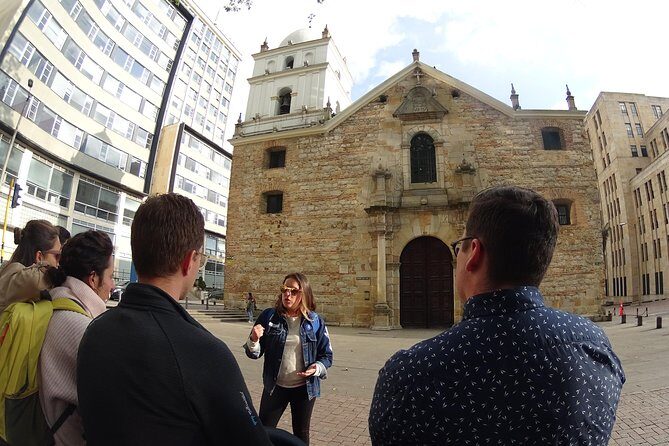
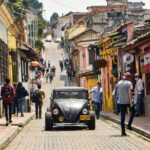
The tour begins at Plazoleta del Rosario in La Candelaria. This is a great first stop because it sets the tone right away: the area connects to one of the early universities in Colombia and the darker twist of colonial history, when institutions could be repurposed for jail life. Even if you only catch a few facts, your brain starts organizing the neighborhood as more than postcard scenery.
From there, you also hear a much more unsettling local story connected to a major murder mystery in Colombia. It’s the kind of corner tale that helps you understand why people talk differently about the past in Bogotá. You’ll likely notice how the guide uses specific details to show how one event can shape an era.
This opening is worth it because it gives you momentum. If you arrive without context, this district can feel like a maze of stone facades. These early moments tell you what to watch for as you move.
Carrera 7: old-school commerce, crafts, and street creativity
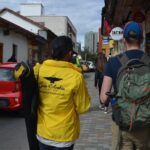
Carrera 7 is the kind of street you notice even when you’re not trying. It’s been an important commercial route since colonial times, and the walking tour treats it like a living timeline rather than a static sidewalk.
You’ll pass street vendors and see how Colombian craft and creativity show up right in the flow of daily life. It’s a good mid-tour change of pace, because you stop “zooming in” on politics and start “zooming out” to everyday culture: what people sell, how they display items, and what they think is worth bringing to public space.
A small caution: street areas can be busy, and you’ll want to keep your phone secure. The guide will manage the group, but your safest move is simple—keep distractions low and follow the pacing.
The Justice Palace Siege square: where politics becomes a physical place
Next comes one of the most important squares in Bogotá and Colombia. The guide focuses on the Justice Palace Siege in the 90s, explaining why that event marked a turning point and how it echoes into the way the country is governed.
This stop works best if you let it land emotionally. You’re not just hearing names and dates; you’re connecting a modern political crisis to a specific public space. In a neighborhood like La Candelaria, those links matter because the buildings and plazas are still there, and daily life continues around them.
The only “consideration” here is tone. If your trip style is all light and entertainment, the story can feel heavy. The guide’s job is to keep it understandable and grounded, but you should still expect a serious thread.
Casa de Nariño: a short look at presidential power
Casa de Nariño is the presidential house, the residence and office used by every Colombian president since the early 1900s. Even if you don’t go inside, the point of the stop is clear: you’re seeing how state power lives in the center of a historic district.
This is one of those places where you quickly understand why Bogotá is treated as political heartland. It’s not remote. It’s nearby, walkable, and part of the same urban fabric as churches, museums, and small streets.
It’s also a quick stop (around ten minutes), which is smart. It keeps the tour moving and prevents the day from getting too “checklist museum” feeling.
Other coffee farm and tasting tours from Bogota

Iglesia de San Agustín: baroque beauty with colonial secrets
The Church of San Agustin (Iglesia de San Agustín) is next, and it’s a contrast to the state-related stops. This is a baroque church, and the focus here is on hidden details and colonial-era secrets you might miss on your own.
Even without going deep on art terms, you’ll leave with a more useful sense of what baroque means in real spaces: drama in light, ornament that isn’t just decoration, and a sense of layers built into the architecture. If you care about photography, this is often a good moment because the interior visuals can be very satisfying.
One practical note: church interiors can mean dimmer lighting and sometimes rules about where you can stand or how you move. Go slow, follow the guide’s cues, and don’t plan to sprint for shots.
Museo Nacional Fragmentos: art that explains Colombia’s conflict
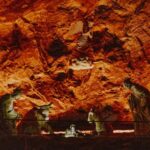
Fragmentos at the Museo Nacional de Colombia is the emotional center of the walking portion. The idea here is powerful: you talk about Colombia’s conflict in an intimate way through a work designed by the Colombian artist Doris Salcedo, and built by female victims of the conflict in Colombia.
This isn’t “just” a museum stop. It’s a pause where you shift from seeing the city as a set of historical landmarks to seeing it as a place still processing trauma. The time built into the tour (about 45 minutes) matters, because it gives you a window to absorb what you’re looking at instead of rushing through.
If you’re sensitive to heavy topics, take it one minute at a time. This stop doesn’t try to shock you into feelings; it tries to explain how memory lives in public art.
Cacao & Coffee House workshop: tasting, smelling, and learning the process
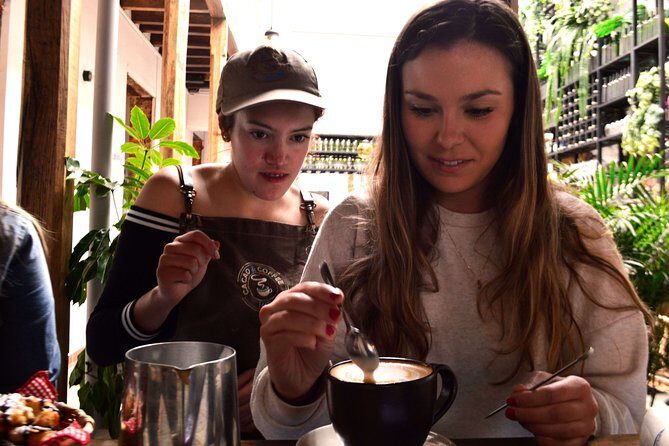
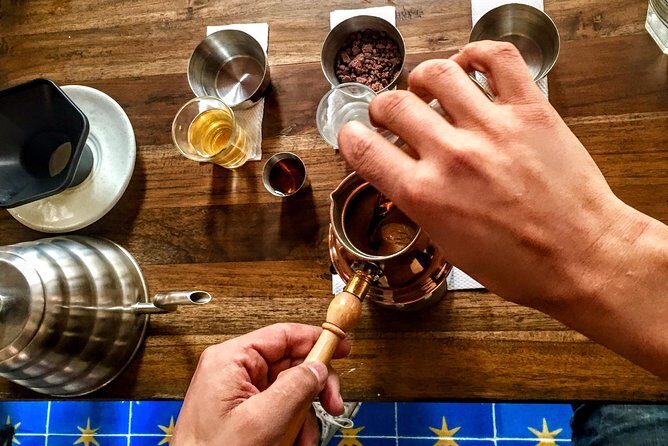
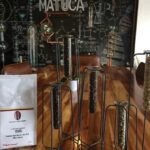
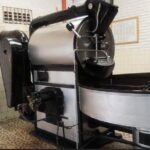
Now for the part that many people remember most: the Cacao & Coffee House experience, which runs about 1.5 hours. This is where the tour shifts from city history to hands-on food education.
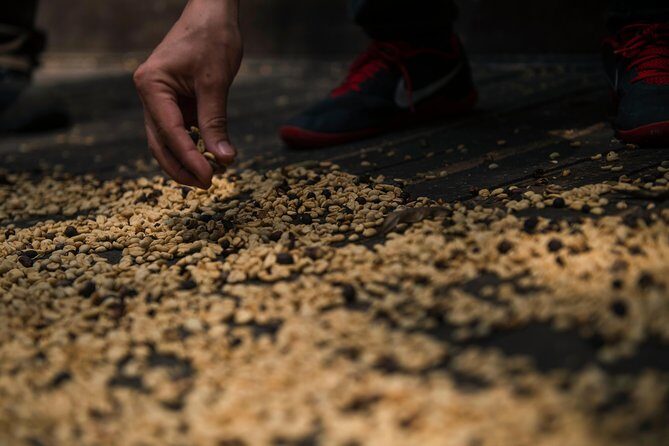
You’ll taste multiple included products—four coffee-based products and four chocolate-based products—so you’re not just having one drink. The guide and trained baristas explain how cacao becomes chocolate and how coffee becomes what you brew in a cup.
What I like about this workshop is the sequence. It starts with cacao itself: how the cacao pod is opened, what the seeds look like inside, and how you can understand the seed coverings by tasting/smelling and learning how those parts lead toward final products. Then it moves through coffee production: regions and types of coffee, the differences between samples, and how pressing and processing impact flavor.
You also get instruction in a barista-style way to prepare a cup. That means you can bring the idea home, not just the flavor. If you’ve ever had coffee in one country and wondered why it tasted different elsewhere, this workshop helps you ask the right questions.
One important fit note: the tour is not recommended if you’re resistant to caffeine. You’ll encounter coffee in the tastings, so don’t count on this being a caffeine-free experience.
Santuario Nuestra Señora del Carmen and Plaza del Chorro del Quevedo
After the workshop, you get two quick photo-friendly stops that bring the tour back to street-level Bogotá.
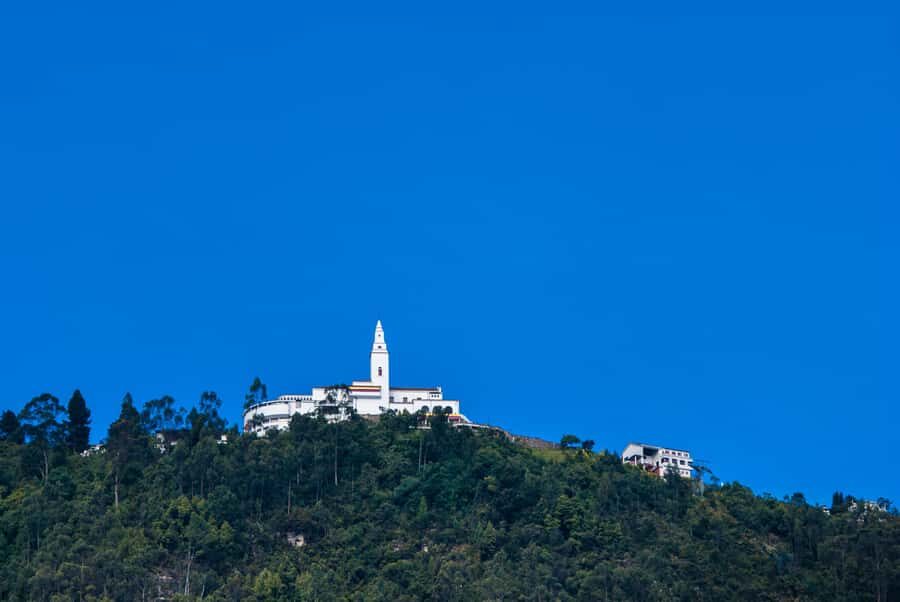
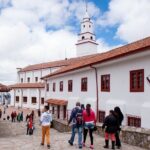
First: Santuario Nuestra Señora del Carmen. This is described as the only Gothic sanctuary of La Candelaria, home to the beloved Virgen del Carmen. It’s short—about five minutes—but it’s a satisfying way to see a different architectural style after museums and workshop rooms.
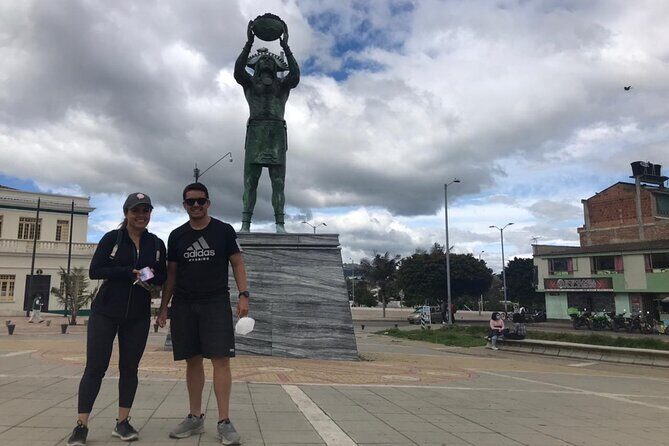
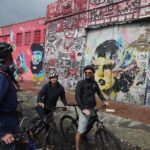
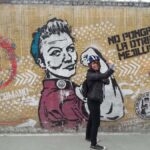
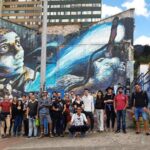
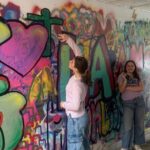
Then: Plaza del Chorro del Quevedo, a small square with a local social atmosphere and graffiti art. The tour treats it like a place to feel the neighborhood’s current personality, not just a walking waypoint. If you want a quick souvenir moment, or just a break spot where your feet can slow down, this is the time.
How the pacing works in real life (and why it matters)
The full tour is about four hours, and it’s structured with lots of short stops plus two longer anchors: the museum and the workshop.
Here’s the practical way to think about it:
- You’ll do multiple 5–15 minute segments outdoors and in quick interior moments.
- You’ll spend a longer stretch at Museo Nacional Fragmentos (around 45 minutes).
- You’ll spend the biggest chunk of time at the cacao-and-coffee workshop (about 1.5 hours).
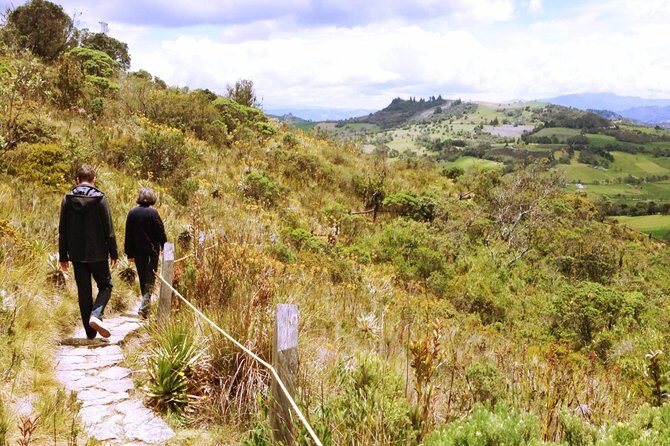
This pacing makes it easy to fit into a first trip day. And it’s also why private-guide energy matters: guides like Aleja and Juani have been praised for keeping families together and managing group flow so you’re not stuck waiting around in slow pockets. One guide even handled the kind of reset you sometimes need when the walking gets slightly uphill, using pacing breaks to keep people comfortable.
If your group includes teens or you simply don’t want to sit still, this structure helps.
Price and value: what $112 buys you in Bogotá
At $112 per person for about four hours, this tour isn’t the cheapest way to spend time in Bogotá. But it is one of the more “complete” options if you care about both context and a tasting experience.
Here’s the value math that matters:
- You’re paying for a private guide experience (not a loose group tour vibe).
- Coffee and chocolate are included, and it’s not one small taste. You get four coffee-based products and four chocolate-based products as part of the workshop.
- You also get tour insurance included, which is a small comfort when you’re spending a half-day in a dense area.
If you were to do the La Candelaria walking part alone with a guide, you’d still be paying for guidance. If you were to do the workshop alone, you’d still be paying for tastings and instruction. Putting them together is what pushes this into “worth it” territory for many people.
A final clue: the experience is often booked about 20 days in advance on average. That doesn’t automatically mean you should rush, but it does suggest it’s a popular way to plan a first visit.
Who should book this tour, and who should skip it
This tour fits best if you:
- Want a first-time Bogotá introduction that connects street scenes to real Colombian stories
- Like mixing history with something sensory you can learn and take home
- Have a family group with teens who need active engagement
- Plan to spend time in La Candelaria anyway, so the walking feels efficient
You might skip it if:
- You’re very sensitive to caffeine (the workshop centers coffee tastings)
- Your idea of a tour is mostly outdoor wandering or mostly museum time. This is both, with a workshop that’s the main anchor.
It’s a smart pick for people who want to feel oriented fast and leave with specific recommendations for what to do next.
Should you book Bogota Kickstart: Candelaria + Cacao & Coffee?
If your goal is to understand La Candelaria without getting lost in facts, this is a strong choice. The route gives you historical anchors in a compact window, and the workshop turns cacao and coffee into a real skill you can use later.
Book it when you want:
- A guided walking story you can picture later
- Included tastings that go beyond one drink
- A private guide who can adjust to your group’s energy
Skip it if coffee isn’t your thing. Otherwise, this is the kind of tour that makes Bogotá feel personal quickly, because you’re learning in public and tasting in a workshop.
FAQ
How long is the Bogota Kickstart Tour?
It runs for about 4 hours.
What’s included in the cacao and coffee workshop?
The experience includes 4 coffee-based products and 4 chocolate-based products, plus tasting and barista-style preparation during the workshop.
Where does the tour start and end?
It starts at Plazoleta del Rosario in La Candelaria and ends at the Cacao & Coffee House Bogotá near Cra. 6 #8-69.
Is this a private tour?
Yes. It’s a private tour/activity with only your group participating.
Do I need to pay entrance fees at the landmarks?
The tour information indicates admission tickets are free for the listed stops and church/museum segments included in the walk.
Is it okay if I don’t drink coffee?
It’s not recommended for travelers resistant to caffeine, since the workshop includes coffee-based tastings.