REVIEW · BOGOTA
Tropical Abundance: Interactive Cooking Class in Bogota
Book on Viator →Operated by Impulse Travel · Bookable on Viator
Colorful cooking starts at a market. In Bogotá, Tropical Abundance connects Plaza de Mercado Paloquemao with a real chef’s home kitchen, guided in English by Juliana Salazar and often cooked with Diana and Paulo’s warm, hands-on style. I especially loved the fresh fruit tasting (yes, including dragon fruit) and the fact you can choose your own Colombian menu to cook. The main drawback to consider is that the day is only about five hours, so if you want lots of deep, technical cooking time, timing can feel a bit tight.
You’ll also save yourself a chunk of stress. Hotel pickup and drop-off plus transport between stops means you can focus on learning ingredients, chopping, and eating, not navigating Bogotá. One more consideration: soft drinks and lunch are included, but there’s no mention of beer or wine, so go in expecting non-alcoholic beverages.
In This Review
- Key things that make Tropical Abundance work
- Plaza de Mercado Paloquemao: the ingredient hunt you’ll remember
- Chapinero cooking time: a chef’s apartment beats a demo kitchen
- Choosing your recipe: the “pick your own” menu is real value
- What you might cook: common dishes and flavors to expect
- The tasting and lunch: you eat what you made (and then some)
- Timing reality: why the class can feel short or perfect
- Transport and logistics: your day runs smoother than it looks
- Price and value: what you’re paying for at $269 per person
- Who should book this, and who should skip it
- FAQ
- FAQ
- Is hotel pickup and drop-off included?
- Where does the tour start?
- How long is the experience?
- Is the tour offered in English?
- Can I request a vegetarian option?
- What should I bring or wear?
- Should you book Tropical Abundance in Bogotá?
Key things that make Tropical Abundance work
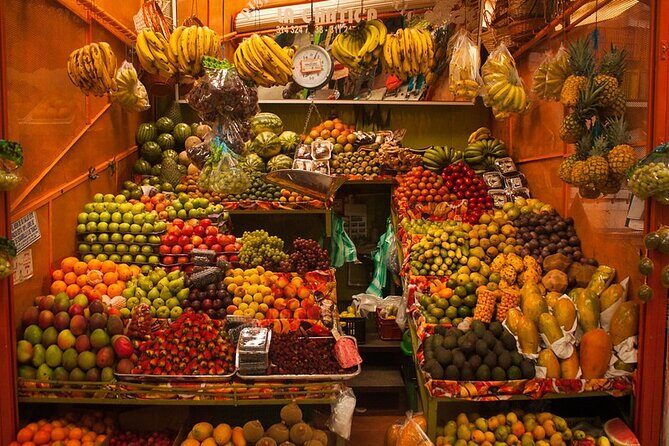
- Market-first learning at Plaza de Mercado Paloquemao, where you taste tropical fruit and see ingredients up close
- Custom recipe choice so your class ends with the kind of Colombian meal you actually want
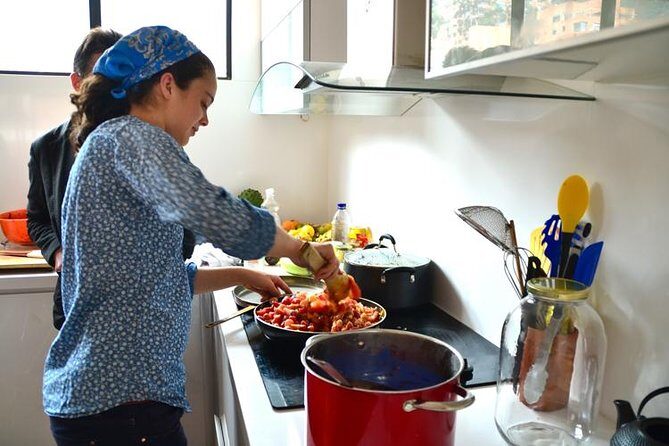
- Chef’s apartment kitchen in Chapinero, which feels personal rather than like a classroom
- Interactive cooking where you can chop, fry, and assemble as much as you want
- Vegetarian can be handled if you share dietary needs when booking
Plaza de Mercado Paloquemao: the ingredient hunt you’ll remember
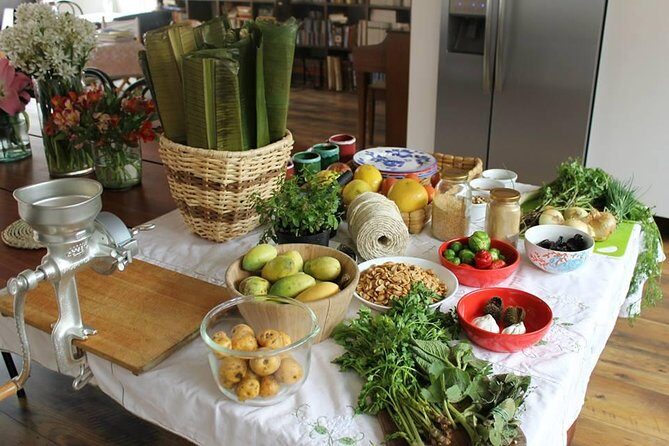
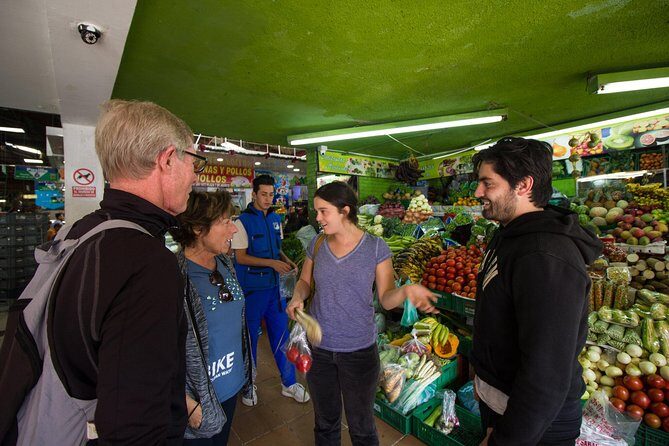
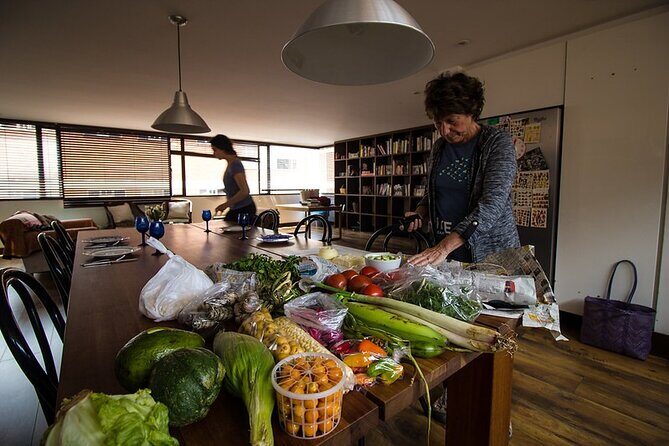
If you’ve only had Colombian food in restaurants, this is where it clicks. The tour begins at Plaza de Mercado Paloquemao, one of Bogotá’s best-known market hubs, and the goal isn’t just to look around. You’re there to understand ingredients the way local cooks do: by smell, texture, and ripeness.
A guide like Juliana Salazar helps set the tone. In English, she’ll steer you through what to look for and why certain fruits and produce matter in Colombian tropical dishes. The fruit tasting is a highlight. Dragon fruit often shows up, along with other “wow” varieties you may not see at home. Even when a fruit feels familiar, you’ll learn how Colombians treat it—fresh, juiced, folded into salads, or used for desserts.
Practical note: markets can move fast, and you’ll be walking. Wear shoes you trust on uneven floors, and bring a light layer because indoor air can swing between cool and warm.
Other cooking classes and workshops in Bogota


Chapinero cooking time: a chef’s apartment beats a demo kitchen
After the market, you head to Chapinero to cook. This matters more than it sounds. In a chef’s apartment kitchen, you get a more natural workflow: ingredients laid out, a real setup for preparing a meal, and a pace that feels like feeding people—not performing.
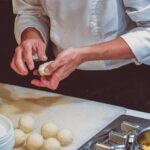
One of the strongest parts of this experience is the teaching style. The class is led by the chef team at the apartment, often described as Diana and Paulo, and they’re the kind of guides who make questions feel normal. You’re not stuck watching from one place. If you want to get hands-on, you can peel, chop, grate, smash, stir, and fry along with them.
Another plus: the class is English speaking. That removes one of the biggest friction points in Bogotá food tours, where you might otherwise catch only part of what’s happening. You’ll understand what you’re eating and why, which makes the meal feel earned rather than purchased.
Choosing your recipe: the “pick your own” menu is real value
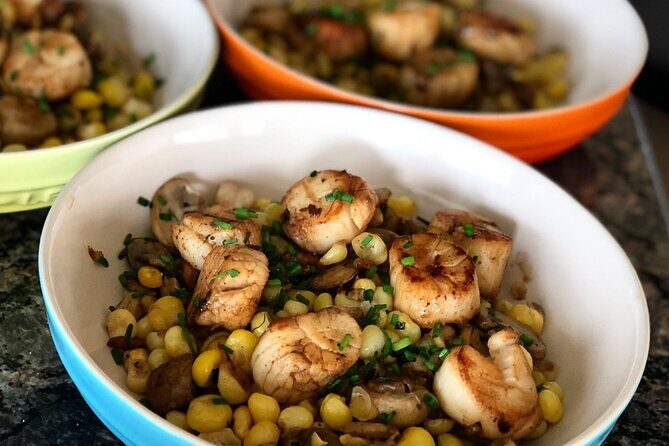
The tour is built around a workshop where you learn a traditional Colombian recipe of your choice. This is one of the clearest ways the experience justifies its price.
Instead of doing a fixed list that might include things you don’t love, you can select from menu options using native ingredients. The included options can range from soups and rice and meat to bread and desserts, plus tropical drinks. That flexibility helps you end the day with a plate you’d actually order again.
If you’re a vegetarian (and you tell the team in advance), the chefs can adjust. In real examples, vegetarian diners still got a produce-forward menu while omnivores got a meat-focused dish. The point is not just substitution—it’s making sure the meal still feels Colombian and complete.
If you have allergies or specific dietary requirements, share them when booking. The tour explicitly asks you to advise requirements and allergies up front, and this is exactly the type of cooking class where that detail matters.
What you might cook: common dishes and flavors to expect
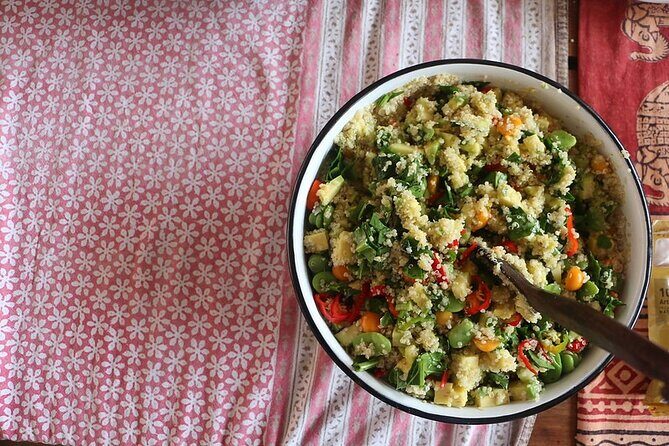
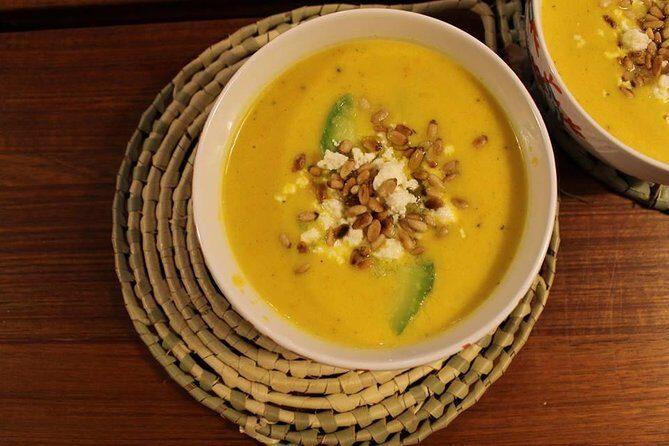
You’ll likely cook a mix of tropical and classic Colombian staples. Based on the menus shared in past experiences, it’s common to see dishes like arepas, patacones, and sauces built from Colombian flavor foundations.
Some examples of what groups have prepared include:
- A fruit-and-vegetable quinoa salad with a bunch of different produce mixed in
- A tropical drink like lulada
- Patacones (fried plantain slices)
- Yuca bread with queso
- Avocado salad
- Hogao (a tomato-onion style sauce used in many Colombian meals)
- A roast built around root vegetables with hogao and cheese
- Dessert featuring simmered fruit
You don’t need to remember the whole list. The practical takeaway is that the menu can include both savory and sweet elements, and the cooks typically build around tropical ingredients in a way that feels intentional rather than random.
The tasting and lunch: you eat what you made (and then some)
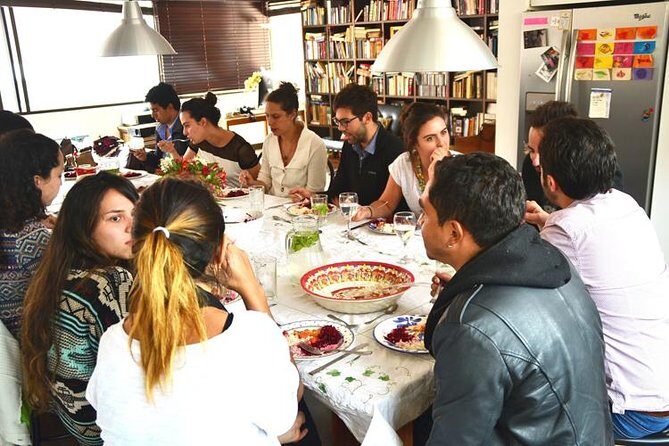
Lunch is included, along with soft drinks. That means you’re not racing through cooking and leaving hungry at the end. You should expect a table of food that reflects your chosen recipe and the produce you picked up at the market.
One detail I like: the day isn’t described as a rushed conveyor-belt meal. In a well-run class, you’ll cook at a leisurely pace with time to chat. If your group wants conversation, it can get broad—food and agriculture naturally lead to bigger topics like community life and local realities.
Also, the food isn’t just “nice to eat.” The point is learning. You’ll taste fruits and ingredients at the start, then see how those same flavors show up in drinks, salads, sides, and desserts.
What to watch: if you’re expecting an extended hands-on cooking session with lots of technical repetition, the five-hour window can feel short. The market part is substantial, and it eats into total kitchen time.
Other cooking classes in Bogota
Timing reality: why the class can feel short or perfect
Tropical Abundance runs for about five hours. That’s long enough to shop, cook, and eat, but it’s still a tight schedule.
Here’s how to think about it:
- If you enjoy a market experience and want a fun cooking-and-tasting day, the flow is likely ideal.
- If you mainly want deep cooking instruction and lots of “do it again” practice, you may find the pace brisk.
You can manage this by going in with the right expectation: this is an interactive introduction to Colombian tropical ingredients and a flexible recipe workshop, not a multi-session culinary school.
Transport and logistics: your day runs smoother than it looks
Hotel pickup and drop-off are included, plus transport between stops. That’s not just convenience; it protects your experience.
Bogotá is spread out, and even with decent planning, day-of navigation can distract you from learning. With pickup, you start fresh. You can also relax about fitting the tour into your sightseeing day.
The tour is offered in English, and it’s a private tour/activity—so you won’t be stuck with strangers if you’re traveling as a group. Group discounts may be available too.
One more small but useful note: smart casual is the dress code. Comfortable shoes matter more than outfits, but you’ll look fine in nicer casual clothes too.
Price and value: what you’re paying for at $269 per person
At $269 per person, this isn’t a budget cooking class. So does it earn the cost?
In my view, it’s easier to justify if you value three things:
- Market time with tasting (ingredients education starts here)
- A chef-led, home-kitchen meal with lunch and soft drinks included
- A chosen recipe so the final plate matches your preferences
Where value can drop is when someone expected more extensive kitchen instruction and didn’t get much time for in-depth cooking. The market is part of the product, and your kitchen time is shaped by the schedule.
If you want a fun, local-feeling food day with personalized menu choice and a real table of food at the end, this price starts to make sense. If you mainly want a formal classroom-style cooking course, you may feel the cost is higher than what you needed.
Who should book this, and who should skip it
This works best for:
- Food lovers who want Colombian tropical ingredients explained through hands-on cooking
- People who like markets and learn faster by seeing and tasting
- Vegetarians (if you flag it when booking) who still want a full, satisfying menu
- Groups who appreciate a private experience with hotel pickup
You might reconsider if:
- You want a longer, more technical cooking class focused heavily on technique
- You’re hoping for alcohol beyond soft drinks (it isn’t listed as included)
- You’re extremely sensitive to schedule timing and need slower, heavier instruction
If you’re spending only a few days in Bogotá, this can still be a smart use of time because you end with both knowledge and a meal you cooked yourself.
FAQ
FAQ
Is hotel pickup and drop-off included?
Yes. The tour includes hotel pickup and drop-off in Bogotá, plus transport between the market and the cooking location.
Where does the tour start?
It starts at Plaza de Mercado Paloquemao (Stop 1). After that, you travel to Chapinero for the cooking workshop.
How long is the experience?
It runs about 5 hours (approx.).
Is the tour offered in English?
Yes. The guide/chef is provided in English.
Can I request a vegetarian option?
Yes. A vegetarian option is available, but you need to advise the team when booking. You should also share any dietary requirements or allergies at booking.
What should I bring or wear?
Wear smart casual. Comfortable shoes help, since you’ll be walking through the market.
Should you book Tropical Abundance in Bogotá?
If you want one standout day that combines market tasting and a hands-on Colombian cooking workshop in a home kitchen, this is a strong pick. I think it earns its price when you show up ready to pick a recipe, taste fruit and produce, and enjoy the full lunch you help create.
If your top priority is long, in-depth technique practice and you picture a classroom-style cooking seminar, the five-hour schedule may not feel like enough. In that case, look for something with a longer cooking block.
For most people who love food and want a local, ingredient-focused experience in Bogotá, Tropical Abundance is exactly the kind of trip you remember.