REVIEW · BOGOTA
Free Walking Tour Bogotá: Arte, Historia y Café
Book on GetYourGuide →Operated by Colombia Tours And T · Bookable on GetYourGuide
Chorro de Quevedo sets the tone fast. This 3-hour, guided walk mixes street art, colonial lanes, and major moments from Colombia’s modern history. It’s a smart way to get your bearings without feeling like you’re stuck in a museum.
I especially like the built-in fruit and coffee tastings—you’re not just hearing about Colombian flavors, you’re tasting them in the middle of the neighborhoods where they fit. The other thing I like is the focus on real places tied to big stories, from El Bogotazo to Plaza de Bolívar’s political center.
One drawback to consider: the tour is labeled Spanish (even though the guide is described as bilingual), and like any free/low-cost walking setup, timing depends on the guide’s arrival. If you’re picky about punctuality, plan to arrive early.
In This Review
- Key highlights at a glance
- Where the tour starts: Chorro de Quevedo and the mood of La Candelaria
- La Concordia Market Square: fruit you can actually name
- La Candelaria streets: cobblestones, balconies, art, and cafes
- Plazoleta del Rosario and Santander Park: small stops, big views
- Plaza Santander to Gold Museum area: history next to finance and institutions
- El Bogotazo: the moment Colombia changed course
- Plaza de Bolívar: Colombia’s political heart in one view
- Teatro Colón and Palacio de San Carlos: architecture tied to reconciliation
- Final stop at Varietale La Candelaria: coffee with a barista’s logic
- Price and value: what $14 buys you in practice
- Who this tour fits best (and who should adjust expectations)
- Quick reality check: guide arrival and what to do
- Booking this tour: should you do it
- FAQ
- Where does the tour start?
- How long is the Free Walking Tour Bogotá: Arte, Historia y Café?
- What language is the tour guided in?
- What tastings are included?
- What’s included in the price?
- What is not included?
- Is there time to shop during the tour?
- What should I bring?
- What’s the main history highlight on the route?
- What’s the basic structure of the walk?
Key highlights at a glance
- Fruit tastings at La Concordia Market with context on origin and nutrition
- Coffee tasting at Varietale La Candelaria with a professional barista
- La Candelaria walk through cobblestones, wooden balconies, cafes, and street art
- El Bogotazo stop tied to the assassination of Jorge Eliécer Gaitán
- Plaza de Bolívar orientation around the National Capitol, Palace of Justice, and Cathedral
- Insurance included plus a bilingual guide for extra comfort
Where the tour starts: Chorro de Quevedo and the mood of La Candelaria
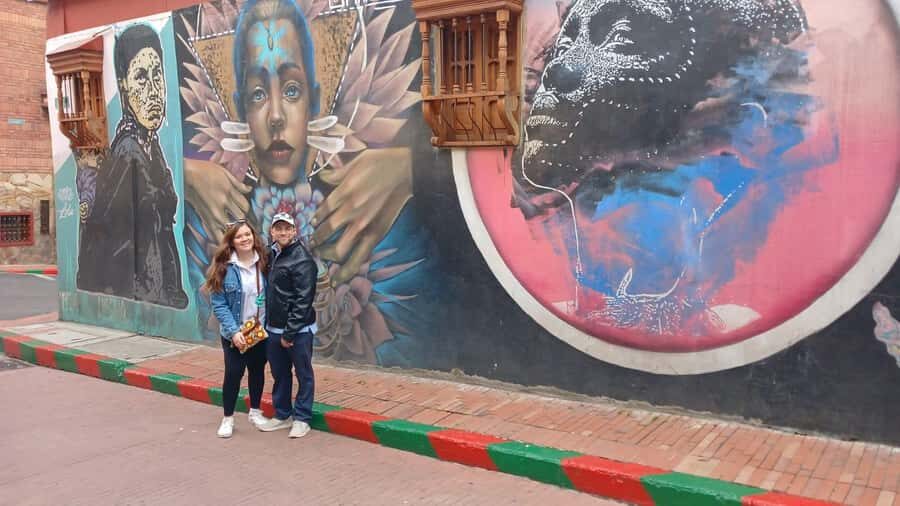
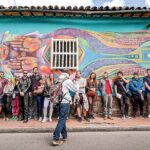
You begin at Plaza del Chorro de Quevedo, a square tied to Bogotá’s founding stories. The area is right in the energy zone of La Candelaria—mixing urban art, older colonial architecture, and that bohemian feel you’ll want for orientation on day one.
This is a strong first move because you’re not walking blindly. Your guide frames what you’re seeing: which streets matter, why certain buildings sit where they do, and how the neighborhood got its reputation. Even if you’ve only got half a day, you leave here with a mental map instead of a pile of random facts.
Practical note: wear comfortable shoes from the start. The tour leans on walking through older-street surfaces and short distances between stops.
Other coffee farm and tasting tours from Bogota

La Concordia Market Square: fruit you can actually name
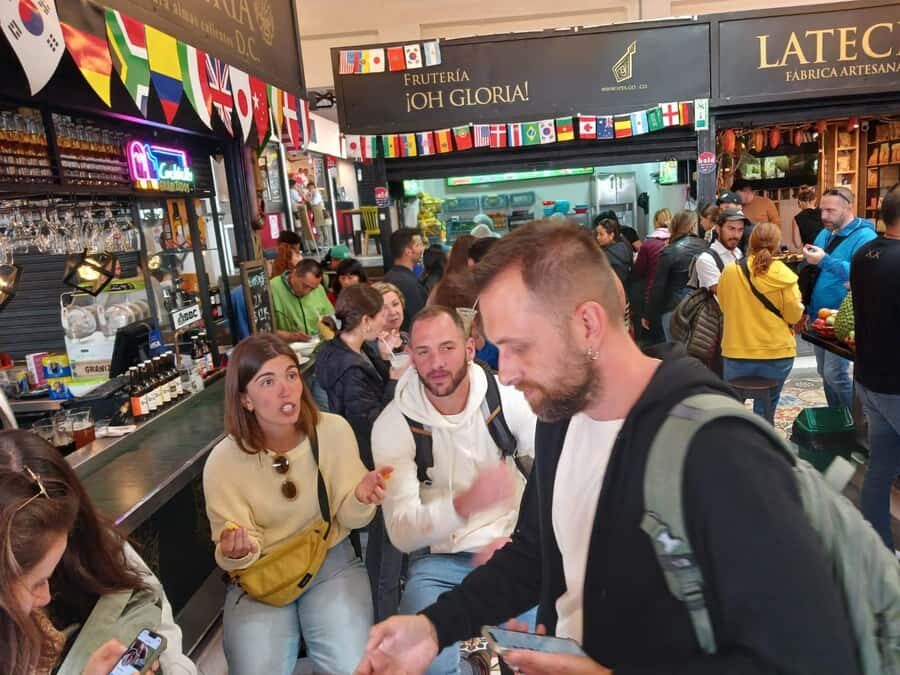
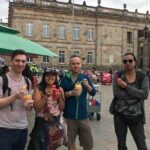
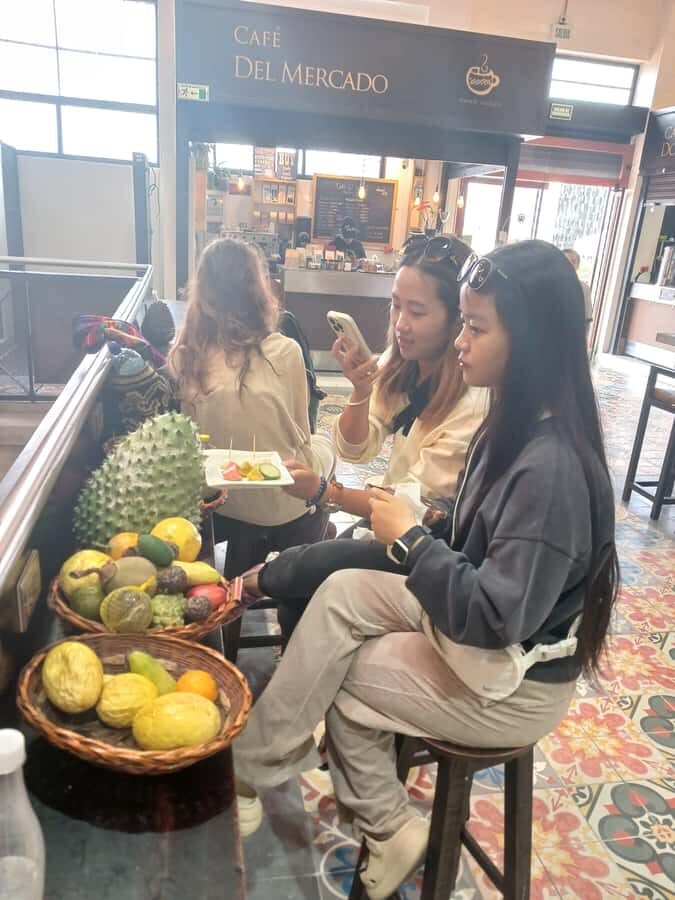
Next up is La Concordia Market Square, a place where food and daily culture overlap. This stop is built around tasting a variety of exotic Colombian fruits, plus juice. The best part is that it’s not just sample-and-go; you’re also learning where the fruits come from and what they bring nutritionally.
For you, that matters because it changes how you’ll shop later. You’ll know what to look for and what it’s used for, instead of staring at a fruit display and guessing. It also gives you a different kind of Colombia lesson than history alone. Food is history you can hold in your hand.
A small consideration: if you’re sensitive to unfamiliar flavors, go slow with the tasting. The tour is only 3 hours total, and the goal is to keep moving while still enjoying the samples.
La Candelaria streets: cobblestones, balconies, art, and cafes
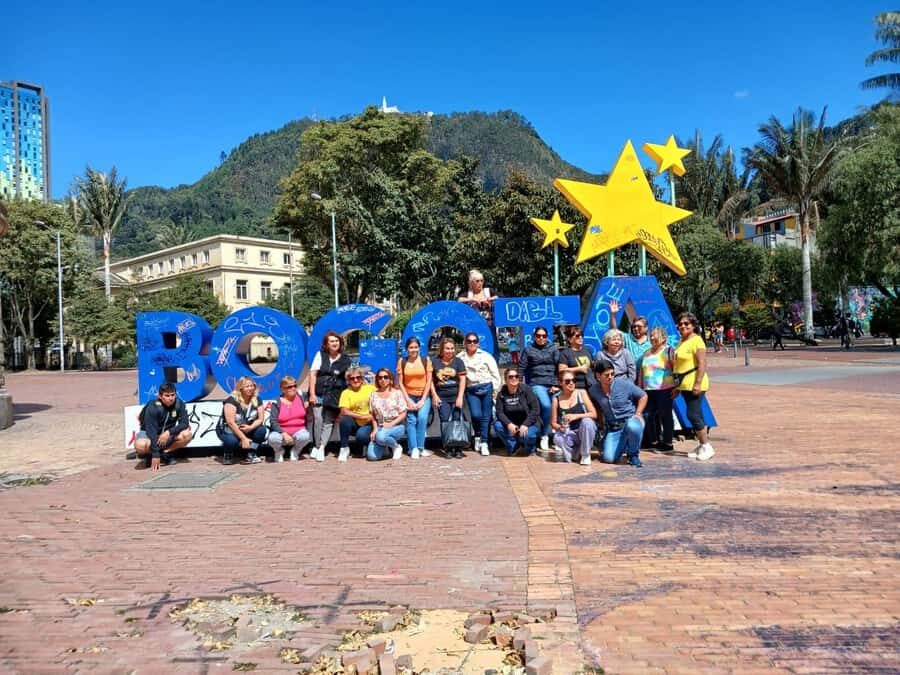
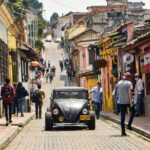
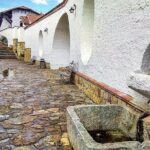
Then you get the long stretch: a guided walk through La Candelaria’s cobblestone lanes for about 80 minutes. This part is where the tour turns from information into atmosphere.
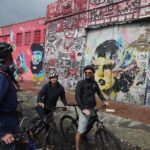
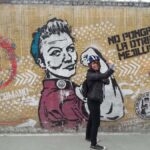
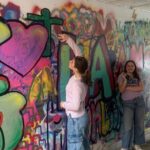
You’ll pass colonial houses with wooden balconies, see street art that tells modern stories, and notice cafes that feel like part of the neighborhood’s social life. The guide connects it all to Bogotá’s cultural and literary identity—so you’re not just photographing facades.
What I like about this segment for practical travelers: it’s a structured way to explore without committing to a full self-guided wander. If you only have a short time in Bogotá, this route gives you variety—old architecture, street-level creativity, and everyday hangouts—without stretching into an all-day plan.
Plazoleta del Rosario and Santander Park: small stops, big views
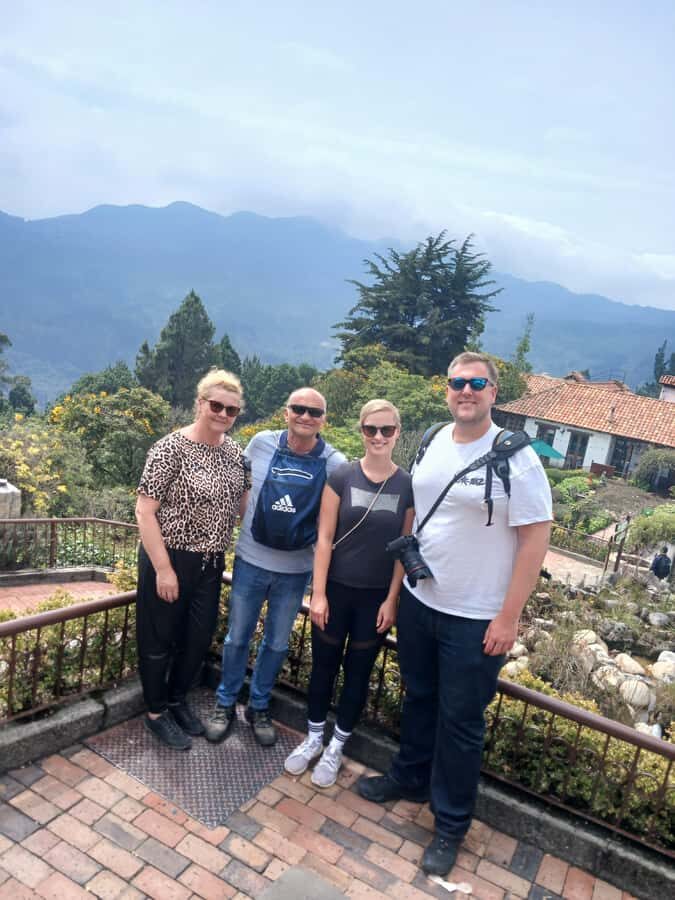
After La Candelaria, you’ll make two quick stops: Plazoleta del Rosario (around 10 minutes) and Santander Park (around 10 minutes). These aren’t meant to be long photo sessions. They’re short pauses that help you understand the city’s rhythm.
At Parque de los Periodistas (you’ll also reach it on this route), the tour connects historic and intellectual life with a view toward the eastern hills. Even if you don’t go far into the hills, the perspective helps you read Bogotá better—how the city sits in relation to its surrounding terrain and why certain spots became meeting points.
Plaza Santander to Gold Museum area: history next to finance and institutions
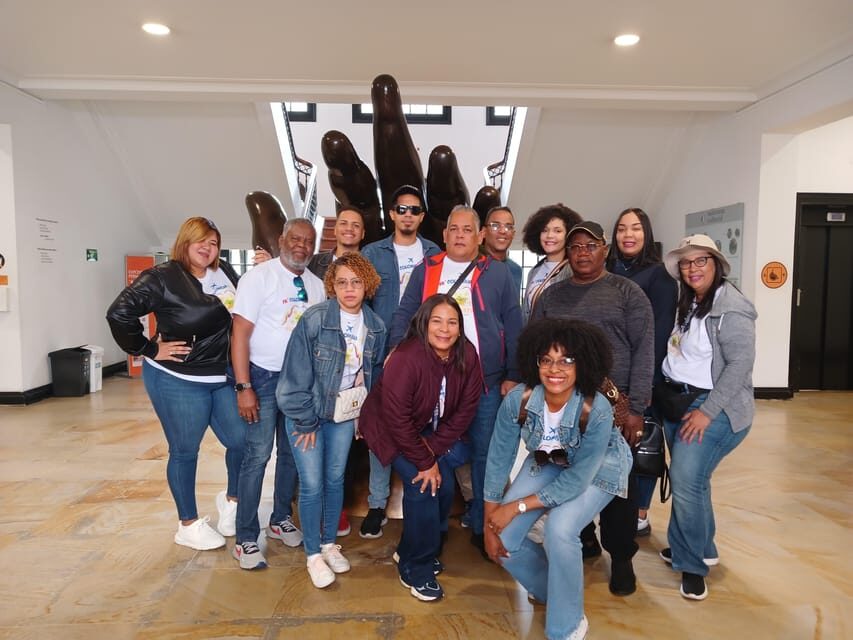
From there, you’ll reach Plaza Santander, in front of the Gold Museum and the Banco de la República. This stop blends culture and economics in a way that’s easy to remember: institutions shape how a country organizes wealth, pays for public life, and preserves identity.
Your guide explains how those institutions influenced Colombia’s cultural and economic development. It’s not a dry talk. The value is that it helps you see why places like museums and national banks aren’t just standalone buildings—they connect to national priorities and public storytelling.
If you’re the type who likes to understand the “why” behind the “what,” this stop will click.
Other walking tours we've reviewed in Bogota
El Bogotazo: the moment Colombia changed course
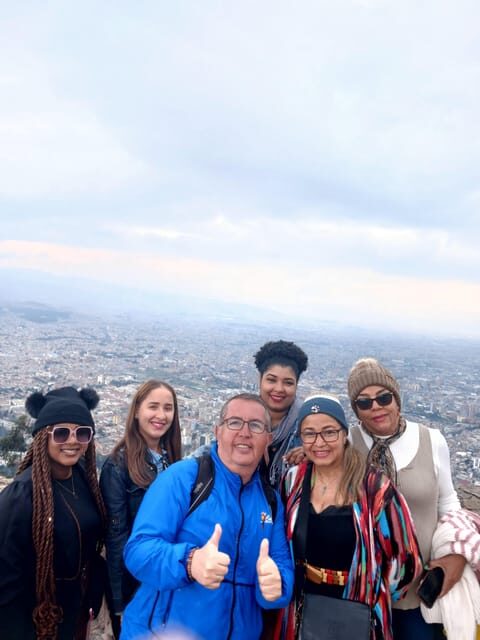
One of the most serious and important stops is the area tied to El Bogotazo, the riot and upheaval that followed the assassination of Jorge Eliécer Gaitán.
Here’s what this stop does well: it gives you location-based context. Instead of learning about a historical event as a distant headline, you’re shown the exact place where it happened and guided through how it triggered one of the most turbulent periods in modern Colombian history.
This is where you’ll feel a shift from casual walking to focused understanding. If history is your thing, you’ll probably want to ask questions, because the guide can connect the story to the rest of Bogotá’s political geography on the route.
Plaza de Bolívar: Colombia’s political heart in one view
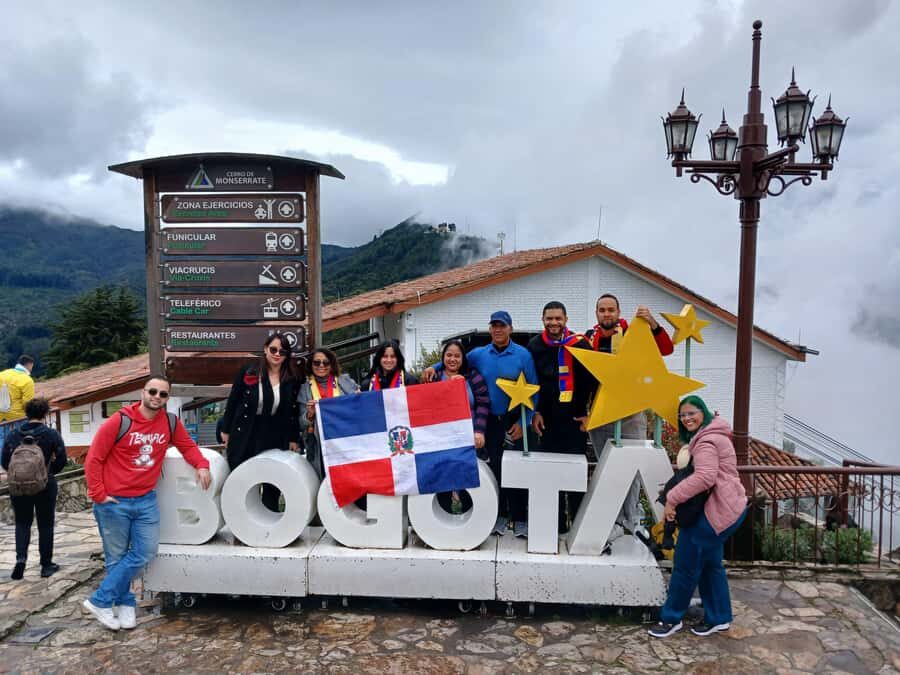
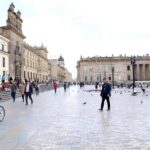
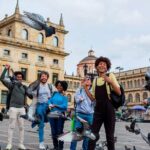
Then you arrive at Plaza de Bolívar, described (accurately) as the country’s political center and symbolic core. The square sits surrounded by the National Capitol, the Palace of Justice, the Primada Cathedral, and the Liévano Palace.
This is a great stop for you if you want to understand Bogotá’s power map quickly. The guide explains how this space has witnessed key moments across republican and contemporary history—so the buildings don’t feel random. They become a timeline you can stand inside.
One practical tip: in this area, keep your eyes moving. The scale can make it easy to focus on one building and miss the rest of the story your guide is pointing to.
Teatro Colón and Palacio de San Carlos: architecture tied to reconciliation
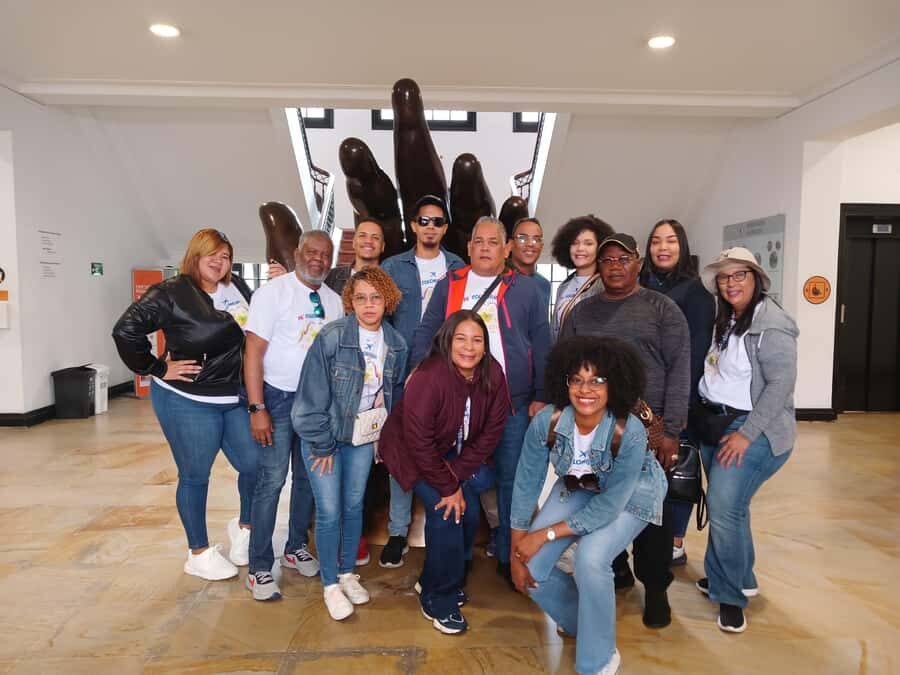
You’ll continue to Teatro Colón, another major landmark. The tour connects it to the Peace Treaty signed with the FARC guerrillas, marking a before-and-after moment in Colombia’s road to reconciliation.
Nearby is the Palacio de San Carlos, identified as the country’s first presidential headquarters. Your guide uses these landmarks to explain how executive power developed in Colombia.
This is a nice pairing because it treats culture and politics as linked rather than separate tracks. You end up learning that architecture isn’t only about style—it’s also about decisions, ceremonies, and national turning points.
Also helpful: the stop is short (about 10 minutes), so you don’t lose the rest of your afternoon in one location.
Final stop at Varietale La Candelaria: coffee with a barista’s logic
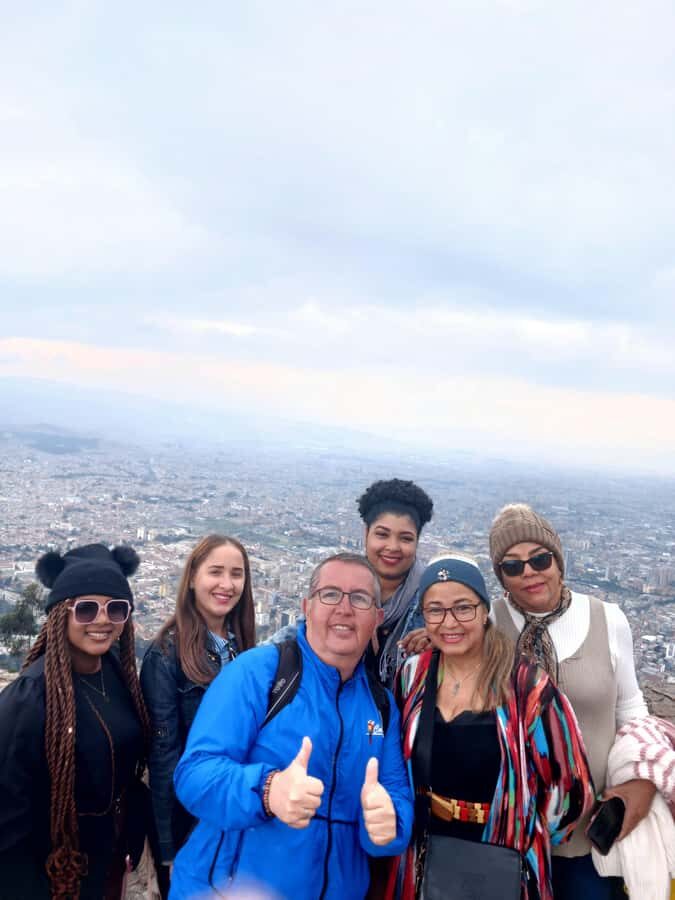
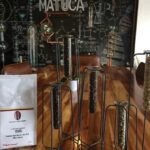
You finish with the sensory payoff: a cup of Colombian coffee prepared by a professional barista, with a guided explanation of the preparation process and what makes Colombian coffee distinct.
For me, this is where the tour makes the day feel complete. Earlier you tasted fruit at a market. Now you taste a beverage tied to Colombia’s culture and economy. The story lands because you’re using your senses, not just your memory.
You’ll also have a break time here (about 25 minutes), which can be useful if you want to ask last questions, grab a souvenir, or do a bit of coffee-related shopping. Just know that the tour is designed to keep you moving, so don’t let your shopping eat the time meant for tasting.
Price and value: what $14 buys you in practice
The headline price is $14 per person, and the real question is what that covers beyond “a guide and walking.”
From what’s included, your money supports:
- Health insurance and “full insurance” coverage
- A bilingual guide
- Fruit tastings and coffee tasting
- A timed, structured route through major areas of Bogotá
For that price, the tastings do real heavy lifting. Without them, this could feel like a standard orientation walk. With them, you get food education and a final coffee experience that anchors the whole story.
What isn’t included is also clear: lunch, pickup/return to your hotel, and entrance to Teatro Colón. So if you’re hoping for a full inside-the-theater visit or a meal, you’ll need to plan separately.
Who this tour fits best (and who should adjust expectations)
This works best if you:
- Want a short, high-impact introduction to Bogotá
- Like mixing neighborhoods with historical context
- Enjoy food tastings as part of understanding a place
- Appreciate a guide who keeps the pace lively and answers questions
It might be less ideal if you:
- Need a non-stop itinerary with no flexibility around guide arrival
- Expect long museum-style stops or guaranteed interior access (entrances are not included)
- Want lunch included or hotel pickup
Quick reality check: guide arrival and what to do
There’s at least one serious booking issue reported: a case where the guide didn’t show up and the participant waited for a long time. That’s not something I ignore, even if most experiences sound smooth.
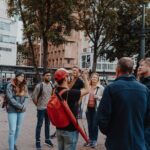
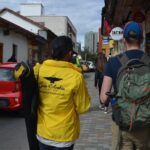
So here’s my practical advice: arrive early at the meeting point (Plaza del Chorro de Quevedo), watch for your team’s blue jacket and cap with the logo, and keep your phone ready in case instructions are needed.
Good news: many guides on this kind of tour are praised for being friendly and engaging, including guides named Juan and Ruby/Ruvy, who were described as dynamic, cheerful, and responsive to questions.
Booking this tour: should you do it
Book it if you’re trying to make the most of limited time in Bogotá and you like the mix of history + food. The route hits big, memorable areas—La Candelaria, El Bogotazo’s location, Plaza de Bolívar—and the tastings give you something you can take home mentally (and literally, if you shop a little at the coffee stop).
Skip or modify expectations if you want a guaranteed interior ticket experience at Teatro Colón or you need hotel pickup and a meal built into the schedule. Also, if punctuality is your top priority, plan to arrive early and be ready for the occasional human hiccup that can happen with any walking tour.
FAQ
Where does the tour start?
It starts at Plaza del Chorro de Quevedo. You’ll recognize the team by their blue jacket and cap with the Colombia Tours And Trips logo.
How long is the Free Walking Tour Bogotá: Arte, Historia y Café?
The duration is 3 hours.
What language is the tour guided in?
The tour is guided in Spanish. The guide is described as bilingual.
What tastings are included?
You’ll have fruit tastings at La Concordia Market Square and a Colombian coffee tasting at the end at Varietale La Candelaria.
What’s included in the price?
Included are health insurance/full insurance, a bilingual guide, coffee tasting, and fruit tasting.
What is not included?
Lunch, hotel pick up and return, and entrance to Teatro Colón are not included.
Is there time to shop during the tour?
Yes. There’s a break time at Varietale where shopping is possible alongside the coffee experience.
What should I bring?
Bring comfortable shoes, sunscreen, and water.
What’s the main history highlight on the route?
A key stop is the place tied to El Bogotazo, connected to the assassination of Jorge Eliécer Gaitán.
What’s the basic structure of the walk?
You’ll start at Chorro de Quevedo, visit La Concordia Market Square, walk through La Candelaria, make short stops at Plazoleta del Rosario and Santander Park, reach Plaza de Bolívar, continue to Teatro Colón, and finish with coffee at Varietale La Candelaria.