REVIEW · BOGOTA
Bogotá City tour 8 hours
Book on Viator →Operated by Bogotravel tours · Bookable on Viator
One day in Bogotá can feel like a week.
This private 8-hour tour is built to fit the big sights fast, with comfortable hotel-to-hotel transport and a guide who connects history, culture, and today’s realities as you move around the city.
I especially like the top-to-bottom sightseeing flow, starting with Monserrate’s dramatic height and ending with classic downtown neighborhoods and museum time. The other big win: you get complimentary entry to major stops, so you spend less time figuring out tickets and more time looking closely at what’s in front of you.
One consideration: on busy days, a few sites can close or change, which can make the day feel more rushed or truncated than you expected. And because you’re going up hills and walking in historic areas, it helps to have moderate physical fitness.
In This Review
- 6 Key Things You’ll Notice on This Bogotá Day
- Price and Logistics for a Smooth 8 Hours
- Hotel-to-Hotel Comfort: Private Transport That Actually Matters
- Monserrate by Funicular or Cable Car: Views Plus Meaning
- La Candelaria: Colonial Streets, Bohemian Energy, and Big Culture Stops
- Plaza de Bolívar: The Government Core and the Stories Behind It
- Museo del Oro: Why the Gold Museum Is So Big
- Centro Internacional and Park Way: Two Different Styles of Bogotá
- Café de la Fonda: Coffee Roasting, Then Hands-On Tasting
- The Guide Makes or Breaks the Day (Ask for Fabio)
- Value Check: Is $124 Worth It for You?
- Who This Bogotá Tour Fits Best
- Should You Book This 8-Hour Bogotá Private Tour?
- FAQ
- How long is the Bogotá city tour?
- What time does the tour start?
- Is this a private tour?
- What does the tour include for transportation?
- Are entrance fees included?
- What if the Gold Museum is closed?
- Does Monserrate run every day?
- Is the coffee stop guaranteed?
- Is the tour wheelchair accessible?
6 Key Things You’ll Notice on This Bogotá Day
- Private guide plus private transportation that keeps your schedule efficient and your group together.
- Monserrate ticket included, with access by funicular or cable car and big city views from high altitude.
- La Candelaria hits multiple anchors in one loop, including Botero-related culture, numismatics, and major library space.
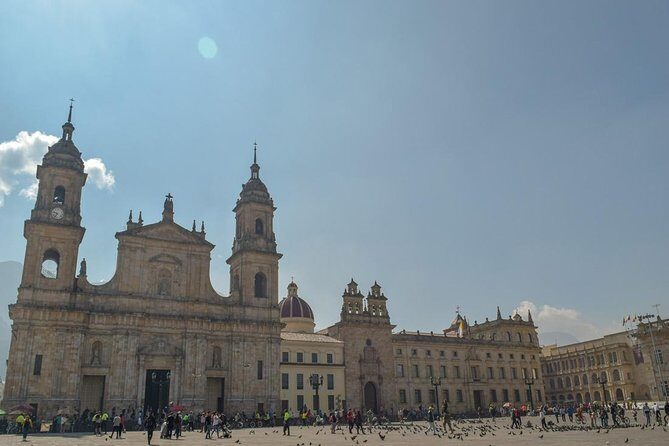
- Plaza de Bolívar is more than a photo stop, with political and social context from your guide.
- Museo del Oro entry is included, plus flexible swaps if it’s closed (like Emerald museum or Bolívar house options).
- Street-art and local-cultural details show up along the way, not just at the headline monuments.
Price and Logistics for a Smooth 8 Hours
At $124 per person for an 8-hour private tour, you’re paying for three things that add up fast in Bogotá: time, convenience, and access. The price includes private transportation (hotel–city tour–hotel), a private driver, and a permanent tour guide during the day. You also get round-trip Monserrate transport/tickets and entry to the Gold Museum, which helps make the total feel more balanced.
The tour starts at 8:30 am, which is smart. You’ll beat some crowds for the most popular stops and still have enough daylight for downtown. Your actual pace is guided by the day’s conditions, but the plan is designed to give you a classic Bogotá overview without a “hop out, hop back in” chaos spiral.
You should also know two practical limits before you go:
- No wheelchair access is included.
- The day involves hills and walking, so moderate fitness helps.
Other Bogota private city tours we've reviewed


Hotel-to-Hotel Comfort: Private Transport That Actually Matters
What makes this tour feel different from a standard bus outing is the way the transport supports the itinerary. You’re not just getting driven—you’re getting a setup where your guide can keep things moving, adjust the timing when needed, and stay with you through each stop.
In the best case, that means you spend your energy on the places—Monserrate, La Candelaria, Plaza de Bolívar, and the museums—rather than on logistics. In the less ideal case, any day with closures or route changes can shift your time inside the vehicle. On a major holiday, for example, some stops can be closed, and that can reduce how much walking or museum time you get.
Still, even if the day runs slightly tighter, a private setup is often the difference between seeing a city and just passing through it.
Monserrate by Funicular or Cable Car: Views Plus Meaning
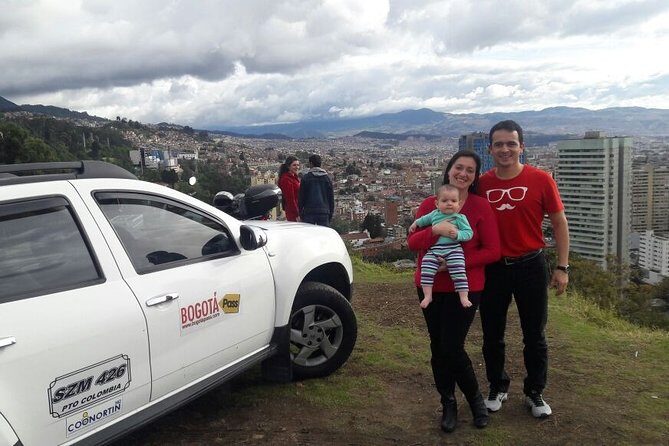
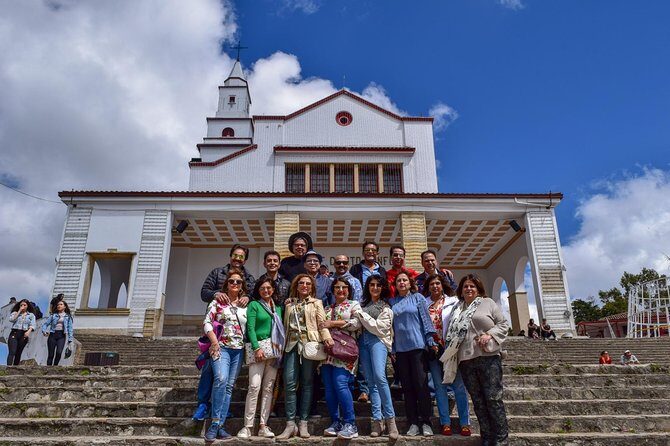
Your morning kicks off at Mount Monserrate, one of Bogotá’s most recognizable symbols. It’s high—around 3,150 meters / 10,335 feet—and the air feels different up there. Getting to the top by funicular or cable car is included, so you don’t have to shop around or plan routes on your first day.
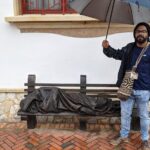
Once you’re up, you’ll get sweeping views of the city and visit the Sanctuary tied to El señor caído de Monserrate, a sculpture associated with peace and reconciliation. Your guide doesn’t treat it like a simple photo moment. They explain the monastery and connect what you’re seeing to the bigger story of Bogotá.
Here’s the seasonal detail you should plan around: every Sunday, the visit switches to Cerro de Guadalupe instead of Monserrate, because Monserrate can get extremely crowded on Sundays. If your trip falls on a Sunday, that change is a normal part of the experience, and it’s worth expecting.
La Candelaria: Colonial Streets, Bohemian Energy, and Big Culture Stops
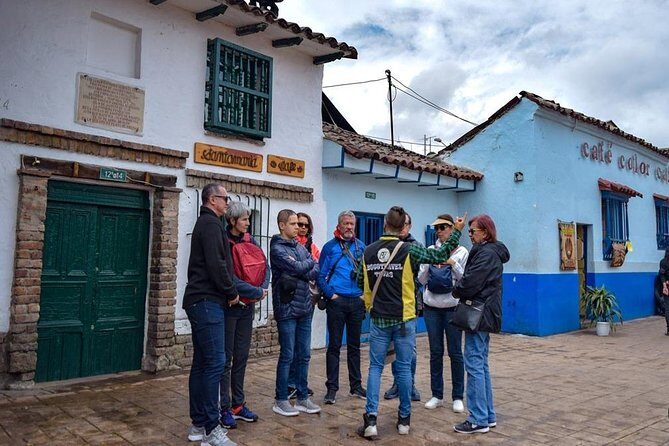
After Monserrate, the day drops into Barrio La Candelaria, the colonial heart of Bogotá. This is where the city feels layered: old architecture, creative energy, and neighborhoods that have been absorbing culture for generations.
You’ll spend about an hour here, and the value is that it’s not just one attraction. The stops listed for this area can include:
- Botero Museum
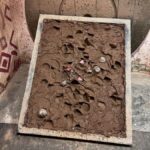
- Casa de la moneda (Numismatic Museum)
- Luis Ángel Arango Library
- Gabriel García Márquez Cultural Center
Each one adds a different lens. Museums bring objects and stories. The library adds atmosphere and public culture. And the cultural center connects literary fame to place, not just books on shelves.
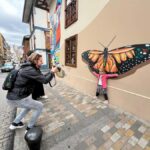
Also, one thing you might notice while moving through La Candelaria is street art and local cultural details. This matters because it keeps the day from feeling like a checklist of monuments.
Plaza de Bolívar: The Government Core and the Stories Behind It
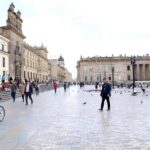
Next comes Plaza de Bolívar, the main governmental center in Colombia. It’s famous for being the hub where major national institutions sit close together, including the national capitol, the mayor’s office, a religious street, and the Colombian courthouse.
What I like about this stop is how your private guide uses it as a conversation starter. You’re not only seeing stone and statues. You’re getting explanations tied to the country’s political topics, and you’ll also hear stories connected to Colombia’s growing social and military situation.
This is the kind of stop where a guide can make a huge difference. Without context, you might just take a few pictures. With context, the square becomes a shortcut to understanding how the city thinks and how the nation frames power.
Other city tours we've reviewed in Bogota



Museo del Oro: Why the Gold Museum Is So Big
Then you hit one of Bogotá’s most important cultural anchors: Museo del Oro. You’re looking at Pre-Columbian pieces from Colombia across different indigenous groups, and it’s not only gold. The collection can include silver, copper, emeralds, wood, and ceramics, which helps you see craftsmanship beyond one material.
The museum’s permanent collection is described as more than 35,000 pieces, and it’s also positioned as one of the largest and most valuable collections of its kind in the world. Even if you’re not a “museum all day” person, that scale sets expectations: you’re getting a concentrated overview of how these artifacts mattered to the cultures that made them.
Important scheduling note: the Gold Museum is closed on Mondays. If your day includes a Monday, the plan can swap to options like the Emerald Museum or La Quinta house (Simón Bolívar house in Bogotá), plus extra time with the other main highlights depending on what’s possible. Your guide can usually keep the day coherent rather than leaving you with empty time.
Centro Internacional and Park Way: Two Different Styles of Bogotá
After museums and the historic core, your itinerary shifts toward Bogotá’s other identity layers: finance, older institutions, and architecture.
At Centro Internacional, you’ll see key pieces tied to Colombia’s financial center and historic sites. Two listed examples are:
- Santa María Bullfighting Arena
- National Museum (as part of this broader area)
It’s a useful contrast to La Candelaria. You’re still in central Bogotá, but the city’s rhythm changes from colonial-era textures to more modern institutional presence.
Then you visit Park Way, recognized for being the biggest Tudor architecture style zone in America, covering roughly 1900 to 1930. This is a great stop if you like architecture or if you simply want a break from museums and government squares. It’s also an easy way to understand how Bogotá has imported and adapted styles over time.
One practical note: you’ll get about an hour at each major stop. That’s great for first-timers, but if you want ultra-deep museum time, you may still want to plan a separate return visit later.
Café de la Fonda: Coffee Roasting, Then Hands-On Tasting
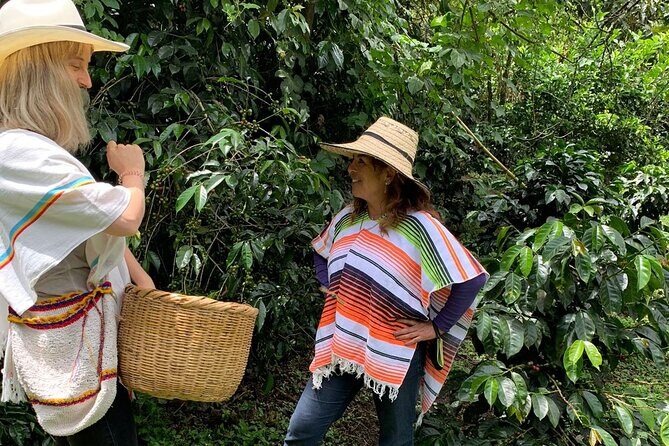
The late-day stop is a coffee experience at Café de la Fonda. The focus here is practical and sensory: you’ll learn about the roasting process of Colombian coffee as it’s commonly made in Bogotá, and you’ll hear about different qualities of the coffee.
What makes this section feel hands-on is that you can touch, bite, and smell the coffee in a local-style setting. If you’ve never tasted coffee with a guided approach, this is the kind of experience that helps you connect flavor to process rather than just drinking something and moving on.
One thing to keep in mind: the visit to Café de la Fonda can be restricted by management schedules, so timing on your specific day might influence what you get. It’s still included as a planned highlight, but you should treat it as a flexible slot rather than an untouchable promise.
The Guide Makes or Breaks the Day (Ask for Fabio)
You’re getting a private tour guide throughout the day, and that matters here because your route includes both sites and explanations—religious symbolism, political context, and cultural background.
A standout name from the experience is Fabio. People specifically call out how patient and helpful he is, including with kids, and how he answers lots of questions. If you can request a guide, Fabio is a good one to hope for.
Even when you’re just waiting at a viewpoint or stepping between neighborhoods, good guiding keeps the day from turning into noise. You get stories, present-day context, and the kind of city structure insights that help you understand what you’re looking at.
Also, the day isn’t only formal history. Based on how guides approach the stops, you’ll likely catch extra color—like street-art detail and local cultural views—so the experience feels more lived-in than staged.
Value Check: Is $124 Worth It for You?
Here’s the value math that matters: you’re paying for private time plus multiple paid inclusions. That usually means:
- You’re not paying for Monserrate transport/tickets separately.
- You’re not paying for Gold Museum admission separately.
- You’re not coordinating transit on your own.
- You have one guide handling context and pacing.
For a traveler with limited time in Colombia, this is where the value tends to shine. If you only have a single day to get your bearings, private transport plus admissions is often the most efficient way to see a lot without feeling frantic.
Where the value can drop is on days with closures or major schedule shifts. A holiday can reduce access, and then you may spend more time in transit than you’d hoped. If you’re traveling on a date when crowds are heavy, keep your expectations flexible.
Who This Bogotá Tour Fits Best
This tour is a strong fit if:
- You’re in Bogotá briefly and want a clear overview.
- You like your sightseeing with context, not just photos.
- You prefer private transport over public transit transfers.
- You enjoy mixing big landmarks with cultural stops like museums and a coffee experience.
It may be less ideal if you:
- Need a fully accessible route (wheelchair access is not included).
- Expect long, unhurried time in one museum. The day is paced to cover multiple areas.
- Are the type who hates spending time in a vehicle. Private tours can still involve transit between neighborhoods.
Should You Book This 8-Hour Bogotá Private Tour?
I’d book it if you want a structured, first-timer-friendly Bogotá day that covers the most essential themes: views from Monserrate, colonial Bogotá in La Candelaria, power and politics at Plaza de Bolívar, and major museum time—especially Museo del Oro.
I’d think twice if your dates are the most likely to run into closures and crowd spikes, because schedule changes can shrink the day’s flexibility. If that’s your situation, pick it only if you’re okay with a little uncertainty and you’re aiming for the broad experience rather than every single planned stop.
If you do book, do this: pack for hills and walking, bring water, and come ready to ask questions. This is the kind of tour where a good conversation can turn “major sights” into real understanding of Bogotá.
FAQ
How long is the Bogotá city tour?
It’s listed as about 8 hours.
What time does the tour start?
The start time is 8:30 am.
Is this a private tour?
Yes. It’s private, and only your group participates.
What does the tour include for transportation?
You get private transportation with hotel pickup and return, plus a private driver and private tour guide during the city tour.
Are entrance fees included?
Yes. Entrance to Monserrate (via funicular or cable car) is included, and Gold Museum admission is included as well.
What if the Gold Museum is closed?
The Gold Museum is closed on Mondays, and the plan may swap to options like the Emerald Museum or La Quinta house (Simón Bolívar house in Bogotá), depending on what’s possible that day.
Does Monserrate run every day?
On Sundays, the Monserrate visit changes to Cerro de Guadalupe due to high visitor numbers.
Is the coffee stop guaranteed?
The Café de la Fonda visit could be restricted by management schedules, so what you get may depend on timing.
Is the tour wheelchair accessible?
No wheelchair access is listed as included.