REVIEW · BOGOTA
Bogotá: Guided Coffee Tour with Lunch, and Pickup & Drop-Off
Book on GetYourGuide →Operated by Bogotravel tours · Bookable on GetYourGuide
A coffee tour that also teaches fruit and coffee craft. I like how the day is built around real plantation time at Hacienda Coloma, not just a quick photo stop, and you also get a structured coffee tasting plus a bit of coffee liqueur. The one thing to think about is that this is a spoken, guided experience—it’s not listed as suitable for hearing-impaired guests.
What makes it especially interesting is the mix: coffee production (pulping, drying, roasting), coffee plant biology (including natural enemies and plant mutations), and a side trip focused on Colombian fruit—complete with a passion fruit moment. I also like that you get door-to-door private transport from your hotel, which is a big deal when you’re heading out of Bogotá for a full 8-hour day. The only drawback: the road can eat time, so even though Fusagasugá is about an hour away in theory, plan for delays on the way there and back.
In This Review
- Key Highlights Worth Marking on Your Plan
- A Coffee Day Trip That Feels Like the Plantation, Not a Show
- Bogotá to Fusagasugá: Plan for Time, Not Distance
- Hacienda Coloma: Native Plants, Coffee Plants, and the Real Work
- Coffee Plant Biology: Enemies and Mutations (Yes, Really)
- From Pulping to Roasting: How Coffee Gets Made on the Farm
- Coffee Tastings and Coffee Liqueur: Your Chance to Apply What You Learned
- Colombian Fruit Market Tasting: A Break from Beans
- Typical Lunch in the Nearby Town: Keep It Simple, Then Go
- Guides, Language, and Group Style: What Helps the Day Run Smoothly
- Price and Logistics: What You’re Really Paying For
- Who Should Book This Coffee Tour (and Who Might Skip It)
- Should You Book It?
- FAQ
- How long is the tour?
- Where does the tour go?
- What’s included in the experience?
- Are tastings included?
- What languages is the guide available in?
- What should I bring?
- Is this tour wheelchair accessible?
- Can I cancel and get a full refund?
Key Highlights Worth Marking on Your Plan
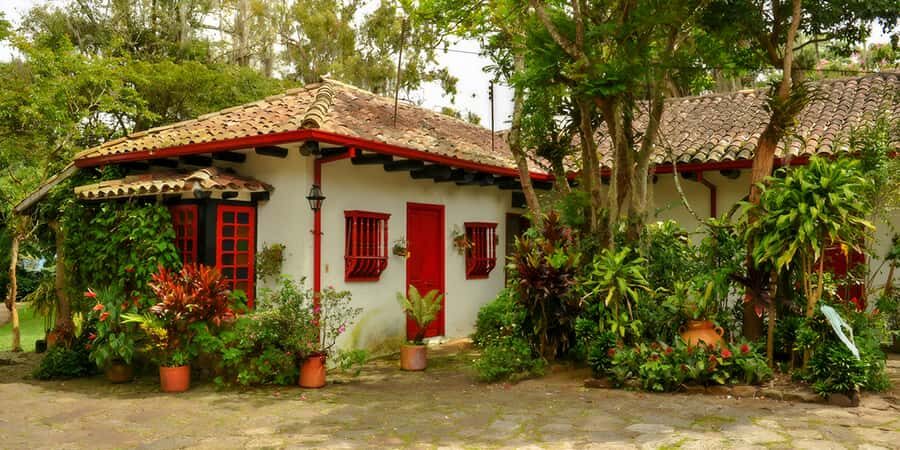
- Hacienda Coloma coffee plantation visit with a specialized coffee advisor on-site
- Hands-on coffee learning, from bean picking to spotting the best coffee on the plant
- Coffee production inside the roastery process, including pulping, drying, and roasting
- Fruit market tasting, with instruction about common Colombian fruits plus passion fruit tasting
- Typical Colombian lunch served in the nearby town after the plantation visit
- Hotel pickup and drop-off with private transportation for a smoother day
A Coffee Day Trip That Feels Like the Plantation, Not a Show
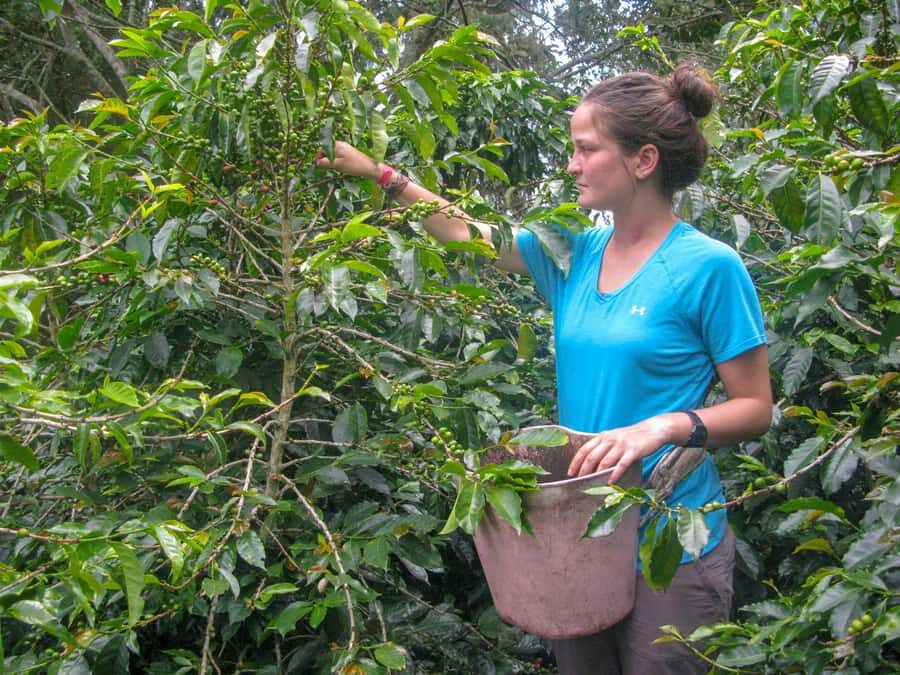
This tour is built for people who want more than a sip and a souvenir. You start the day at a private coffee plantation, where the focus stays on how coffee actually grows and turns into a cup. That shift matters: you get explanations as you look at the plants, not explanations over a finished product.
I like that the learning is practical. You’re not just told what coffee is—you’re guided through things like how to pick coffee and how to identify promising beans on the plants. If you’ve ever wondered why one coffee tastes different from another, this kind of on-the-ground context usually makes it click.
You also get variety during the day. Coffee is the main event, but the fruit component gives your brain a break and adds something very Colombian. And yes, there’s a tasting element beyond plain coffee—there’s also coffee liqueur as part of the experience.
Other coffee farm and tasting tours from Bogota
Bogotá to Fusagasugá: Plan for Time, Not Distance
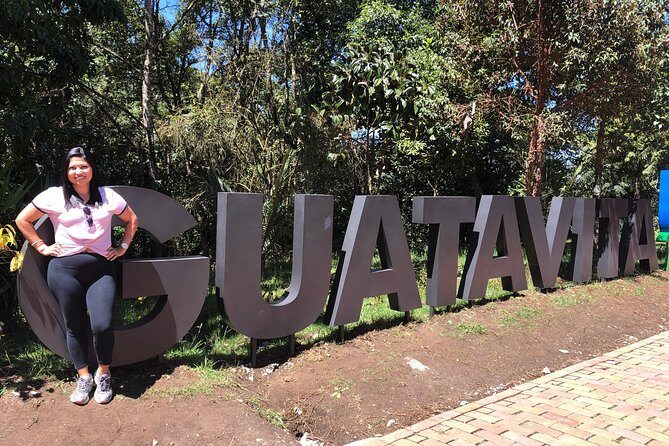
The route is Bogotá to Fusagasugá (a municipality in Cundinamarca) and back, with hotel pickup and drop-off included. The drive is described as roughly one hour in distance terms, but here’s the practical advice: treat travel time as flexible and expect the actual ride to run longer when traffic or road work hits.
This matters because the full experience is 8 hours. If you get stuck on the highway, you don’t want to be thinking, What if we’re late? You want to go in with the mindset that it’s a full-day outing, and the schedule will absorb the road time.
Temperatures in Fusagasugá are described as averaging around 20°C. That’s generally comfortable for walking, but I’d still dress in layers. Plantation time means you might be outdoors near garden areas and plants, so a light jacket for mornings or breezier moments can help.
Hacienda Coloma: Native Plants, Coffee Plants, and the Real Work
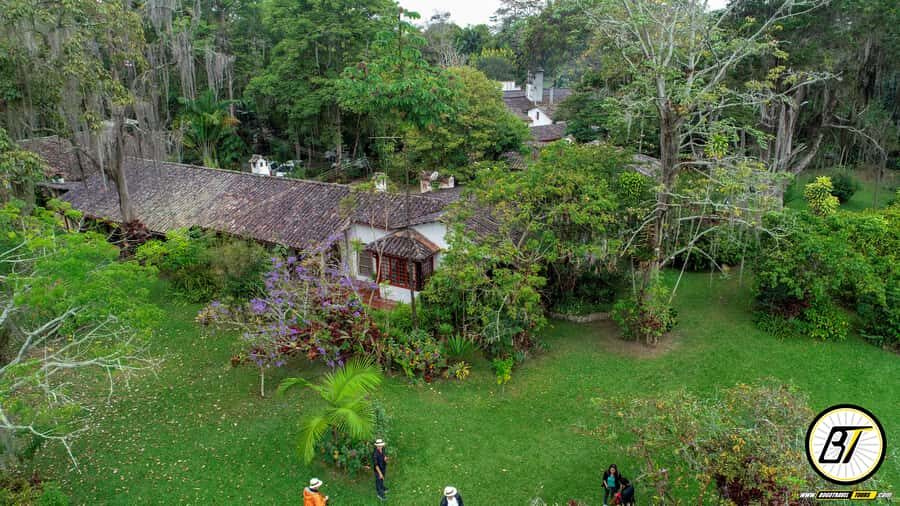
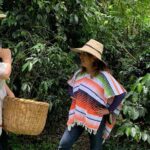
The tour starts at Hacienda Coloma, a private coffee plantation. You’re welcomed by Colombian coffee producers, which changes the tone right away. Instead of feeling like you’re touring a display, you’re watching a working operation—one where the guide’s explanations connect to what you’re seeing.
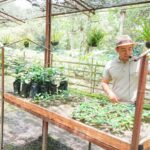
One of the nicest parts is the garden setting. The hacienda is surrounded by plant life you can recognize from the tropics, including orchids, bromelia, cacao, and bamboo. Even if you aren’t a plant person, this matters because it frames coffee within the larger ecosystem. You start to see why coffee grows where it grows.
Then you move into the coffee itself. You’ll learn about:
- different types of coffee crops, and what the beans look like across types
- how beans vary by color and size
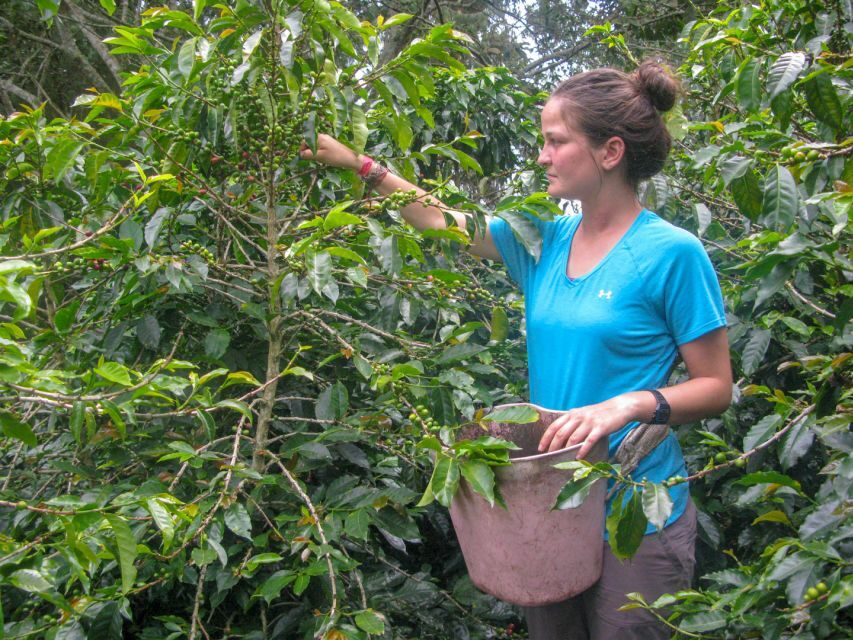
- how to pick coffee properly and identify the best beans from the plants
That bean-identification piece is the kind of detail that turns a tour into a skill lesson. And because you’re doing it while standing in the plantation, you’re more likely to remember what to look for later.
Coffee Plant Biology: Enemies and Mutations (Yes, Really)
Coffee farming isn’t just sunshine and rain. Part of the experience includes explanations about the coffee’s “natural enemies,” described here as parasites, and also about mutations in coffee plants. This is where you get a more realistic view of agriculture.
I appreciate this because it answers the hidden question: Why do farmers constantly monitor and protect crops? When you understand the problems farmers deal with, the whole production chain—from pulping to roasting—feels more meaningful. Coffee becomes a craft with risk and care built in, not a commodity that appears on shelves.
You’ll also get instruction on how producers manage the plants and what to pay attention to when selecting beans. Even if you’re not planning to farm, it gives you a more informed way to appreciate what’s inside your cup.
From Pulping to Roasting: How Coffee Gets Made on the Farm
After the plantation walk and plant talk, the tour shifts into production. You’ll be introduced to the coffee production process, including:
- pulping
- drying
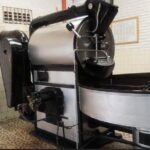
- roasting inside a real roastery area within the plantation
That sequence is important. Many tours explain coffee tasting without showing how processing changes the flavor. Here, you see that processing is part of the flavor story. Even without getting technical, you come away with an understanding that roasting isn’t the only step that matters—earlier steps can shape what ends up in the final cup.
This is the part of the tour that tends to satisfy people who like “how things work” learning. If you enjoy science-y explanations tied to everyday food, you’ll likely have a good time. And if you’re more casual, the guide’s job is to translate those steps into simple takeaways—so you don’t need a coffee degree to enjoy it.
Other guided tours in Bogota
Coffee Tastings and Coffee Liqueur: Your Chance to Apply What You Learned
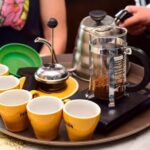
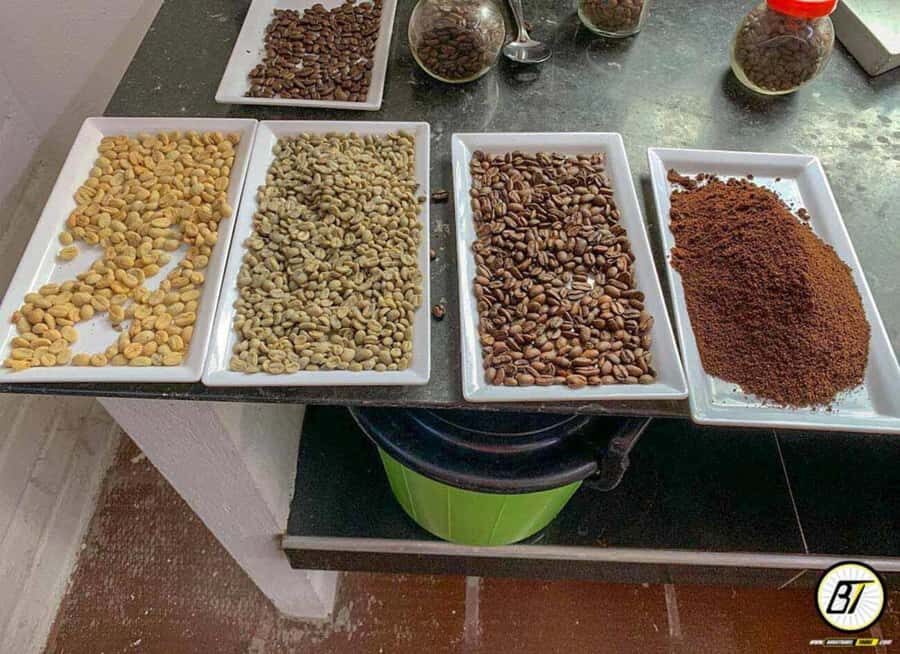
Tasting is included, and it’s not limited to one kind of moment. You’ll do a coffee test using an included cup, and the experience also includes coffee liqueur.
I like that the tasting happens after the production and plant lessons. It turns tasting into a quiz you didn’t know you signed up for. Suddenly, you’re not just sipping—you’re connecting aroma and flavor impressions back to steps like drying and roasting.
Coffee liqueur can be a fun add-on, but it also helps you appreciate coffee’s broader flavor profile beyond straight espresso-style drinks. If you enjoy trying local versions of familiar tastes (instead of only ordering what you already know), this part of the day is a good fit.
Colombian Fruit Market Tasting: A Break from Beans
After coffee, you shift gears to Colombian fruit. The experience includes a visit tied to a typical fruit market, plus a guided fruit test and explanation of common Colombian fruits, including passion fruit.
This section is genuinely useful, not just “snack time.” You learn what fruits are typical in Colombia and how people recognize and use them. For me, that’s where food tours become cultural tours: you start understanding everyday ingredients, not just tourist-friendly dishes.
Passion fruit is part of it, and you’ll taste it as part of the included experience. Even if passion fruit isn’t new to you, it’s often better when you’re tasting it with guidance—so you notice flavors you’d otherwise miss.
If you’re someone who finds long food days repetitive, the fruit stop gives variety. It also helps you reset between the plantation and lunch.
Typical Lunch in the Nearby Town: Keep It Simple, Then Go
Lunch is included as a typical Colombian meal in the nearby town. The tour keeps it straightforward: plantation first, then fruit, then lunch. That flow usually works well because you’re not waiting until the end of the day to finally eat.
Practical note: bring comfortable clothes and shoes, because after lunch you might still have time to move around before the drive back. You don’t want to feel cramped or tired before the return trip.
The bigger “value” point is that the lunch is part of the day package, so you’re not stuck hunting for food in between. In a full 8-hour outing, that kind of convenience matters.
Guides, Language, and Group Style: What Helps the Day Run Smoothly
This is a private group tour with a local bilingual guide (English–Spanish) plus a specialized coffee advisor while you’re on the plantation. That combination is what you want for a coffee day: one person guiding the story and the other adding coffee-specific detail.
On some departures, the plantation guide is named Jessica, and the feedback about her explanations has been strong. I can’t promise the same person will be on your date, but it’s a good sign that the operator puts real communication effort into making the farm portion understandable.
Because it’s a private group, you’re also more likely to get answers tailored to what you’re curious about—like how bean selection works or what differences you should watch for on the plant.
Price and Logistics: What You’re Really Paying For
At $1,146 per person for an 8-hour private tour, this isn’t a budget “coffee and cake” stop. You’re paying for a bundle of things that are hard to replicate on your own: private hotel transfers, access to a private plantation with a coffee advisor, structured tastings (including coffee liqueur), fruit market tasting, and lunch.
Here’s how I’d think about the value:
- If you want a guided day that includes both coffee production learning and fruit culture, the price can make sense versus paying for transport + separate experiences.
- If you only care about a quick coffee tasting, this may feel expensive for what you’d get.
- If you enjoy food education tied to real places—plantations, roastery process, and guided tastings—you’re more likely to feel the money is going toward something substantial.
Also, because road time can stretch, you’re effectively buying a smoother day. Someone handles the transportation so you don’t have to worry about timing, routing, or where to eat between stops.
Who Should Book This Coffee Tour (and Who Might Skip It)
This tour is a great match if you:
- love coffee and want to learn how it’s produced beyond the cup
- enjoy guided tastings tied to explanations
- want a day trip that includes fruit tasting and a typical Colombian lunch
- prefer private transportation and a hotel pickup/drop-off setup
You might consider skipping if:
- you’re looking only for a short tasting experience
- you need an experience designed specifically for hearing-impaired guests (it’s not listed as suitable)
- you’re sensitive to longer road time and schedule changes due to traffic or road work
It’s also a strong choice for couples or small groups who want a more personal pace.
Should You Book It?
If you want a coffee tour that treats coffee as a real farm product—complete with how beans are selected, how plants are managed, and how processing shapes the final cup—this is the kind of day I’d book. The pairing with fruit tasting and a typical lunch turns it into more than a one-note experience.
Just go in knowing it’s a full day and the drive can run longer than the headline distance suggests. If that doesn’t bother you, the structure is solid, and the plantation-focused learning is the main reason to choose it.
FAQ
How long is the tour?
The duration is 8 hours.
Where does the tour go?
It starts in Bogotá and goes to Fusagasugá, to a private coffee plantation area, then returns to Bogotá.
What’s included in the experience?
You get hotel pickup and drop-off, access to the private coffee plantation (Coloma), a local bilingual guide (English–Spanish) plus a specialized coffee advisor, coffee testing and coffee liqueur, a typical fruit market visit with fruit testing and explanations (including passion fruit), and a typical Colombian lunch.
Are tastings included?
Yes. You’ll do a coffee test and tasting, including coffee liqueur, plus fruit tasting (including passion fruit).
What languages is the guide available in?
The guide is available in English and Spanish.
What should I bring?
Bring comfortable shoes, sunscreen, and comfortable clothes.
Is this tour wheelchair accessible?
Yes, it’s listed as wheelchair accessible.
Can I cancel and get a full refund?
Free cancellation is available up to 24 hours in advance for a full refund.