REVIEW · BOGOTA
Guided Visit to Botero Museum in Bogota
Book on GetYourGuide →Operated by Impulse Travel · Bookable on GetYourGuide
Chubby figures with big politics await. This 2-hour guided visit to Bogotá’s Botero Museum pairs hotel pickup with an expert walkthrough of 123 Botero artworks, and I love how clearly the guide connects each piece to the bigger story. I also like the variety: you’re not only seeing Botero’s style, you’re comparing it with major artists from his private collection.
One practical consideration: since it’s timed to about 2 hours, you’ll want to pick a few favorites and spend your energy on the works that grab you most.
In This Review
- Key Takeaways Before You Go
- Hotel Pickup at 10:00 and a Calm Start in Bogotá
- Why the Botero Museum Works Best With a Guide
- Botero’s World: What You’ll Learn About “Boterismo”
- 123 Botero Artworks: The Main Event in Your Two Hours
- How to “do” Botero during the visit
- The Donation Story: How Botero Museum Became Reality
- The International Side of the Collection: Monet to Picasso
- The Dove, the Bomb, and Peace vs. Violence
- Museum Architecture and Your Best Use of 2 Hours
- Souvenir Shop Time: What to Do With the Last Minutes
- Price and Value: Why $46 Can Make Sense Here
- Who This Tour Fits Best
- Should You Book This Botero Museum Guided Visit?
- FAQ
- How long is the Botero Museum guided visit?
- What is included in the $46 per person price?
- Do I get hotel pickup?
- What artworks will I see?
- Is the museum open on Tuesdays?
- What languages are available for the guide?
Key Takeaways Before You Go
- Private guide, not a crowd experience: you get an expert explanation in Spanish or English.
- 123 Botero works: expect paintings and sculptures that follow his “Boterismo” style, with humor and political bite.
- A big-name art mix: impressionists, Picassos, and more show up alongside Botero’s world.
- A museum built from a donation: you’ll learn how Botero’s gift became the Botero Museum.
- Finish with time for souvenirs: you can grab gifts after the visit, without rushing.
Hotel Pickup at 10:00 and a Calm Start in Bogotá
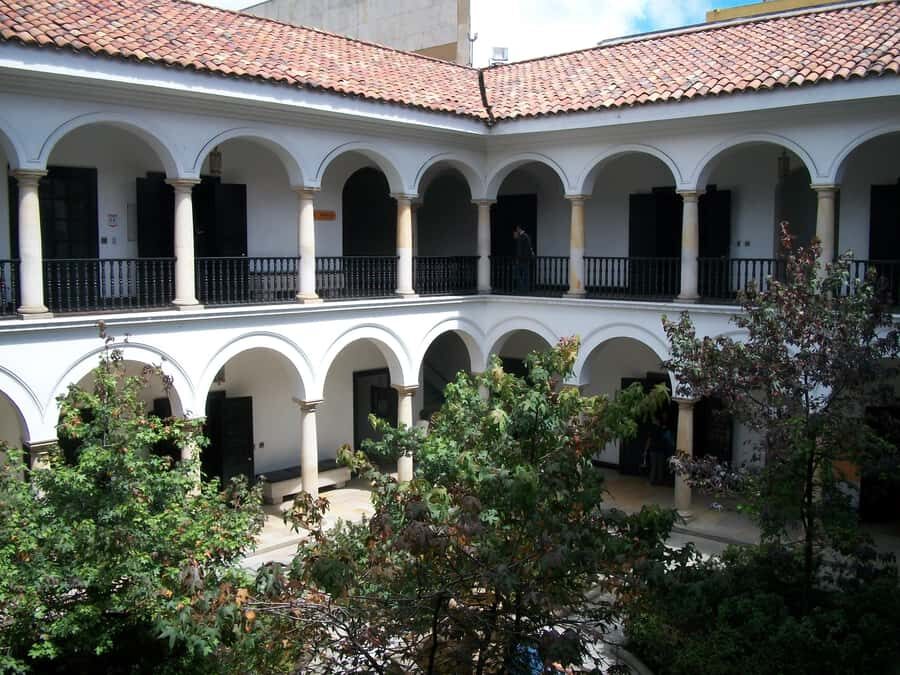
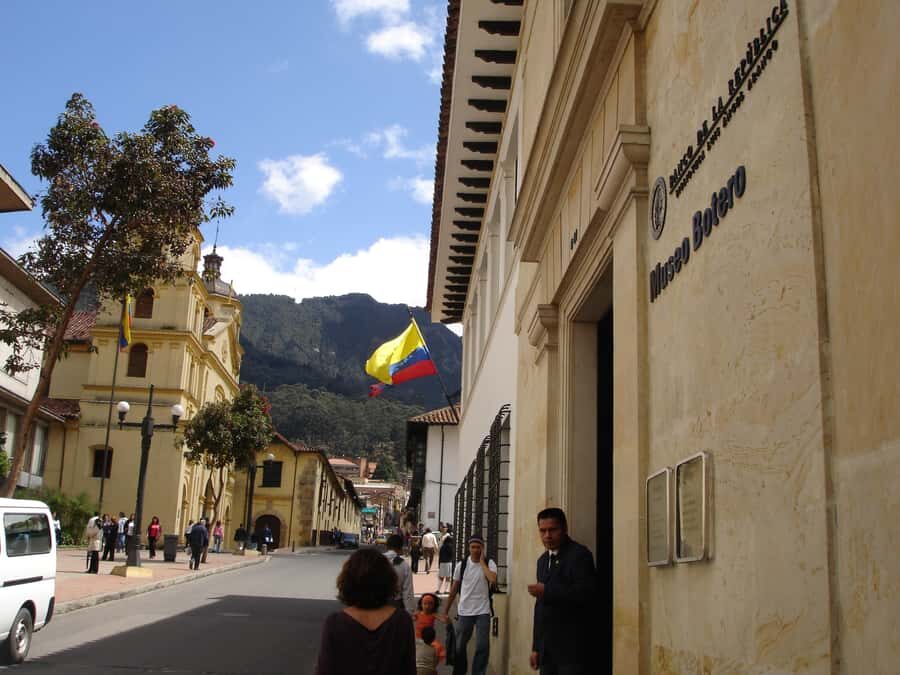
This tour is designed to feel easy from the first minute. You meet at your hotel at 10:00 in the morning, then you’re taken by private transport to the museum. It’s a small-group setup, and the guide is there from the start of the visit—so you’re not left trying to figure things out alone once you arrive.
The tone here tends to be friendly and informative. In particular, the kickoff matters. A clear, helpful driver reduces stress in a busy city, and it lets you show up ready to look closely at art, not searching for directions.
Other Gold Museum and Botero Museum tours in Bogota



Why the Botero Museum Works Best With a Guide
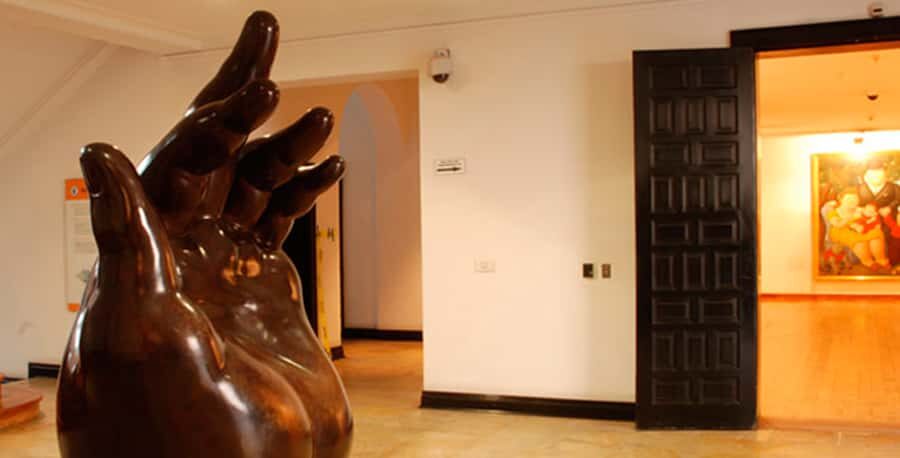
Yes, Botero’s figures are instantly recognizable—big, rounded forms and a playful sense of style. But the real value of a guided visit is how the museum makes the art easier to read. When someone explains what you’re seeing, the shapes stop being just a visual signature and start turning into commentary: humor, social critique, and the artist’s own way of thinking about power, people, and history.
I also like that you get context about Botero himself. He’s from Medellín, and he became internationally known for figurative art and sculpture. His style—sometimes called Boterismo—is recognizable across decades, but the meaning of individual pieces depends on the story behind them. A guide helps you connect those dots without turning the visit into a lecture.
Botero’s World: What You’ll Learn About “Boterismo”
Fernando Botero didn’t just make chubby characters. He built a whole language of exaggeration. You’ll learn how his work combines political criticism with refined humor, and how that combination helped him gain attention far beyond Colombia.
The museum visit also gives you a timeline you can actually use while looking at art. Botero first exposed his pieces in 1948, then became a national eminence in 1958 after winning an award at the Salón de Artistas Colombianos. From 1966 to 1975, he split his time among Europe, New York, and Colombia—so the work you see isn’t frozen in one place or one moment.
When a guide points this out while you’re standing in front of the pieces, it changes how you look. You start to notice not only the familiar rounded forms, but also the recurring themes: how he frames human drama, how he treats authority, and how humor can sit right next to critique.
123 Botero Artworks: The Main Event in Your Two Hours
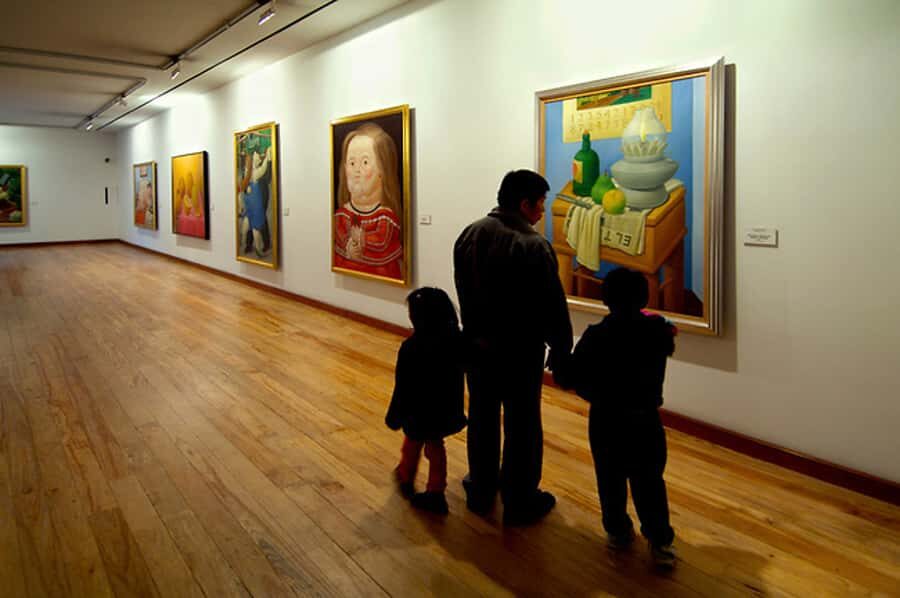
This is the heart of the experience: you’ll see 123 works by Botero. The museum covers a wide range of his output, and a good guide helps you slow down just enough to take the next step—moving from “I recognize the style” to “I understand why this piece matters.”
Expect to spend time interpreting both paintings and sculptures. Even when two works look similar at first glance, the guide will help you spot differences in mood and message. Botero’s refined humor isn’t always obvious from across the room. Up close, the details—pose, scale, expression, and composition—become the punchline or the warning.
How to “do” Botero during the visit
Because your total time is about 2 hours, you don’t want to treat every artwork the same. I suggest choosing one or two themes as you go—political critique, cultural portraits, or the idea of peace and conflict. Then, let the guide’s explanation steer you toward pieces that fit those themes. You’ll feel like you’re collecting meaning, not just passing through rooms.
Other guided tours in Bogota






The Donation Story: How Botero Museum Became Reality
The museum isn’t just a collection sitting in a building. It’s the result of a major gift, and learning that story gives the visit extra weight.
Around the time Botero donated his collection to the Banco de la República (Bank of the Republic), Colombian press described it as one of the greatest gifts a Colombian has given to his country. The Botero Museum is built from that donation: 208 total pieces, including 123 of Botero’s own works and 85 works from his private collection.
That matters because it changes the museum from “a gallery of famous art” into something closer to a curated conversation—Botero speaking to his own creations, and then speaking to art history through the artists he collected.
The International Side of the Collection: Monet to Picasso
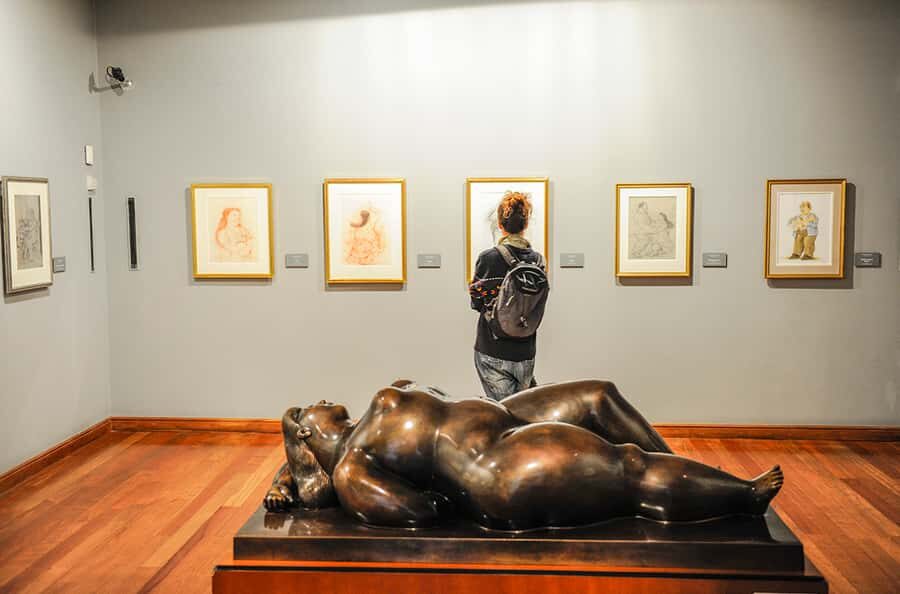
Botero’s collection doesn’t stop at Botero. You also get a look at international masters—so you can see how Botero fits into wider art traditions.
The museum includes 14 Impressionist paintings, with oils by Monet, Renoir, Degas, and Pissarro. You’ll also find four Picassos, plus works by Dali, Miro, Chagall, Ernst, de Kooning, Klimt, Rauschenberg, Giacometti, and Calder.
For me, this is one of the smartest parts of the museum. It gives you a fast way to compare approaches. Botero’s exaggeration is his signature, but standing next to other styles helps you understand what exaggeration can do—how form can become a voice, and how symbolism travels from one artist to another.
A guide’s role here is crucial. Without explanation, it’s easy to treat these as just a list of names. With explanation, you can connect why these artists show up in Botero’s private world—what he likely admired, and what conversations the collection invites you to consider.
The Dove, the Bomb, and Peace vs. Violence
One story from Botero’s timeline has a direct museum echo, and a good guide will make sure you hear it. In 1995, a guerrilla group blew up a sculpture of a dove called The Bird, which Botero had donated to the city. The event happened during a downtown street festival, and the guerrilla labeled Botero a symbol of oppression.
After the explosion, Botero cast a new dove for the plaza. The important detail is that he didn’t erase what came before. He insisted the remnants of the original remain, so the sculptures could represent both peace and violence.
That story makes the art feel less like museum decoration and more like a record of how a country processes conflict. When you learn that, Botero’s humor and exaggeration start to feel like tools for surviving uncomfortable truths.
Museum Architecture and Your Best Use of 2 Hours
You’ll also learn about the museum’s history and architecture, which helps you navigate the space with purpose. Museum buildings aren’t neutral; they shape how fast you move, where you pause, and what you notice first.
Because the visit is 2 hours, think of it as a guided spotlight rather than a full self-paced marathon. The guide is there to connect key pieces to the bigger narrative—so you’ll likely spend time on the works that explain Botero best and on the collection highlights that show his range and influences.
If you love reading labels, you’ll still have time—but you’ll likely want to treat the labels like support, not homework. Let the guide’s wording help you get the first interpretation. Then, use the label to confirm what you’re sensing.
Souvenir Shop Time: What to Do With the Last Minutes
After the visit, you get time to visit the souvenir shop. This is a nice touch because it separates shopping from the art itself. You can buy gifts while the experience is still fresh in your head, and you’re not stuck trying to shop before you finish the main collection.
If you’re trying to choose quickly, focus on items that reflect Botero’s visual style—his recognizable forms and playful contrast between humor and seriousness. The shop time isn’t about browsing for an hour; it’s about leaving with something that feels connected to what you just saw.
Price and Value: Why $46 Can Make Sense Here
At $46 per person, this tour isn’t the cheapest way to see a museum. But value here isn’t just ticket cost. Your price covers an expert guide (in Spanish or English), entrance fees, and private transport from your hotel.
For a visitor trying to do the museum efficiently, this adds up. You’re buying:
- A guided, private-style experience instead of reading everything alone
- Entrance included, so there’s no surprise extra charge
- Hotel pickup and private transport, which matters in a city where time can vanish quickly
Also, Botero’s work rewards context. If you like art but don’t want to spend hours researching beforehand, the guide saves time and makes the museum feel understandable rather than overwhelming.
Who This Tour Fits Best
This guided visit is ideal if you fall into any of these categories:
- You want Botero’s story made clear—how his style grew, how it changed, and what it means.
- You like art but don’t want to handle the hard parts alone (names, timelines, political background).
- You prefer a leisurely, informative pace over rushing through rooms.
- You’re curious about how one artist’s private collection can act like a mirror of art history.
It’s also a good pick for couples or solo travelers who want a personal feel without organizing logistics themselves. Since it’s a private group, it’s easier to ask questions and linger a little when something catches your eye.
Should You Book This Botero Museum Guided Visit?
If you’re in Bogotá and want a smart, human way to experience the Botero Museum, I think this is a strong choice. The guide adds real traction to what you see—especially for connecting Botero’s humor and political critique to the works themselves. The mix of 123 Botero pieces plus international masters turns the visit into more than just one artist worship; it becomes a comparison and a story.
Book it if you’ll enjoy explanations and want a calm, structured route through a high-impact collection. If you’re the type who wants to spend half a day reading quietly and lingering room by room, you might find the 2-hour pacing a bit tight. In that case, consider whether you’d rather do a longer self-paced visit.
FAQ
How long is the Botero Museum guided visit?
The tour duration is 2 hours.
What is included in the $46 per person price?
It includes an expert guide (Spanish or English), entrance fees, and private transport from your hotel to the museum.
Do I get hotel pickup?
Yes. The meeting point is at your hotel, and pickup is offered as part of the tour.
What artworks will I see?
You’ll see 123 artworks by Fernando Botero, plus works from his private collection totaling 208 pieces overall.
Is the museum open on Tuesdays?
No. The Botero Museum is closed on Tuesdays.
What languages are available for the guide?
The live guide is available in Spanish and English.