REVIEW · BOGOTA
Bogotá: La Candelaria Graffiti & Urban Art Guided Tour
Book on GetYourGuide →Operated by Gran Colombia Tours · Bookable on GetYourGuide
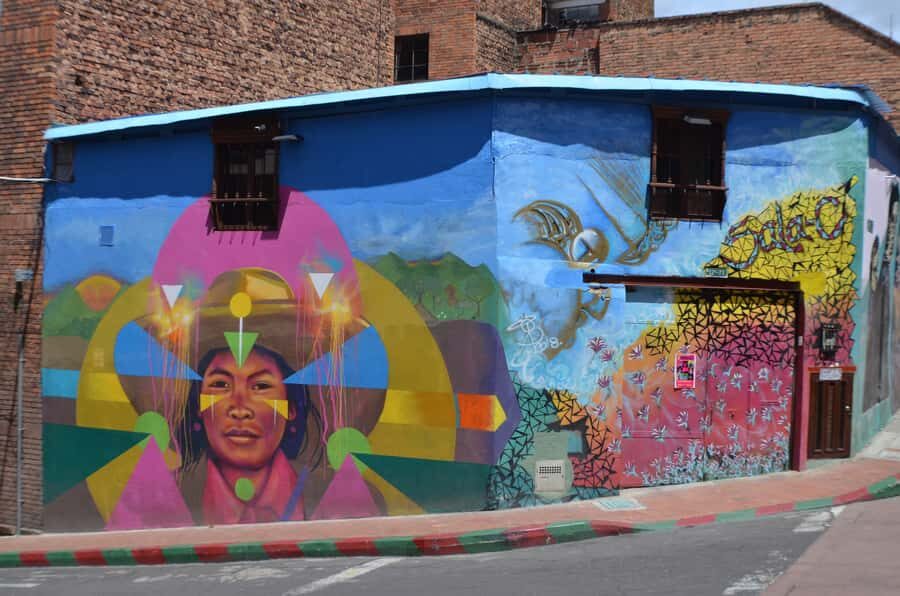
Bogotá’s walls talk, if you know how to listen. This La Candelaria graffiti and urban art guided tour turns street-level art into a fast, walkable lesson on identity, power, and everyday life in downtown Bogotá. You’ll see murals and tags you’d likely miss on your own, and you’ll connect them to the stories artists are trying to tell.
I especially liked two parts: the guide’s socio-political context that helps the art make sense, and the chance to try coca leaf tea at Café Herencia while you’re still in the neighborhood. You also get pointed attention on indigenous ancestry themes and on women artists whose work often doesn’t get equal airtime.
One heads-up: this is a 150-minute walking experience, so plan for steady time on your feet. Also, the tour can run in English and Spanish at the same time, depending on your group.
In This Review
- Key things you’ll notice on this Bogotá graffiti tour
- Why La Candelaria graffiti feels like a city lesson
- Price and timing: what $16 buys you (and what it doesn’t)
- Where you start at Chorro de Quevedo (and why it matters)
- The La Candelaria walk: from overview to close reading
- La Concordia Market: street art in the same lane as daily life
- Journalists’ Park: where public identity gets argued in paint
- Spotting women artists and indigenous themes on the walls
- The café ending: Café Herencia and coca leaf tea
- What to bring and how to walk smart in downtown Bogotá
- Who this tour is best for (and who should reconsider)
- Should you book this Bogotá graffiti tour?
- FAQ
- Where do I meet the guide?
- What time does the tour start?
- How long is the tour?
- How big is the group?
- What languages are available?
- What’s included in the price?
- Is transportation included?
- What should I bring?
- Is there a cancellation option?
Key things you’ll notice on this Bogotá graffiti tour
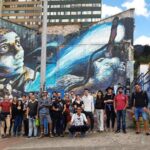
- Small group (max 10) means you’re not stuck watching from the back.
- Meeting at Chorro de Quevedo sets you up in the right downtown mood before you head into La Candelaria.
- You’ll track major mural artists including 3 Manos and Ledania, plus others along the way.
- Stops include La Concordia market and Journalists’ Park, so the art connects to public life.
- You’ll see graffiti by women artists and hear why their presence matters.
- The tour ends with coca leaf tea at Café Herencia, a coffee shop that supports local artists.
Why La Candelaria graffiti feels like a city lesson
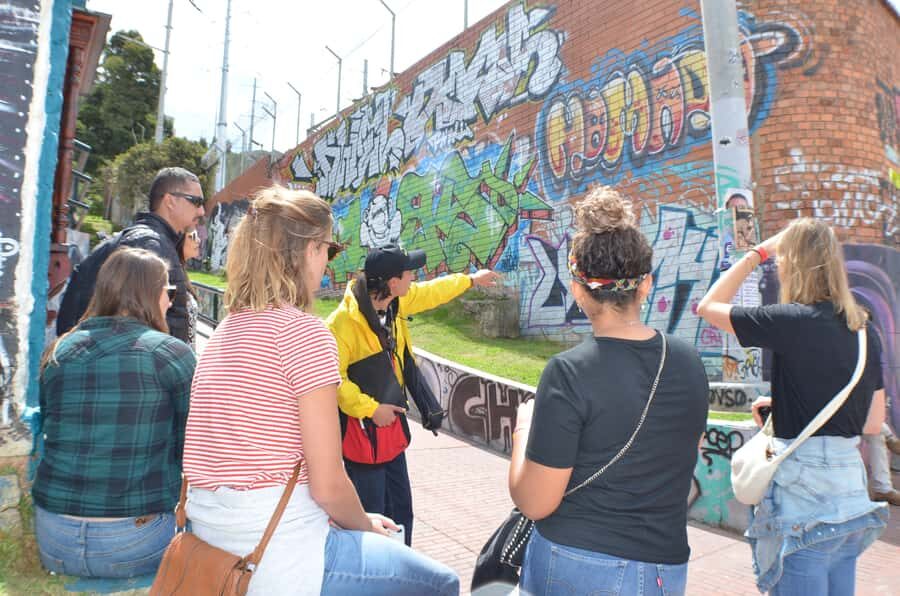
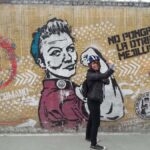
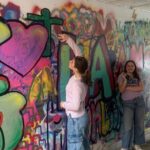
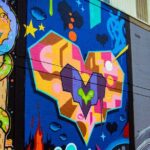
La Candelaria is where Bogotá shows its opinions in public. On a normal walk, street art is just background color. On this tour, it becomes a reading experience: symbols, styles, and recurring faces that point to who has been heard, who hasn’t, and what people want to claim.
What makes this work click is the framing. You’re not only shown walls—you’re given context for why certain murals appear when they do, and why some themes keep returning. The guide’s job is to translate what looks like paint and letters into something closer to language.
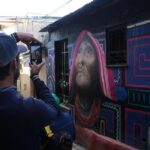
And yes, you’ll take photos. But the real win is training your eye. You start noticing composition, recurring motifs, and how different artists choose to show identity—especially indigenous ancestry and how artists link it back to the city they live in today.
Other La Candelaria walking tours we've reviewed in Bogota
Price and timing: what $16 buys you (and what it doesn’t)
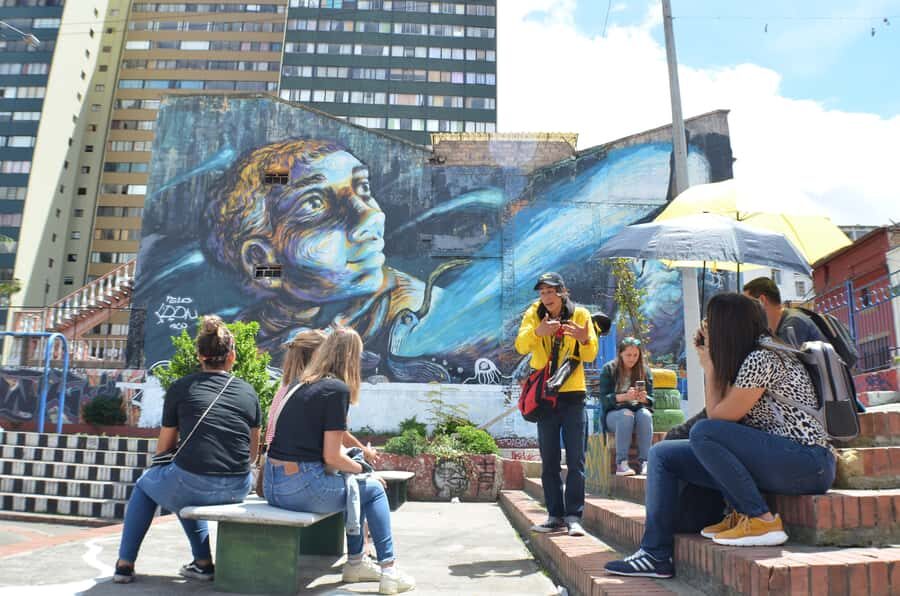
At $16 per person for about 150 minutes, this is a strong value for a guided walking experience in central Bogotá. You’re paying for more than directions. You’re paying for interpretation: the socio-political background, the local insight, and the ability to spot meaningful work quickly without hunting street by street.
Two practical points matter here. First, you’re not getting transportation, so you’ll want to budget time to reach the meeting spot on your own. Second, the tour includes a small “comfort package”: an umbrella if it rains and all-risk insurance, which takes some stress off if your day changes.
For many people, the coca leaf tea stop is part of the value too, not just a snack. It’s a pause in a local café atmosphere tied directly to local art support, so you leave with more than just a route—you leave with one more piece of the culture.
Where you start at Chorro de Quevedo (and why it matters)
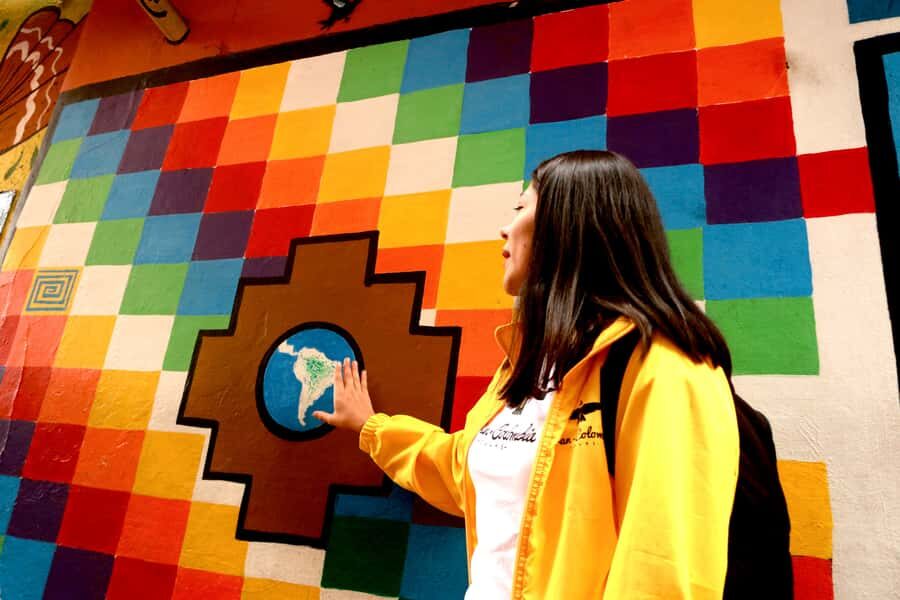
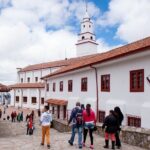
Your tour begins at Plazoleta del Chorro de Quevedo, next to the fountain by the yellow umbrella. Meeting like this is more than a pin on a map. It puts you right in a downtown zone where street culture feels active and visible, which helps you shift from tourist mode into “what am I looking at?” mode fast.
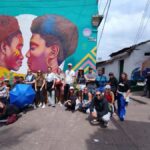
You’ll meet daily at 10:00am and 2:00pm. That timing is useful if you want to stack the rest of your day with museums, neighborhood wandering, or a late lunch without rushing. Also, because the group is capped at 10 participants, the guide can actually keep an eye on the whole walk instead of herding a crowd.
Quick but important: don’t walk away from the group. On a guided graffiti route, the “between stop” streets are part of the experience. Cutting loose usually means you miss either a sightline or the explanation that makes it meaningful.
The La Candelaria walk: from overview to close reading
Most graffiti tours treat walls like billboards. This one treats them like messages shaped by place. You start in La Candelaria and get a guided stroll designed to build a baseline first—why Bogotá became prominent in spray-paint culture, and how the visuals connect to social realities.
Then you shift from overview into targeted attention. You’ll pass and discuss works tied to named artists such as Carlos Trilleras, Wosnan, Ocio 4, and 3 Manos. You’ll also hear about the kinds of murals and tags that might otherwise blur together when you’re walking quickly with your camera.
Here’s a detail that makes the tour feel more thoughtful: the guide doesn’t only point at the “big” art. You also get talk about what might be missed—smaller murals, less-obvious symbolism, and the way artists tell stories about ancestry. That matters because street art can look spontaneous, but the meaning often isn’t.
If you’re into photo composition, you’ll appreciate this pace. You get intentional pauses, including a photo stop later in the loop, so you can capture the walls without stopping every 20 seconds like a one-person traffic jam.
La Concordia Market: street art in the same lane as daily life
One of the best parts of this tour is how it links art to the neighborhood’s rhythm. You’ll pass by La Concordia Market, where the energy is more than scenery—it’s context. Markets pull together different crowds and viewpoints. When street artists paint in this area, the messages aren’t floating in theory. They’re responding to people you’d actually see in the daytime.
Even the short stop length (it’s brief) works because it keeps you from losing momentum. You don’t get stuck in the “only art, only walls” mindset. Instead, you get a reminder that murals live beside regular life: commerce, conversation, and the day’s real concerns.
The practical takeaway for you: if you want to understand Bogotá’s urban art beyond aesthetics, you need to see where people gather. A market is one of the most honest places for that.
Other graffiti and street art tours in Bogota
Journalists’ Park: where public identity gets argued in paint
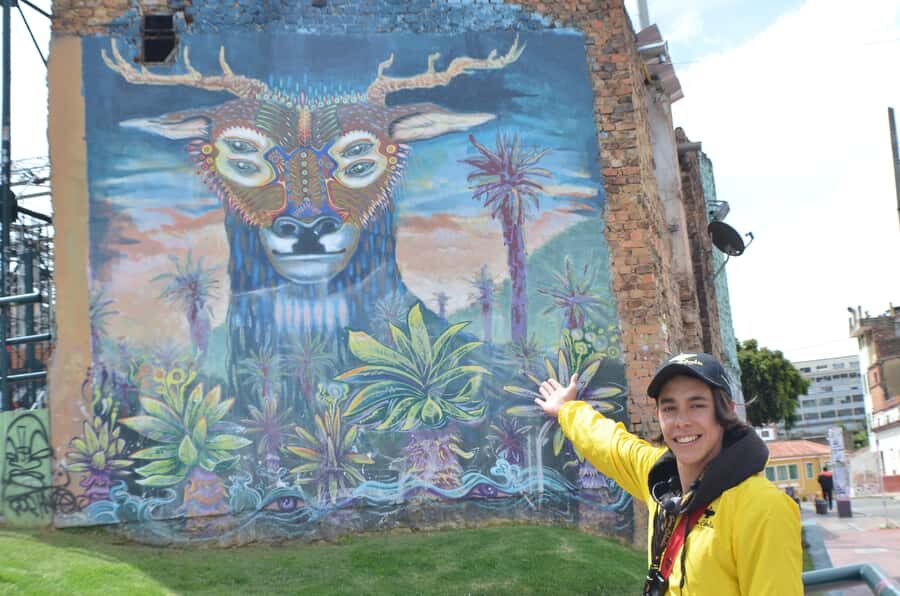
Next comes Journalists’ Park, another anchor point in downtown life. The fact that your route includes a park tied to journalism matters. Street art often plays a similar role: commentary, critique, and storytelling—just in a different medium.
This is also where the tour’s “why this exists” theme shows up clearly. You’re not only learning who painted what. You’re learning how graffiti and murals function as public voice, especially when formal channels are slow, biased, or out of reach.
You’ll walk for about an hour here, which is long enough to see the surroundings and not just stamp “checked” onto your day. If you’re the type who likes to sit for a minute and look around, this is where you’ll likely feel comfortable doing that while still staying with the group.
Spotting women artists and indigenous themes on the walls
A standout feature: the tour pays attention to graffiti authored by women and explains their role in the propagation of this art. That kind of focus changes what you see. Instead of only chasing the loudest signatures, you start paying attention to perspective—how different voices shape the same public canvas.
You’ll also get guided attention toward artists such as Bastardilla, Vera, and Ledania. Seeing these names tied to specific visuals helps you track themes across the neighborhood rather than treating each mural as a one-off.
Then there’s the indigenous ancestry thread. The guide connects how artists retell ancestry and link it to the city. That’s a key point because it’s easy to assume street art is only about current headlines. Here, you see it also works like memory—carrying older identities forward while using contemporary urban style.
If you love cultural art, you’ll probably leave with more than photos. You’ll have a mental map of themes: voice, roots, and the politics of visibility.
The café ending: Café Herencia and coca leaf tea
The tour finishes with a coca leaf tea tasting at Café Herencia, a coffee shop that works and supports local artists. This ending is smart. After walking, looking, and reading walls for hours, you need a human pause where you can slow your brain down.
The tea stop also reinforces the tour’s deeper message: street art isn’t just “outside” culture. It connects to local businesses, local artists, and local ways of hosting community. You’re stepping into an art-supporting space rather than being shipped back to a hotel lobby.
From a practical perspective, plan this as your small hydration and reset moment. You’ll have sunscreen on (you should bring it), water nearby (you should bring it), and then you’ll get a local drink that matches the setting.
What to bring and how to walk smart in downtown Bogotá
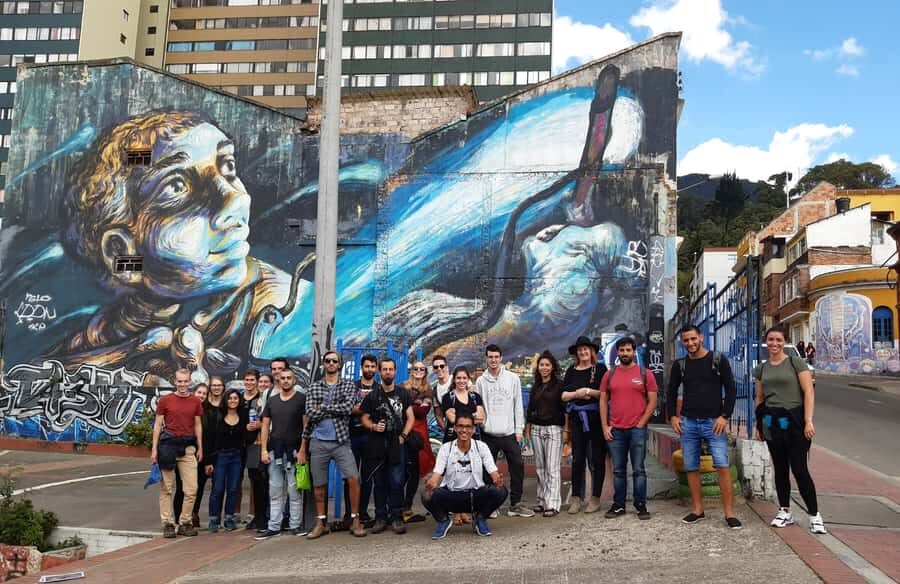
This tour asks for simple basics, and they’re the difference between a good day and a tiring one:
- Comfortable shoes (non-negotiable for a 150-minute walk)
- Camera (you’ll want it)
- Sunscreen
- Water
- Weather-appropriate clothing
Because rain can happen, you’ll get an umbrella, but don’t rely on it alone if the weather is unstable. If it’s windy or cold, you’ll be glad you brought layers.
Also, expect a group dynamic. The tour can run in Spanish and English at the same time depending on the group. If you’re comfortable with either language, great. If you’re only comfortable in one, give yourself grace and listen for the guide’s cues so you don’t feel lost.
Who this tour is best for (and who should reconsider)
This is a great match if you:
- Want street art with context, not just sightseeing
- Are curious about how graffiti connects to society and identity
- Like guided walks where you learn to see patterns, names, and themes
- Enjoy photographing murals but don’t want to treat them like random backdrops
You might reconsider if you:
- Don’t enjoy walking tours (this one is 150 minutes)
- Get impatient with explanation-heavy experiences (the guide’s storytelling is a big part of the value)
- Prefer a full-English or full-Spanish format all the time, since the tour can mix languages depending on the group
Should you book this Bogotá graffiti tour?
If you want the fastest path to understanding why Bogotá’s street art matters, I’d book this. The $16 price point makes it easy to try without fear you’re buying a short, shallow walk. The small group size helps the guide keep the story straight, and the ending at Café Herencia gives you a satisfying local finish.
If you’re choosing between “see murals” and “understand murals,” this tour clearly leans toward understanding. Bring good shoes, show up at Chorro de Quevedo by the yellow umbrella, and go ready to read walls like they’re telling you something.
If you want one Bogotá experience that feels distinctly local and not just another checklist photo, this is a strong call.
FAQ
Where do I meet the guide?
Meet next to the fountain by the yellow umbrella in Plazoleta del Chorro de Quevedo.
What time does the tour start?
The meeting times are 10:00am and 2:00pm, every day.
How long is the tour?
The duration is 150 minutes.
How big is the group?
The group is small, limited to 10 participants.
What languages are available?
The tour is offered in Spanish and English.
What’s included in the price?
You get the guide from Gran Colombia Tours, a look at the socio-political context of street art, visits to several graffiti spots in downtown Bogotá, a coca leaf tea tasting at Café Herencia, all-risk insurance, and an umbrella in case of rain.
Is transportation included?
No. Transportation is not included.
What should I bring?
Bring comfortable shoes, a camera, sunscreen, water, and weather-appropriate clothing.
Is there a cancellation option?
Yes. You can cancel up to 24 hours in advance for a full refund.