REVIEW · BOGOTA
Bogotá: City tour Monserrate, emerald and gold museum & more
Book on GetYourGuide →Operated by Encanto Colombiano Tours · Bookable on GetYourGuide
Bogotá rewards you for looking closer. I like the way this route turns shopping-museum facts into real stories, especially at the Emerald Museum and with guide Jhair’s patient, history-heavy explanations. You’ll also get the panoramic payoff at Monserrate, plus the city-center anchors of Plaza de Bolívar and the artsy streets of La Candelaria. The main downside to weigh: it’s not ideal if you need wheelchair access, because the day includes walking and time at altitude.
This is a tight 6-hour circuit with hotel pickup and drop-off in Bogotá, museum entrances handled for you, and a guided plan that prevents the common chaos of rushing between sites. You also get a small Colombian snack, but meals and drinks are on you, so plan for that.
Before you go, check the museum hours: the Emerald Museum is closed on Sundays and holidays, and the Gold Museum is closed on Mondays. Also remember the rule about flash photography—skip the flash and rely on normal camera settings.
In This Review
- Key highlights worth your time
- A focused 6-hour plan that still feels human
- Emerald Museum: how Colombia’s emerald trade gets explained clearly
- Gold Museum and the Muisca raft: more than shiny stuff
- Monserrate: sanctuary views at 3,152 meters
- Plaza de Bolívar: civic power and the names behind it
- La Candelaria and Chorro de Quevedo: old streets with real texture
- Price and value: what $85 buys you in Bogotá
- What to bring, and how to avoid the common day-killers
- Should you book this Bogotá tour?
Key highlights worth your time
- Emerald Museum storytelling that explains mining, cutting, and how stones move from rough form to jewelry
- Gold Museum’s showpiece: the Muisca raft tied to the El Dorado ceremony
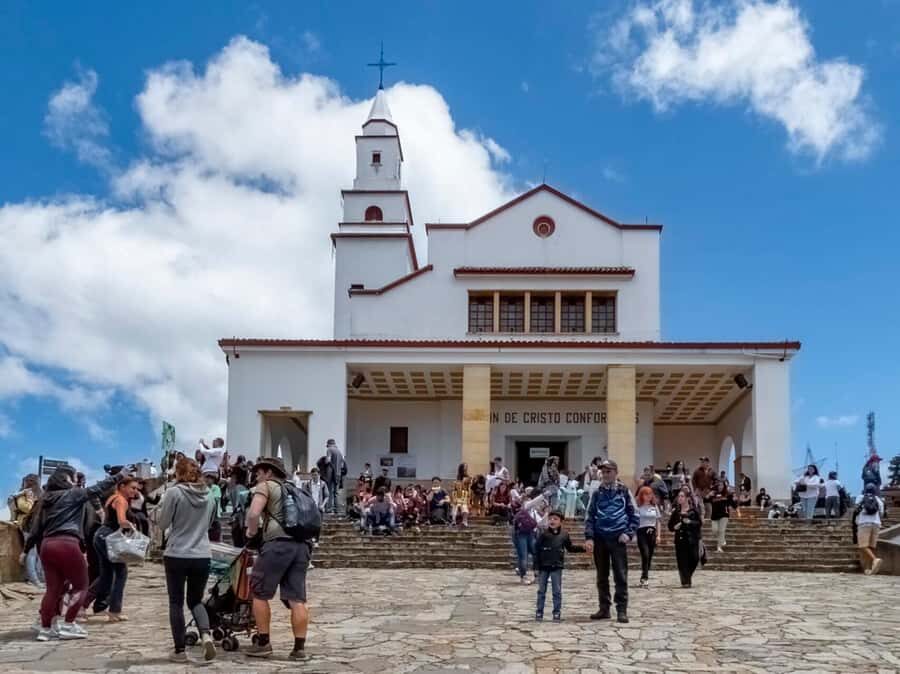
- Monserrate’s altitude views from 3,152 meters, plus the Sanctuary of the Fallen Lord
- Plaza de Bolívar context around major civic and religious landmarks
- La Candelaria atmosphere at Chorro de Quevedo near the historic founding site tradition
A focused 6-hour plan that still feels human
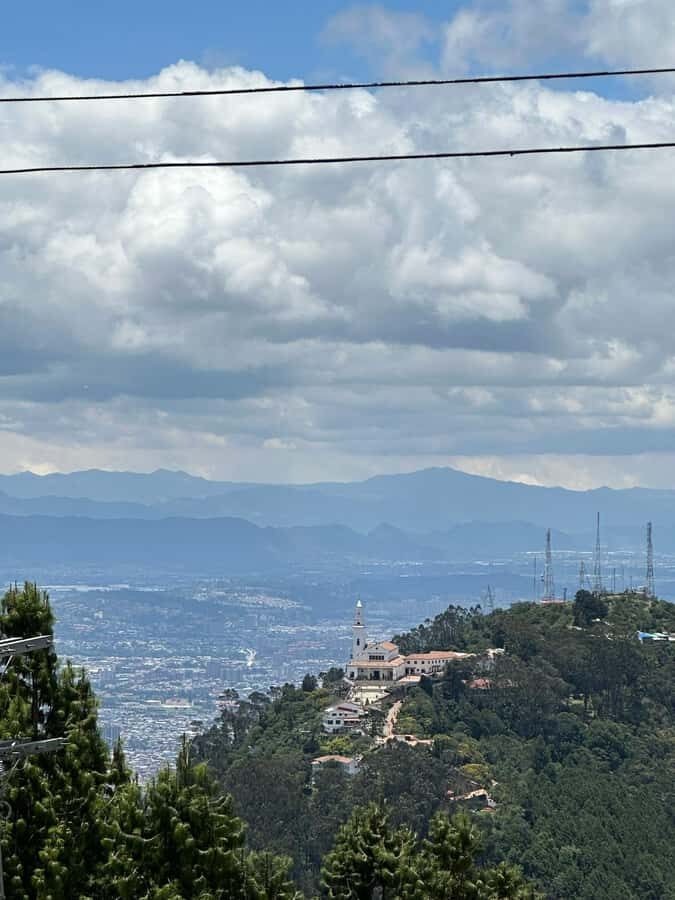
This tour is built for people who want Bogotá’s big icons without spending the whole day figuring out logistics. You start in central Bogotá with pickup, then you move through three major themes—emeralds, gold, and city landmarks—so the day doesn’t feel random.
I like that it’s private. That usually means fewer awkward pauses and more time for questions. In particular, guide Jhair’s style comes through in the way he delivers history with patience and care—especially if someone in your group needs slower pacing or extra attention.
The pacing includes guided time and some free time, so you can take photos, step away from the flow, and reset before the next leg.
Other Monserrate tours and tickets we've reviewed in Bogota

Emerald Museum: how Colombia’s emerald trade gets explained clearly
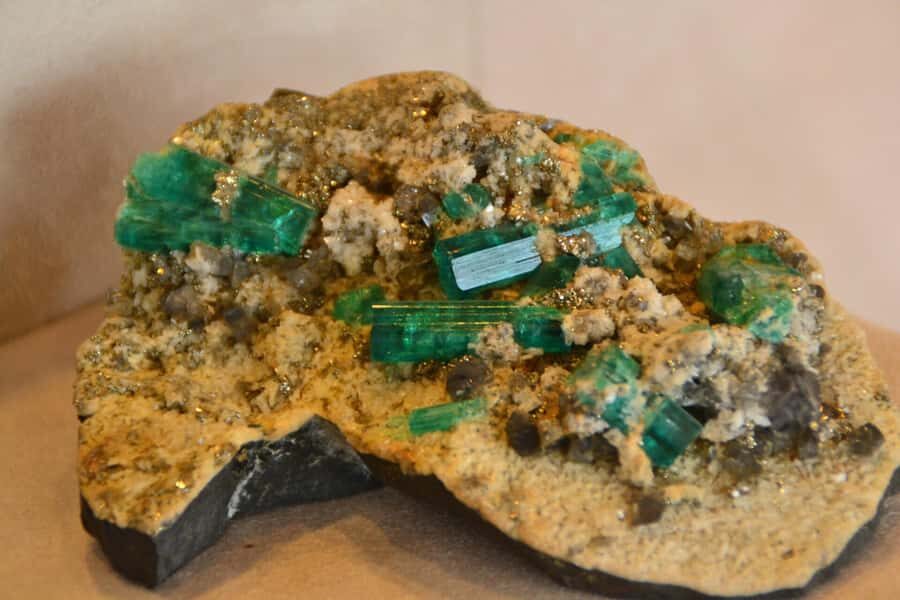
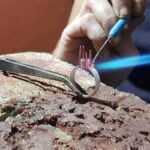
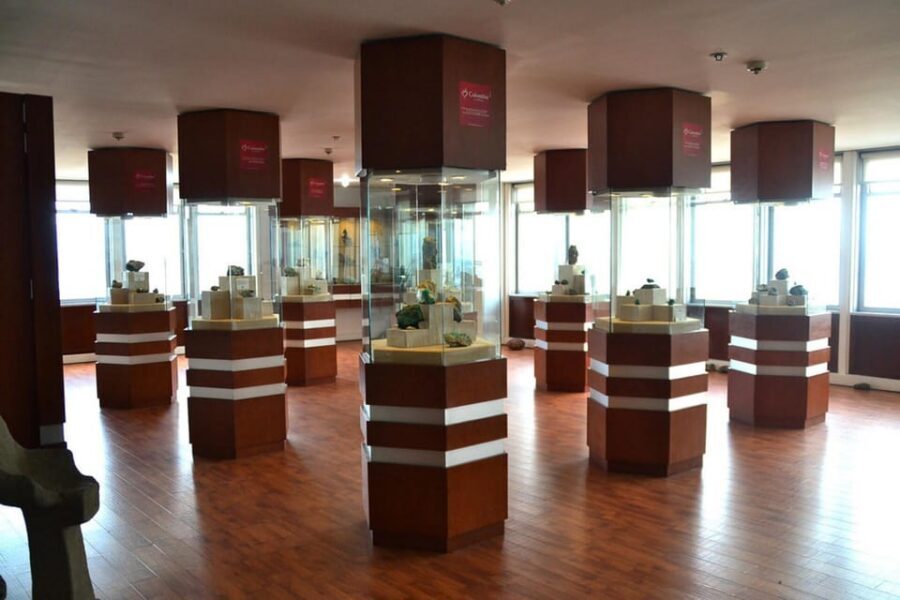
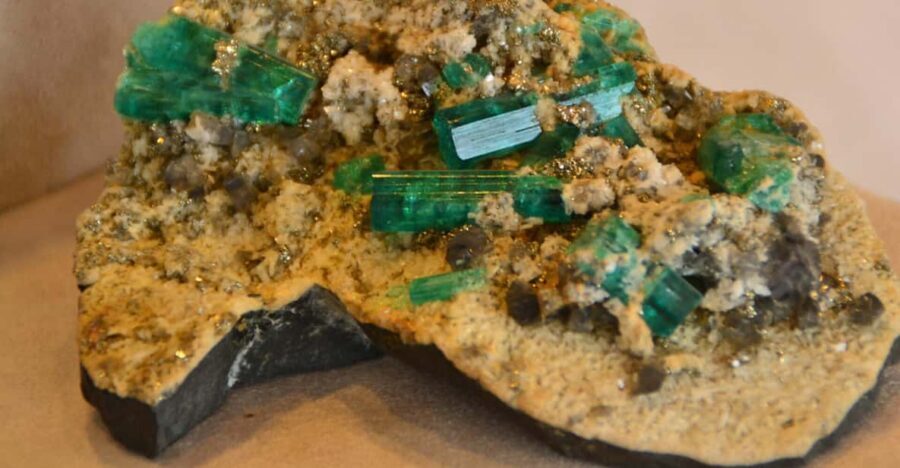
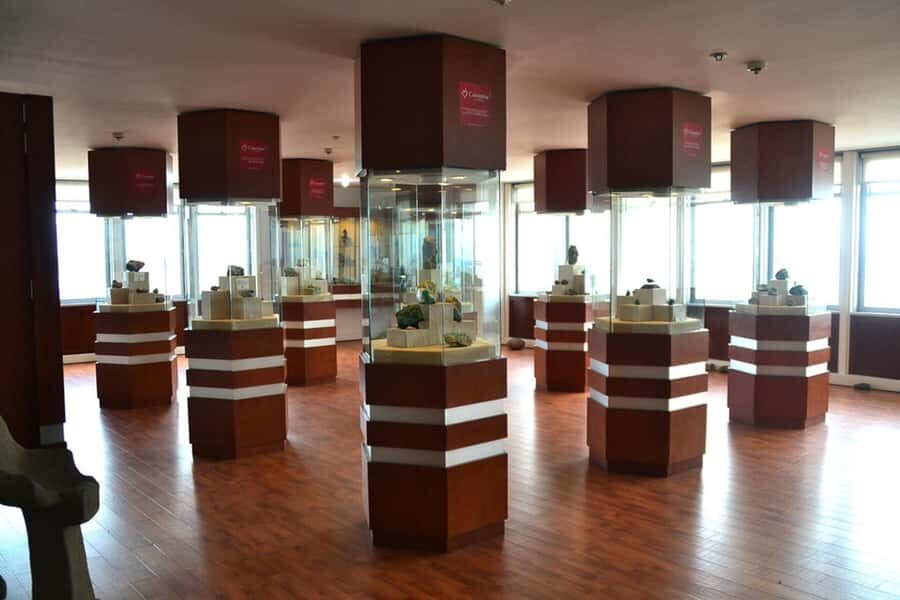
You begin at the International Emerald Museum, where the point isn’t just to look at stones—it’s to understand the chain of work behind them. The tour focuses on how emeralds are mined and cut, then shows examples in both natural form and finished jewelry. That matters because it changes how you see what’s on display: you’re not just admiring color, you’re seeing process.
The museum setup also helps you connect Colombia’s emerald reputation to real craft and real labor. When someone explains what goes into cutting and shaping, the difference between rough and finished pieces becomes obvious fast—like your brain finally gets the right category.
A practical tip: wear comfortable shoes and keep your camera handy. You’ll likely want close-up shots, but don’t rely on flash. Flash photography isn’t allowed, so you’ll want steady hands and decent lighting settings.
Who this stop suits best: if you enjoy material culture—how something is made, traded, and valued—this part is the kind that rewards attention.
Gold Museum and the Muisca raft: more than shiny stuff
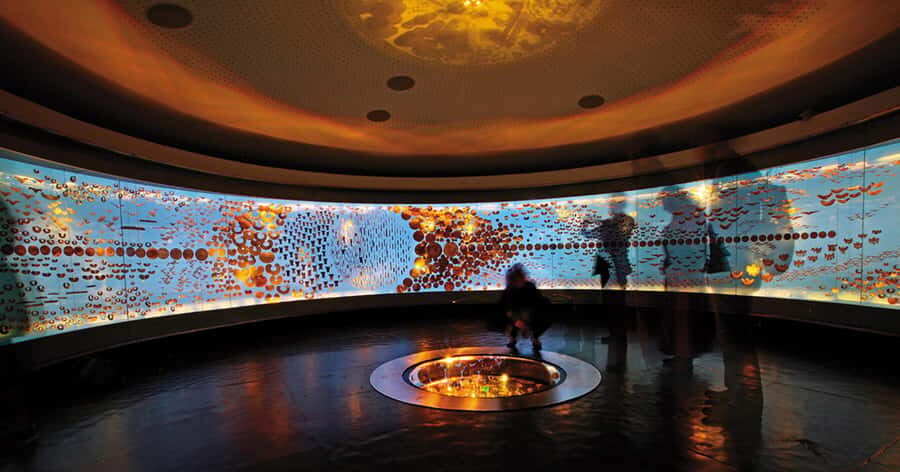
Next you head to the Gold Museum (Museo del Oro), one of Colombia’s most important collections for pre-Hispanic artifacts. Here, the emphasis is on diversity: gold, ceramics, stone, and other materials connected to indigenous cultures before the Spanish conquest.
What I appreciate is that the museum doesn’t treat the collection like a static display. The exhibits are designed well, with interactive touches that make it easier to understand what you’re seeing and why it matters. You’ll spend your guided hour getting oriented, then you can linger if something pulls your attention.
The highlight is the Muisca raft, the museum’s most notable piece, which represents the El Dorado ceremony. Even if you’ve heard El Dorado as a legend, seeing how the symbol is tied to Muisca beliefs gives it a more grounded meaning. It becomes less like a myth stuck in books and more like an idea expressed through objects and ritual imagery.
Watch-outs: since the Gold Museum is closed on Mondays, don’t gamble on timing if your dates land there. Plan your week around that and the Emerald Museum’s Sunday/holiday closure too.
Monserrate: sanctuary views at 3,152 meters
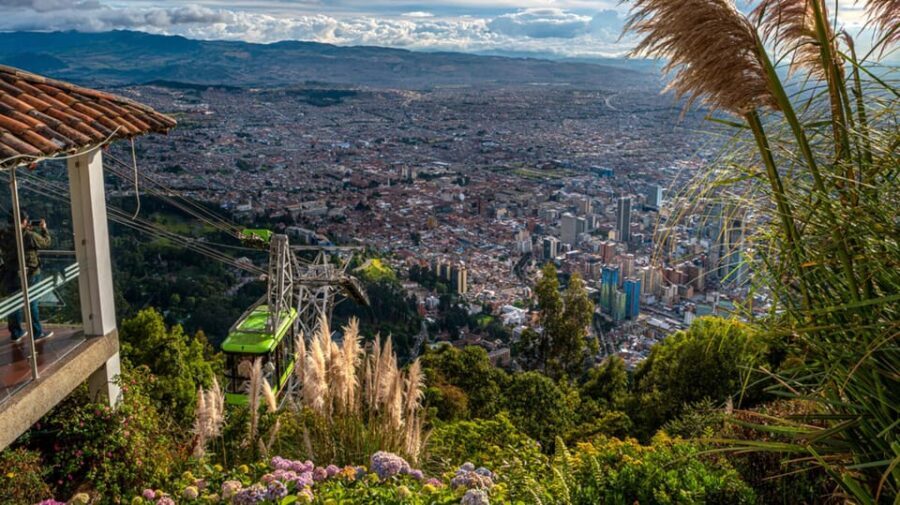
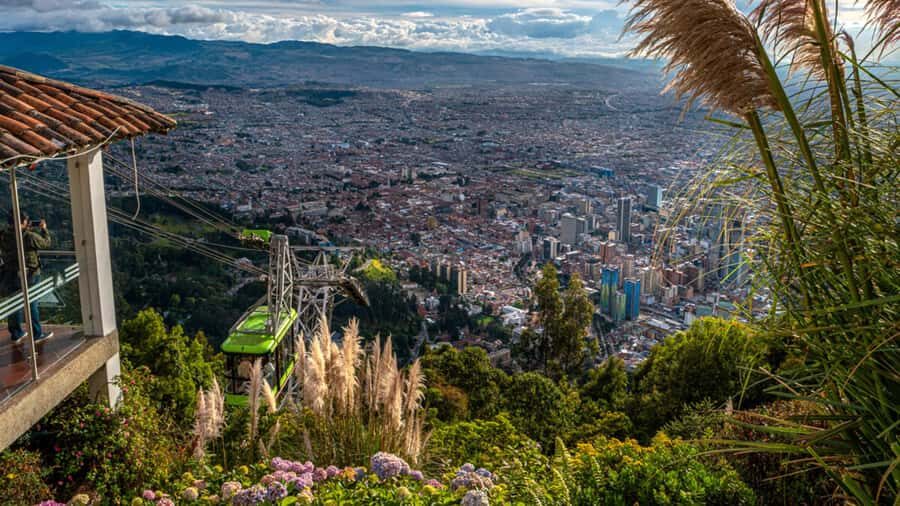
Then you climb into Bogotá’s skyline reality at Monserrate, the iconic mountain above the city. Monserrate sits at 3,152 meters (10,341 feet), and even if you’ve handled altitude before, this is the part of the day where walking slower and taking water seriously is smart.
At the top you’ll find the Sanctuary of the Fallen Lord of Monserrate, a pilgrimage site with deep local meaning. Even if you’re not there for religious reasons, it’s still worth seeing because it’s a lived-in place—people come for reflection and tradition, not just photos.
The tour includes guided time plus photo stops and free time. You’ll get panoramic views of Bogotá and the Andes, which is the reason Monserrate stays on most Bogotá bucket lists. If your legs feel heavy, treat the views like your reward. This is also one of those moments where your camera will do better if you pause and frame carefully—don’t rush.
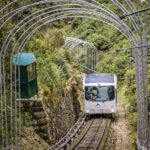
How you reach the summit can vary on the day (hiking, cable car, or funicular are all options), but the cable car ride is not included in this specific tour. So if you’re planning on using it, budget extra and confirm what your day will allow.
Best for: people who want the city’s geography explained through the view—because from here, Bogotá’s shape and surrounding mountains finally make sense.
Plaza de Bolívar: civic power and the names behind it
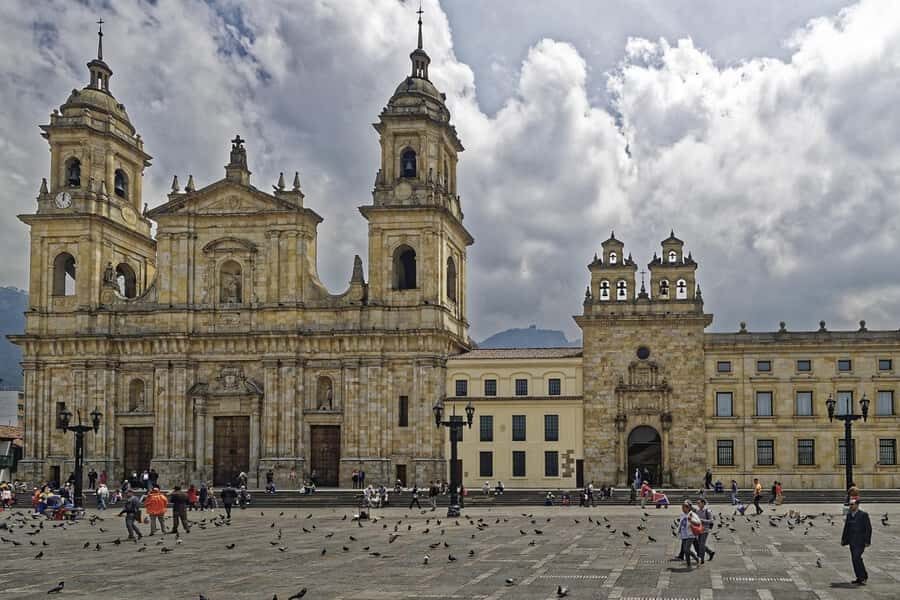
After the mountain, the tour drops you into the heart of Bogotá at Plaza de Bolívar. This square is the historical and political center, surrounded by major buildings you’ve probably heard of even if you don’t know their exact function.
You’ll see key landmarks like the Primatial Cathedral of Colombia, the Palace of Justice, the National Capitol, and the Liévano Palace (Bogotá’s City Hall). In the middle stands a statue of Simón Bolívar, and the square’s role in national events keeps it from feeling like just another pretty landmark.
What makes this stop valuable is the guide’s context. Without that, it’s easy to treat the area as architecture you walk past. With a guided explanation, you start noticing the pattern: how religion, government, and public gatherings share the same space and shape daily life.
Plan on a shorter guided segment here—this portion is typically about walking and getting your bearings, not a long museum-style visit.
Other Gold Museum and Botero Museum tours in Bogota




La Candelaria and Chorro de Quevedo: old streets with real texture
To finish the day, you head to the historic La Candelaria neighborhood and visit Chorro de Quevedo, a small plaza with a big reputation. You’ll get a photo stop and a guided walk through the area, then time to enjoy the atmosphere.
Chorro de Quevedo is believed to be tied to the founding of Bogotá in 1538 by Gonzalo Jiménez de Quesada. That founding-story connection is exactly the kind of detail that makes old neighborhoods feel less abstract. It helps you understand why these streets still matter.
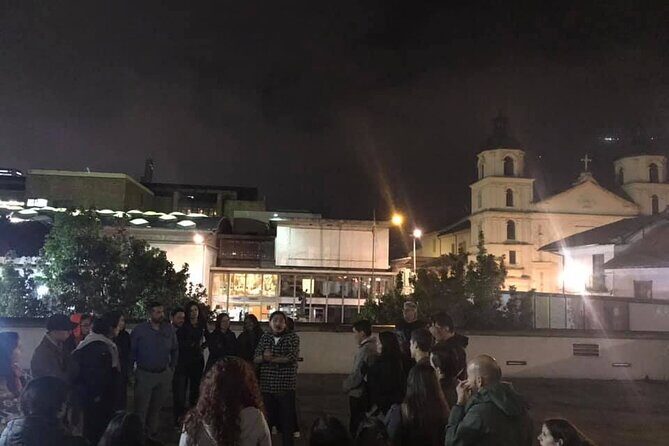
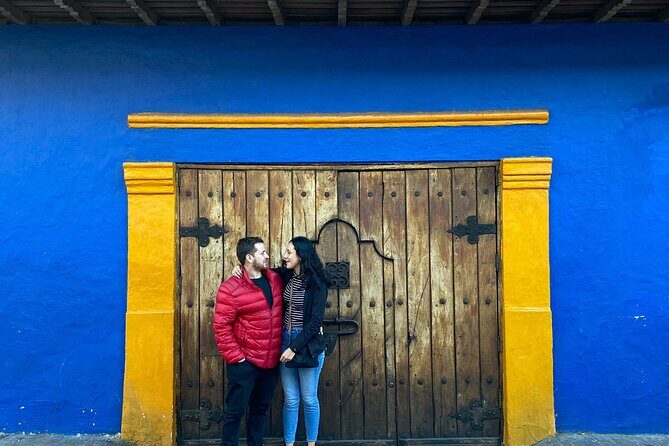
Around the plaza you’ll find colorful colonial houses, cafés, and art shops—plus the kind of street performances that pop up when people are already gathered. The description also notes that at night the plaza gets more animated with music, storytellers, and artists. Your tour ends back in Bogotá, so you may not catch night energy on the official schedule, but it’s a good reason to plan extra time afterward if you feel good.
Practical note: this area is best enjoyed on foot. Good shoes matter here too.
Price and value: what $85 buys you in Bogotá
At $85 per person for about 6 hours, this tour is priced like a full guided package rather than a DIY day with separate tickets. You get:
- hotel pickup and drop-off in Bogotá
- entrance to both the Emerald Museum and the Gold Museum
- guided time inside the emerald and gold museums
- a visit to Plaza de Bolívar and Chorro de Quevedo
- a small Colombian snack
- a skip-the-ticket-line approach
That’s where the value lives. You’re paying for someone to manage the route, explain the artifacts while you’re looking at them, and save you time at museums that would otherwise eat your day.
The only obvious gap is meals and beverages, which are not included. You’ll likely want water throughout the day, and you may want a proper meal after. The cable car to Monserrate also isn’t included, so if you prefer that route, expect extra cost.
Good fit: if you’re visiting Bogotá for a limited time and want the main stops covered without getting stressed about order, transit, and timing.
What to bring, and how to avoid the common day-killers
This tour is simple on paper, but Bogotá has weather and altitude variables. Here’s how to set yourself up for an easier day.
Bring:
- comfortable shoes (you’ll walk in multiple areas)
- a camera
- water
- weather-appropriate clothing
What to remember at the museums:
- flash photography isn’t allowed
What to remember about closures:
- Emerald Museum is closed Sundays and holidays
- Gold Museum is closed Mondays
Also keep in mind the route isn’t suitable for people with mobility impairments or wheelchair users. Monserrate and parts of the walking stops are the obvious challenge, so be honest about your group’s comfort level before booking.
If you’re traveling with older relatives or someone who moves slowly, guide Jhair’s patient, attentive approach is a big positive. He’s described as working carefully with a nonagenarian mother, which tells you he doesn’t rush people just to hit a clock.
Should you book this Bogotá tour?
If your goal is a smart first-time Bogotá day—emeralds, gold, and major city landmarks with clear guidance—this tour is an excellent match. The best reason to book is the combination: museum context plus city-view payoff. It’s not only about seeing objects; it’s about understanding what they mean.
I’d say book it if:
- you want a guided day with entrances handled
- you care about history and craft, not just sightseeing photos
- you like the idea of going from Monserrate views to the political center at Plaza de Bolívar
I’d hesitate if:
- you’re traveling with mobility limitations that make walking difficult
- your dates hit a museum closure day (especially Mondays for the Gold Museum)
- you prefer a fully self-guided pace with no fixed order
If your dates work and your group can handle walking, this is a solid, good-value way to get Bogotá’s essentials in one coordinated 6-hour block.