REVIEW · BOGOTA
Bogotá: Graffiti Tour el mejor recorrido de arte urbano
Book on GetYourGuide →Operated by THE ORIGINAL GRAFFITI TOUR · Bookable on GetYourGuide
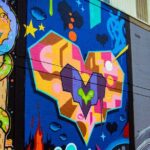
Street art in Bogotá isn’t decoration. It’s a living map of politics, identity, and neighborhood change, told up close on a graffiti walking tour with a clear focus on the city’s movement. I especially like how the guide turns walls into a story, and how conversations stay practical—one guide (Lifred) is repeatedly praised for connecting street pieces to the broader background, while another (Ivonne) is noted for teaching street-art basics along the way. One thing to consider: you’re walking and reading visual details at pace, so if you prefer long museum-style stops, this may feel a little more like a fast, street-level course than a slow stroll.
What makes this experience worth your time is that it’s not just about looking. The tour is designed around Bogotá graffiti’s history and its relationship to Colombia’s story, with an emphasis on how the movement connects to artists and communities. I also love that the project framework matters: it’s described as an initiative that supports social processes and works with schools, cultural centers, and community spaces, so the art isn’t treated like a disconnected hobby. A possible drawback is that the meeting area is in the city, so conditions like weather and foot pace can affect how comfortable you feel during the walk.
You’ll see why this has such consistent buzz—an average rating around 4.7 with dozens of bookings—and it fits easily into a Bogotá itinerary. The tour runs daily, in set time windows, and it’s built to be accessible, including a wheelchair-accessible setup. If you’re short on time, go for the earlier slot first; if you’re sensitive to crowds, choose the time that’s calmer for you.
In This Review
- Key things that make this Bogotá graffiti tour worth it
- Bogotá street art: why this kind of tour clicks
- Where you meet: Parque de los Periodistas and an easy start
- The route: Jiménez Avenue area and why walking matters
- What you’ll learn: graffiti as movement, message, and history
- 1) How the movement forms and changes
- 2) Artists and meaning (not just techniques)
- 3) Graffiti’s social side: protest and collaboration
- The guide experience: Q&A, pacing, and street-art basics
- Price and value: $13 for a story you can’t get from a photo
- Best time to go: match your energy to the two daily windows
- Who this Bogotá graffiti tour suits best
- Practical tips so you get more from the walls
- Should you book? My decision rule
- FAQ
- Where is the meeting point for the Bogotá graffiti tour?
- How long is the tour?
- What time does the tour run?
- Is there a live guide?
- Is the tour wheelchair accessible?
- How much does it cost and what about cancellations?
Key things that make this Bogotá graffiti tour worth it
- Starts at Parque de los Periodistas for an easy city-centre kickoff.
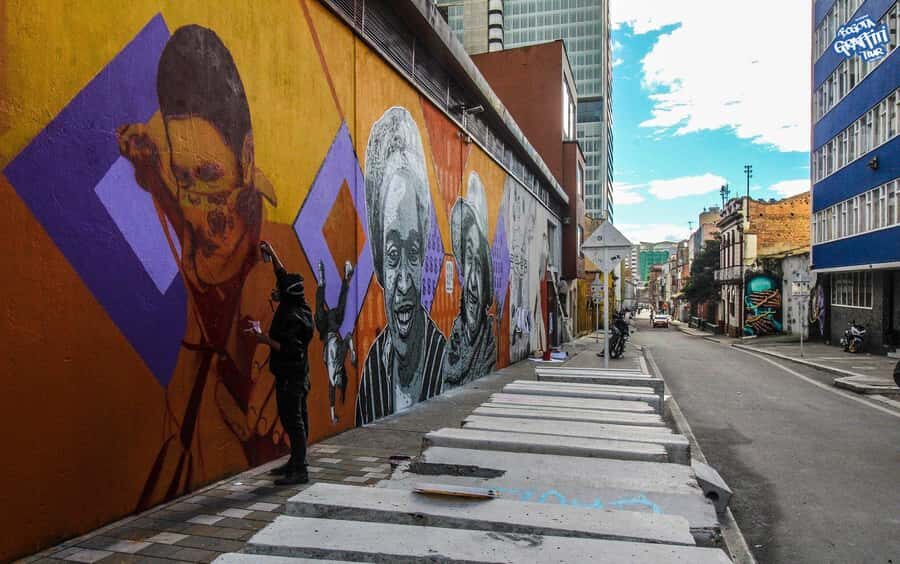
- Real street-art storytelling, linking walls to the Bogotá graffiti movement and Colombia’s context.
- Guides who teach, not just point (names that come up include Lifred, Ivonne, Luis, Giovanni, Christian, and Fabian).
- A mix of styles, since graffiti in Colombia is described as taking over the streets in varied forms.
- Project-based impact, tied to community initiatives through cultural spaces and schools.
- Multiple departure windows each day, with English-language live guiding and a 2-hour listed duration.
Bogotá street art: why this kind of tour clicks
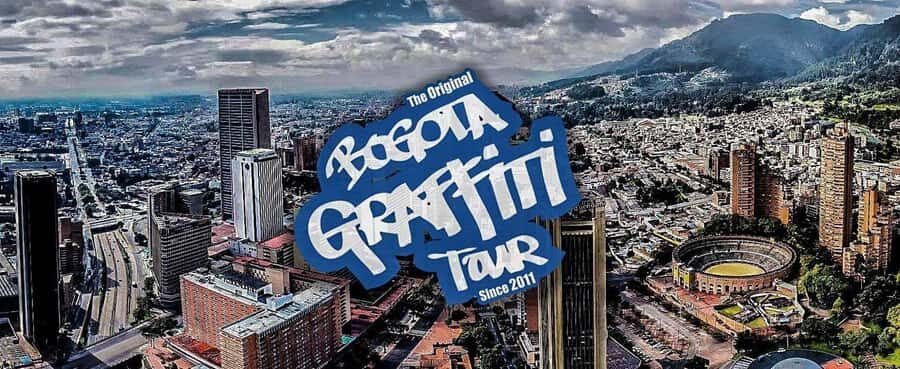
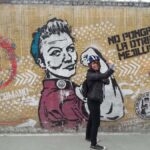
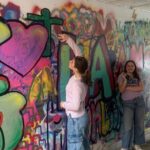
Bogotá graffiti is often misunderstood as pure vandalism or pure decoration. This tour pushes you to see it as communication—people using public space to speak. You’re not just “viewing murals.” You’re walking through a city where street art has a relationship to history and identity, and where artists negotiate meaning with neighborhoods.
That’s why the tour format works: it’s a city-walls story. Instead of a slideshow, you connect what you see on brick and concrete to what the guide explains about the graffiti movement. The result is that your eye sharpens fast. You start noticing shapes, tags, layering, and the way certain pieces express ideas.
And the tone matters. Several guide names are highlighted in people’s feedback, and the pattern is consistent: the best sessions don’t stop at pointing. They answer questions, share street-art basics, and connect the visuals to Colombia beyond the paint.
Other graffiti and street art tours in Bogota
Where you meet: Parque de los Periodistas and an easy start
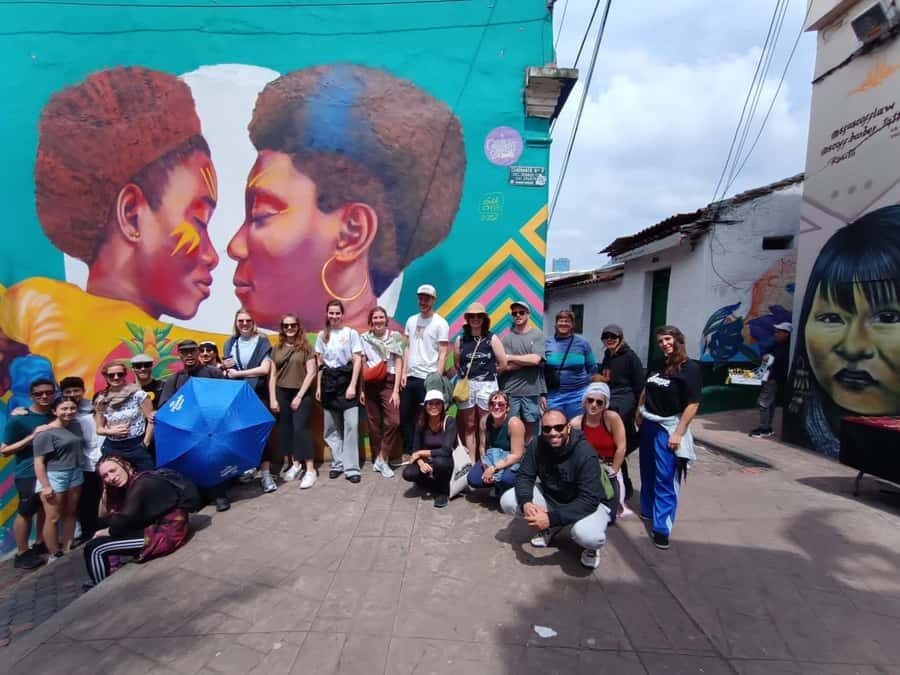
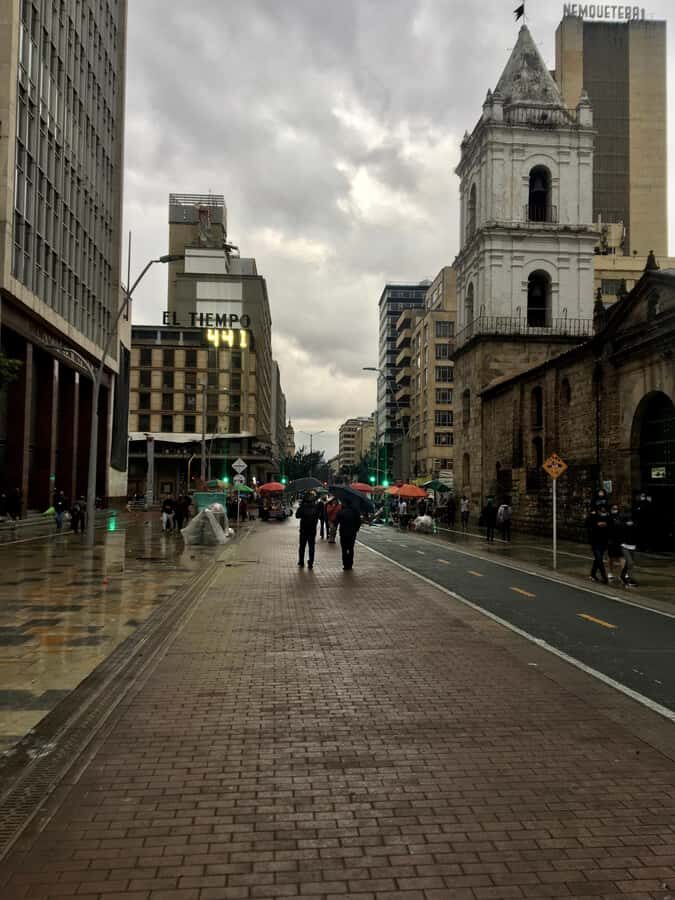
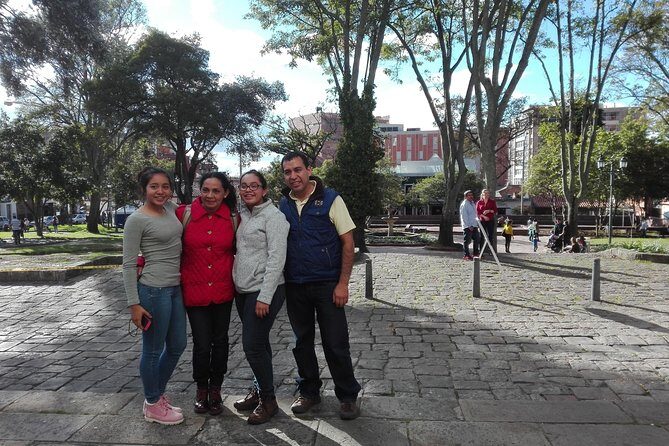
The meeting point is Parque de los Periodistas in Bogotá. That’s a practical choice because it keeps the tour anchored in the city rather than forcing you into a complicated pickup plan.
Here’s what you should do to make the start smooth:
- Arrive a few minutes early so you can meet the group without rushing.
- Bring water, even if the weather looks fine. Urban walks add up.
- Have your questions ready. This tour is designed for back-and-forth, not just one-way narration.
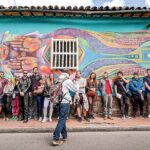
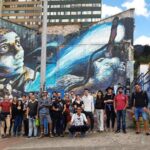
Once you’re grouped up, the guide sets the tone: you’ll be learning how the Bogotá graffiti movement tells stories through walls, and how those stories connect to artists and the wider history of the country.
The route: Jiménez Avenue area and why walking matters
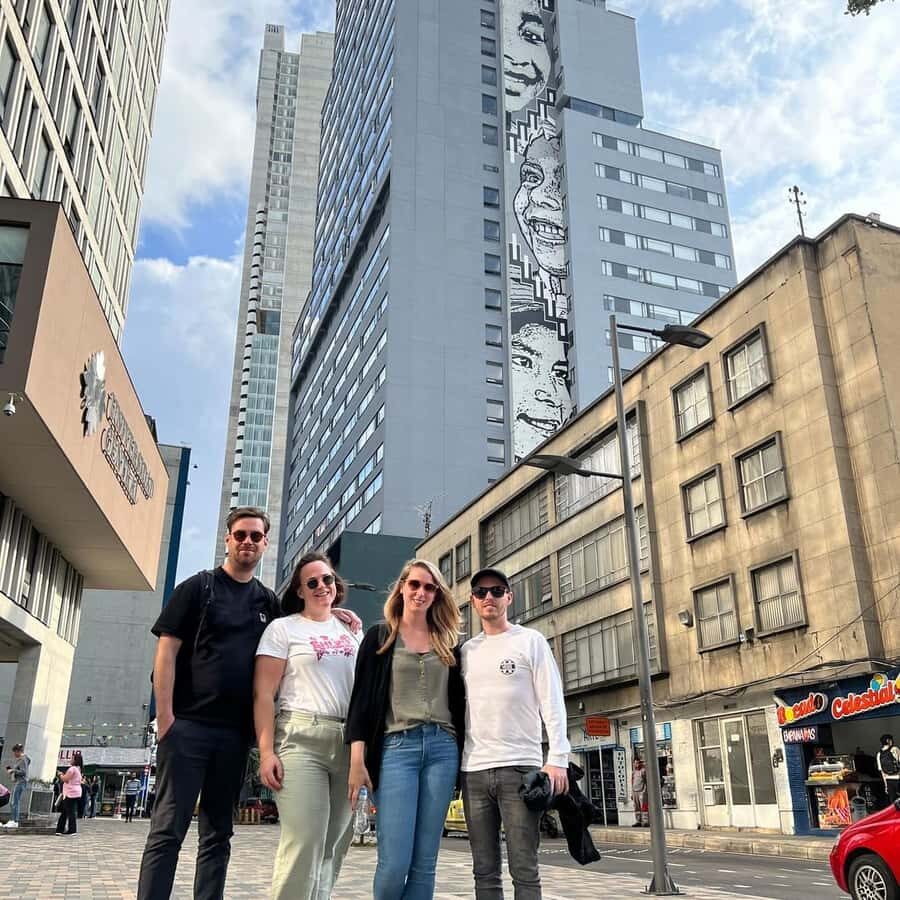
Your tour runs from the Jimenez Avenue with Carrera 4 area, with daily time windows listed as 10:00am–12:30pm and 2:00pm–4:30pm. The listing also says the duration is 2 hours, so think of these windows as the practical block for check-in and the walk.
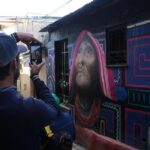
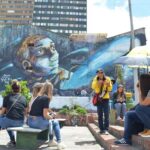
I like this routing because you get street density and visual variety fast. You’re in an urban grid where graffiti appears in different scales and styles, which makes it easier for a guide to explain differences. A walking route also changes the way you see art: up close, you notice brushwork and texture. From a few steps back, you understand composition and placement in the streetscape.
Also, walking keeps the experience grounded. Graffiti doesn’t live in a vacuum. It’s positioned next to everyday life—stores, walls you pass every day, and public space where people actually live with the art.
What you’ll learn: graffiti as movement, message, and history
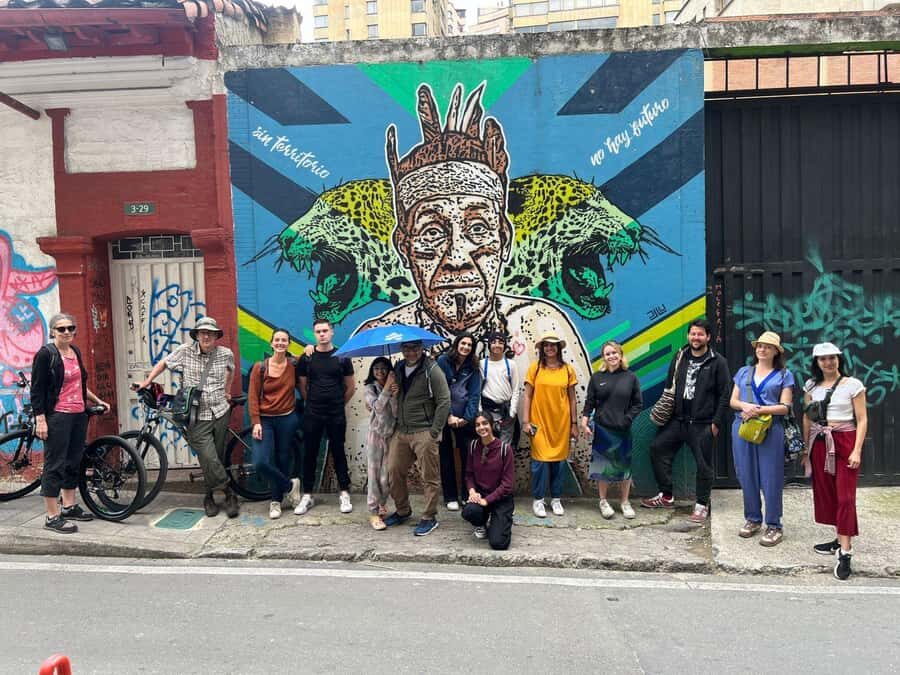
This tour is described as a city walk “through the walls.” That sounds poetic, but it’s actually useful because it tells you what to expect: the guide explains the Bogotá graffiti movement, the artists connected to it, and the relationship between street art and Colombia’s history.
In practical terms, you should expect three layers of learning:
1) How the movement forms and changes
You’ll get a narrative arc: how graffiti became a visible force in Bogotá and how styles and themes evolve over time. The goal is to help you read the city like a timeline, even though you’re seeing it in real time.
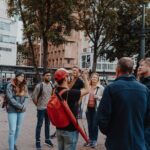
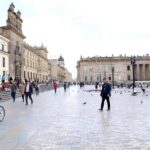
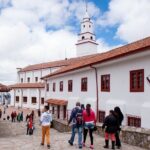
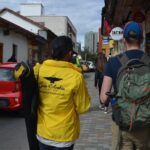
2) Artists and meaning (not just techniques)
Several guide-led sessions are praised for being knowledgeable about the background behind the work. That typically means you hear more than “this is a tag” or “that’s a mural.” You’ll learn why artists choose certain messages and how their work relates to the environment it’s in.
3) Graffiti’s social side: protest and collaboration
One of the strongest themes mentioned is graffiti as protest, plus the collaborative angle—how building owners, artists, and communities can intersect. That helps you see graffiti as part of a social conversation, not only a fight with authority.
And because the tour is also framed as an initiative, you’ll hear how the project supports urban art and social processes. The description references work with communities at risk and connections to community houses, cultural centers, foundations, district schools, and graffiti spaces in different locations.
That’s key. It turns “street art” into “street art with a purpose.” Even if you’re only in Bogotá for a day, it gives you a more complete picture of what you’re seeing.
The guide experience: Q&A, pacing, and street-art basics
A walking tour lives or dies by the guide. This one is repeatedly credited for making the content click.
When people talk about guides on this tour, a few traits show up again and again:
- Clear explanations that connect art details to context.
- Patience with questions, so your group doesn’t feel rushed.
- Street-art basics, so first-timers can follow along without feeling lost.
Guides with names like Lifred, Ivonne, Luis, Giovanni, Christian, and Fabian are mentioned in connection with engaging storytelling and helpful answers. You’ll feel the difference if your guide teaches you how to look—because then you leave with a skill, not just memories.
Pacing is also part of the value. The tour is listed as 2 hours, which is a good length in a city like Bogotá. Long enough to learn, short enough to keep your energy.
Still, keep in mind: the experience requires attention. If you bounce along scrolling your phone, you’ll miss the meaning that makes this tour special.
Price and value: $13 for a story you can’t get from a photo
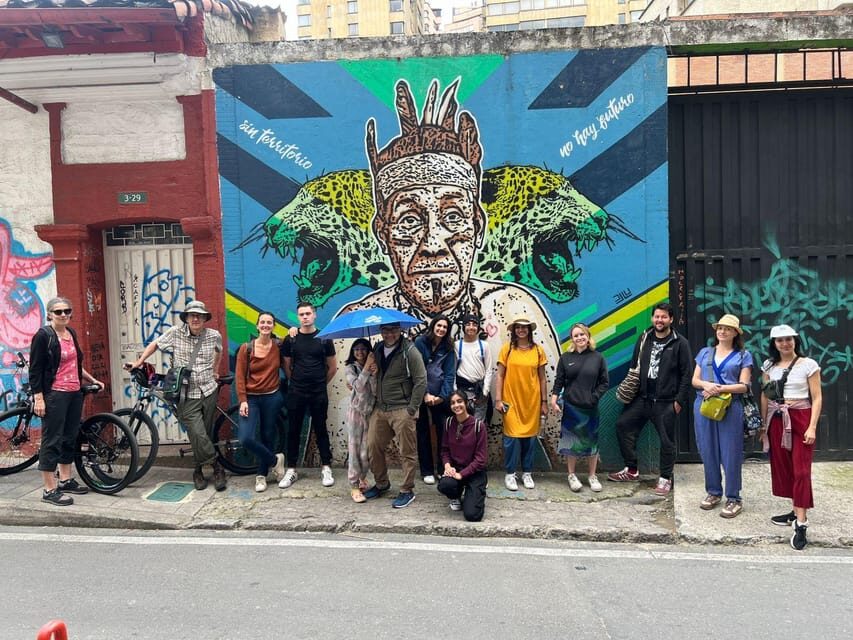
The price listed is $13 per person for a 2-hour guided experience. That’s not just cheap for Bogotá—it’s cheap for what you’re actually getting: guided interpretation of public art plus context for how graffiti operates as a social practice.
Here’s how I think about value on tours like this:
- If you only want pretty pictures, you can do that on your own. Graffiti is everywhere.
- If you want to understand why specific art exists and how it connects to Bogotá and Colombia, you’re paying for interpretation and explanation.
This tour also describes itself as more than a simple sightseeing product. It’s tied to an initiative that supports urban art and community processes, and it’s been receiving international visitors since 2011. That long run often means the structure is refined—guides know how to explain, and the experience works for people coming from all over.
One confusing part on the listing is the wording FREE GRAFFITI TOUR alongside the listed price of $13 and mentions of both free and private tour options. Don’t panic. Just treat it as: there’s a standard guided graffiti walk in this price range, plus options for private tailoring. If you’re deciding fast, I’d confirm what you’re booking so you don’t wonder later.
Best time to go: match your energy to the two daily windows
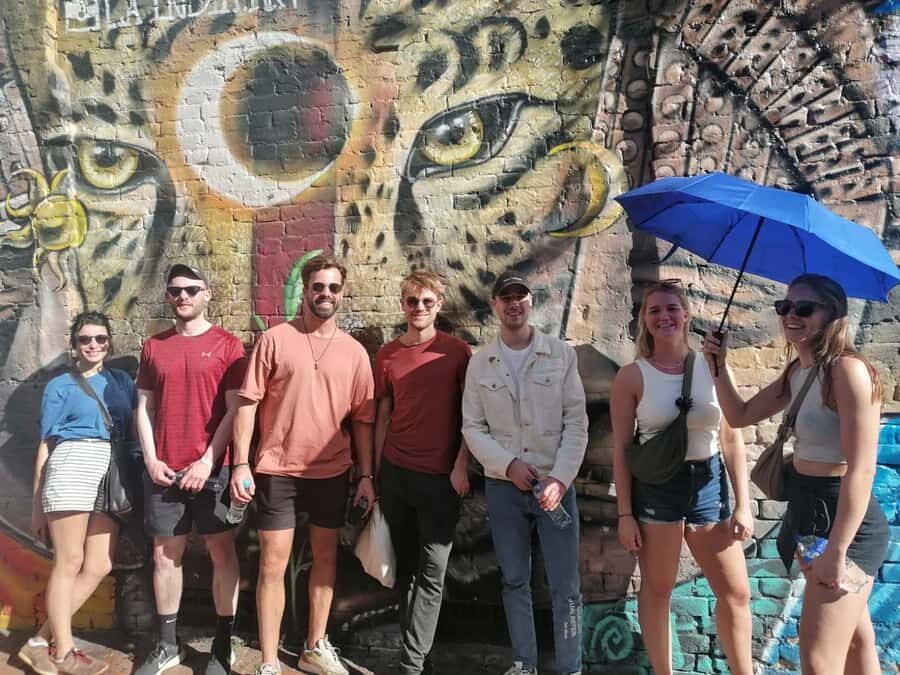
With start windows at 10:00am–12:30pm and 2:00pm–4:30pm, you have flexibility. Choose based on how you like to walk:
- If you want your day to keep moving, the morning window can be easier to pair with lunch plans afterward.
- If you like a slower start, the afternoon slot can work well, especially if you’ve already done other city stops earlier.
Because the tour is a street walk, you’ll enjoy it most when you’re not rushed. Build it into your schedule so you can come back to the city afterward with fresh eyes, not with exhaustion.
Who this Bogotá graffiti tour suits best
This is a great fit if you want:
- A street-art focused experience that explains meaning, not just aesthetics.
- A short 2-hour activity that adds depth to Bogotá, even if you only have limited time.
- A guided route with a strong emphasis on the Bogotá graffiti movement and Colombia context.
It’s especially good for first-timers to urban art. The guide-led sessions are described as teaching street-art basics and handling questions, so you don’t need prior knowledge.
If you’re the type who hates walking, this might be harder. It’s also not a quiet sit-and-read activity. You’re moving, looking, and listening.
Practical tips so you get more from the walls
A few small choices can make a big difference:
- Wear comfortable shoes. The experience is built on walking and stopping for visuals.
- Bring a charger or spare battery only if needed. You’ll learn more by looking at the art while the guide explains it.
- Ask questions early. Guides tend to answer best when you start asking before everyone forgets.
- Don’t treat it like a scavenger hunt. The goal is understanding how the story works, not collecting photos.
If you’re traveling with someone who’s more into culture than design (or vice versa), this tour often works because it connects visuals to ideas and social change.
Should you book? My decision rule
Book this tour if you want to see Bogotá graffiti as a story you can read, not just a wall you pass.
I’d skip it if you only want general city highlights or if you’re uncomfortable with a walking format that requires attention to details.
Given the clear structure (2 hours, English live guide, central meeting area) and the repeated praise for guide clarity and friendliness—names like Lifred and Ivonne show up for a reason—this is one of the easiest “yes” decisions in Bogotá if street art interests you at all.
FAQ
Where is the meeting point for the Bogotá graffiti tour?
The meeting point is Parque de los Periodistas in Bogotá, Colombia.
How long is the tour?
The tour duration is listed as 2 hours. The daily schedule is shown in time windows that start in the morning and afternoon.
What time does the tour run?
The listing shows departures in two windows: 10:00am–12:30pm and 2:00pm–4:30pm. You can check availability for the exact starting time.
Is there a live guide?
Yes, there is a live tour guide and the tour guide language listed is English.
Is the tour wheelchair accessible?
Yes. The tour is listed as wheelchair accessible.
How much does it cost and what about cancellations?
The price listed is $13 per person. There is free cancellation up to 24 hours in advance for a full refund, and there’s also a reserve now & pay later option listed. For questions, you can contact [email protected].