REVIEW · BOGOTA
Candelaria Unveiled: Cool-tural Heritage Walking Tour
Book on GetYourGuide →Operated by Timeless Journeys · Bookable on GetYourGuide
Bogotá’s old streets have sharp stories. This Candelaria Unveiled walk strings together colonial architecture, key moments of Colombian independence, and the city’s cultural institutions into one easy 150-minute route. I especially love how you learn the origin story at Chorro de Quevedo and then see how that past still shapes what you walk past today.
I also like that it ends at the Botero Museum, so your tour day naturally closes with art you can linger over. One possible drawback: this is a short overview, so you’ll move at a guided pace rather than getting long, slow museum time.
In This Review
- Key things to look for
- Walking La Candelaria with a guide who connects the dots
- Start at Monumento a Policarpa Salavarrieta, then head to La Concordia Market
- Chorro de Quevedo: Bogotá’s founding, right where the walk tells the story
- Callejón del Embudo: cobblestones shaped like a funnel
- Theater and government power: Teatro Colón and Palacio San Carlos
- Casa de La Pola and Iglesia San Ignacio: independence meets 17th-century faith
- Plaza de Bolívar: the heart of Bogotá and a cluster of iconic power buildings
- Gabriel García Márquez Cultural Center and Manzana Cultural: modern culture in a historic pocket
- Museo Botero finish: art as a satisfying end point
- Price and value of a $16, 150-minute Candelaria loop
- Practical tips so you get the best experience
- Should you book Candelaria Unveiled?
- FAQ
- How long is the Candelaria Unveiled walking tour?
- Where do we meet for the tour?
- What’s included in the price?
- What museums or sites are part of the route?
- What language options are available?
- Is the tour wheelchair accessible?
- Is there free cancellation?
- Who is the tour not suitable for?
Key things to look for
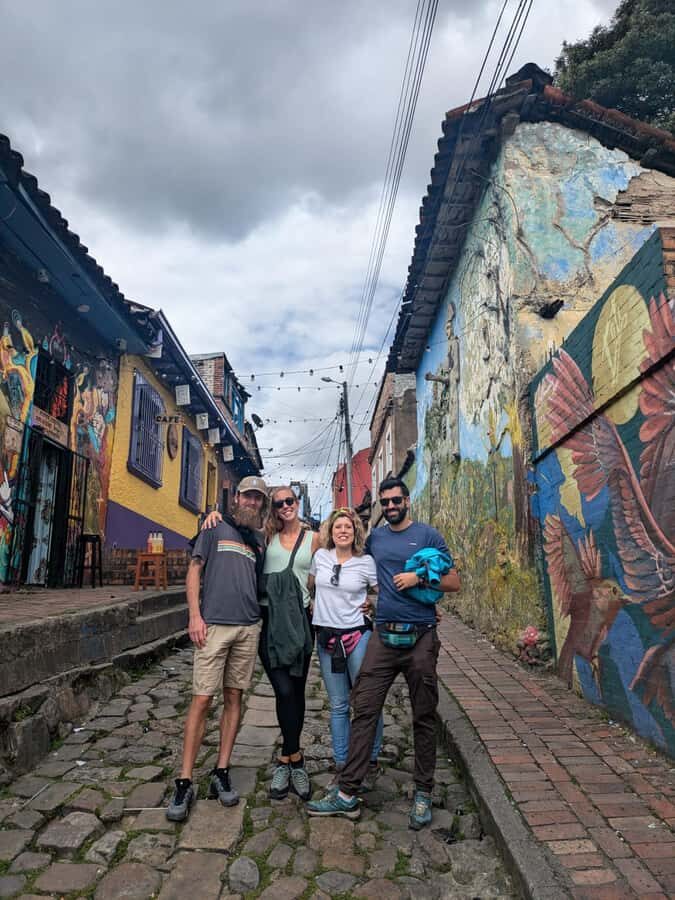
- A founding-story stop at Chorro de Quevedo, tied to the 1538 arrival of Gonzalo Jiménez de Quesada
- Colonial street details like Callejón del Embudo, shaped like a funnel and linked to an older watercourse (Quebrada de San Bruno)
- Independence history through Casa de La Pola, connected to Policarpa Salavarrieta
- Central Bogotá landmarks around Plaza de Bolívar, with major national buildings nearby
- Art payoff at the finish with a visit to the Museo Botero, inside the Manzana Cultural area
- Local guide energy highlighted in the feedback around guides like Sharik and Jorge
Walking La Candelaria with a guide who connects the dots
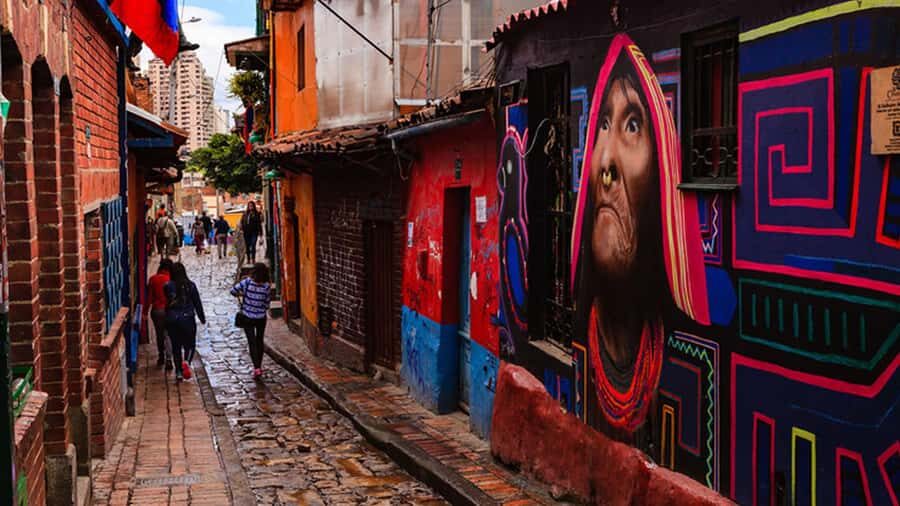
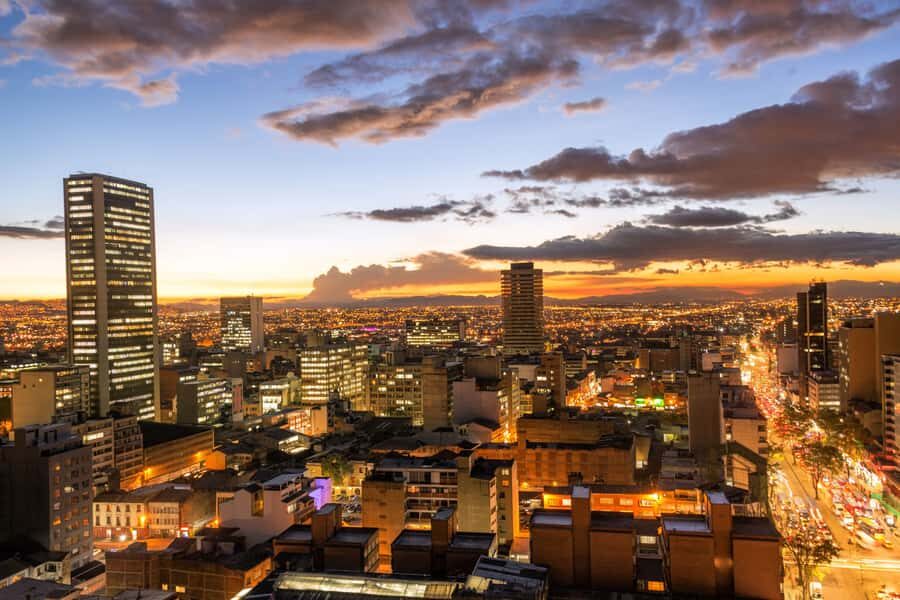
If you want Bogotá without the heavy “museum-only” vibe, this tour hits a sweet spot. You’re walking through the city’s most story-dense neighborhood while a live guide explains how the past links to the present—history, art, and street-level details all in one loop.
The route also makes sense for real travel days. It’s long enough to cover the core sights, but short enough that you can still keep plans afterward. And because the guide speaks English and Spanish, you’ll lose fewer minutes to misunderstandings and more minutes to actual learning.
The quality of the experience depends on your guide’s approach. Some people get a very question-friendly guide (names like Sharik and Jorge come up in the feedback), which is great if you like to ask what things mean, not just where to stand for photos. Still, walking tours always depend on the group timing. If the tour day starts late or a guide doesn’t show up, you lose momentum fast—so show up a few minutes early at the meeting point.
Other La Candelaria walking tours we've reviewed in Bogota

Start at Monumento a Policarpa Salavarrieta, then head to La Concordia Market
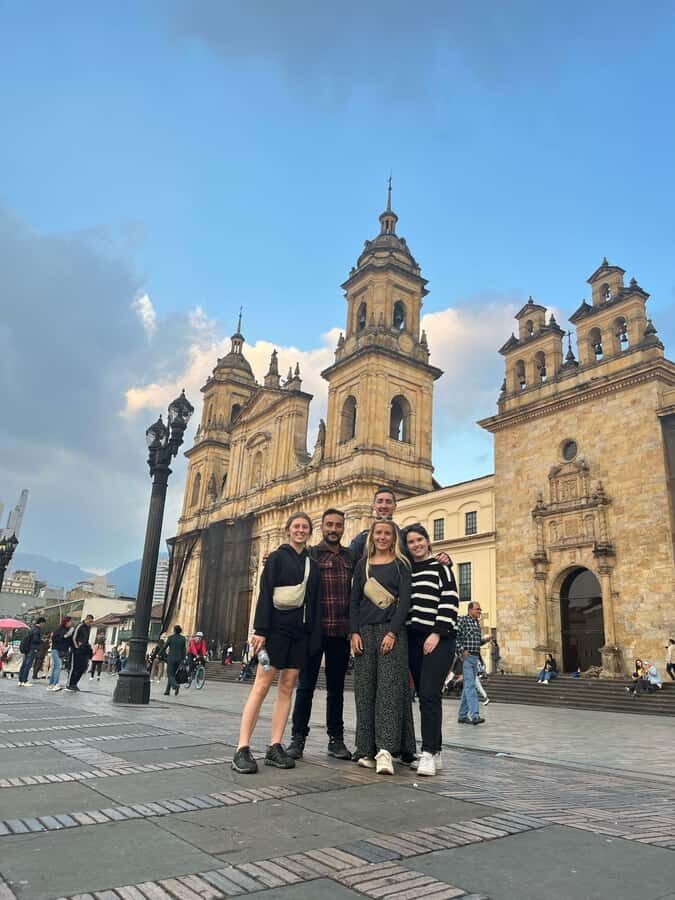
You begin in front of the Monumento a Policarpa Salavarrieta. That start matters because the tour immediately frames Candelaria not just as architecture, but as a stage for Colombian identity and independence. From the first steps, you’re primed to look at buildings as historical documents.
Next up is the La Concordia Market, guided. This stop shifts your brain from “big monuments” to daily life. You’ll see craft shops and a farmer’s market vibe in the same place, which helps you understand Candelaria as a living neighborhood, not a postcard theme park.
What I like about this market moment is the contrast. After you’ve walked a little, you start noticing textures and patterns you might have missed otherwise. And if you care about what to eat later, this kind of stop is a good warm-up—your guide is likely to offer practical pointers while you’re still in the neighborhood’s rhythm.
Chorro de Quevedo: Bogotá’s founding, right where the walk tells the story
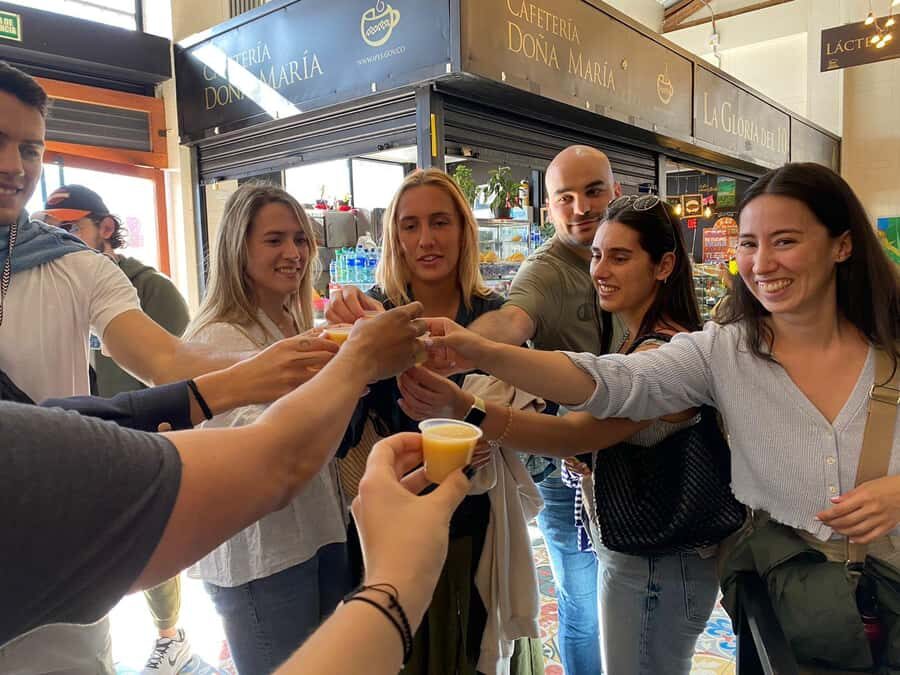
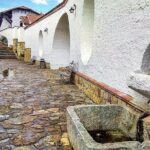
The tour’s story gets sharper at Chorro de Quevedo. This is the place where Bogotá was founded in 1538 by Gonzalo Jiménez de Quesada. It’s the kind of fact that could feel abstract—until you’re standing in the exact spot where the route’s narrative pivots.
This stop is valuable because it teaches you how to “read” a city. You start connecting street names, old geography, and architecture to a timeline instead of just admiring facades. It also gives you a clearer lens for later landmarks—suddenly Plaza de Bolívar isn’t only impressive. It’s central because the story built toward it.
One practical tip: when you reach Chorro de Quevedo, slow down and really look around. The value here isn’t just the founding date. It’s the way the surrounding streets and buildings reinforce why that spot mattered in the first place.
Callejón del Embudo: cobblestones shaped like a funnel
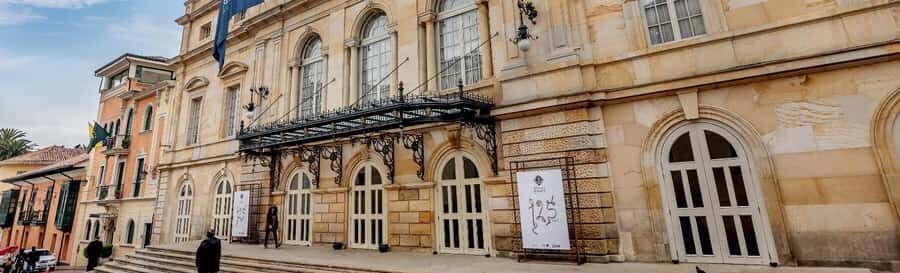
Then you hit Callejón del Embudo—a cobblestone lane shaped like a funnel. The guide ties it to the edge of the ancient Quebrada de San Bruno, which turns the street into a clue. You’re not just walking a pretty side alley. You’re tracing how older natural features influenced what became urban space.
This is one of those stops that makes the whole tour feel more “real.” Many heritage walks recycle the same photo angles. Callejón del Embudo forces a different kind of attention: the ground, the form, and the way water geography lingers in the layout.
Wear comfortable shoes. Cobblestones can be charming and also a little unforgiving. A smooth stride will make the difference between enjoying the architecture and thinking about your feet.
Theater and government power: Teatro Colón and Palacio San Carlos
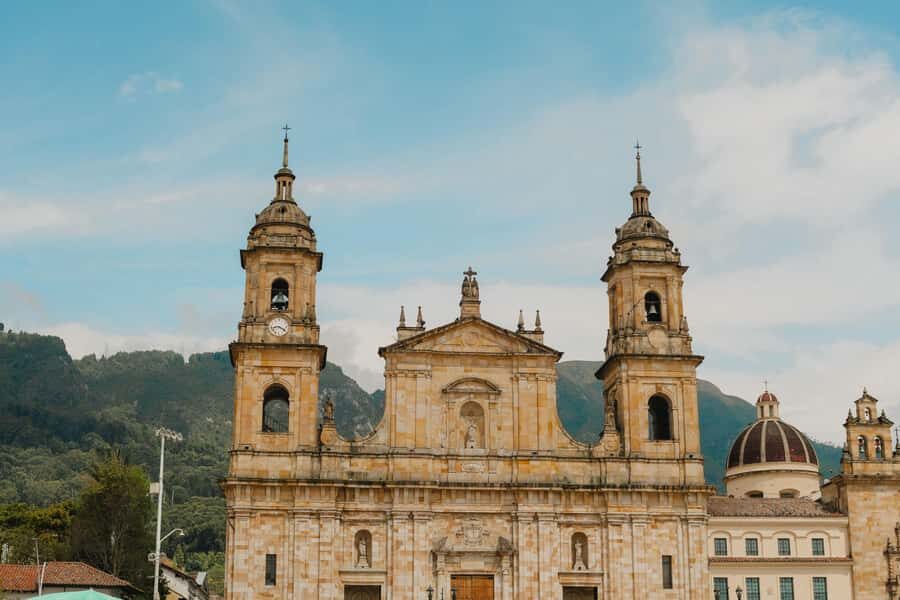
From the street-level details, you rise into the big cultural and political structures. The route includes Teatro Colón, which adds a performing-arts layer to the walk. Even if you don’t attend a show, you’ll see how culture is part of Candelaria’s identity.
Nearby, you’ll also pass Palacio San Carlos, the former official residence of the President of Colombia. That stop changes the mood from artistic to governmental, and it’s worth paying attention to what that implies. In many Latin American capitals, the closest buildings to central plazas tell you where influence and public life concentrated.
The draw here is contrast. You’re seeing how different institutions—culture, administration, religion—share the same historic neighborhood footprint. It’s a good reminder that Candelaria wasn’t just built for visitors. It was where decisions, celebrations, and daily routines all overlapped.
Other walking tours we've reviewed in Bogota
Casa de La Pola and Iglesia San Ignacio: independence meets 17th-century faith
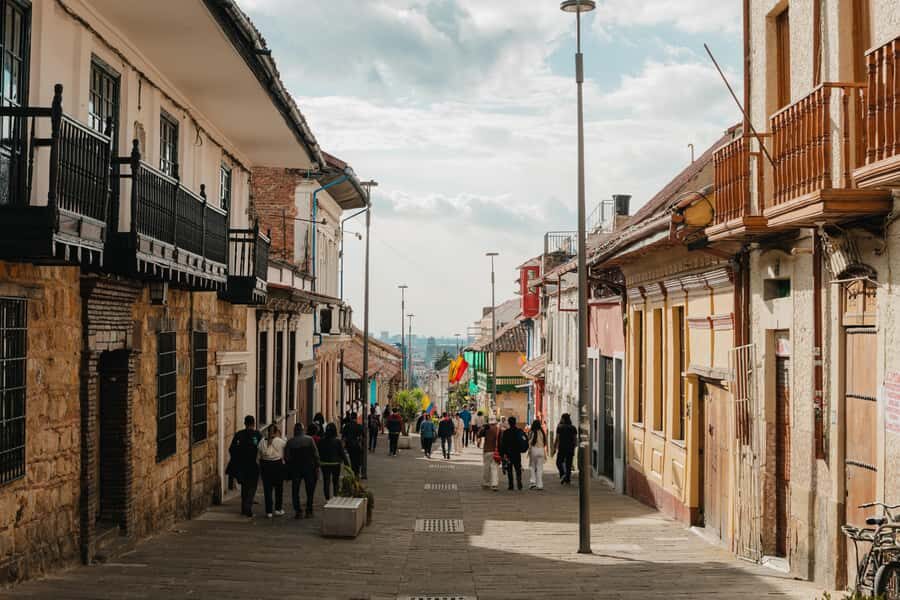
Two stops keep the tour grounded in national identity. Casa de La Pola is the residence of Policarpa Salavarrieta, a heroine of the liberation campaign. If you like independence stories that feel specific (names, places, legacies), this one usually lands well.
Then comes Iglesia San Ignacio, a Catholic religious temple built in the 17th century. This is where your mental timeline broadens beyond conquest and independence into long-term colonial-era religious life. The guide’s explanations help you understand why churches are often among the oldest landmarks in the city core.
What makes these stops effective is pacing. After government and theater, you get a human story tied to a person, and then you get architectural depth tied to centuries. Together, they prevent the tour from feeling like a list of sights.
Plaza de Bolívar: the heart of Bogotá and a cluster of iconic power buildings
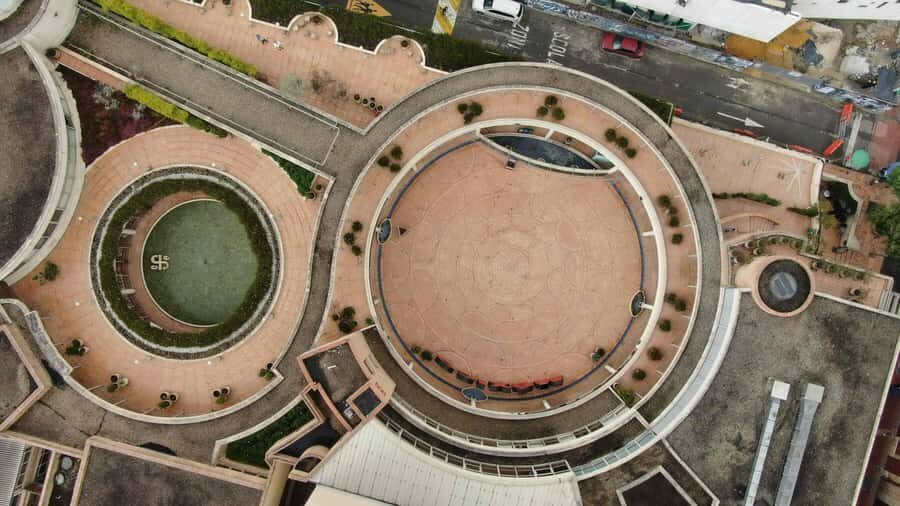
No Candelaria walk is complete without Plaza de Bolívar—the heart of Bogotá. You’ll be guided through it, with attention to the major buildings around the square, including the Palace of Justice and the National Capitol.
This is a big moment because it connects everything you’ve been learning. The square isn’t just a nice open space. It’s a focal point for national institutions, which is exactly why guides spend time here.
I like using Plaza de Bolívar as a mental checkpoint. By the time you reach it, you’ve already learned founding context, street history, and key independence references. So now you can see the city’s layout as a system, not a random collection of landmarks.
If you’re sensitive to crowds, plan to pause and step back a bit when the group gets clustered. You’ll get a better view of the surrounding buildings and the square’s overall proportions.
Gabriel García Márquez Cultural Center and Manzana Cultural: modern culture in a historic pocket
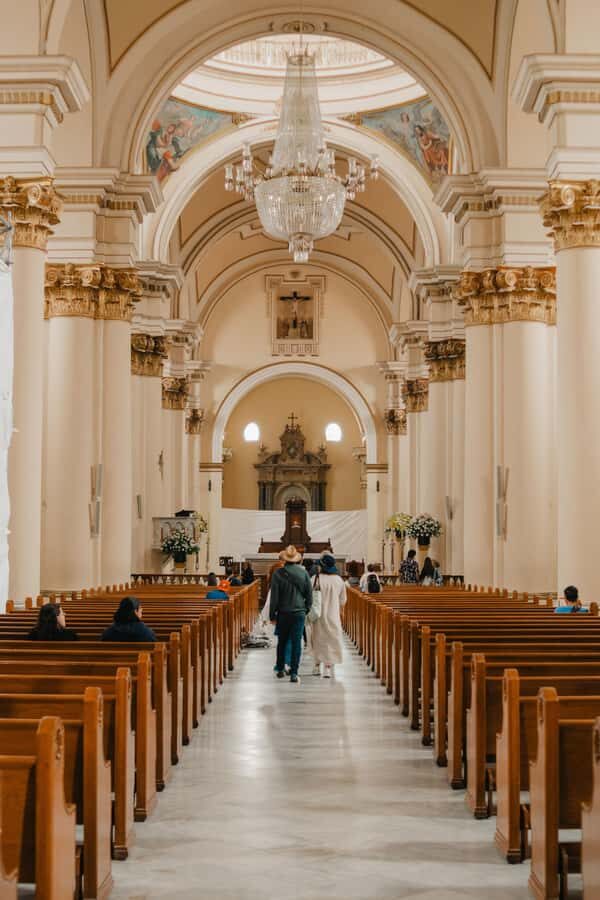
Next, the tour includes the Gabriel García Márquez Cultural Center, which keeps the focus on culture and storytelling. Even without going inside for a full session, the point is clear: Bogotá’s creative identity isn’t stuck in the colonial past.
Then you move into Manzana Cultural, an area that houses three of the most important museums, including the Botero Museum. This matters because it’s a strategy for your time. If you end your tour here, you’re positioned to continue exploring without having to figure out transport or routes right away.
This is also a good place to use your guide’s practical instincts. The tour highlights that you’ll get recommendations for restaurants, clubs, and activities. Ask for suggestions based on what you like—history-heavy, art-based, or lively evenings—so your next steps feel tailored, not generic.
Museo Botero finish: art as a satisfying end point
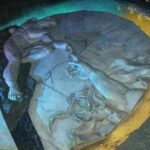
The tour ends with a visit at the Museo Botero, finishing at the museum itself. That’s a smart finish because it gives you a calmer, indoor option after a walking loop. It’s also a perfect reward for the storytelling you just heard, since your last stop is visual and self-directed.
Even if you don’t consider yourself an art person, Botero is often a gateway museum experience. The key is simple: you’ve spent time learning about Bogotá’s past and civic identity, and now you get to process the city through its art footprint.
One note: the tour is only 150 minutes total, so museum time may be “visit-based” rather than a full, slow study session. If you want to spend more time with specific works, plan to extend your visit after the tour ends at Botero.
Price and value of a $16, 150-minute Candelaria loop
At $16 per person for about 150 minutes, you’re paying for three things: guided context, access to selected sites (entrance to some museums and churches), and a structured route that keeps you from wandering blindly.
In practical terms, $16 is good value when you’d otherwise spend time figuring out what matters most. Candelaria can feel like lots of pretty buildings until someone connects them with real explanations. That’s what you’re buying: meaning, not just motion.
Is it perfect value for everyone? If you already know the city well or you prefer entirely self-guided museum time, you might feel the limits of a short tour. But for a first taste of Bogotá’s colonial center—especially on a tight schedule—it’s a fair deal.
Practical tips so you get the best experience
Here’s how I’d set yourself up for success on this kind of walking tour.
- Start early and stay easygoing at the Policarpa Salavarrieta meeting point. The walk is time-based, and the route is compact.
- Bring comfortable walking shoes. You’ll be on cobblestones at Callejón del Embudo.
- Use your guide for decisions, not just facts. Ask for a plan for the rest of your day, especially restaurants and evening ideas.
- If you’re bilingual or learning Spanish, pay attention to how the guide explains key terms. It tends to make the history stick.
- Expect an overview. You’ll see major institutions and cultural anchors, but this is not designed as a long museum marathon.
Should you book Candelaria Unveiled?
Book it if you want a guided introduction to Bogotá’s historic heart—colonial architecture, independence references, major squares, and a museum finish—without committing to an all-day program. It’s also a good choice if you like walking tours where the guide adds both context and practical after-tour recommendations.
Skip it if you need long, slow time in museums or you’re looking for a totally self-paced day. And because walking tours rely on timing, make sure you arrive on time at the Monumento a Policarpa Salavarrieta so you don’t lose your day if the start is strict.
If you’re trying to decide between “look at buildings” and “understand the city,” this tour leans hard toward understanding.
FAQ
How long is the Candelaria Unveiled walking tour?
The tour lasts 150 minutes.
Where do we meet for the tour?
You meet in front of the Monumento a Policarpa Salavarrieta.
What’s included in the price?
The price includes an expert guide and entrance to some museums and churches.
What museums or sites are part of the route?
The walk includes stops such as La Concordia Market, Chorro de Quevedo, Teatro Colón, Plaza de Bolívar, Gabriel García Márquez Cultural Center, and a visit to the Museo Botero (finishing there).
What language options are available?
The live guide is available in English and Spanish.
Is the tour wheelchair accessible?
Yes, the tour is wheelchair accessible.
Is there free cancellation?
Yes. You can cancel up to 24 hours in advance for a full refund.
Who is the tour not suitable for?
It is not suitable for people over 95 years.